
Last updated November 23, 2026
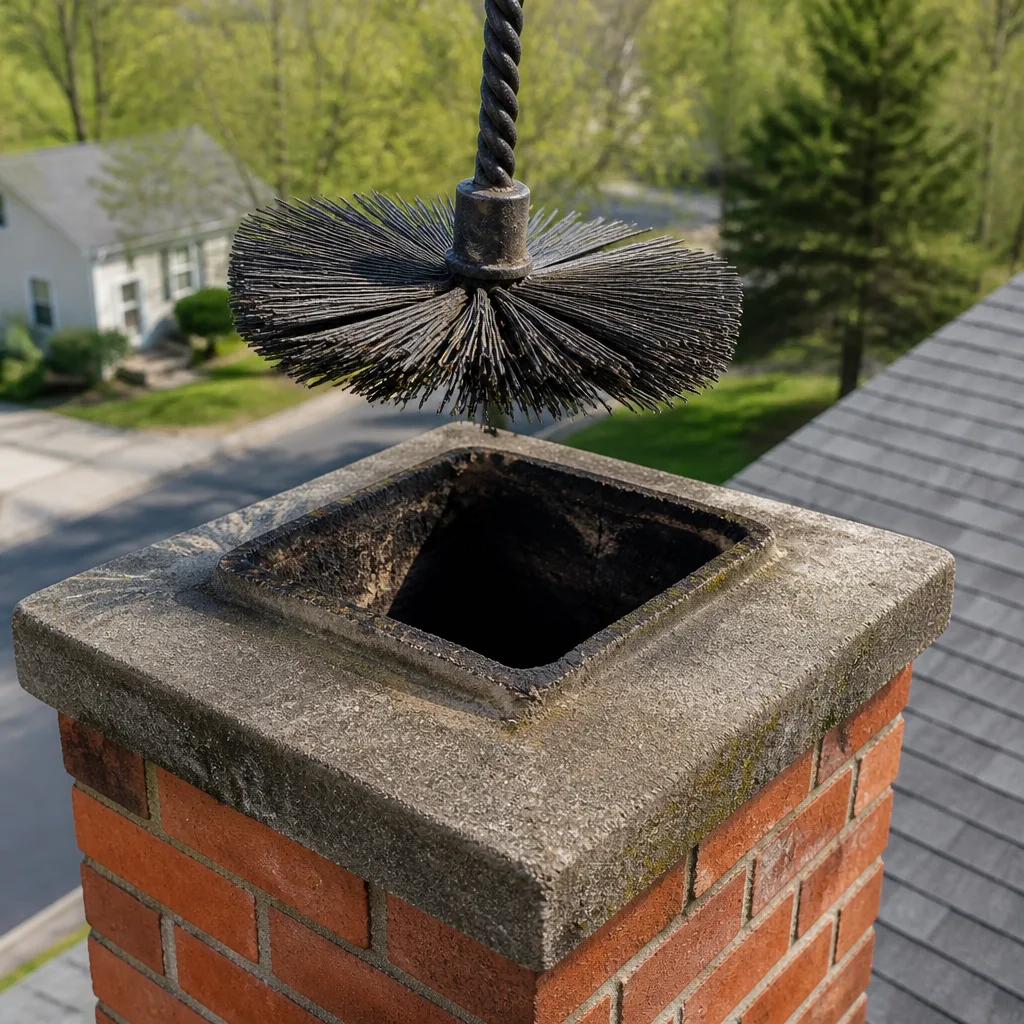 Sweep & inspection
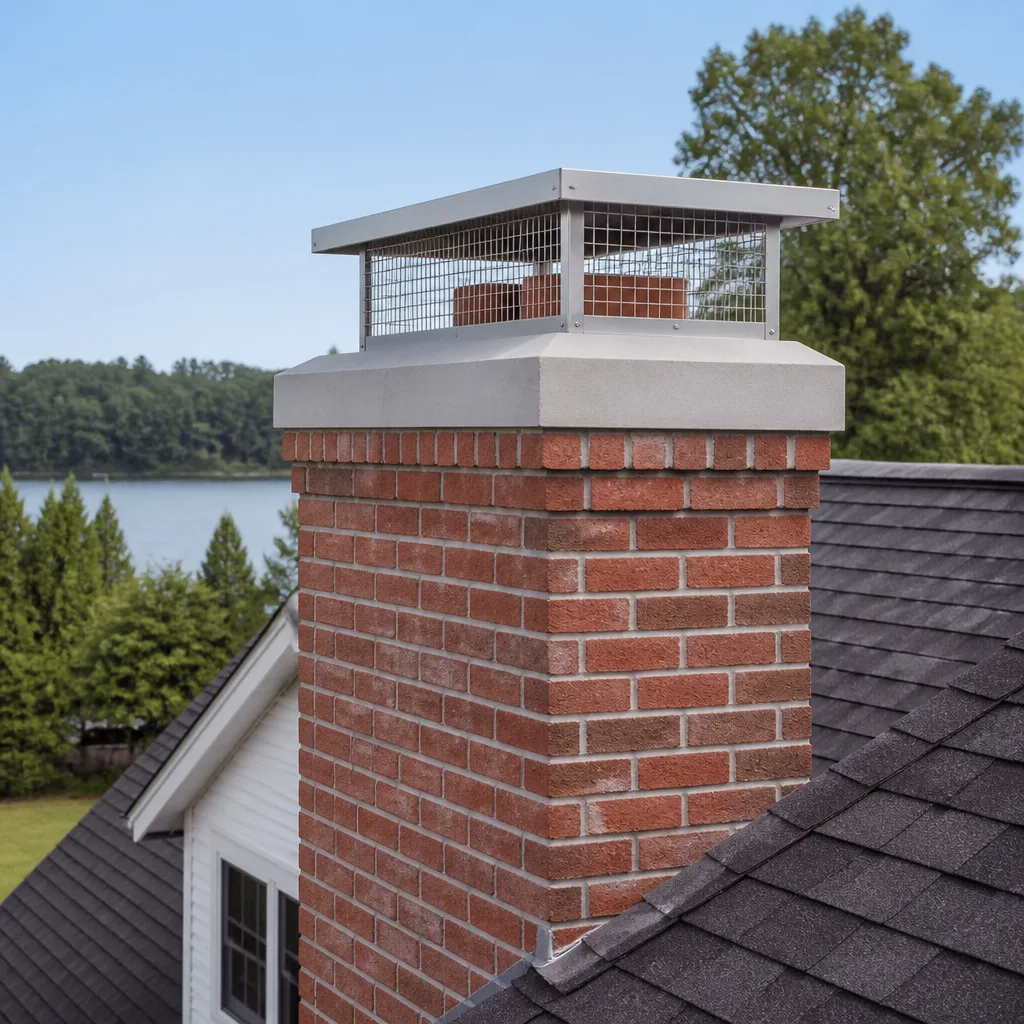 Caps & crowns
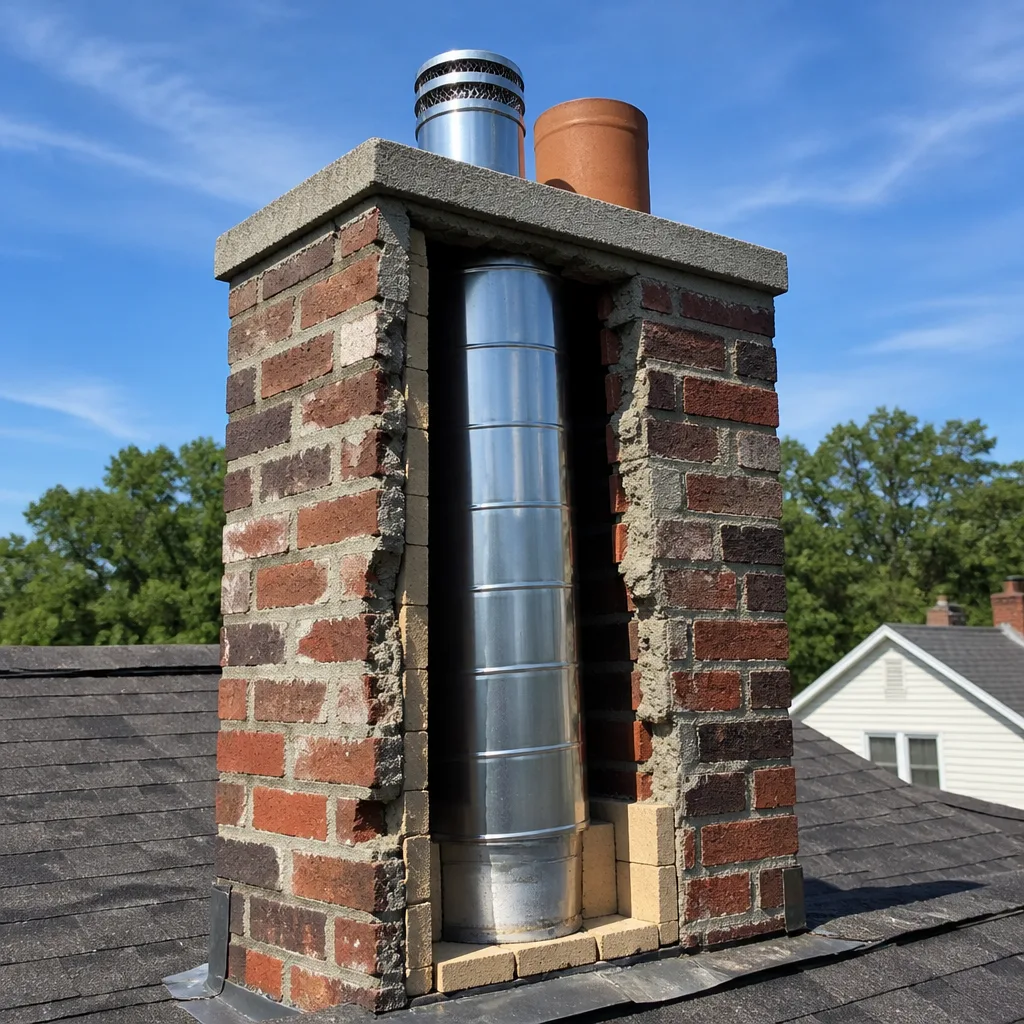 Flue relining
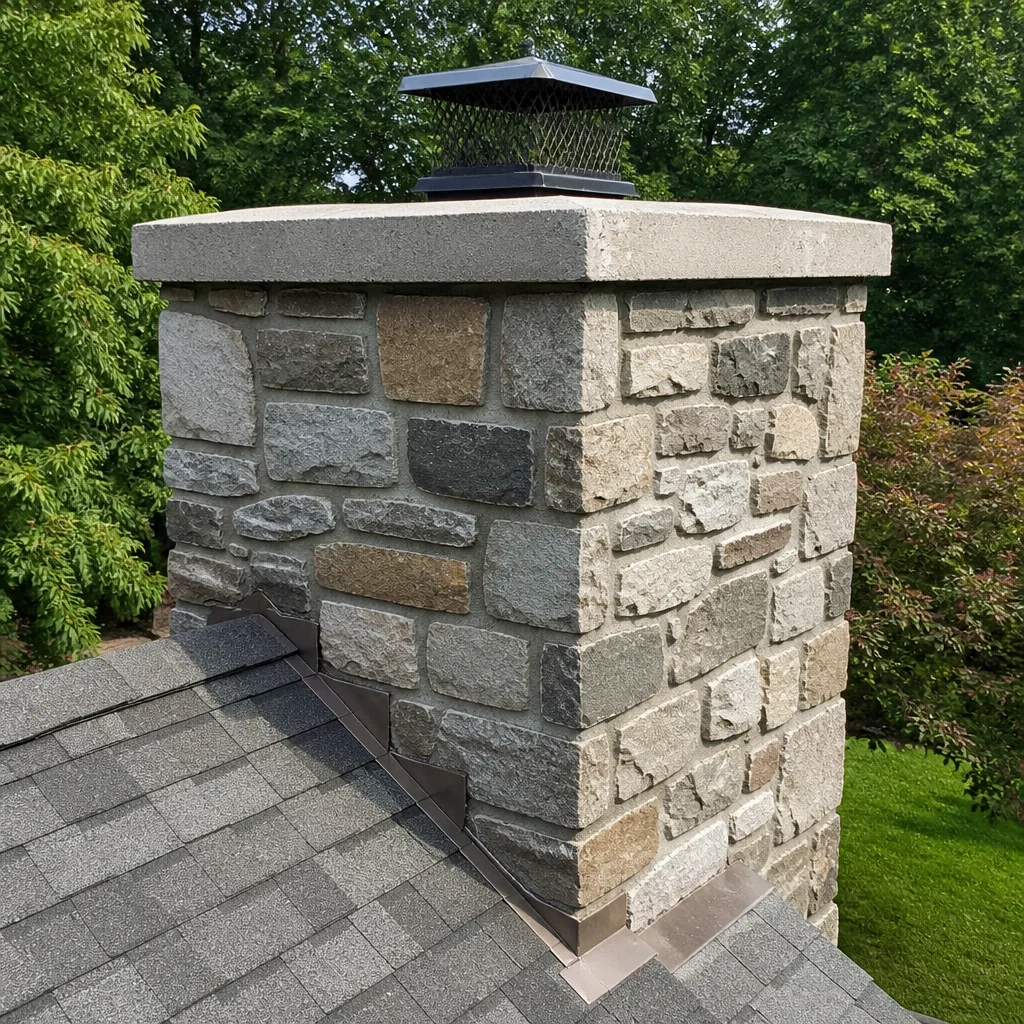 Masonry repair
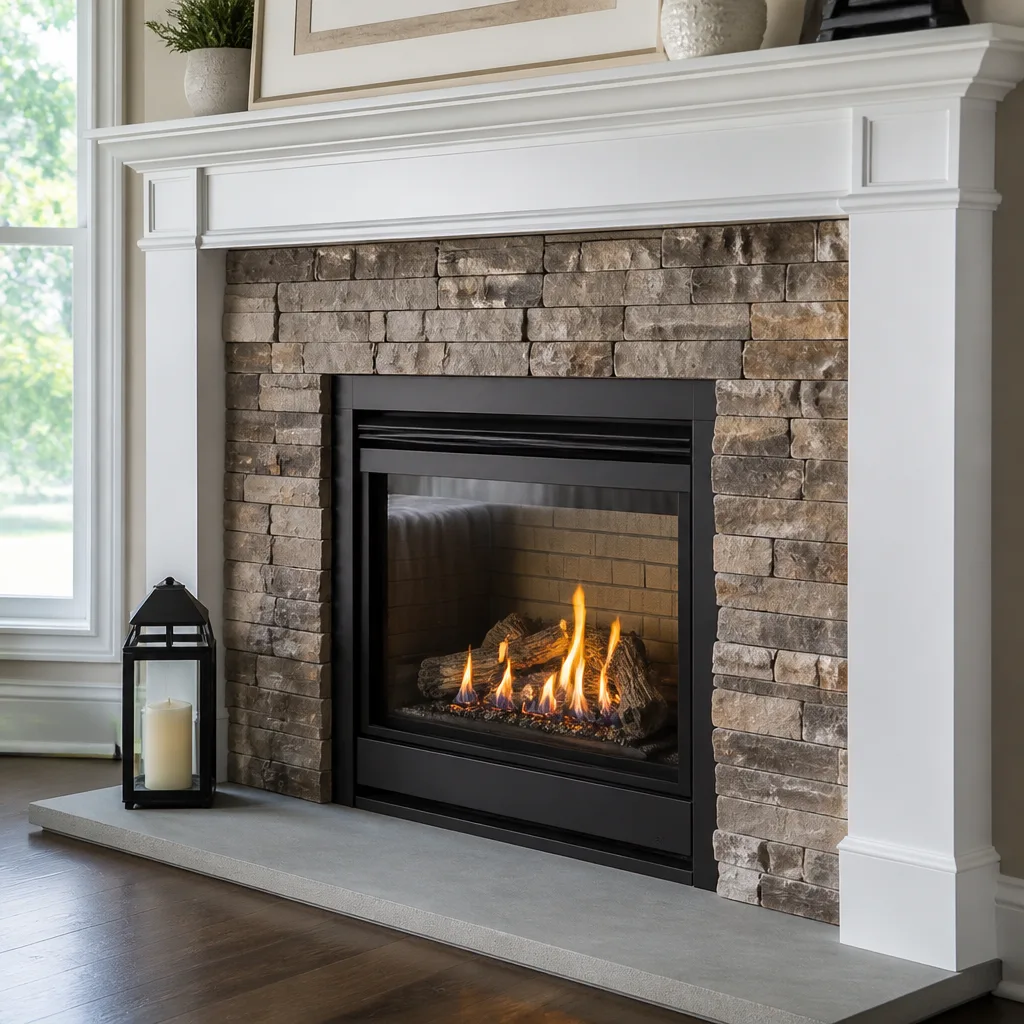 Gas fireplace service
Level 1 sweep and inspection to the NFPA 211 annual standard - flue, crown, cap, and flashing checked and photographed
Chimney sweep logs do not sweep chimneys. They loosen some creosote - which then falls where a brush and vacuum still have to collect it.
Seasonal Chimney Cleaning Care for Murphy Creek: Year-Round Homeowner’s Guide
Most homeowners treat the chimney like a winter appliance: use it, then forget it. That’s backwards. In Murphy Creek, the season that does the most quiet damage to a chimney isn’t the one with the fires in it, it’s summer, when masonry cracked by winter freeze-thaw cycles keeps opening up and a cap loosened by spring wind sits unnoticed until the first cold night. This guide maps chimney care to the actual risks each season brings at this elevation, so nothing compounds while the fireplace is dark. You’ll get the timing behind a chimney sweep, the mid-winter warning signs, post-snowmelt checks, and how wind off the plains changes how your flue behaves.
Quick Answer
Seasonal chimney care in Murphy Creek follows a simple rhythm: sweep and inspect in fall before the first fire, watch for buildup and draft problems through winter, check masonry and the cap after snowmelt in spring, and handle non-emergency repairs in summer when there’s time to do them right. Creosote, water damage, and draft issues each build on their own schedule, and matching the work to the season is what keeps a chimney safe year to year.
Styles & brands we work with
- Sweep & inspection
- Caps & crowns
- Flue relining
- Masonry repair
- Gas fireplace service
Table of Contents
- How a chimney ages across a Murphy Creek year
- Fall: why the sweep happens before the first fire, not after
- Winter: mid-season signs your burning habits are speeding up buildup
- Spring: what snowmelt reveals about cracked mortar
- Summer: the case for scheduling repairs in the off-season
- How Murphy Creek wind affects downdraft, caps, and debris
- A season-by-season checklist you can keep
- Quick verdict: what matters most
How a chimney ages across a Murphy Creek year
A chimney doesn’t wear out evenly. It takes hits from three different directions, and each one peaks in a different season, which is why an annual fall-only routine leaves gaps. Understanding the three stressors explains every task in this guide.
The first stressor is heat and combustion byproducts. Every fire lays down creosote on the flue walls, and how fast it builds depends on how hot the fire burns, how dry the wood is, and how the chimney drafts. This is the winter stressor, and it’s the one most people know about.
The second is water. In Murphy Creek, water in the masonry doesn’t just soak in once. It freezes overnight, expands, cracks the brick or mortar, thaws, and refreezes, and each cycle widens the damage. Freeze-thaw is the single biggest driver of masonry decay at this elevation, and it works through late fall, winter, and especially the transition weeks of spring when days warm and nights still drop below freezing.
The third is wind. The Front Range gets strong, sustained gusts and abrupt pressure changes, and a chimney is a hollow pipe with an open top. Wind loads the cap, drives rain and snow sideways into the flue, pushes draft around, and pulls debris in. It’s a year-round stressor that peaks in spring and picks up again in fall.
Because these three stressors overlap and stack, a chimney that’s only serviced in October is being asked to recover from a full year of accumulated wear in a single visit. The seasonal framework below spreads the work out to match when each risk is actually active, which is how a chimney in Murphy Creek stays ahead of decay instead of chasing it.
Fall: why the sweep happens before the first fire, not after
The sweep should happen before your first fire of the season, not at the end of it. This matters more than most people realize, because creosote doesn’t just sit inert on the flue walls between seasons. A fall sweep clears the accumulated soot and creosote from last winter, giving you a clean flue and a fresh inspection before the chimney goes back into heavy use. If you wait until spring, you burn a full season on top of whatever was already there.
There’s a staging reason too. Creosote goes through stages, from light soot to a flaky crust to a hard, glazed coating, and the glazed stage is far harder to remove and far more flammable. A fall sweep catches buildup while it’s still in the easier stages and resets the clock, so a full heating season of new deposits starts from clean walls.
A fall chimney inspection also tells you what you’re working with before you commit to a winter of burning. Chimney Sweep Murphy Creek offers chimney inspection as a standalone service, which means you get an honest diagnosis of the flue, the firebox, the cap, and the crown before anyone talks about repairs. That’s the point of the fall visit: verify the system is sound, then burn.
What a proper fall service covers:
- A full sweep of the flue to clear soot and creosote from the prior season.
- A visual inspection of the firebox, flue liner, damper, cap, and crown.
- A check for water intrusion, loose mortar, and spalling in the masonry.
- A draft test to confirm the flue is pulling correctly before the season starts.
- A clear report on what’s sound, what’s cosmetic, and what actually needs work.
Timing the sweep early in fall also means that if the inspection turns up a problem, you have lead time to fix it before the cold arrives. A cracked flue liner found in September is a scheduled repair. The same crack found in December, when the fire’s already lit and the house is cold, is a scramble. We’ve seen this pattern enough times to build the fall visit around prevention rather than reaction.
Winter: mid-season signs your burning habits are speeding up buildup
Once the burning season starts, a chimney doesn’t get checked again until spring in most homes, which means a whole winter of activity goes unmonitored. That’s a gap worth closing, because the way you burn through winter directly controls how fast creosote accumulates. A few observable signs tell you whether your habits are helping or hurting the flue.
Signs your fire is running too cool
Creosote builds fastest on a cool, smoldering fire. A fire that smokes heavily, produces visible dark smoke from the top of the chimney, or burns with the damper mostly closed is sending unburned gases up a cool flue, and those gases condense as creosote on the walls. If you notice heavy smoke, a lazy flame, or glass that’s constantly sooty, the fire isn’t burning hot enough. Damp or unseasoned wood is often the culprit, and switching to dry, well-seasoned wood makes an immediate difference.
Signs of draft problems
A fireplace that smokes into the room when you first light it, drafts sluggishly, or smells smoky even when it’s not burning is telling you the flue isn’t pulling cleanly. In Murphy Creek, cold outdoor air and pressure changes can make a cold flue stubborn to start, but persistent smoke or a fireplace that only drafts well once it’s been burning a while can point to a partial blockage or a flue that’s sized wrong for the firebox.
Signs buildup is already significant
A strong, sour, tar-like smell from the fireplace, especially on warmer days or when there’s a downdraft, often means there’s a meaningful layer of creosote in the flue off-gassing. Visible soot falling into the firebox, or a flue that feels gritty if you can safely look up with a flashlight, are further indications. These are reasons to stop burning and get a professional look, not things to ignore until spring.
If any of these show up mid-winter, the answer isn’t to push through to spring. A mid-season check catches accelerated buildup before it becomes a hazard. We can work with your insurer if a chimney fire or related damage ever needs documentation, but the better outcome is catching it before that. If you’re seeing the warning signs above, schedule a mid-winter inspection rather than waiting.
Spring: what snowmelt reveals about cracked mortar
Spring, not winter, is when freeze-thaw damage becomes visible. Through the cold months, water works its way into mortar joints, brick pores, and the crown, then freezes and expands. Each freeze widens the crack slightly, and when the snow finally melts, you can see the result: crumbling mortar, loose bricks, a cracked crown, and staining that wasn’t there in the fall.
This is the single most important seasonal check in Murphy Creek specifically, because the elevation and the sharp day-to-night temperature swings of spring create ideal freeze-thaw conditions. The pattern is relentless: warm afternoon, freezing night, repeat. Masonry that looked fine in October can show real spalling and joint deterioration by April.
What to look for after snowmelt
- Crumbling or sandy mortar joints. Mortar that rakes out easily, feels soft, or leaves grit on your fingers has lost its binder and is letting water deeper into the wall.
- Spalling brick faces. Brick where the front face has flaked or popped off exposes the softer interior, which absorbs water faster and damage accelerates.
- A cracked or separated crown. The crown is the concrete cap at the very top that sheds water away from the masonry. A crack in it channels water straight into the chimney instead.
- White staining or efflorescence. A chalky white residue on the exterior means water is moving through the masonry and depositing salts as it evaporates.
- Rust stains or water marks on the interior. These point to water getting past the cap or crown and down the flue.
Spring is also the right time to check the chimney cap & crown, because that’s where most water intrusion starts. A cap that took a beating from winter and spring wind, or a crown with a hairline crack, lets water in all summer long. Sealing or repairing the crown and confirming the cap is intact after snowmelt is one of the highest-value things you can do for the long-term health of a Murphy Creek chimney.
Summer: the case for scheduling repairs in the off-season
Summer is the best time to do chimney repair work, and it’s the season most homeowners skip. The fireplace isn’t in use, the weather is cooperative, and there’s real lead time to plan and complete non-emergency repairs without pressure. When you wait until fall, you’re competing for scheduling with everyone else who just realized their chimney needs work right before the first fire.
The logic is simple. In summer, a repair that needs a few days to schedule and complete can be done calmly. In late fall, the same repair has a deadline attached: get it done before you want to burn, or don’t burn. Spreading a summer’s worth of maintenance over a relaxed schedule also means repairs get done right rather than rushed.
What belongs in the summer window
- Masonry and mortar repair. Repointing joints, replacing spalled brick, and rebuilding a deteriorated crown are all better done in dry, warm weather when mortar cures properly and there’s no freeze-thaw stress on fresh work.
- Liner work. A cracked or deteriorated flue liner can be restored with HeatShield ceramic flue restoration without full liner replacement, a specialized option that addresses spalled or cracked tiles. Where a full reline is needed instead, we install DuraFlex flexible liner systems. Either way, summer gives the work room to be done thoroughly.
- Cap and crown replacement. Getting the cap and crown right in summer means the chimney is protected before the fall rains and winter freezes arrive.
- Fireplace repair. Damper issues, firebox cracks, and other fireplace repair work can be handled without disrupting a working fire.
The counterintuitive part is that summer feels like the wrong time because the fireplace is idle. That’s exactly why it’s right. The chimney is out of service anyway, the weather supports the work, and the repairs get finished well before you need the system. A Murphy Creek homeowner who does summer maintenance starts the fall season with a chimney that’s already been checked, repaired, and cleared, rather than one that needs a rush job in October.
How Murphy Creek wind affects downdraft, caps, and debris
Wind is the stressor most homeowners underestimate, and it’s a real factor in Murphy Creek. Strong gusts, sudden pressure changes, and wind coming across open ground create conditions that a chimney has to cope with, and a chimney that isn’t set up for them will let you know through smoke, odor, and debris.
Downdraft and smoking fireplaces
Downdraft happens when wind pushes air down the flue instead of letting it pull up, and it shows up as a fireplace that smokes into the room, a cold chimney that won’t start drafting, or smoke that puffs back when the wind shifts. A taller chimney, a properly sized flue, and an effective cap all help a flue resist downdraft. If a fireplace only smokes on windy days, that’s a draft and cap issue, not a fuel issue.
Caps and wind load
The cap takes the brunt of wind, and a loose or damaged cap is a real problem because it protects the flue from rain, snow, animals, and debris. We work with professional-grade caps from makers like Gelco, Olympia Chimney, and Copperfield, because a cap that fits correctly and holds up to wind is doing year-round work that a cheap or poorly fitted one can’t. A cap that’s rattling, missing, or visibly bent after a wind event should be checked before it fails completely.
Debris entry
Wind drives leaves, twigs, and grit into an uncapped or poorly capped flue, and that debris can block the flue, create a draft problem, and add fuel near the top of the chimney. A correctly fitted cap is the front line against debris entry, and checking it after high-wind periods is part of the seasonal routine here. If you’ve had birds, squirrels, or nesting material in the flue, that’s a cap job, not just a sweep.
Wind and draft problems are also where a specialist’s whole-system view matters. A smoking fireplace could be a cap issue, a flue-sizing issue, or a blockage. Getting it diagnosed correctly the first time saves you from chasing the wrong fix. We work with professional-grade components from makers like Famco for the parts of the system that need to handle wind and weather reliably over the long run.
A season-by-season checklist you can keep
Here’s the full year at a glance. This is the framework we’d recommend for any wood-burning or gas fireplace in Murphy Creek, and it works whether you do the checks yourself and book the professional work, or hand the whole thing to a specialist.
Fall (before the first fire)
- Book a chimney sweep to clear last season’s soot and creosote from the flue.
- Schedule an inspection to verify the liner, firebox, damper, cap, and crown are sound.
- Confirm the cap is secure and the crown is intact before weather turns.
- Have the draft checked so the first fire starts clean.
Winter (during the burning season)
- Burn dry, well-seasoned wood and keep fires hot rather than smoldering.
- Watch for heavy smoke, a lazy flame, or a smoky smell that wasn’t there before.
- If you see warning signs, stop burning and get a mid-season inspection.
Spring (after snowmelt)
- Walk the exterior and look for crumbling mortar, spalled brick, and a cracked crown.
- Check for white staining and water marks that point to intrusion.
- Confirm the cap came through winter and spring wind intact.
- Note anything that needs repair and get it on the summer schedule.
Summer (off-season)
- Do masonry repair, repointing, and crown work in dry, warm weather.
- Handle liner restoration or reline work with lead time to do it right.
- Replace a failing cap or crown before the fall rains return.
- Finish non-emergency fireplace repair while the fireplace is idle.
Notice that only two of the four seasons involve the fireplace actually running. That’s the core insight of year-round care: most of what protects a Murphy Creek chimney happens when no one is thinking about the fireplace at all.
Common Mistakes to Avoid
- Waiting until after the first fire to sweep. Ending the season with a sweep means you burn on top of last year’s buildup. Sweep before, not after, so the flue is clean when the season starts.
- Skipping the spring masonry check. Freeze-thaw damage is invisible until it’s advanced. Walking the exterior after snowmelt catches cracked mortar and spalled brick before water gets a full season to work deeper.
- Burning wet or unseasoned wood. Damp wood burns cool and smolders, and that’s exactly the condition that builds creosote fastest. Dry, seasoned wood keeps the fire hot and the flue cleaner.
- Ignoring a cap that’s been through a windstorm. A rattling, loose, or missing cap lets in water, debris, and animals. Checking it after high-wind periods in Murphy Creek is a two-minute visual you shouldn’t skip.
- Doing repairs in a fall rush instead of a summer window. Scheduling masonry, liner, and crown work in summer means it’s done calmly and correctly, well before you need the chimney.
- Treating a smoking fireplace as a fuel problem. Persistent smoke often points to draft, cap, or flue-sizing issues that no amount of good wood will fix. Get it diagnosed.
- Assuming a gas fireplace needs no maintenance. Gas fireplaces still have a flue, a vent, and a firebox that need inspection. The risks differ from wood, but the need for a periodic check doesn’t go away.
The thread running through all of these is timing. Most chimney problems in Murphy Creek aren’t caused by neglect so much as by doing the right task in the wrong season, or skipping the season that doesn’t feel urgent.
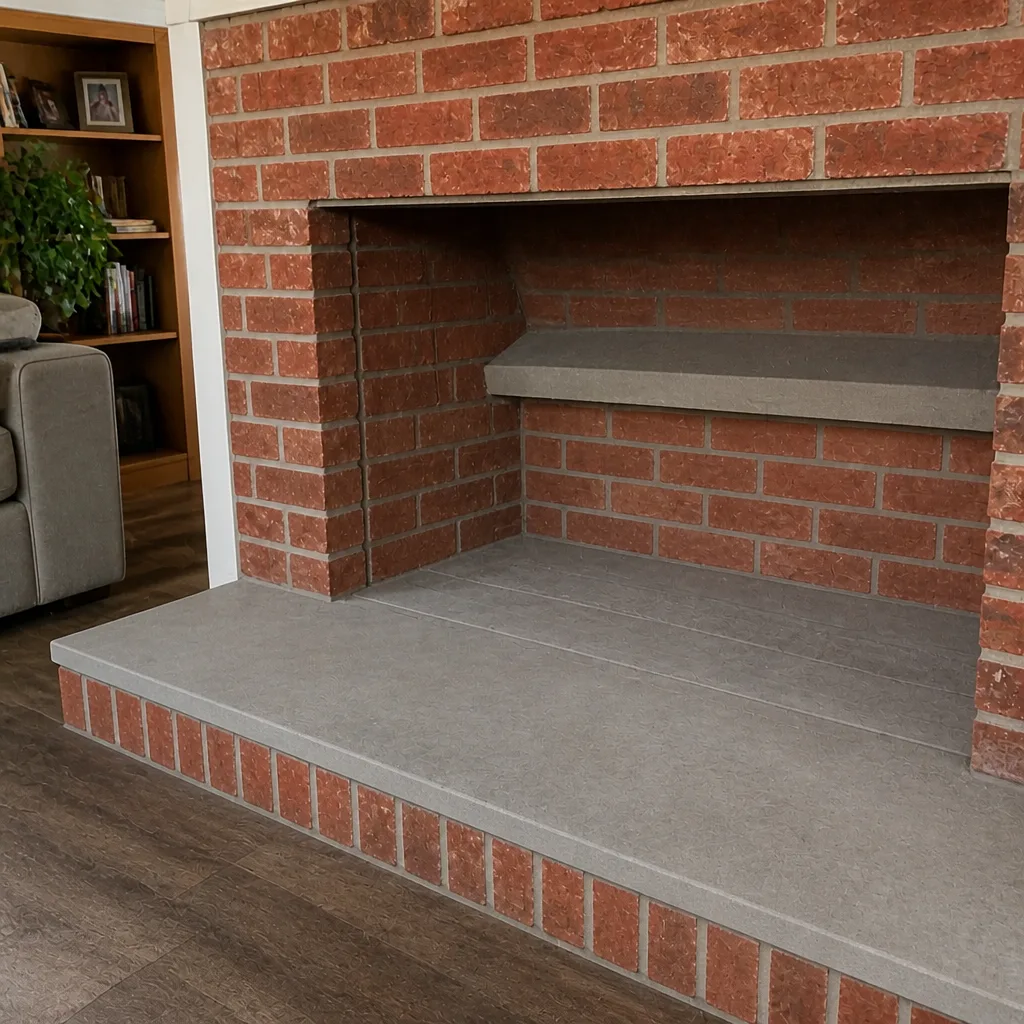
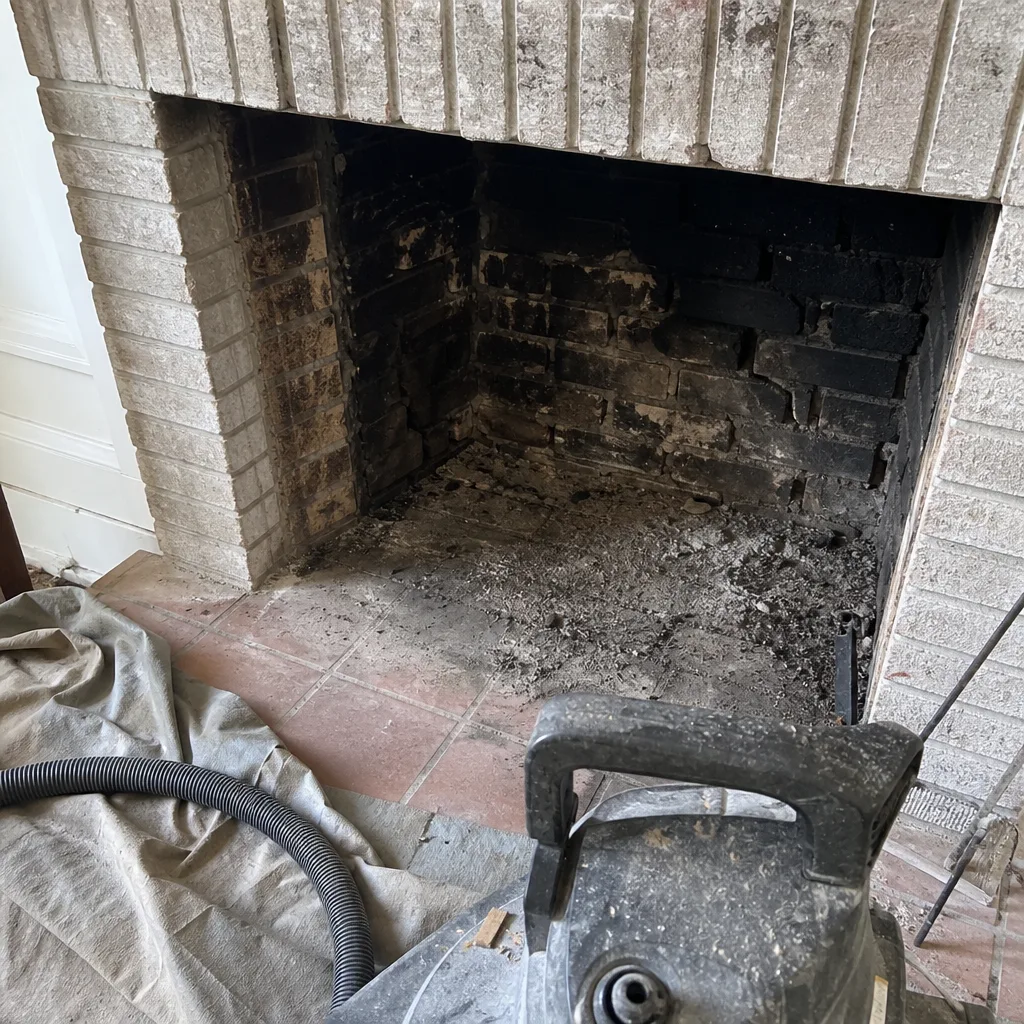
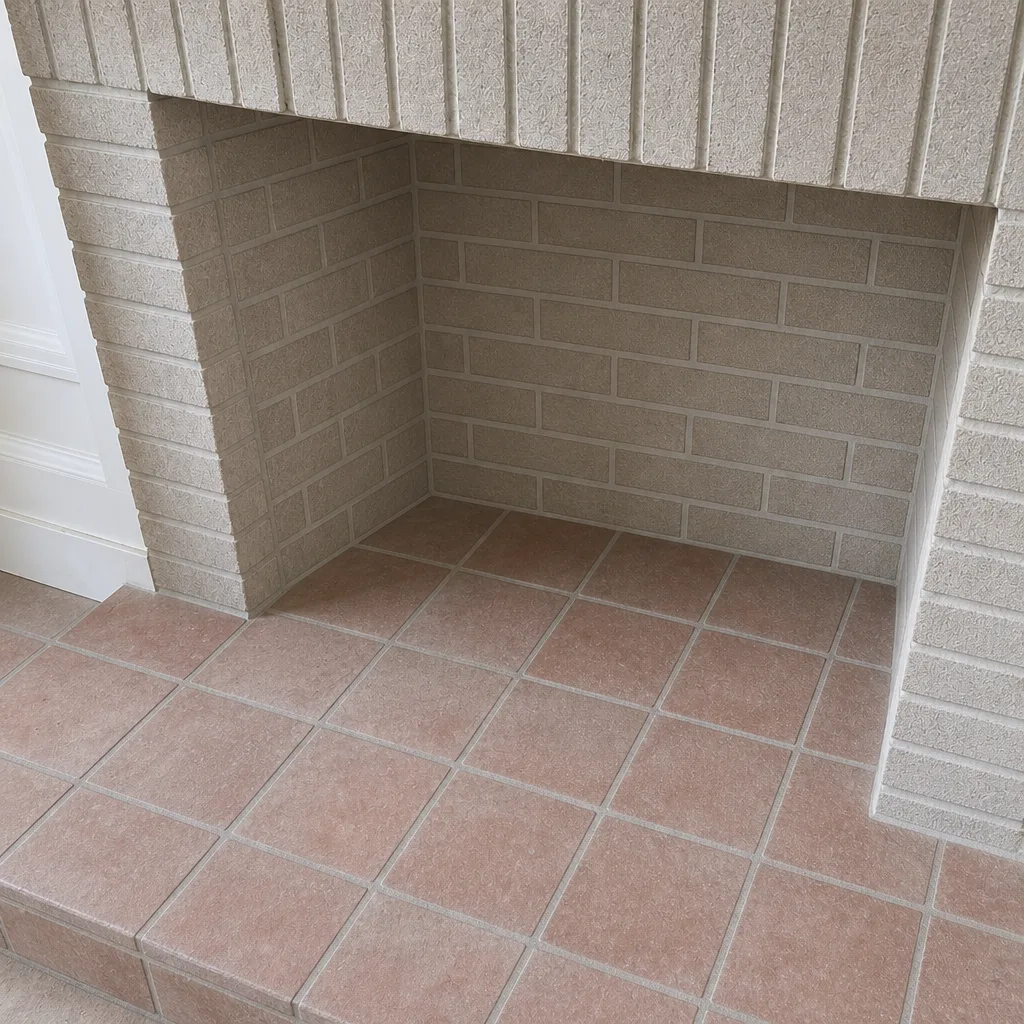
See the difference
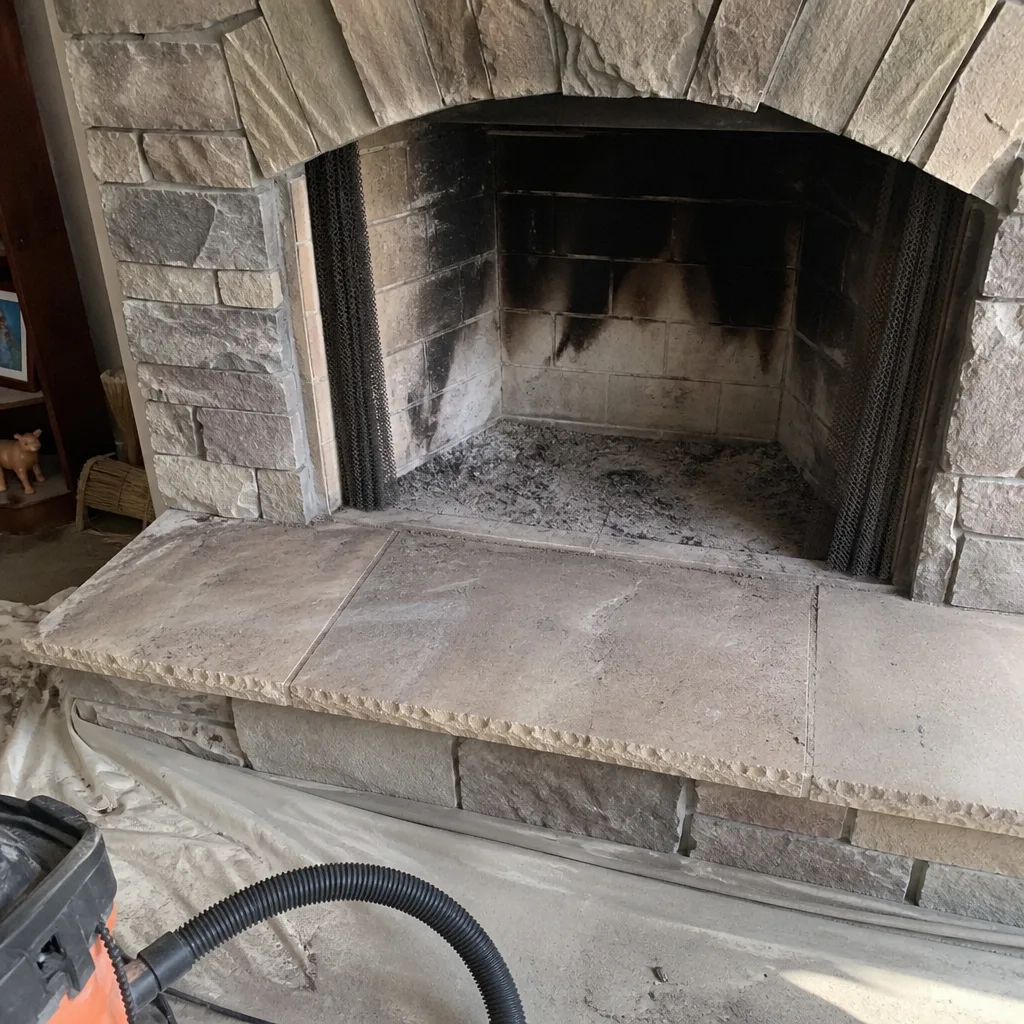 Before
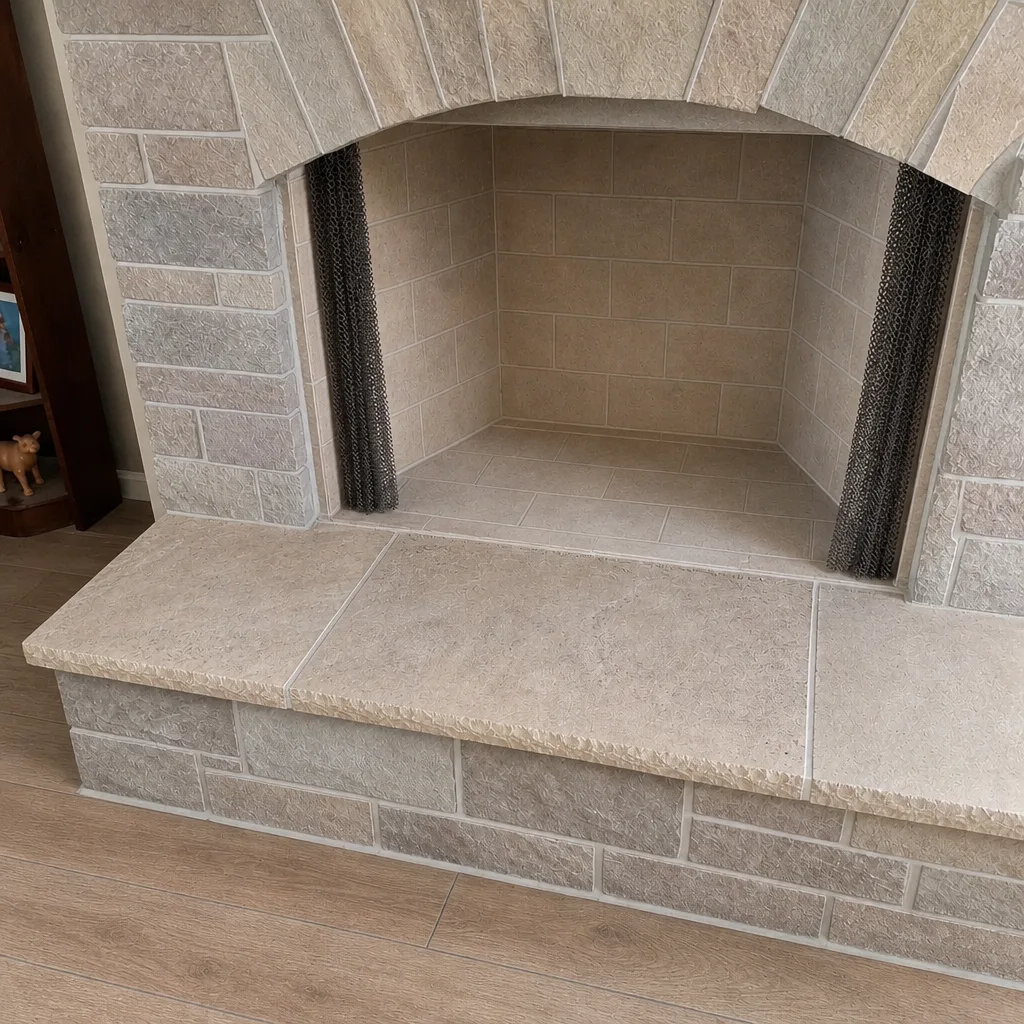 After
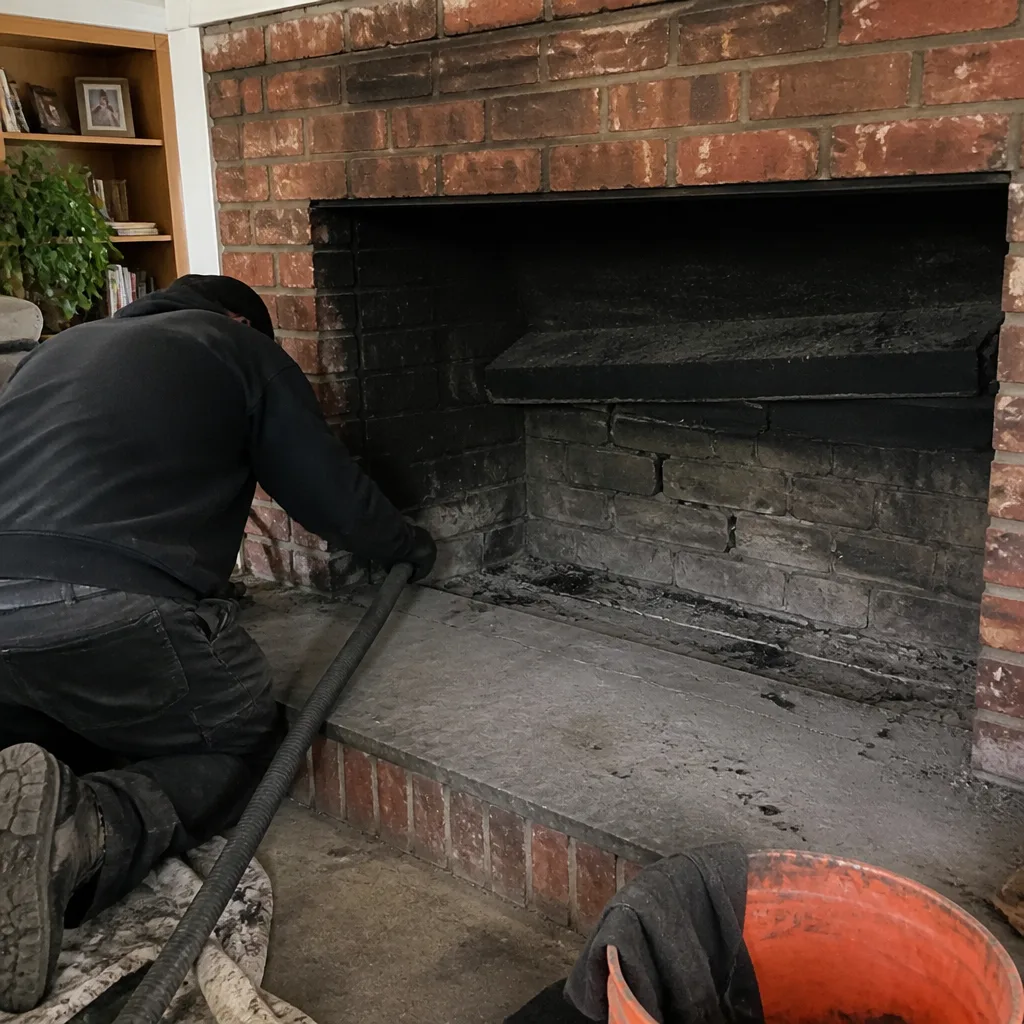 Before
 After
 Before
 After
When to Call a Professional
Some chimney work is a homeowner check, and some needs a trained hand. Call a professional when you see crumbling mortar, spalled brick, or a cracked crown after snowmelt; when your fireplace smokes into the room, especially on windy days; when you smell a strong tar-like odor or see soot falling into the firebox; when you’ve had animals or debris in the flue; or when it’s simply been a season since your last sweep and inspection. Liner work, masonry repair, and crown replacement are not do-it-yourself jobs. Our technicians have up to 10 years of experience with the full range of chimney systems, and Chimney Sweep Murphy Creek offers free estimates in Murphy Creek. Call (833) 468-5972. We answer 24/7. Fast dispatch from 7am to 7pm, Sunday through Friday.
Frequently Asked Questions
Once a year is the general baseline for a wood-burning fireplace, and in Murphy Creek the best time is fall before the first fire. If you burn frequently or notice heavy smoke and buildup signs, a mid-winter check is worth adding. Call (833) 468-5972 for an exact quote on a sweep and inspection.
Skipped maintenance lets two problems compound: creosote builds up in the flue and becomes a fire hazard, and water gets into masonry and cracks it through freeze-thaw cycles. Both are cheaper to prevent than to repair. Getting a sweep and inspection on schedule is the simplest protection. Call (833) 468-5972 to book one.
Because a fall sweep gives you a clean flue for the season ahead and an inspection with lead time to fix anything before you need the fireplace. A spring sweep clears the season’s soot but leaves you starting fresh with no verification before the next cold snap. Fall timing resets the clock when it matters most. Call (833) 468-5972 to get on the fall schedule.
You can and should do the visual checks in this guide, but a sweep and inspection require the right tools and a trained eye for the flue interior, cap, and crown. The professional visit is what actually clears the flue and confirms it’s sound. Call (833) 468-5972 for a free estimate.
Yes. A gas fireplace still has a flue, a vent, and a firebox that need periodic inspection even though the risks differ from wood-burning. Annual inspection catches venting problems, blockages, and wear before they become issues. Call (833) 468-5972 to schedule one.
Smoky, windy-day fireplaces usually point to downdraft, a cap issue, or a flue that’s not sized or set up to handle the wind. It’s rarely a fuel problem. A proper cap and draft check usually identifies the cause. Call (833) 468-5972 for a free estimate on a diagnosis.
The Bottom Line
Chimney care in Murphy Creek isn’t a fall chore, it’s a year-round rhythm. Fall is for sweeping and inspecting before the first fire. Winter is for watching your burning habits. Spring is for catching freeze-thaw damage after snowmelt. Summer is for doing repairs with room to breathe. Wind matters all year, especially for your cap and draft. The homeowners who stay ahead of this are the ones who treat the chimney as a system that needs attention in every season, not an appliance that only matters when it’s lit. Chimney Sweep Murphy Creek handles the sweep, inspection, repair, reline, and cap and crown work as one team, from the firebox to the crown. Call (833) 468-5972 for a free estimate. We answer 24/7. Fast dispatch from 7am to 7pm, Sunday through Friday.
Written by the team at Chimney Sweep Murphy Creek.