
Last updated November 23, 2026
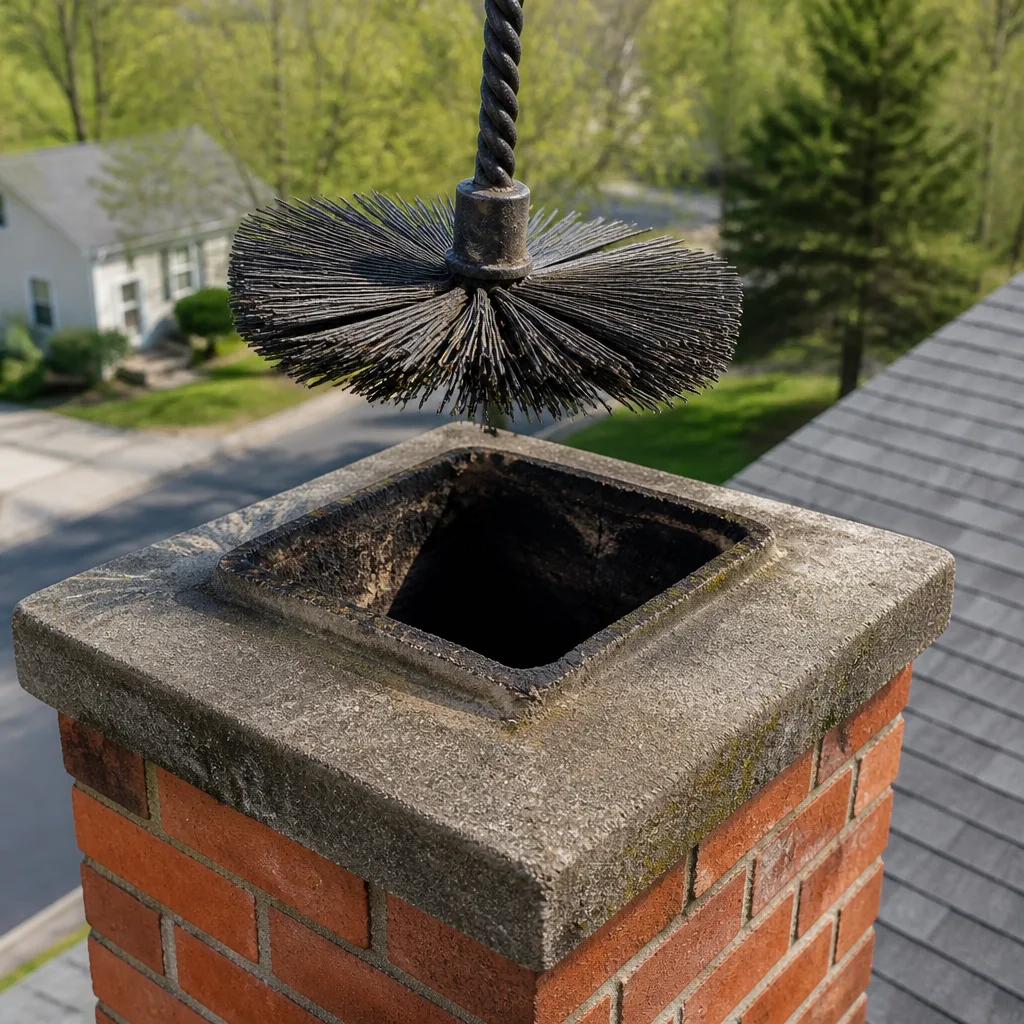 Sweep & inspection
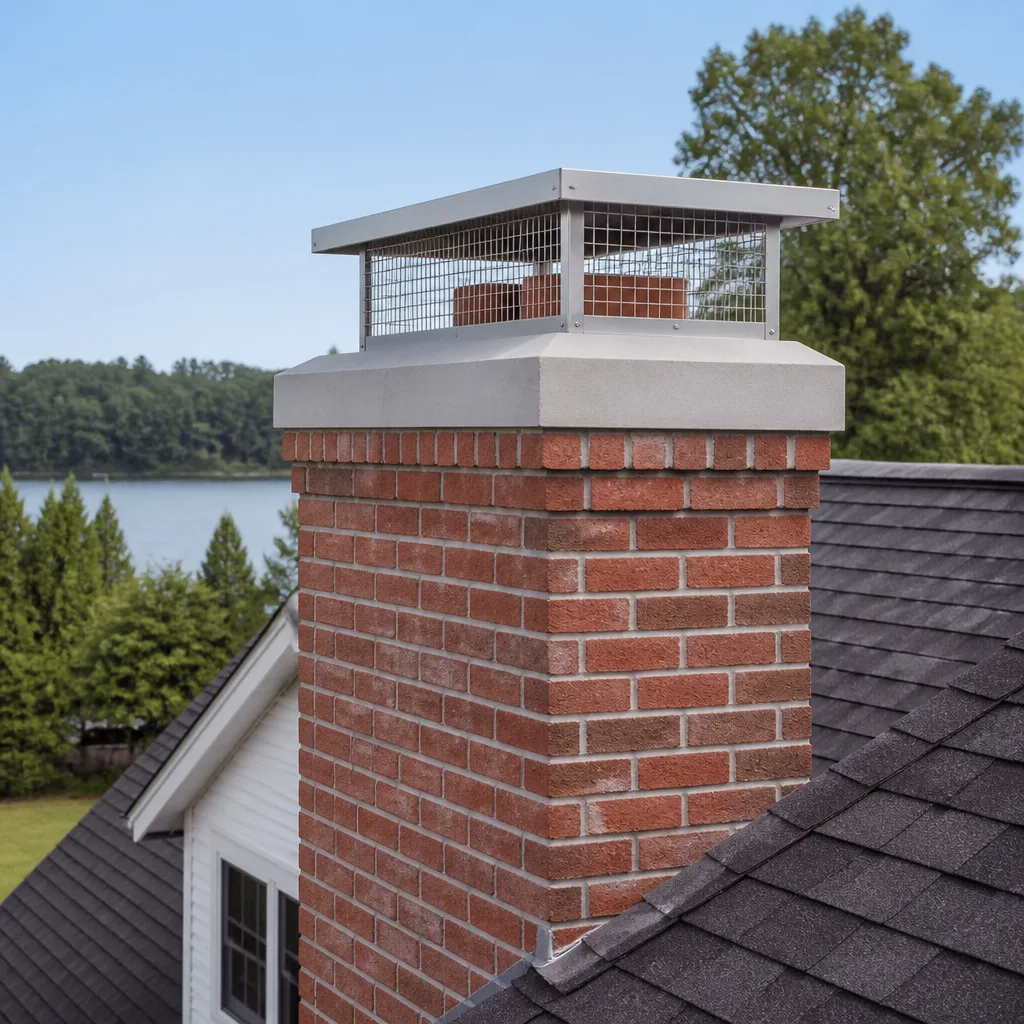 Caps & crowns
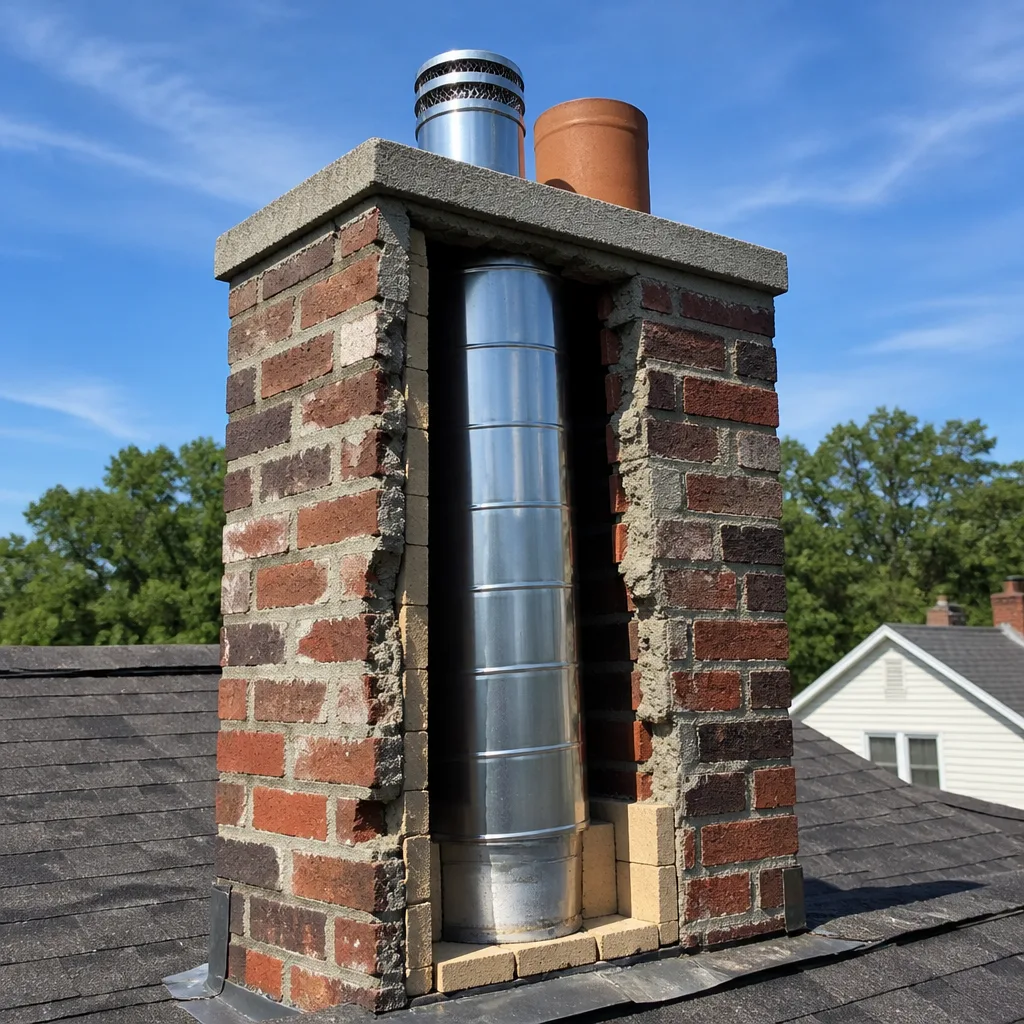 Flue relining
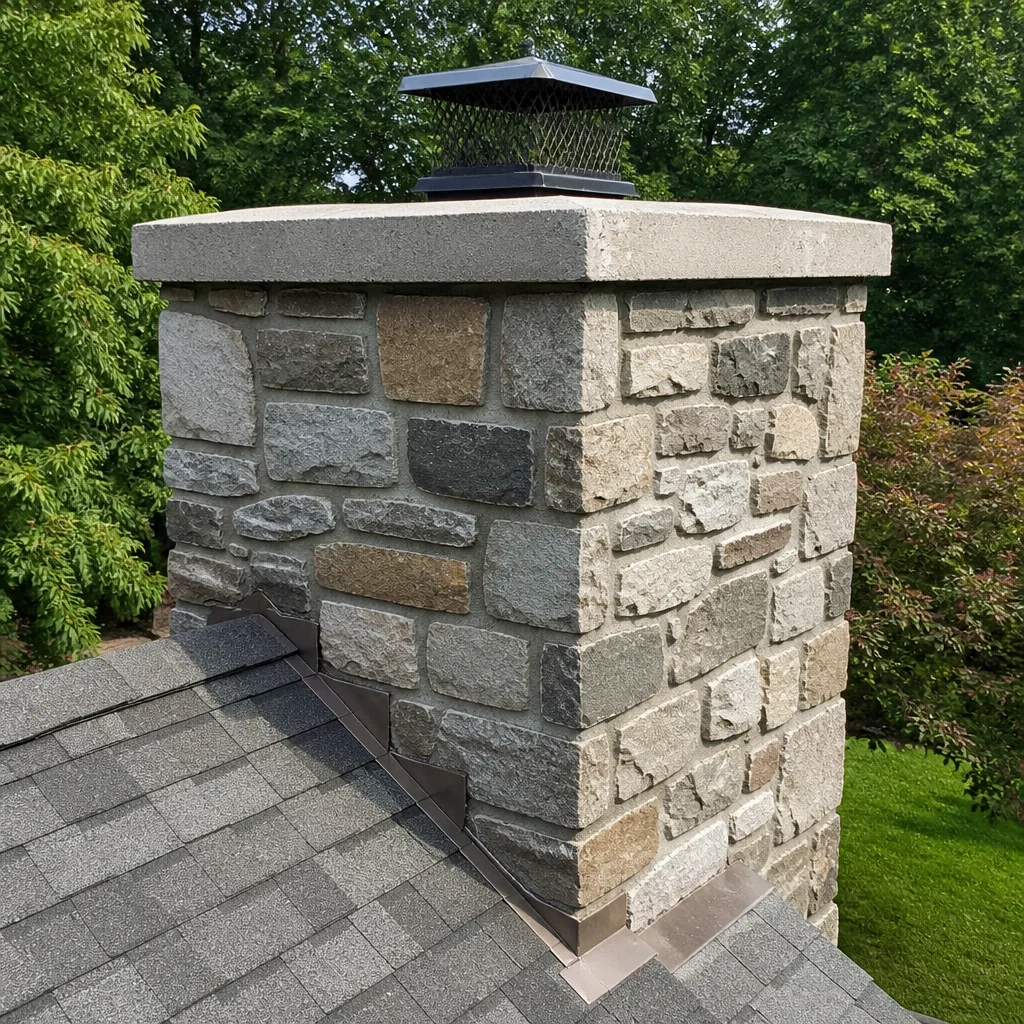 Masonry repair
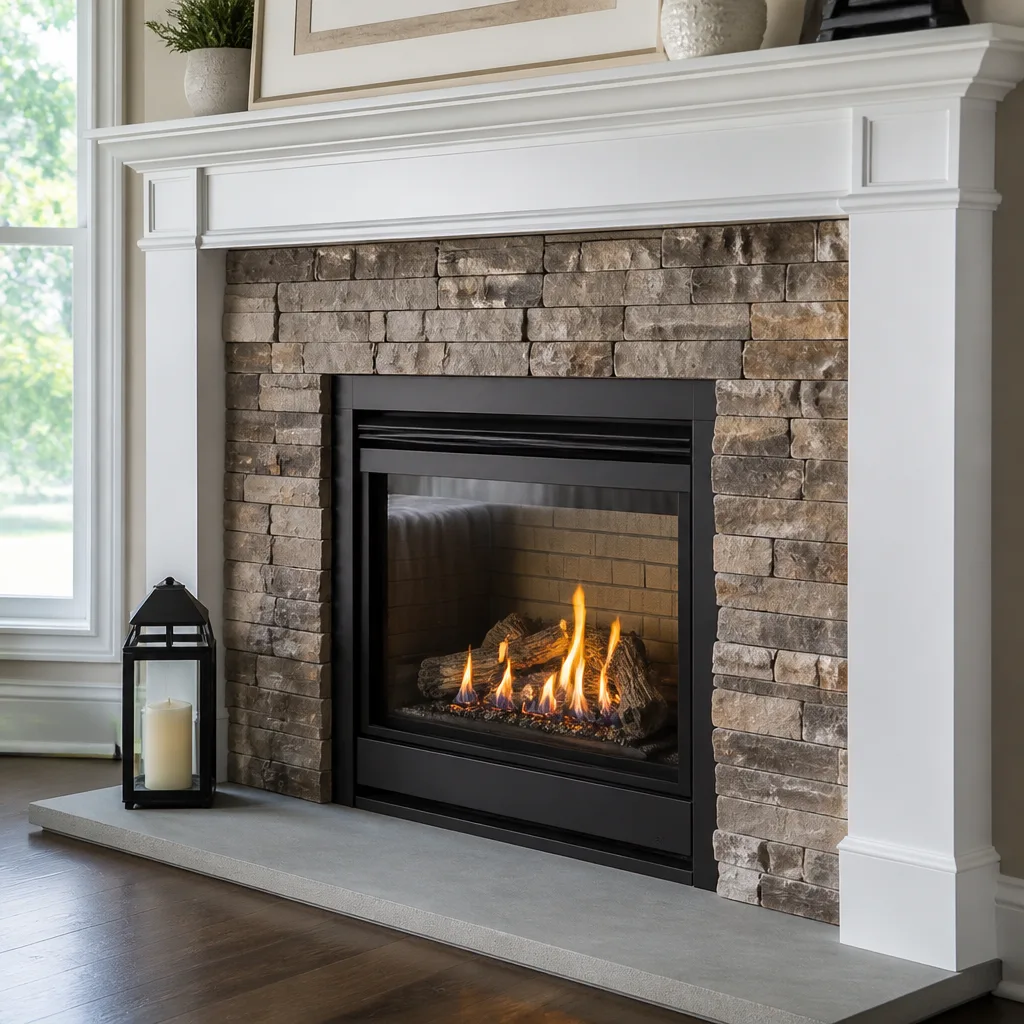 Gas fireplace service
Level 1 sweep and inspection to the NFPA 211 annual standard - flue, crown, cap, and flashing checked and photographed
Chimney sweep logs do not sweep chimneys. They loosen some creosote - which then falls where a brush and vacuum still have to collect it.
Chimney Cleaning Emergency Preparedness Guide for Murphy Creek Homes
Most Murphy Creek homeowners picture a chimney emergency as flames shooting from the top of the house. The reality is quieter and more dangerous. Carbon monoxide from a blocked or failing flue is the emergency nobody plans for, and it arrives without smoke, without smell, and without warning. A chimney fire at least announces itself. CO does not.
This guide isn’t a panic protocol. It’s a framework you set up before anything happens, so that if a cold Sunday morning in Murphy Creek turns into a chimney fire or a detector goes off, you already know what to do, in what order, and who to call. You’ll learn how to tell a chimney fire from normal combustion noise, the exact sequence of actions to take, how to prepare for the fire department’s questions, and how to document an incident so your insurance claim holds together.
Quick Answer
A chimney emergency is any event where fire escapes the firebox or combustion gases enter your living space – a chimney fire, a CO alarm tied to your flue, or sudden heavy smoke backing into the room. Your preparedness plan has three parts: a working CO detector on every level, a sweep inspection before each heating season, and a written one-page sheet with your chimney’s details, your address, and your sweep’s number ready for the fire department. If you do nothing else, get the inspection done before winter and know how to shut off your air supply to the firebox.
Styles & brands we work with
- Sweep & inspection
- Caps & crowns
- Flue relining
- Masonry repair
- Gas fireplace service
Table of Contents
- How Do You Tell a Chimney Fire From Normal Combustion?
- What Is the Correct Sequence of Actions During a Chimney Fire?
- Why Is Carbon Monoxide the Real Chimney Emergency?
- What Do You Tell the Fire Department When You Call?
- How Do You Document a Chimney Incident for Insurance?
- How Do You Build a Chimney Preparedness Plan for a Murphy Creek Home?
- How Does the Murphy Creek Climate Shape Chimney Risk?
- What Happens After the Fire Department Leaves?
How Do You Tell a Chimney Fire From Normal Combustion?
A chimney fire sounds like a low rumble or a train going by far off, and you’ll often hear a clicking or tapping inside the flue. Normal combustion sounds like soft crackling and settles down once the fire is established. That difference is the whole test.
Chimneys make noise all the time. Wood pops, the flue ticks as metal heats and expands, and a hot fire draws with a low roar that a nervous homeowner can easily misread. The trick is knowing what’s normal so that the abnormal stands out. Here’s what a chimney fire typically sounds and looks like, versus a healthy fire:
- A chimney fire produces a continuous rumbling or roaring that doesn’t fade as the fire settles, tapping or clicking from the flue, and often a dramatic amount of dense smoke from the chimney top. You may see flames or sparks at the crown, or notice a hot, almost burning-plastic smell.
- Normal combustion crackles and pops in short bursts, fades to a steady glow, and the flue gives off a gentle ticking as it warms. Smoke from the top is thin, grey, and consistent.
- A blocked flue shows up as smoke rolling back into the room, a fire that struggles to draw, and a smell of stale smoke throughout the house. It isn’t a fire, but it’s a warning that your flue is compromised.
If you’re ever uncertain, treat it as a chimney fire. Your sweep can look at a clean chimney, and they can’t undo a house fire. In Murphy Creek, where many homes run fireplaces hard through the long Front Range winter, soot and creosote build up quickly, and a third-degree creosote glaze is the fuel that turns a routine fire into a chimney fire.
A chimney fire can also smolder quietly and go out on its own, which is why some homeowners only discover it afterward, when a sweep finds cracked flue tiles or warped components. That’s one reason an annual inspection matters even if nothing seemed wrong.
What Is the Correct Sequence of Actions During a Chimney Fire?
Your first move is to get everyone out and call 911 – not to fight the fire. You don’t attempt to extinguish a chimney fire yourself. The order matters because the wrong first step (dousing a hot flue with water) can crack the chimney, and opening doors can feed the fire air.
- Get people and pets outside. Don’t stop for belongings. A chimney fire can spread into the structure through cracks or against nearby combustibles.
- Call 911 from outside. Tell them it’s a chimney fire, give your address, and say whether smoke or flames are visible from the exterior.
- If it’s safe and you’re still inside, close the firebox doors and shut the air intake. Cutting oxygen starves the fire. If you can’t reach the damper or air control safely, leave it.
- Don’t pour water down the flue. Water on a creosote fire creates a steam explosion and can crack the tiles or the liner.
- Evacuate and wait. Stay out until the fire department clears the house. Don’t re-enter to “check on it.”
A common mistake is opening the firebox door to see what’s happening. That feeds the fire fresh oxygen and can throw flames and embers into the room. Another is closing the damper, which traps heat in the flue and worsens cracking. The correct order is: people out, 911 called, air supply cut if reachable, water never.
If you have a wood insert or a gas appliance, the sequence is the same, but gas fireplaces should have the gas valve shut off if you can reach it safely on your way out. In Murphy Creek, most chimney fires we’re called out to inspect after the fact happened because creosote was never swept that season – not because anything dramatic was done wrong in the moment.
Why Is Carbon Monoxide the Real Chimney Emergency?
Carbon monoxide from a chimney is dangerous because it’s invisible, odorless, and colorless, and it comes from the same blocked or cracked flue that also handles your smoke. A furnace CO risk usually starts at the appliance; a chimney CO risk starts with poor draft, a blocked flue, a cracked liner, or a negative-pressure problem in the house.
Here’s the difference that catches homeowners off guard. A furnace vents through its own flue, and when it fails you often get a detector alert during heating season. A wood-burning chimney can vent CO any time draft reverses – during a cold start, when a downdraft overwhelms the flue, or when a cracked flue tile lets combustion gases seep into the wall cavity instead of up and out. Many homes in Murphy Creek are newer construction with tight envelopes, and tight houses are more prone to negative pressure that pushes flue gases back inside.
Your defenses are cheap and quick to install:
- CO detectors on every level of the home and outside each sleeping area. Follow the manufacturer’s mounting instructions; don’t mount one directly above a fireplace, where normal startup smoke can cause false alarms.
- A functioning draft check before every heating season. Your sweep can confirm the flue draws correctly with a simple test.
- A visual crack check on the flue liner. Cracked or spalled tiles are the top cause of chimney-related CO leaks we find during inspections. HeatShield ceramic flue restoration is one way to seal a deteriorating liner without full replacement when the damage is still moderate.
If a CO detector goes off and you have a fire burning, treat it as a real event: open windows, get everyone outside, shut off the appliance, and call 911. Don’t assume it’s a false alarm because you feel fine. CO symptoms – headache, dizziness, nausea, confusion – often feel like a mild flu, and they’re easy to dismiss. This is why the detector, not your body, has to do the warning.
What Do You Tell the Fire Department When You Call?
Give them your full address, say “chimney fire,” and state whether smoke or flames are visible from outside. They’ll ask how many people are inside, whether anyone is injured, and what’s burning. Keep it simple and answer in that order – they’ll guide you through the rest.
The information that makes the biggest difference to responding crews is stuff you’d never think to mention under stress, which is why a written sheet is worth keeping. Here’s what a fire crew will want to know about your chimney system:
- Type of appliance: wood-burning fireplace, wood insert, gas fireplace, or pellet stove.
- Whether the chimney is masonry or prefabricated metal. This changes how they handle the vent.
- Whether the flue has been swept this season and when. Recent sweeping reduces the creosote load on a hot flue.
- If you have a gas appliance: where the shutoff valve is.
- Whether anyone in the home has mobility, respiratory, or other needs that slow evacuation.
A one-page sheet on the fridge with this information plus your sweep’s phone number turns a stressful call into a two-minute conversation. It also gives the fire department what they need to decide whether they’re looking at a contained flue fire or an active structure fire.
After the fire department clears the scene, they’ll usually advise you to have the chimney inspected before using it again. That’s the moment to call a specialist – a chimney that’s been through a fire needs a full inspection from the firebox to the crown, not a quick look from the ground. That’s part of why we offer chimney inspection as a standalone service: diagnosis comes before any repair conversation.
How Do You Document a Chimney Incident for Insurance?
Photograph everything before anyone cleans, repairs, or removes anything – the chimney exterior, the firebox, the flue (if safely visible), the room, and any damaged contents. Your insurance claim depends on the record you create in the first 24 hours.
Insurance adjusters work from evidence. Vague reports of “a chimney fire” with no photos, no incident narrative, and no sweep report are the reasons claims get denied or reduced. A restoration contractor will also work better with a clear record of what happened and what’s damaged. Here’s the documentation checklist to assemble:
- Photos and video of the chimney top, the firebox, any cracking or soot staining, and any contents damaged by smoke or water.
- The fire department report number and the name of the responding station.
- A written timeline: when you noticed the fire, when you called 911, when crews arrived, and when they cleared the scene.
- A sweep’s inspection report after the fire, documenting damage to the flue, liner, crown, and cap. A camera inspection with photos is the gold standard here.
- Receipts for anything you spend on temporary repairs, boarding, or emergency cleaning.
Keep a running folder – physical or digital – with your annual sweep reports in it. When a claim happens, your history of maintenance is evidence you’ve cared for the chimney, which matters to adjusters. If a cracked flue tile is found, a report from an inspector documenting the damage in writing, with photos, gives your insurer something concrete to assess. That’s why every inspection we perform includes a photo report – the same documentation serves your safety and your claim.
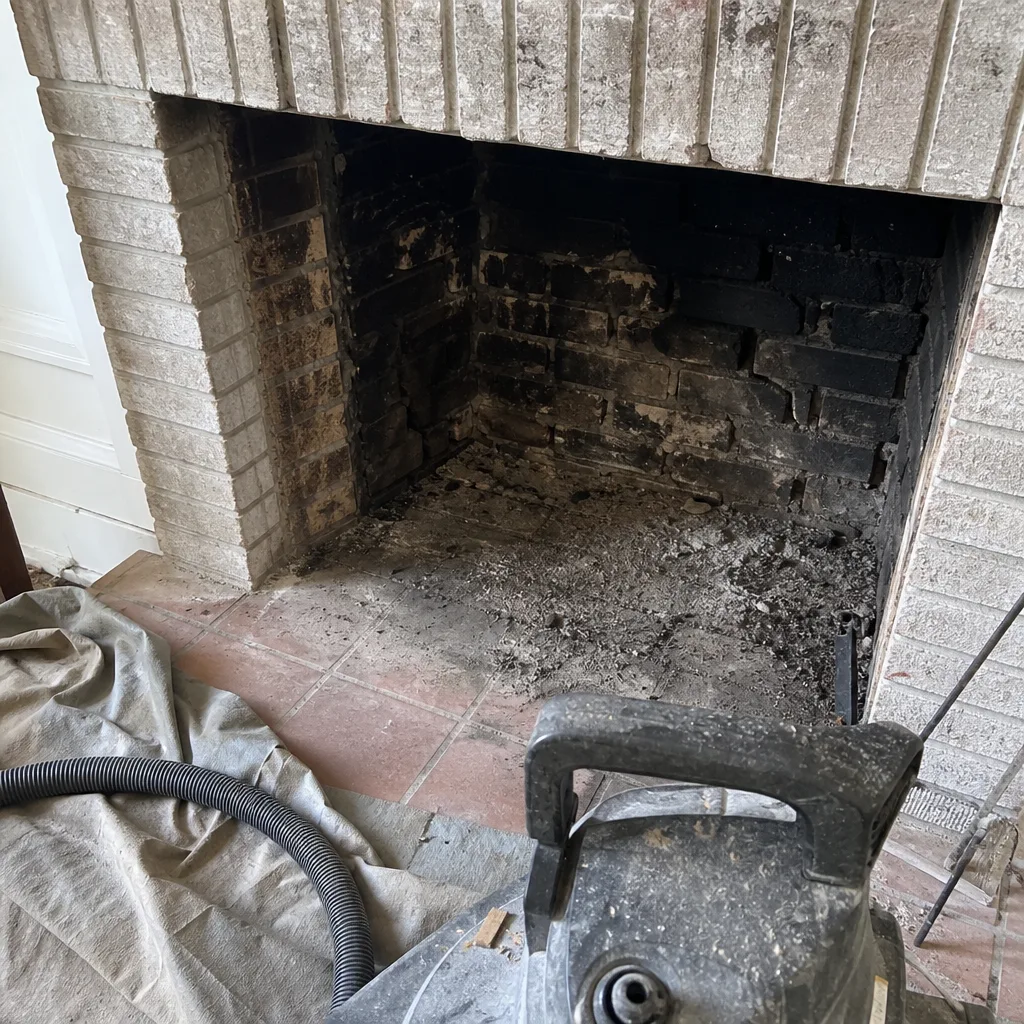
Don’t clean up the evidence before the adjuster or your inspector sees it. Vacuuming soot off a damaged firebox can erase the very thing that proves the damage source.
How Do You Build a Chimney Preparedness Plan for a Murphy Creek Home?
A good preparedness plan fits on one page and can be assembled in an afternoon. It has three parts: detection, information, and the inspection that makes both worth something.
Here’s a numbered sequence you can work through this week:
- Test every CO detector in the house. Replace batteries, and confirm you have one on every level and near each sleeping area. If you don’t have one in the room where the fireplace is, install one. This is the single highest-value thing you can do.
- Write your chimney information sheet. Appliance type, masonry or metal, last sweep date, gas shutoff location, and your sweep’s number. Tape it inside a kitchen cabinet or on the fridge.
- Book a pre-season inspection. Late summer or early fall in Murphy Creek is the right window. A sweep can flag creosote buildup and cracked tiles before the first cold snap, when everyone in the metro area is booking at once.
- Learn your air controls. Know where the firebox door handle, the damper, and the air intake are, and practice closing them once with a cold firebox so you aren’t fumbling in the dark.
- Keep a fire extinguisher rated for wood fires near the hearth and know how to use it.
The plan works best when the inspection comes first, because the inspection is what tells you whether your current setup is safe. Creosote buildup, a cracked flue tile, a missing cap, or a crown that’s letting water into the masonry are all common findings in Murphy Creek homes, and any one of them raises your emergency risk. A cap keeps rain, snow, and animals out of the flue, and a sound crown keeps water from working its way into the chimney structure – both are cheap insurance compared with a post-fire repair. The chimney cap & crown work we do is often the fastest way to close off the vulnerabilities an inspection finds.
The core insight of preparedness is that you can’t build a plan during the emergency. You build it now, on a calm afternoon, when the phone conversation with a sweep isn’t competing with a siren.
How Does the Murphy Creek Climate Shape Chimney Risk?
Murphy Creek’s cold winters and long heating season mean fireplaces and wood inserts run more hours per year than in milder climates, so creosote builds faster and inspections are more important, not less.
The Front Range climate creates a specific set of chimney stresses that a homeowner in a warm, humid climate simply doesn’t face. Cold, dry air means the fires burn hotter and draft is stronger, which can accelerate creosote formation when a fire is smoldered overnight or burned with green wood. Rapid temperature swings – warm afternoon, freezing night – are tough on masonry, causing the freeze-thaw cycle that cracks crowns, spalls brick faces, and opens the joints where water gets in. Spring and summer storms drop hail and wind that can damage a cap or knock it loose, leaving the flue open to the weather and to birds.
In our experience across Murphy Creek, the homes we’re called to inspect after a problem usually trace back to one of three things: a crown that cracked over one winter and was never noticed, a cap that came off in a windstorm, or a flue liner that deteriorated quietly through several seasons without an inspection. None of those are dramatic failures. They’re slow ones. And slow failures are exactly the ones a pre-season look catches in time.
Neighborhoods around Murphy Creek, including homes near the golf course and the surrounding newer builds, tend to have tight envelopes and modern HVAC systems that can affect draft. When the furnace or a kitchen exhaust fan runs, it can pull negative pressure on the house and challenge the chimney’s draw. That’s a good reason to have your sweep check draft, not just creosote, during an inspection. It’s the kind of detail a generalist handyman won’t test, and it’s the reason we use purpose-built equipment and products like DuraFlex liner systems and Olympia Chimney components when a venting issue needs to be corrected.
What Happens After the Fire Department Leaves?
Your next call is to a chimney specialist for a full inspection before you light another fire. A chimney that’s just been through a fire is a changed structure: tiles crack, liners warp, mortar joints loosen, and a crown can lift. The fire department handles the fire; the inspection handles everything the fire left behind.
What a post-incident inspection covers depends on what happened, but here’s the typical sequence:
- Visual inspection of the exterior – crown, cap, brickwork, flashing.
- Interior flue inspection with a camera – to see the full length of the liner for cracks, gaps, and warping, and to photograph the damage in a report you can hand to an adjuster.
- Firebox and damper check – for cracking in the firebox itself and for a damper that still seats correctly.
- Draft test – to confirm the flue still draws as it should after the stress of the fire.
Depending on what the inspection finds, repair options range from a modest fix to a larger one. A cracked flue liner can often be restored with HeatShield ceramic flue restoration if the damage is moderate, which avoids full liner replacement; when the liner is beyond repair, a full reline with a DuraFlex system brings the chimney back to safe service. In both cases the decision should follow the evidence, in writing, with photos you can see for yourself. That’s the standard we work to: nothing gets recommended without the camera showing you why.
Once repairs are done, restart with a clean flue, a tested CO detector, and an updated preparedness sheet. Then mark your calendar for the next pre-season inspection so the cycle doesn’t repeat.
Common Mistakes to Avoid
- Assuming a chimney fire has to be visible. Smoldering chimney fires can burn quietly and go out on their own, and the damage – cracked tiles, warped components – only shows up at the next inspection. If you heard something odd during a fire, mention it to your sweep.
- Pouring water down a hot flue. This is the fastest way to crack a clay liner or masonry chimney. Let the fire department handle the fire and let the chimney cool before anyone touches it.
- Relying on the smoke alarm alone. Smoke alarms don’t detect carbon monoxide, and CO is the chimney emergency that arrives without warning. You need dedicated CO detectors on every level.
- Skipping the inspection because the chimney “drew fine.” A flue that draws well can still have a hairline crack in its liner letting combustion gases into the wall cavity. Draft and integrity are separate questions, and only an inspection answers the second.
- Cleaning up before documenting. In Murphy Creek, where many homeowners are insurance-savvy, the most common documentation mistake is vacuuming the evidence before photos are taken. Take the pictures first.
- Burning green or unseasoned wood to stretch a woodpile. Wet wood burns cooler, smolders more, and lays down creosote faster. It’s the most common preventable cause of elevated creosote we see.
- Ignoring the crown and cap through the winter. A cracked crown or a missing cap after a windstorm is easy to miss from the ground. Have the top of the chimney looked at during your pre-season inspection, not after damage has had a season to work in.
See the difference
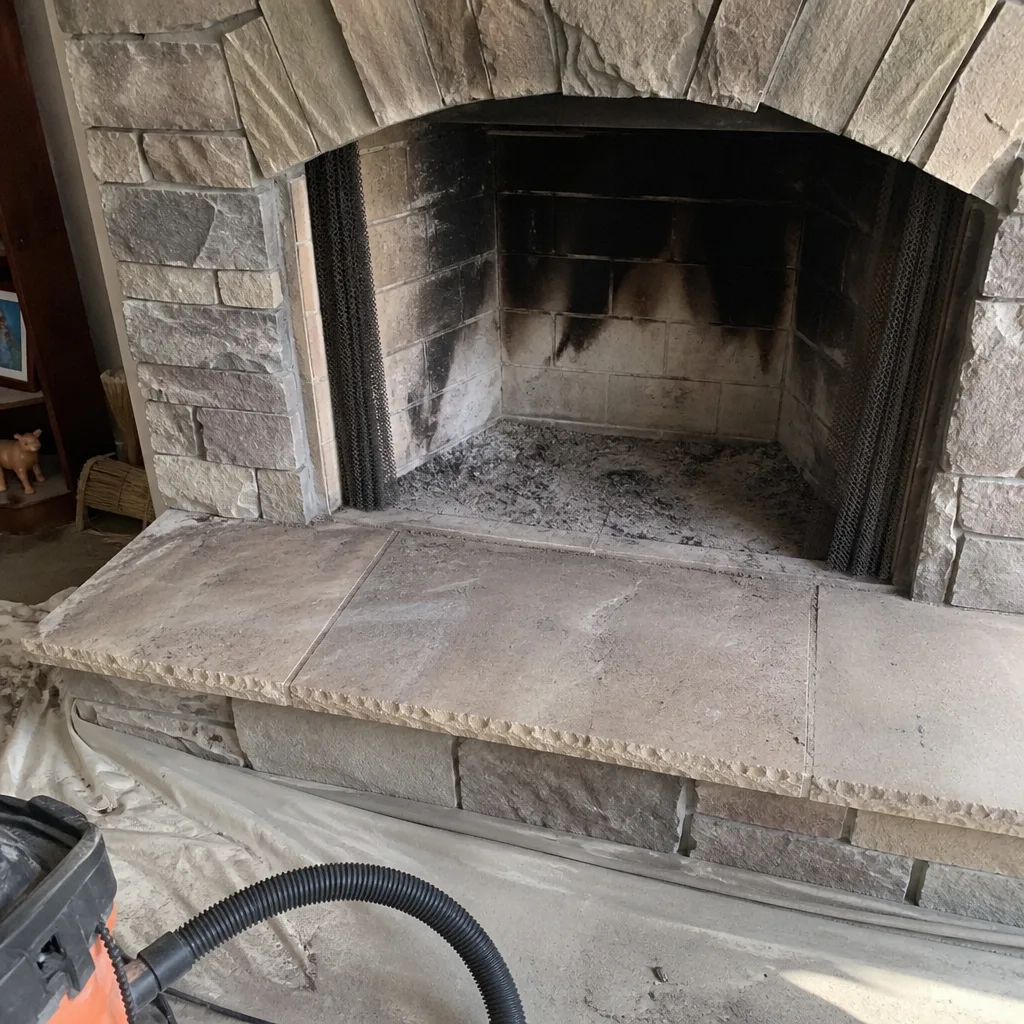 Before
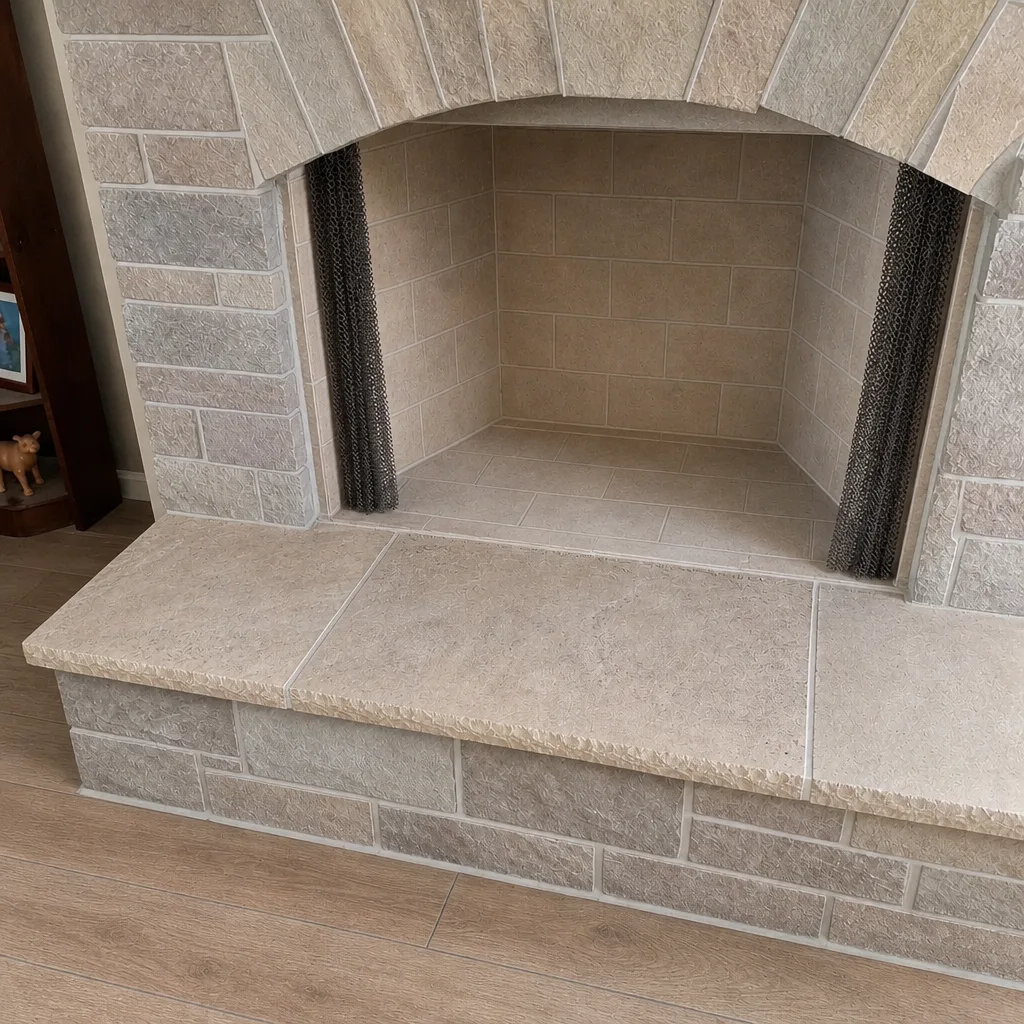 After
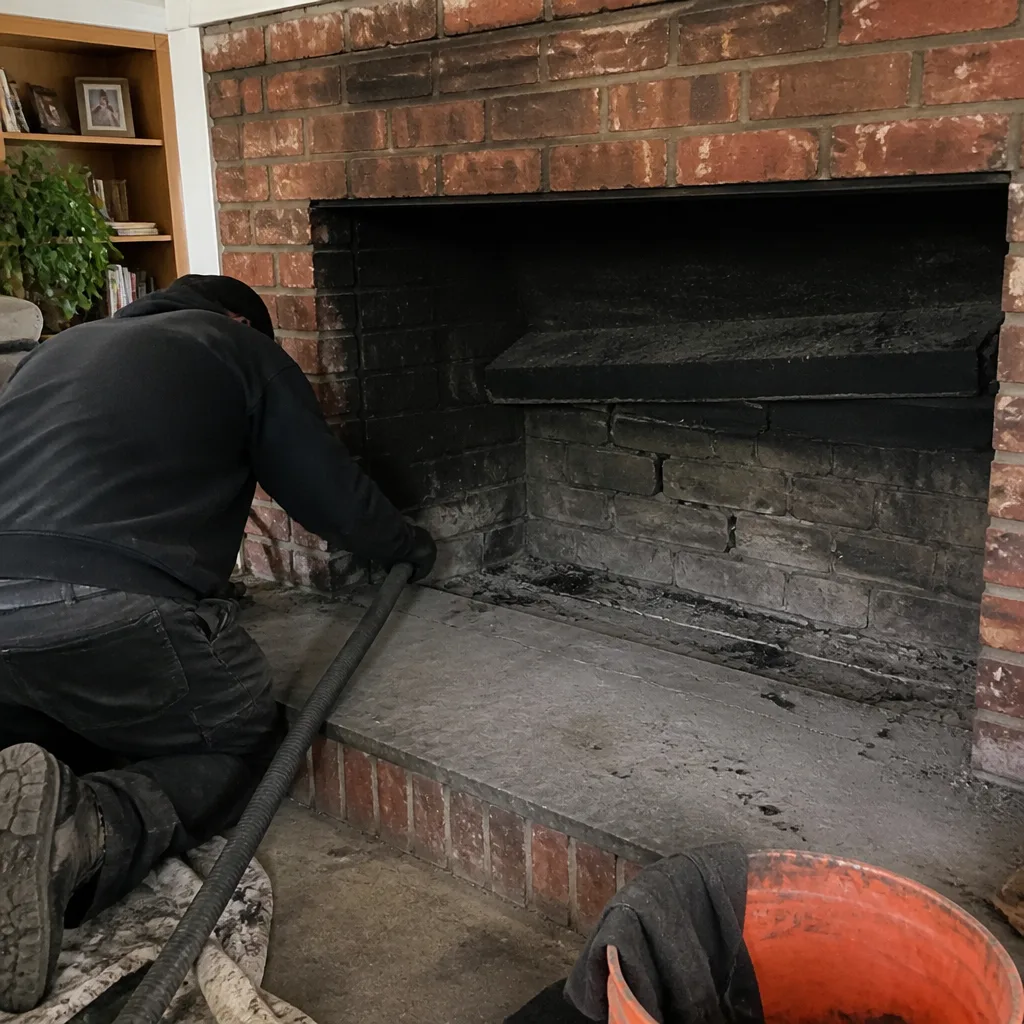 Before
 After
 Before
 After
When to Call a Professional
Call a chimney specialist after any suspected chimney fire, after any CO detector activation tied to a wood or gas appliance, and before you light the first fire of a new season. Call if smoke rolls back into the room when you open the firebox, if you smell a strong drafty smoke odor on cold evenings, or if you’ve never had the chimney inspected since moving into the home. Call if the crown is cracked, the cap is missing, or the masonry looks stained or crumbling from the ground.
These aren’t emergency-only situations; a good sweep can look at any of them on a scheduled visit, and booking the inspection early in the season is better than waiting for a problem to force the call. A monthly sweep is not the standard – an annual sweep paired with an inspection is what most chimney professionals, including us, recommend.
And if you’re not sure whether something is a chimney problem at all, that’s exactly the right time to call and have it looked at. Chimney Sweep Murphy Creek offers free estimates in Murphy Creek – call (833) 468-5972. From the firebox to the crown, one call covers the inspection, the diagnosis, and whatever repair comes next.
Frequently Asked Questions
Get everyone out and call 911 – that’s the first action, before you check the firebox or look up the flue. Once you’re outside, close the firebox doors and air intake only if you can do it safely on the way out. Never pour water down the flue, and never open the firebox door to look, because fresh oxygen feeds the fire.
Once a year for most wood-burning homes, and more often if you burn frequently or use the fireplace as a primary heat source. The cold Front Range winters here mean longer burning seasons than in milder climates, which builds creosote faster. Pair the annual sweep with an inspection so you catch liner damage and crown cracks at the same visit.
Yes – a blocked or cracked flue can release CO into the home without any smoke, and a smoke alarm won’t detect it. Install CO detectors on every level and outside each sleeping area, and test them monthly. If one goes off while a fire is burning, treat it as a real event, get everyone outside, and call 911.
It can, and that’s the tricky part. A low-fuel chimney fire can burn itself out, and the only sign later is damage found at the next inspection – cracked flue tiles, warped components, a glazed creosote crust. If you heard a rumble, tapping, or a roar you didn’t recognize during a fire, tell your sweep so they can inspect for damage.
A healthy fire crackles and pops in short bursts and fades to a steady glow, and the metal flue ticks gently as it heats. A chimney fire produces a continuous rumble or roar that doesn’t fade, tapping or clicking from the flue, and often heavy smoke from the chimney top. If you can’t tell the difference, treat it as a fire.
Keep a one-page sheet with your address, appliance type (wood, gas, or insert), whether the chimney is masonry or metal, when it was last swept, where the gas shutoff is, and your sweep’s phone number. Write it now, on a calm day. During an emergency, that sheet turns a panicked call into a two-minute conversation that gives crews what they need.
The Bottom Line
Chimney emergency preparedness comes down to three things: detection you can trust, information ready before you need it, and an inspection that catches slow failures in time. The quiet emergency is carbon monoxide, and the alarm that catches it is a CO detector on every level. The dramatic emergency is a chimney fire, and the response is people out first, 911 second, air cut third, water never. Between those two, the thing that lowers your risk the most is a pre-season inspection from a specialist who checks the flue, not just the soot. If you’re in Murphy Creek, book that inspection now, while the calendar is calm and the phone isn’t competing with a siren. Call (833) 468-5972 for a free estimate – we answer 24/7, with fast dispatch from 7am to 7pm, Sunday through Friday. Our technicians have up to 10 years of experience, and we work from the firebox to the crown with recognized materials like DuraFlex and HeatShield, so one company handles the sweep, the inspection, the repair, and the documentation you may need later.
Written by the team at Chimney Sweep Murphy Creek.