
Last updated November 23, 2026
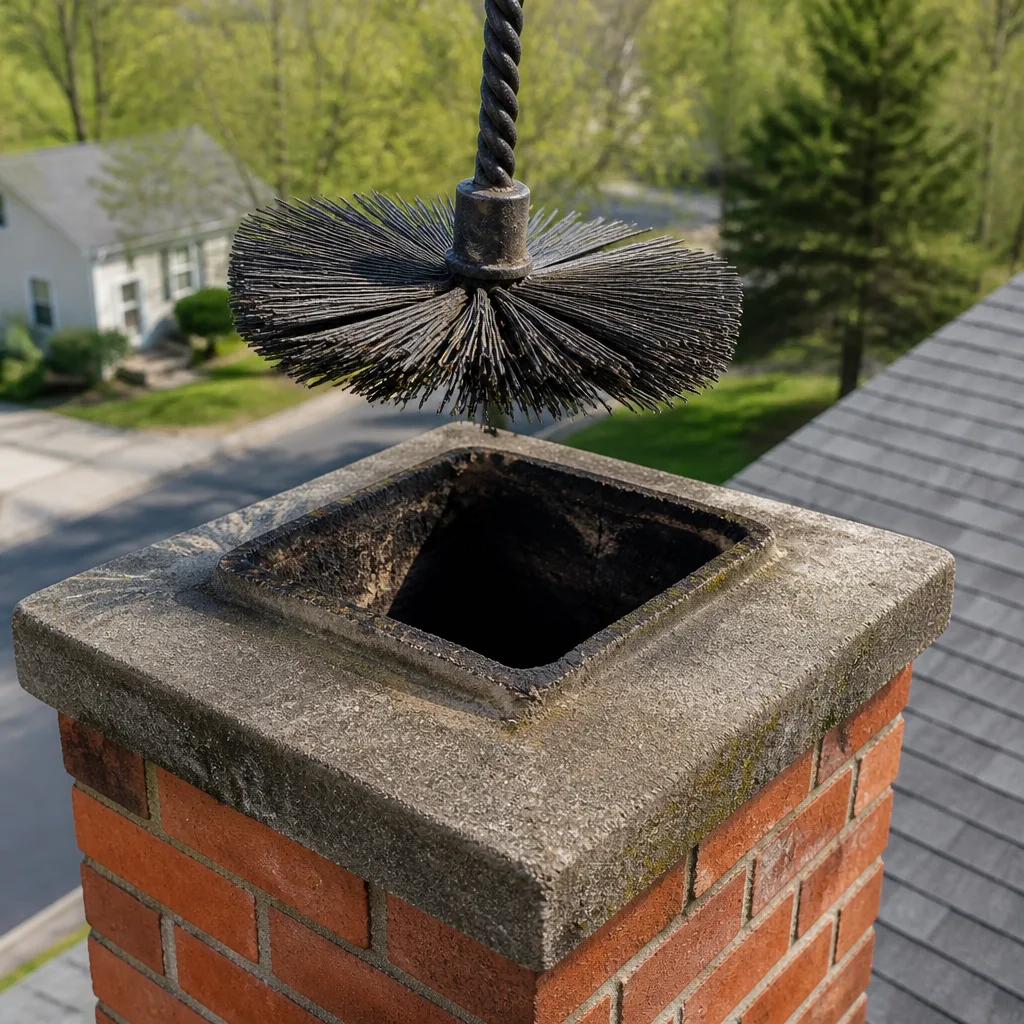 Sweep & inspection
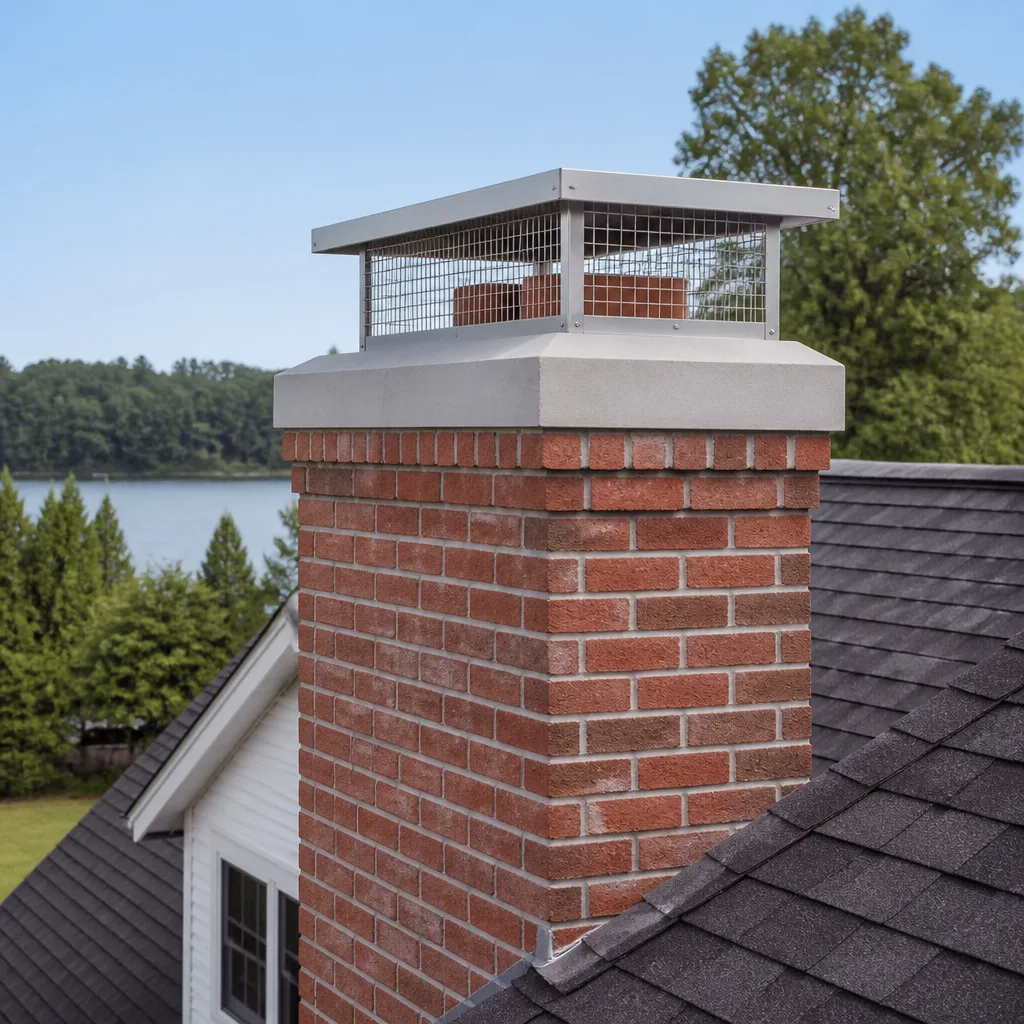 Caps & crowns
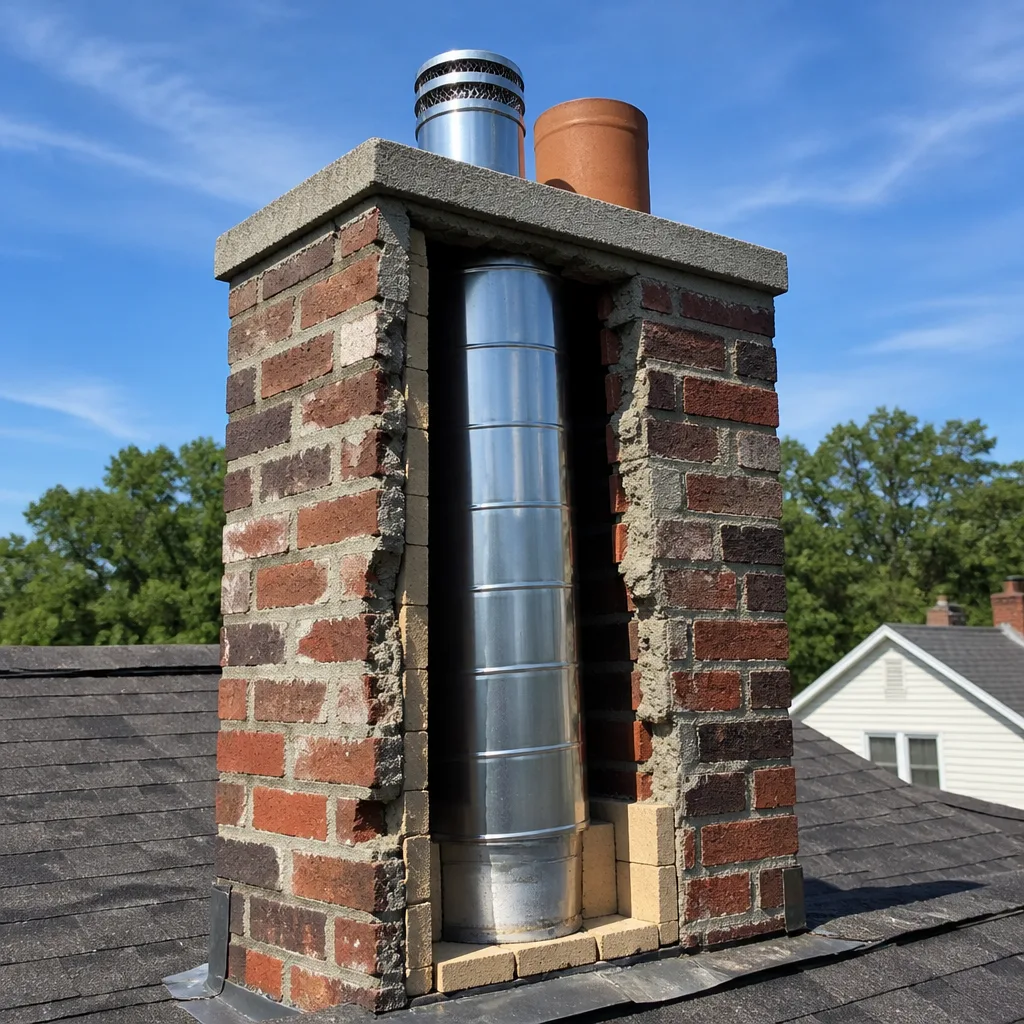 Flue relining
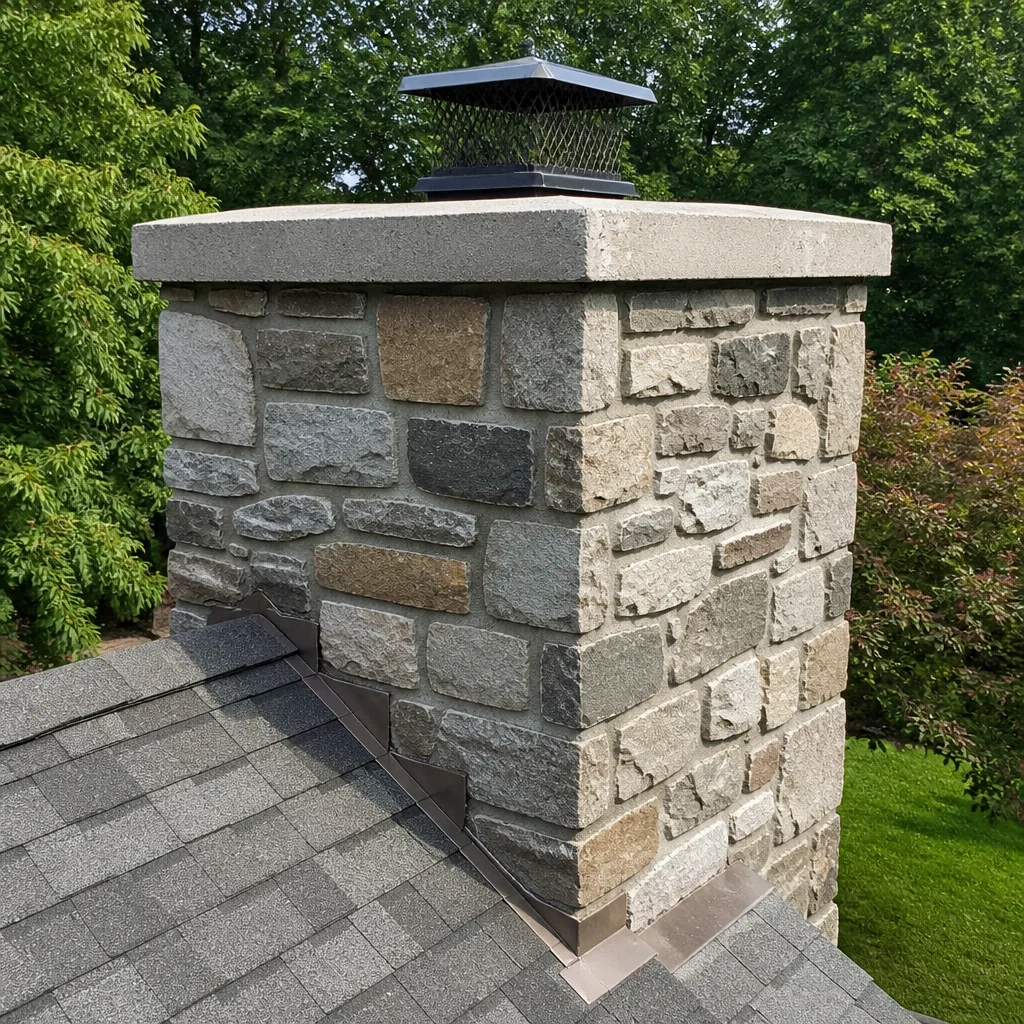 Masonry repair
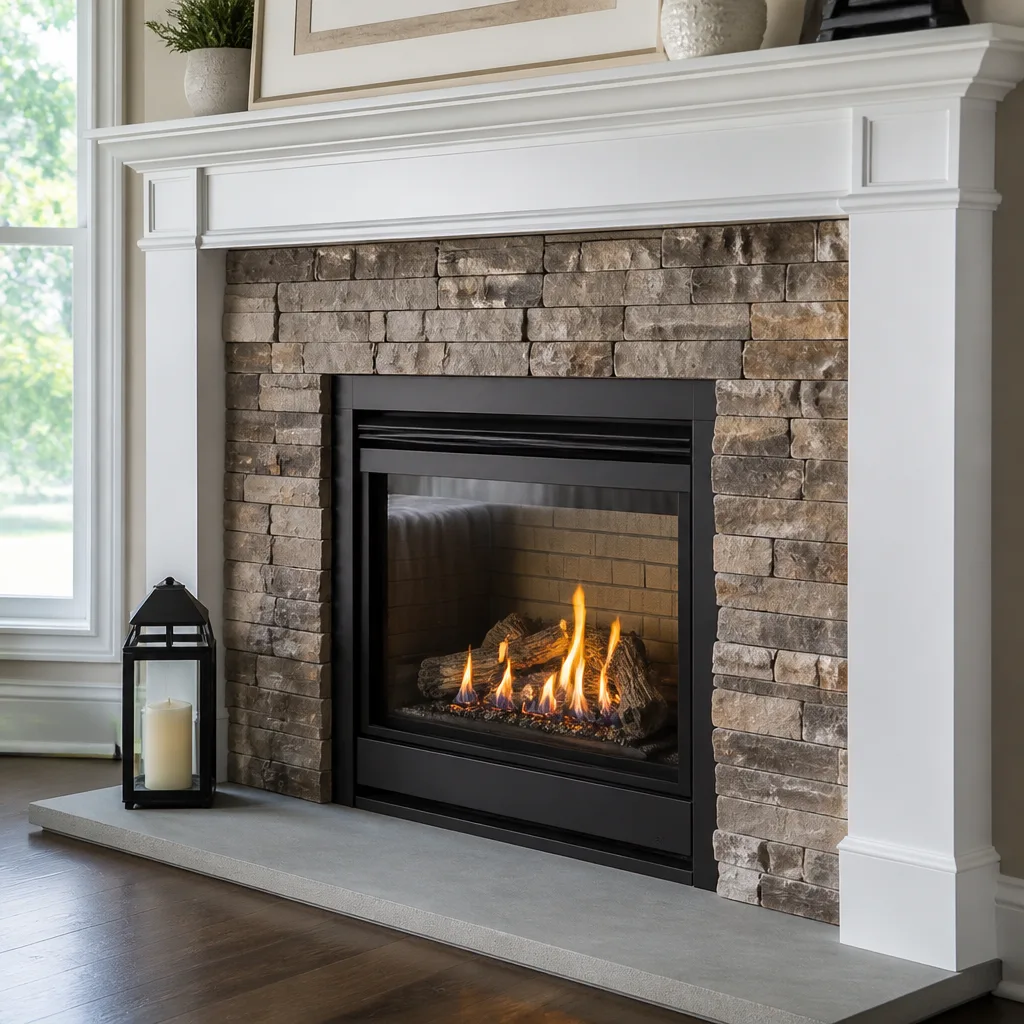 Gas fireplace service
Level 1 sweep and inspection to the NFPA 211 annual standard - flue, crown, cap, and flashing checked and photographed
Chimney sweep logs do not sweep chimneys. They loosen some creosote - which then falls where a brush and vacuum still have to collect it.
Chimney Cleaning Permits, Codes & Inspections in Murphy Creek, CO: What You Need to Know
A stainless steel liner installation is one of the most common chimney upgrades in Murphy Creek – and one of the most commonly done without the permit that Colorado and Douglas County rules actually require for it. Most homeowners assume the sweep who cleans the flue can also reline it with nothing more than a handshake. The reality splits cleanly in two: routine cleaning and inspection are service work with no permit attached, while liner installation, firebox rebuilding, and any structural change to the chimney cross into permitted construction. This guide draws that line clearly for Murphy Creek homeowners, walks through the codes that govern the work, and shows you how to confirm the permit that protects your home at resale.
Quick Answer
Routine chimney sweeping and visual inspection in Murphy Creek do not require a permit. Any work that alters the chimney structure – liner installation, firebox and flue-tile repair, crown replacement involving structural change, or changes to venting – is construction work that falls under the International Residential Code and NFPA 211, and Douglas County generally requires a permit for it. A stainless liner or HeatShield restoration installed without that permit can surface as an open item during a home inspection and cost you at resale.
Styles & brands we work with
- Sweep & inspection
- Caps & crowns
- Flue relining
- Masonry repair
- Gas fireplace service
Table of Contents
- Routine Sweeping vs. Permitted Construction in Murphy Creek
- The IRC and NFPA 211 Standards That Apply to Your Chimney
- Does a Chimney Liner Need a Permit in Murphy Creek?
- What a Chimney Inspection Covers and When You Need One
- How Unpermitted Chimney Work Surfaces at Resale
- What to Ask Your Chimney Contractor Before Work Begins
- Keeping Your Inspection Sign-Off and Permit Records
- Common Mistakes to Avoid
Routine Sweeping vs. Permitted Construction in Murphy Creek
Here’s the simplest way to think about it: maintenance keeps a chimney working the way it was built, while construction changes the way it was built. Sweeping removes creosote and soot from the flue. Inspection evaluates the condition of what’s there. Neither changes the physical structure, so neither needs a permit in Murphy Creek or anywhere else in Douglas County. A homeowner can book a chimney sweep and expect a straightforward visit.
Once the work alters the structure, the picture changes. Installing a flexible stainless liner, restoring a cracked flue with HeatShield ceramic, rebuilding a damaged firebox, or modifying venting for a new appliance is construction work. In Murphy Creek, as across Colorado, that lands under the building code and generally requires a permit from Douglas County before the first tile is touched.
The confusion comes from how a single visit can start in maintenance and end in construction. A technician arrives to sweep, inspects the flue, and finds spalling tiles that need HeatShield. That’s a repair, and depending on scope it may need a permit. If a heat shield restoration is minor and non-structural, it might not. The honest contractor tells you which bucket your job falls into before quoting it – not after.
- No permit typically: annual sweep, visual and camera inspection, minor cap reseating, general debris removal.
- Permit usually required: new or replacement stainless liner, flue-tile repair, firebox rebuild, crown replacement involving structural masonry, changes to venting.
- Ask the county: anything ambiguous, because Douglas County’s building department is the authority on what needs a permit for your address.
The IRC and NFPA 211 Standards That Apply to Your Chimney
Two reference standards sit behind every chimney job in Colorado, and knowing their names helps you hold a contractor accountable. The first is the International Residential Code (IRC), adopted at the state level and enforced locally. Chapter 10 governs chimneys and vents, and among other things it requires that solid-fuel appliances be vented through a properly sized, listed liner that moves combustion gases outside the home. When a liner is absent or deteriorated, the IRC requirement is not met, and in Murphy Creek that’s an issue whether or not damage is visible.
The second is NFPA 211, the Standard for Chimneys, Fireplaces, Vents, and Solid Fuel-Burning Appliances. It sets out how chimneys should be constructed, lined, and inspected, and it’s the reference inspectors and qualified contractors use to judge whether a flue is safe. A properly installed DuraFlex flexible liner, for example, is a listed system that meets the venting intent of both codes when installed to the manufacturer’s instructions.
Why this matters for a Murphy Creek homeowner: when a contractor tells you a liner is needed, you should be able to ask “under what standard?” and get a clear answer, because liner replacement is one of the larger investments in chimney work. The codes also mean that when a firebox is rebuilt or a crown is structurally replaced, the finished assembly must meet code – the work can’t just look right, it has to be built right.
Does a Chimney Liner Need a Permit in Murphy Creek?
In most cases, yes. A new or replacement chimney liner is a structural change to the venting system, and Douglas County generally requires a permit to install one. That includes flexible stainless liner installation with DuraFlex and any full flue relining, as well as firebox modifications and crown replacement where structural masonry is disturbed. If you’re planning liner work in Murphy Creek, confirm the permit question directly with the county before the crew begins.
The permit exists to make sure the installation meets the code and is inspected by someone who doesn’t work for the contractor. That independent verification is what you’re buying along with the liner. A contractor who is comfortable pulling permits should be able to tell you how the process works in your jurisdiction and who inspects the finished job.
Pricing for liner work is set per job by a written estimate, since every chimney is a different length and condition. The estimate should say clearly whether permit handling is included, and it should never be given over the phone as a firm figure. The most accurate way to get a number is a chimney inspection first, so the estimate reflects what’s actually inside the flue. The final price is always the one written on the estimate you approve.
What a Chimney Inspection Covers and When You Need One
A chimney inspection is the diagnostic step that makes every other decision defensible. In Murphy Creek, an inspection typically involves a visual and camera walk-through of the firebox, flue, damper, crown, and cap. It shows whether the flue is sound, whether there’s an adequate liner, whether creosote has built up, and whether the exterior structure has cracks or missing pieces. It’s the evidence base for the sweep, the repair, and the permit question all at once.
You benefit from an inspection in several situations:
- Before buying or selling a home in Murphy Creek, so the chimney’s condition is known before contracts close.
- Before any repair or liner work, because a quote without an inspection is a guess.
- After a chimney fire or a strong storm, to check for cracks and heat damage that aren’t visible from inside.
- After a long period of not using the fireplace, since animals, nesting, and deterioration happen quietly.
- Alongside an annual sweep, which is the practical way most Murphy Creek homeowners keep the system verified.
We offer inspection as a standalone service, and that’s deliberate. A sweep who also sells liner work has an obvious interest in finding liner problems – separating the inspection from the repair keeps the diagnosis honest. If the inspection finds only a dirty flue, you get a sweep and nothing else.
How Unpermitted Chimney Work Surfaces at Resale
Unpermitted chimney work has a way of showing up when you least expect it, and the most common moment is the buyer’s home inspection. A home inspector who notes a stainless liner or a rebuilt firebox without a permit may flag it as an open item, and the buyer’s agent will ask for documentation. At that point, the seller in Murphy Creek has two choices: produce the permit and inspection sign-off, or resolve the discrepancy.
Resolving it means contacting Douglas County to see whether a permit was ever issued, and if not, obtaining one after the fact where the county allows. That process includes an inspection of the finished work by the county, and if the installation doesn’t meet code, it may require redoing part of it. The cost is unpredictable because it depends on the work, but the honest description is that the expense lands on whoever owns the home when the flag appears – often the seller.
Unpermitted work can also complicate insurance claims related to the chimney, since the claim may prompt scrutiny of how the installation was done. That’s a discussion with your insurer, not something we can promise one way or the other, but homeowners in Murphy Creek benefit from having the permit and sign-off already in the file when that conversation starts. It’s the least glamorous part of chimney ownership and one of the most useful.
What to Ask Your Chimney Contractor Before Work Begins
Five questions separate a contractor who handles permits correctly from one who doesn’t, and all five are fair to ask in Murphy Creek before anyone picks up a tool.
- “Will this job need a permit from Douglas County, and will you pull it?” A straight yes or no, plus a reason, is the answer you want. Hesitation and “you don’t need one for that” are reasons to get a second opinion.
- “What code or standard are you building to?” The correct references are the IRC Chapter 10 and NFPA 211, and a professional will name them without checking their phone.
- “What will the inspection sign-off look like when you’re finished?” If the job was permitted, there will be a county inspection. A contractor who does this routinely knows how to schedule it and will hand you the paperwork.
- “Which liner or restoration materials are you installing?” Specific names matter – DuraFlex, HeatShield, Gelco, Olympia Chimney, Famco, and Copperfield are recognized industry brands. The material name should appear on your estimate.
- “Can I see the inspection photos before I approve extra work?” A camera inspection and photo report should be part of the job, and you should be able to see the evidence of any repair you’re being asked to authorize.
If you need a one-off inspection first, ask for it as a standalone and treat the quote as separate. That keeps the conversation honest and the decisions on the evidence.
Keeping Your Inspection Sign-Off and Permit Records
Once the work is done and the county has signed off, file the paperwork where you’ll find it again. The simplest system is a single folder, physical or digital, labeled for your Murphy Creek home’s chimney. Everything chimney-related goes in that folder, and it never leaves the house if you move.
What belongs in the folder:
- The permit itself, with the application and approval.
- The county inspection sign-off for the finished work.
- The contractor’s written estimate and final invoice, showing the materials installed.
- The camera inspection photo report from the job.
- A short record of every sweep – date and what was done – so the chimney’s maintenance history is obvious.
Why bother? When a future buyer’s inspector asks about the liner, you produce the sign-off in thirty seconds. When an insurer asks how the chimney was installed, the folder answers it. And when the next sweep arrives, the history tells the technician what’s been done and what hasn’t, which is worth more than a verbal “I think we had a liner put in a while back.”
Where to file it: with your home maintenance records, alongside the roof, HVAC, and water-heater documents. If you keep a digital copy, back it up. The permit is your proof the work was done to code, and proof is what survives a move, a sale, and a claim.
Common Mistakes to Avoid
- Assuming all chimney work is permit-free. Sweeping and inspection usually are; liner installation and firebox repair usually aren’t. The assumption that comes back to bite Murphy Creek homeowners is treating the second like the first.
- Skipping the inspection to save money on a cheap estimate. A quote given without inspecting the flue is a guess. You want the evidence before the price.
- Not asking whether the permit is included. Some estimates quietly leave the permit to the homeowner. If it’s not in writing, ask.
- Losing the inspection photos. The camera report is your record of what was found and what was fixed. Keep it with the permit.
- Letting a cap or crown go unrepaired. Water intrusion from a damaged crown or missing cap is a common cause of flue deterioration in Murphy Creek, and water damage is what makes liner work necessary.
- Hiring a general handyman for liner work. Liner and firebox work is specialist territory with real code requirements. A generalist may not know which permits are needed or which materials are listed for the application.
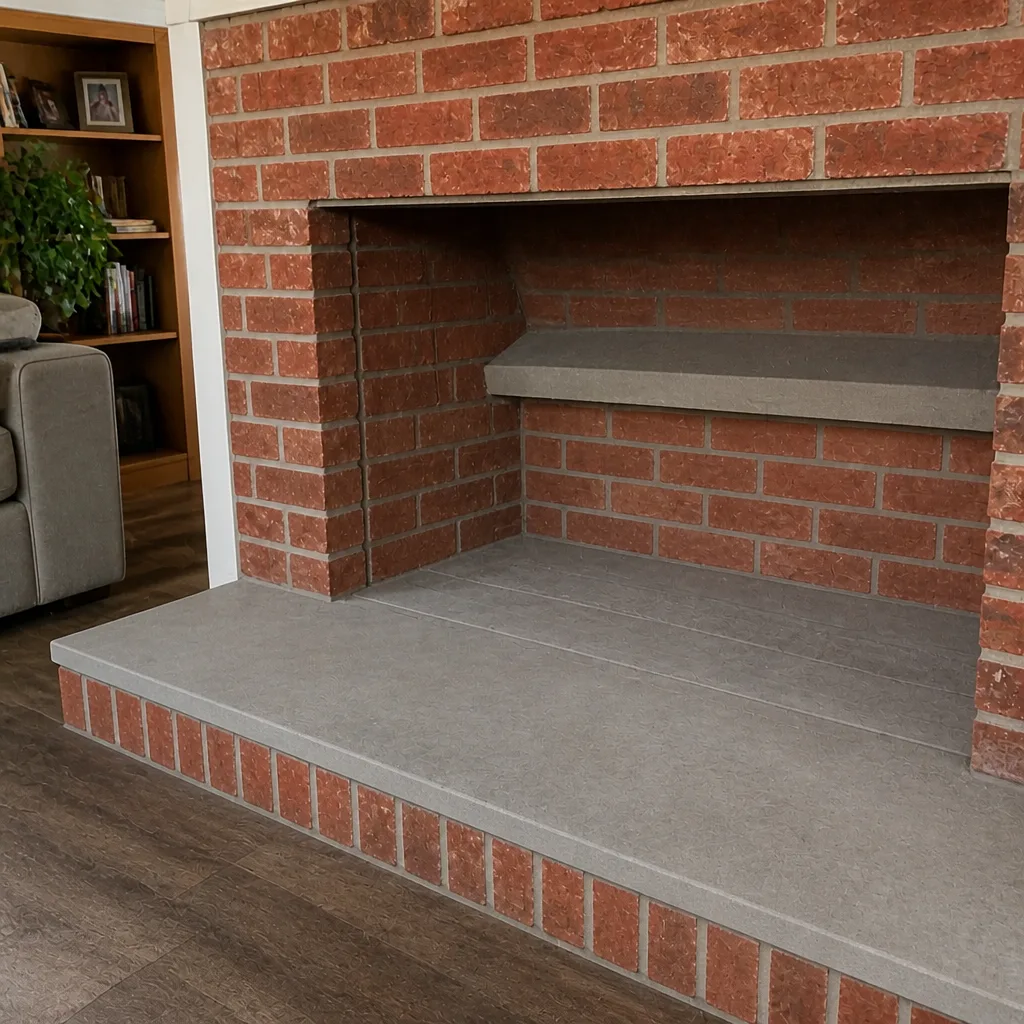
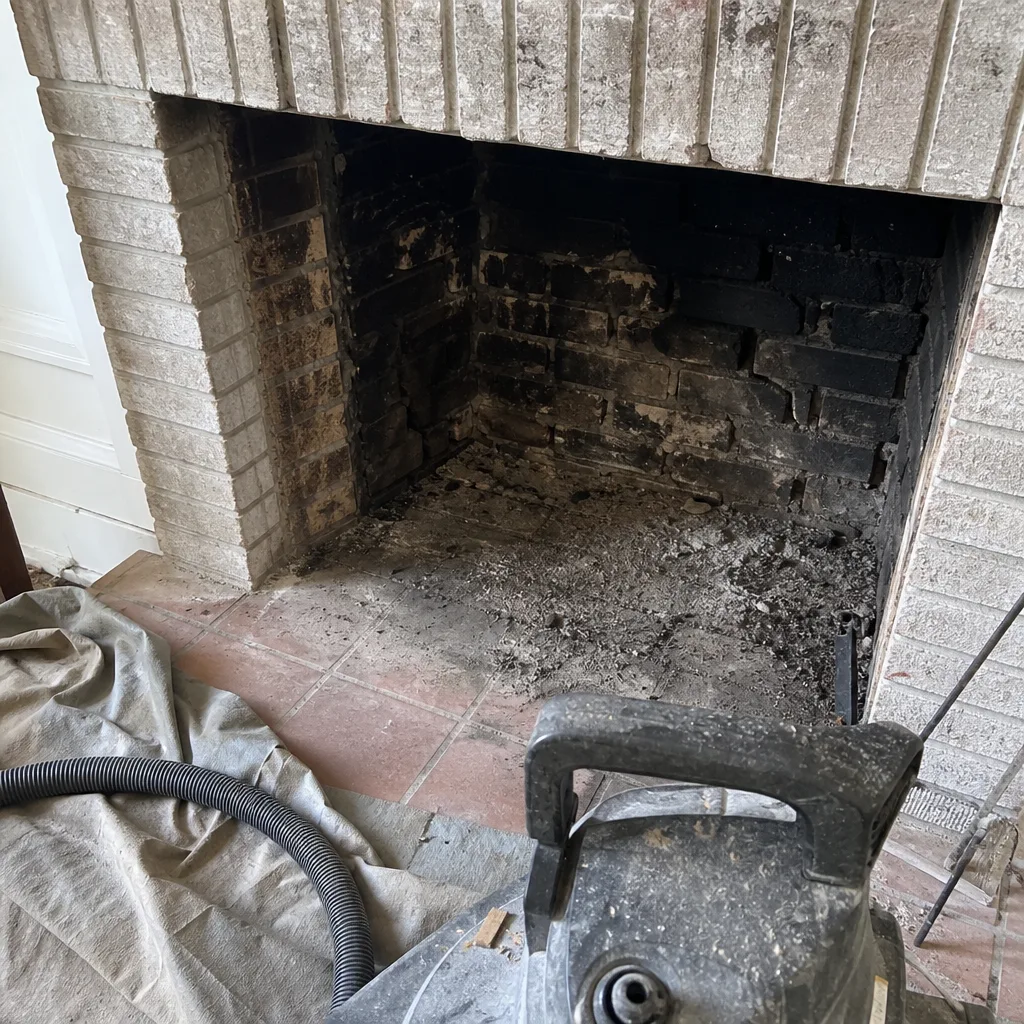
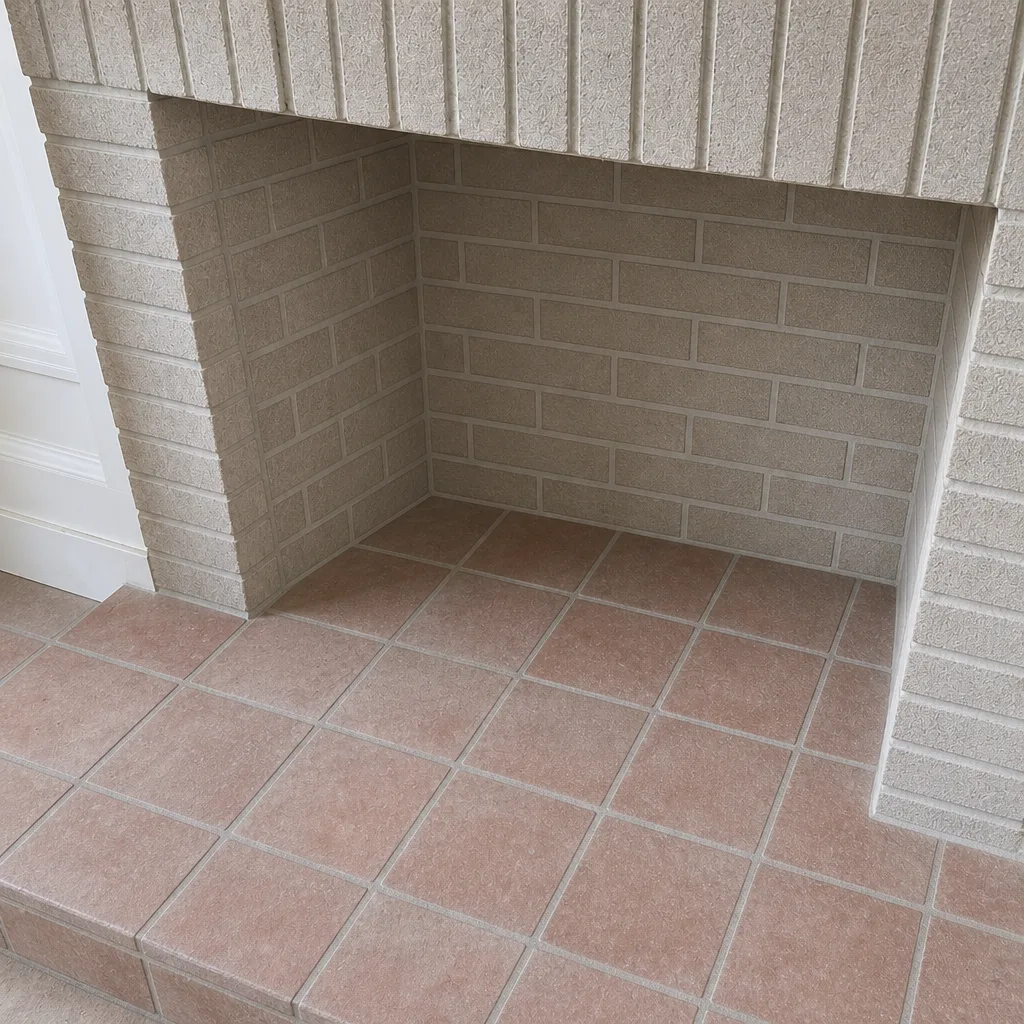
- Assuming a liner needs full replacement when restoration is possible. HeatShield ceramic flue restoration can often address cracked or spalled tiles without demolition, which is a more economical path when the damage is caught early.
See the difference
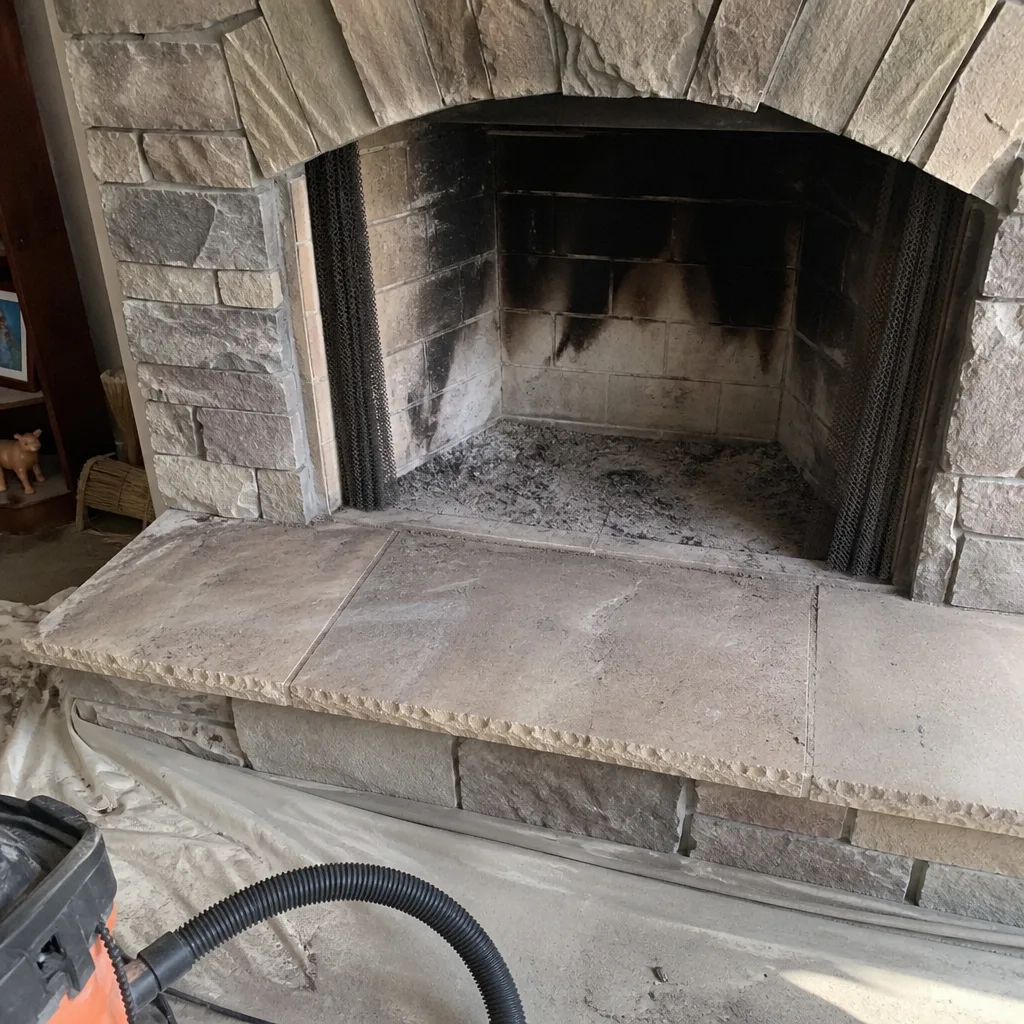 Before
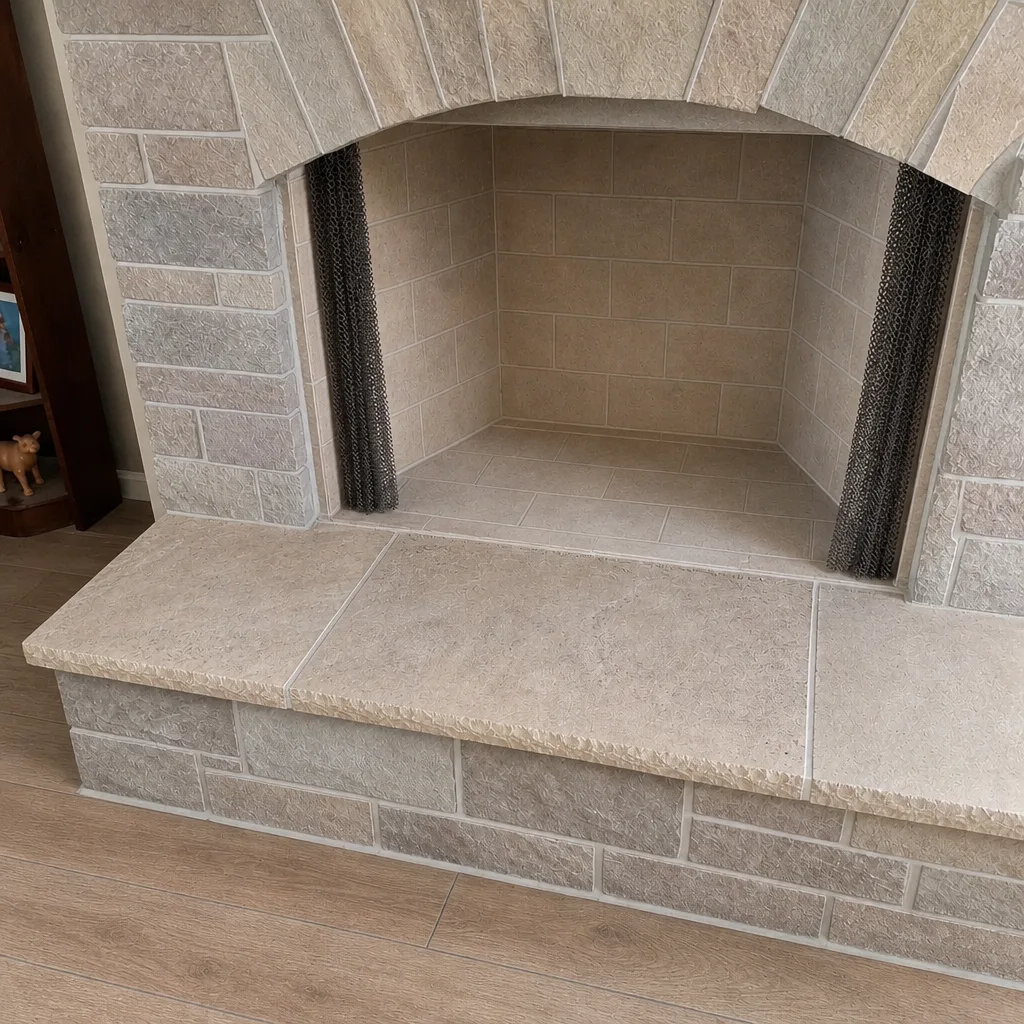 After
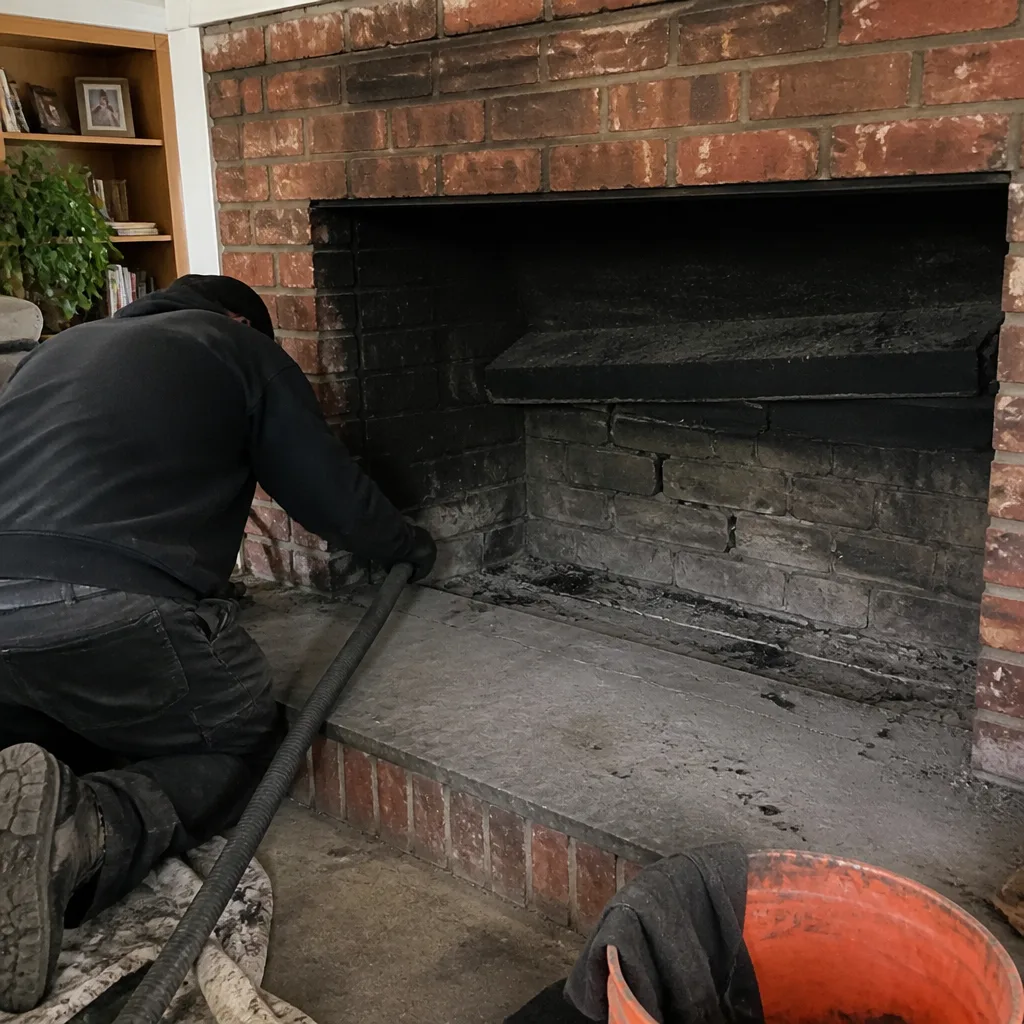 Before
 After
 Before
 After
When to Call a Professional
Call a professional when the chimney work goes beyond cleaning. That includes any time you’ve been told a liner, firebox, or firebox tile needs repair; any inspection that flags a code issue; any storm or chimney fire that may have cracked the flue; and any cap or crown that’s damaged or missing. An annual sweep and inspection is also a professional job if you want the flue properly checked, since the camera inspection is what reveals what you can’t see from below.
Our technicians have up to 10 years of experience, and we work with DuraFlex, HeatShield, and other recognized chimney brands across the full system, from the firebox to the crown. Chimney Sweep Murphy Creek offers free estimates in Murphy Creek – call (833) 468-5972. We answer 24/7. Fast dispatch from 7am to 7pm, Sunday through Friday.
Frequently Asked Questions
No, routine chimney sweeping in Murphy Creek does not require a permit. Sweeping removes soot and creosote without altering the chimney structure, so it’s treated as maintenance rather than construction. If the sweep uncovers damaged tiles or an inadequate liner, that repair may need a permit, which is the point where you should ask the contractor and Douglas County. Call (833) 468-5972 to book a sweep – the written estimate sets the price.
In most cases, yes. A new or replacement stainless liner is a structural change to the venting system, and it’s construction work under the IRC and NFPA 211, so Douglas County typically requires a permit for it. The permit ensures the installation is inspected by the county. If you’re being quoted a liner in Murphy Creek, confirm whether the permit and inspection sign-off are part of the job.
Unpermitted chimney work is usually discovered during a home inspection at resale, and it becomes an open item the buyer asks you to resolve. Resolving it means contacting Douglas County about a permit and an inspection of the finished work, and if the work doesn’t meet code, part of it may need to be redone. Unpermitted work can also complicate an insurance claim related to the chimney, so it’s worth having the paperwork ready.
Only an inspection tells you. A camera inspection reveals whether the flue lining is intact, whether there’s adequate venting, and how much creosote has built up. We offer inspection as a standalone service specifically so the diagnosis is separate from any repair quote. If the flue is sound and dirty, you get a sweep. If there’s damage, you get evidence you can see. Call (833) 468-5972 for an exact estimate – estimates are free.
The county inspects permitted chimney work, and you should receive a sign-off as part of the job. That sign-off is your proof the work was built to code, and it belongs in your home records alongside the permit and the inspection photos. Ask the contractor how the inspection will be scheduled and how you’ll receive the sign-off. Call (833) 468-5972 to talk through your project – estimates are free.
HeatShield ceramic flue restoration can often address cracked or spalled flue tiles without full liner replacement, and it’s a specialized option most basic sweep services can’t offer. Whether it’s the right path depends on the condition of the flue, which the inspection reveals. Because restoration is a repair to the flue structure, the permit question should be confirmed with Douglas County for your specific scope. Call (833) 468-5972 – estimates are free.
The Bottom Line
In Murphy Creek, the line between service work and construction is simple to remember: if the job cleans, inspects, or reseats what’s there, it’s maintenance. If it adds a liner, rebuilds a firebox, or changes the structure, it’s construction and generally needs a Douglas County permit under IRC Chapter 10 and NFPA 211. Get the inspection first so you know what you’re dealing with, ask the five questions before work begins, and keep the permit and sign-off in your records. The paperwork protects you at resale and keeps the chimney safe while you own the home.
Ready to find out what your chimney actually needs? Call Chimney Sweep Murphy Creek at (833) 468-5972 for a free estimate. We handle inspection, sweep, repair, relining, and cap work from the firebox to the crown, using DuraFlex and HeatShield systems. We answer 24/7. Fast dispatch from 7am to 7pm, Sunday through Friday. Written estimates set the price before any work is booked.
Written by the team at Chimney Sweep Murphy Creek.