
Last updated November 23, 2026
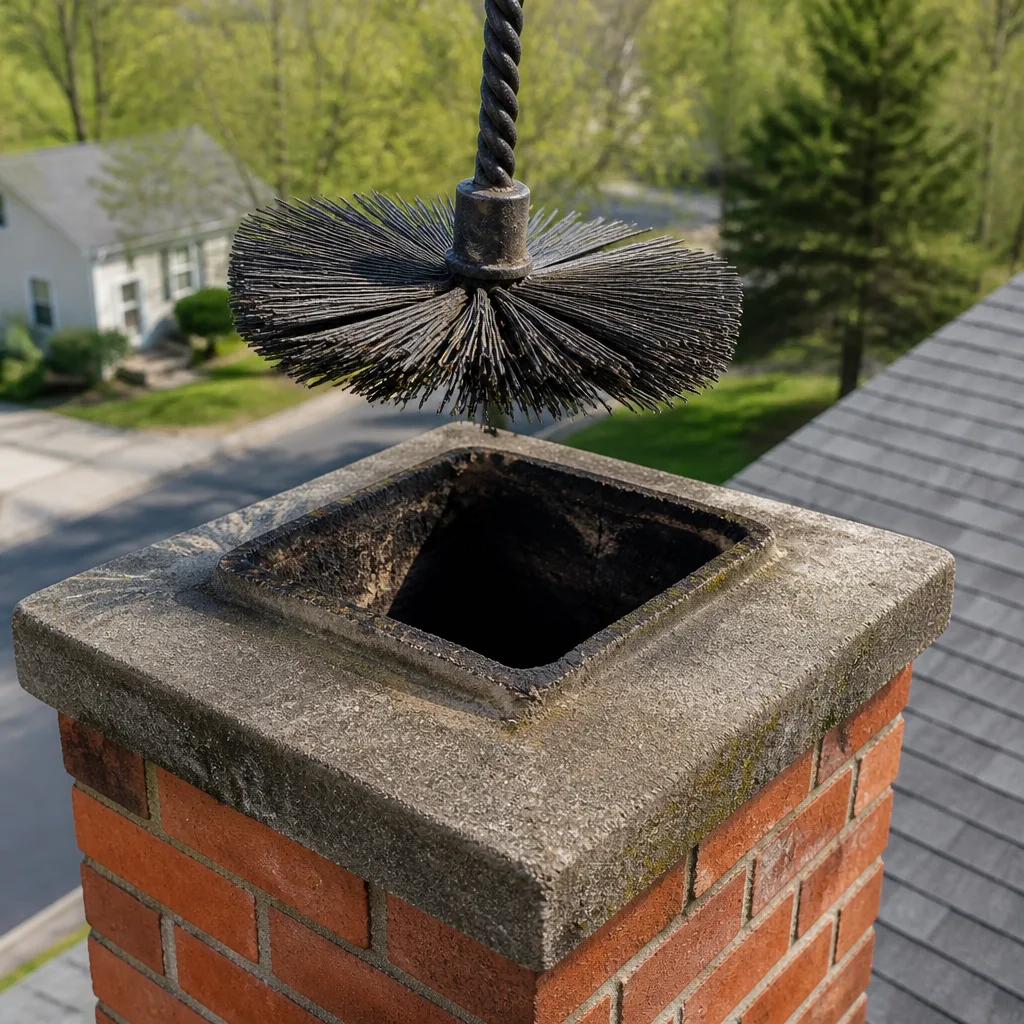 Sweep & inspection
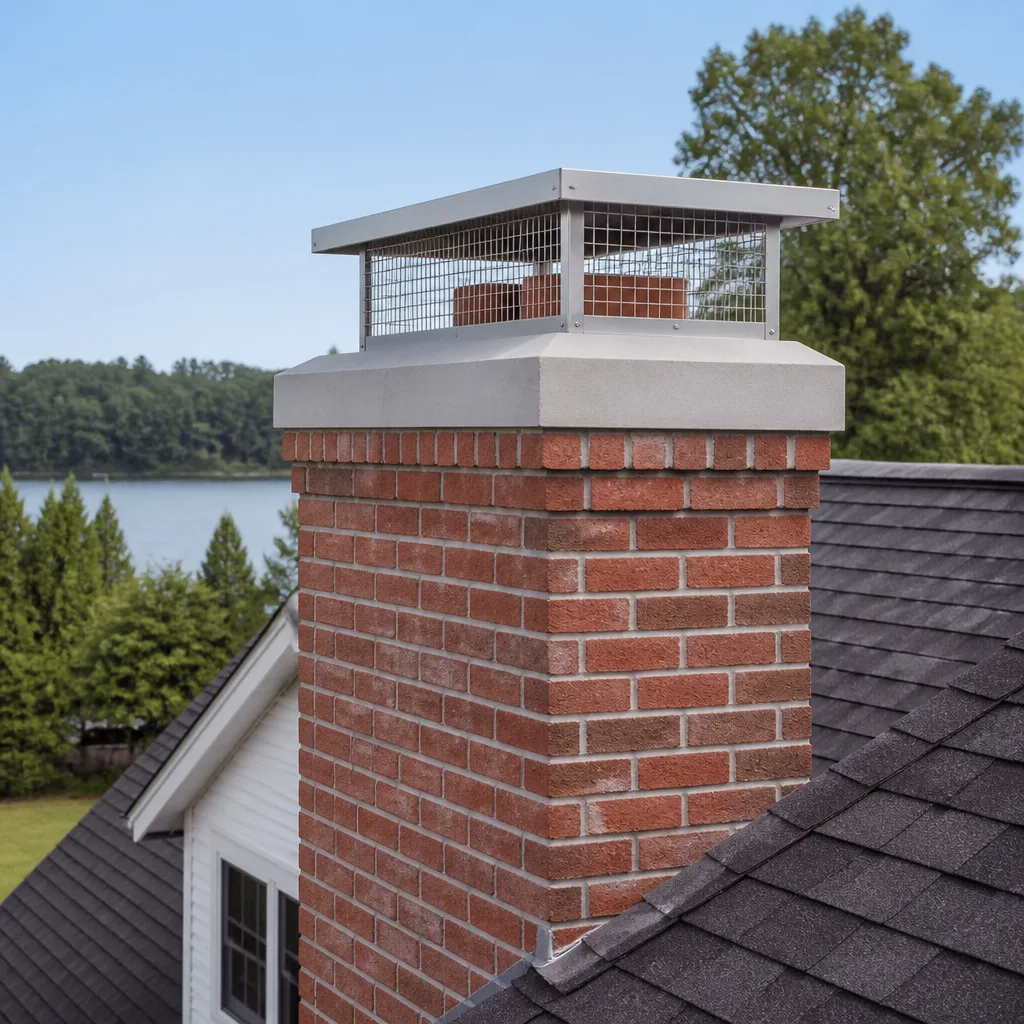 Caps & crowns
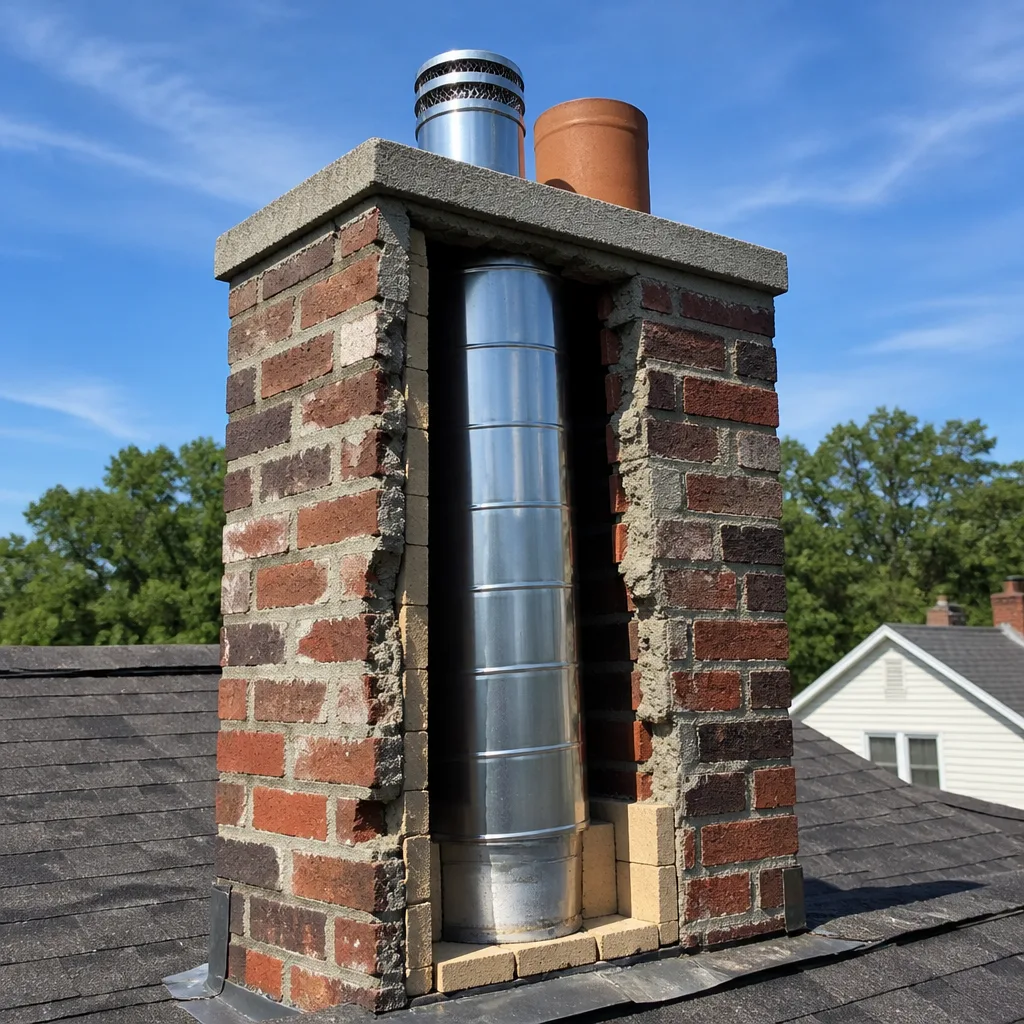 Flue relining
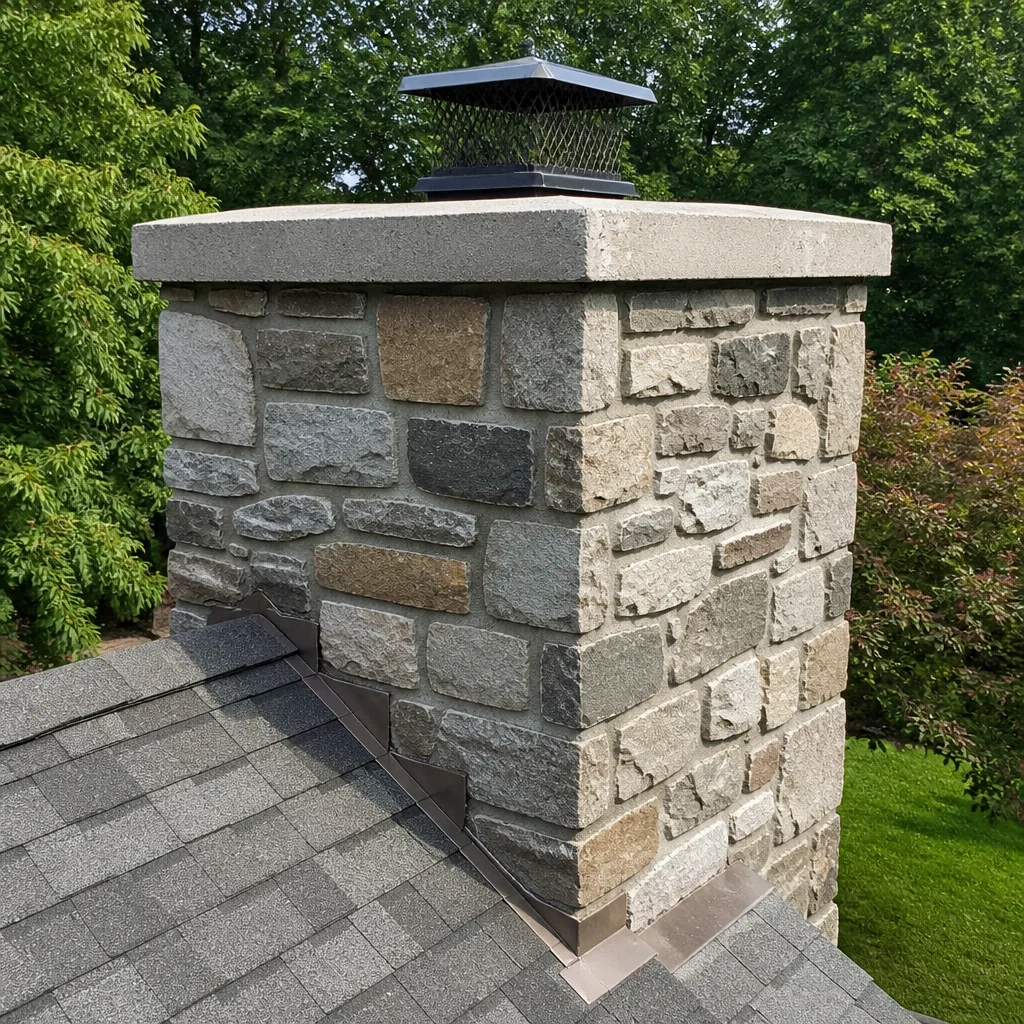 Masonry repair
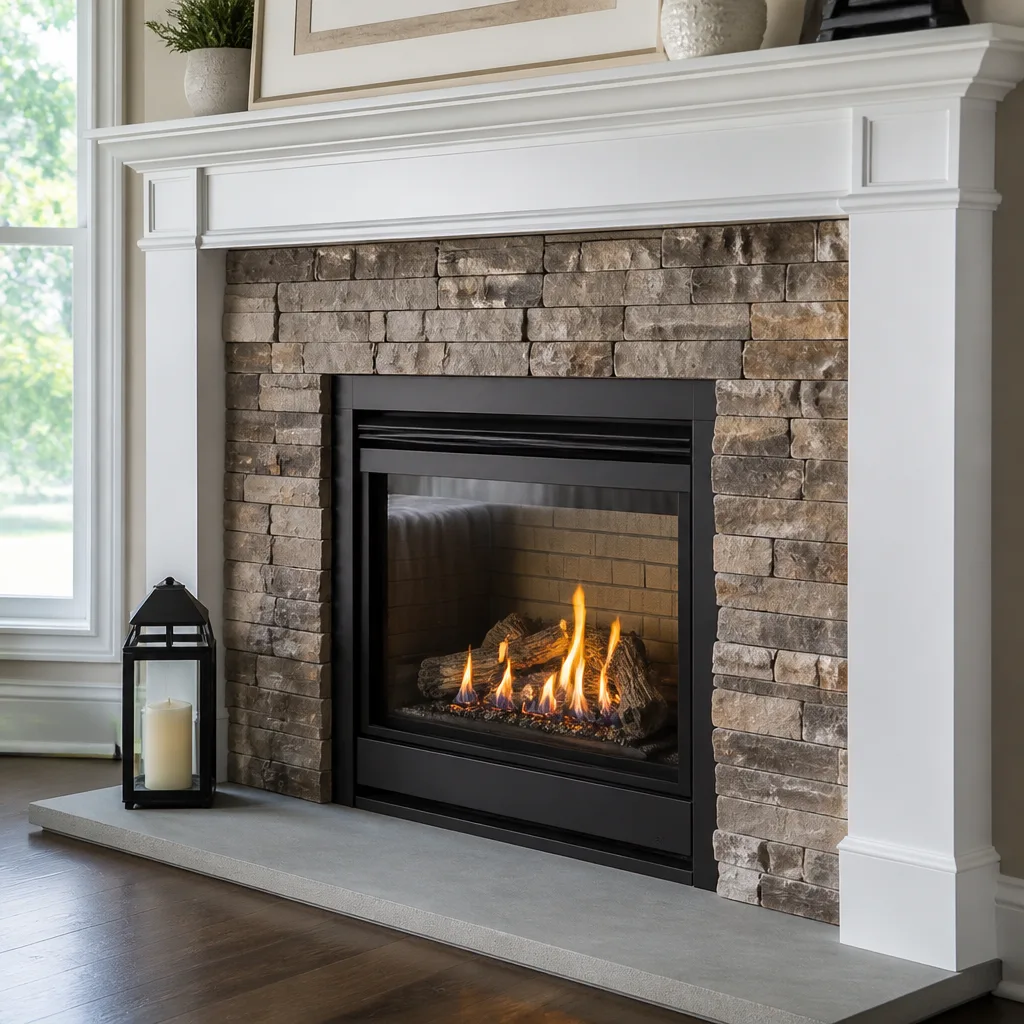 Gas fireplace service
Level 1 sweep and inspection to the NFPA 211 annual standard - flue, crown, cap, and flashing checked and photographed
Chimney sweep logs do not sweep chimneys. They loosen some creosote - which then falls where a brush and vacuum still have to collect it.
Chimney Sweep Troubleshooting in Murphy Creek: Common Problems and How to Fix Them
If your chimney smokes into the room only when it’s windy outside, it’s almost never a creosote problem. It’s a draft problem, and sweeping it won’t fix that. That single distinction saves homeowners more wasted sweep calls than any other piece of chimney knowledge, and it’s the one most troubleshooting guides skip. In Murphy Creek, where the elevation sits higher than Denver and the wind comes across open plains, draft failures and wind-driven downdrafts show up in ways that a sea-level guide will never describe. This guide teaches you to read the actual symptom before you pick up the phone: draft failure, blockage, or structural damage. Each one has a different fix, a different cost, and a different urgency.
Quick Answer
Most chimney problems in Murphy Creek come down to one of three things: a draft problem (the chimney can’t pull smoke up and out), a blockage (something physical is in the flue or cap), or structural damage (cracked tiles, a failing crown, a damaged cap). Draft problems usually show up as smoke rolling back only on windy days and are fixed with cap or damper work, not sweeping. Blockages and structural damage need an inspection before anyone touches the flue. Knowing which symptom you have before you call determines whether you need a sweep, a liner inspection, or masonry repair.
Styles & brands we work with
- Sweep & inspection
- Caps & crowns
- Flue relining
- Masonry repair
- Gas fireplace service
Table of Contents
- How to Tell Draft Failure From a Blockage From Structural Damage
- Why Murphy Creek’s Elevation and Wind Create Draft Problems
- Matching the Symptom to the Right Service
- What to Check on Your Damper, Cap, and Crown First
- Smoke Coming Into the House: A Step-by-Step Read
- When Troubleshooting Reveals a Job for a Certified Sweep
- Creosote and Draft: Two Different Problems
- Why an Inspection Comes Before Any Recommendation
How to Tell Draft Failure From a Blockage From Structural Damage
These three problems produce overlapping symptoms, which is exactly why homeowners misdiagnose them. The good news is that a few simple observations at home separate them cleanly. You don’t need tools. You need to watch when the problem happens and what conditions trigger it.
Draft failure means the chimney can’t establish enough upward pull to carry smoke out. It shows up as smoke that rolls back into the room when you first light a fire, or only when it’s windy, or only in certain weather. A blockage is physical: a bird nest, a fallen cap fragment, a collapsed tile, or heavy creosote narrowing the flue. A blockage shows up as smoke that backs up consistently, not just on windy days, and often as a fire that’s hard to keep burning. Structural damage is what it sounds like: cracked flue tiles, a spalling crown, deteriorated mortar, or a cap that’s come loose. It may not affect draft at all until it gets bad.
Here’s how to read the difference in practice:
- Smoke only on windy days: almost always draft or cap related, not creosote.
- Smoke every time you light a fire, regardless of weather: lean toward a blockage or a flue that’s too small for the firebox.
- Smoke that starts fine, then builds up after 20-30 minutes: often a draft problem worsened by a closed or undersized damper.
- No smoke, but a smell, or water stains on the chimney breast: points to structural or cap and crown issues, not draft.
- Smoke plus a smell of gas or exhaust with a gas fireplace: stop using the fireplace and get an inspection.
In Murphy Creek, the wind pattern makes the first bullet the most common call we get. Homeowners assume creosote, book a sweep, and the sweep finds a clean flue and a wind problem. Reading the symptom first saves that trip.
Why Murphy Creek’s Elevation and Wind Create Draft Problems
Murphy Creek sits on the eastern plains at an elevation higher than Denver, and that combination changes how a chimney behaves. Higher elevation means thinner air. A fireplace draws on the pressure difference between the warm flue gas and the cooler outside air, and thinner air carries less of that pressure difference. The practical result is that a chimney that drafts fine at a lower elevation can struggle at Murphy Creek’s altitude, especially on a cold start when the flue is still cold.
The wind matters just as much. Murphy Creek’s position on open plains means sustained wind and gusts that hit the chimney from a consistent direction. When wind crosses the top of a chimney without a proper cap, it can create a downdraft that pushes air back down the flue. That’s why smoke rolls into the room on windy days and not on calm ones. It’s not that the flue got dirtier overnight. It’s that the pressure at the top of the chimney changed.
Two other local factors compound this:
- Cold snaps: a sudden temperature drop makes the flue cold and the draft weaker until the fire warms the chimney. Cold-start smoke is normal up to a point; persistent cold-start smoke points to a draft issue worth diagnosing.
- House tightness: newer homes in and around Murphy Creek are built tight for energy efficiency. A tight house starves the fireplace of the make-up air it needs, and the chimney pulls air down the flue instead. Cracking a window near the fireplace is a quick test, not a fix.
If your chimney only misbehaves when the wind is up, or only on the first fire of a cold evening, the problem is very likely draft and pressure, not creosote. A standard sweep won’t touch that. Cap and damper work will.
Matching the Symptom to the Right Service
This is where homeowners lose money: paying for a sweep when the job needed a liner inspection, or paying for masonry work when a cap would have solved it. The table below maps the symptom you observe to the service that actually addresses it.
- Symptom: smoke rolls back only on windy days. Likely cause: downdraft or missing/undersized cap. Right service: chimney cap & crown evaluation. A sweep won’t fix it.
- Symptom: smoke backs up every fire, fire burns poorly. Likely cause: blockage or flue undersized for the firebox. Right service: chimney sweep plus inspection to confirm what’s inside.
- Symptom: smoke smell in the house when the fireplace is off. Likely cause: negative pressure or a cap issue. Right service: inspection first; cap or make-up air work after.
- Symptom: water stains, crumbling mortar, a cracked crown. Likely cause: structural and weatherproofing failure. Right service: chimney repair, crown rebuild, cap replacement.
- Symptom: cracked or spalled flue tiles found during inspection. Likely cause: liner deterioration. Right service: liner assessment; HeatShield restoration or a DuraFlex liner depending on condition.
- Symptom: a gas fireplace that smells or won’t stay lit. Likely cause: venting or combustion issue. Right service: fireplace repair and inspection.
The pattern to memorize: weather-dependent smoke is draft. Constant smoke is blockage or sizing. Water and crumble are structural. Get that far on your own and you’ll book the right service the first time. When you’re not sure, the honest move is a standalone inspection, which we offer separately so the diagnosis isn’t tied to a repair sale.
What to Check on Your Damper, Cap, and Crown First
Before you assume the flue is dirty, check the parts at the top and bottom of the chimney. These are the components most likely to cause draft complaints, and you can assess several of them without climbing anything. We’re not going to give you a how-to for roof work; the point here is to know what to look at and what a problem looks like.
- The damper. Open it fully and confirm it’s actually open, not stuck partway. A damper that won’t open wide limits airflow and mimics a dirty flue. If it’s rusted, warped, or won’t stay open, that’s a repair, not a sweep.
- The cap. From the ground with binoculars, look for a cap that’s missing, loose, or the wrong style for your flue. A cap with screens blocks birds and debris; a cap that’s too restrictive or improperly sized can cause downdrafts. A missing cap is an open invitation to nest blockages.
- The crown. The crown is the concrete top around the flue. Look for visible cracks, spalling, or separation from the chimney. A failing crown lets water in, and water is what drives most masonry damage over time.
- The firebox and smoke chamber. With a flashlight, look up from the firebox. Heavy creosote glaze, a smoke shelf packed with debris, or visible cracks in the firebox brick all matter.
- The make-up air test. Crack a window near the fireplace before lighting a fire. If the smoke problem improves, you have a pressure problem, and no amount of sweeping fixes pressure.
If any of that turns up something you can’t see clearly, stop. The inspection will tell you exactly what’s wrong, and we offer it as a standalone service so you get a diagnosis before anyone recommends work.
Smoke Coming Into the House: A Step-by-Step Read
Smoke into the room is the number one troubleshooting call we field in Murphy Creek, and the fastest way to sort it is to work through it in order. Each step narrows the cause. Don’t skip ahead to booking a repair.
- Note when it happens. Only on windy days? Only at cold start? Only when the furnace or kitchen fan is running? Write it down; the pattern is the diagnosis.
- Check the damper position. Open it fully and confirm. A half-open damper is the most common simple cause.
- Try the make-up air test. Crack a window near the fireplace and relight. If smoke stops, you have a negative-pressure issue in the house, not a dirty flue.
- Look at the cap from outside. Missing, loose, or wrong style points to a downdraft fix.
- Check the fire. Wet wood and a smoldering fire produce smoke the chimney can’t carry. Seasoned wood and a hot fire are part of the draft equation.
- If smoke continues regardless of weather, damper, and fire quality: you likely have a blockage or a structural issue. That’s an inspection.
One vital safety point: if you also notice headaches, dizziness, or nausea when the fireplace runs, stop using it and get the chimney and venting inspected before lighting another fire. Those are possible carbon monoxide symptoms, and they override every other troubleshooting step. A gas fireplace that smells or misbehaves gets the same response. Any work on the flue or liner itself, especially anything involving a gas appliance, is a job for a trained professional.
When Troubleshooting Reveals a Job for a Certified Sweep
Troubleshooting at home stops at a clear line: anything you can’t safely observe or reach. The damper, the cap from the ground, the crown from the ground, and the make-up air test are homeowner-appropriate checks. Everything inside the flue is not.
Call a certified sweep when you find any of the following:
- Glazed or heavy creosote visible up the flue. Glazed creosote is what fuels chimney fires and it doesn’t brush out like soot; it needs proper removal.
- Cracked or spalled flue tiles spotted during the inspection. A cracked liner allows combustion gases into the home, and that’s a repair, not a cleaning.
- A blocked flue that you suspect is a bird nest, a collapsed tile, or debris. Don’t try to clear it from below.
- A gas appliance involved in any way. Gas venting is not a DIY area.
- Smoke that persists after you’ve ruled out damper, make-up air, cap, and fire quality.
- Any sign of carbon monoxide when the fireplace or gas appliance runs.
One of the reasons a sweep matters beyond cleaning: the sweep is often the first person to actually see the inside of the flue, and the inspection that comes with it finds the liner and structural problems before they become water damage or a safety issue. That’s the expertise a full-service chimney specialist brings, from the firebox to the crown.
Creosote and Draft: Two Different Problems
Creosote and draft feel related because both involve smoke, but they’re separate problems with separate fixes. Understanding the difference keeps you from paying for the wrong one.
Creosote is a byproduct of burning wood. It builds up in the flue over time and, in heavy or glazed form, is the fuel that lets a chimney fire start. Creosote problems are about what’s inside the flue, and they get worse with a slow, smoldering fire and unseasoned wood. The fix is a sweep, and the schedule depends on how much you burn.
Draft is about airflow. It’s the chimney’s ability to pull smoke up and out, and it’s driven by temperature, pressure, and geometry, not by what’s stuck to the flue walls. A perfectly clean flue can draft badly. A dirty flue can draft fine right up until it doesn’t. In Murphy Creek, the wind and elevation make draft a bigger factor than creosote for a lot of homes, and that’s why a sweep alone doesn’t solve a downdraft complaint.
Quick way to tell them apart:
- Creosote shows up as buildup you can see from below, a stronger smoke smell, and a fire that’s harder to get going.
- Draft shows up as smoke rolling back on windy days, smoke at cold start that clears once the flue warms, and a fire that pulls fine until conditions change.
If your problem is creosote, a sweep addresses it. If it’s draft, the fix is usually cap, damper, or make-up air. Getting this wrong is the most common waste of a service call.
Why an Inspection Comes Before Any Recommendation
A sweep and an inspection are not the same appointment, and treating them as one is how homeowners end up with recommendations they can’t verify. We offer inspection as a standalone service precisely so the diagnosis stands on its own, separate from any repair or relining work that might follow.
An inspection looks at the whole system: firebox, smoke chamber, flue and liner, cap, and crown. It answers the real question, which is what’s actually wrong, not what a sweep can clean. From that diagnosis you get a clear answer on whether you need a sweep, a liner assessment, or masonry repair, and whether any of it can safely wait.
When liner work is needed, the diagnosis drives the material:
- HeatShield ceramic flue restoration can address cracked or spalled tiles without full demolition, which is often the cost-saving option when the liner structure is still sound.
- DuraFlex liner systems handle code-compliance and venting issues that go beyond surface cleaning, and are the right call when the existing liner can’t be restored.
- Cap and crown repair protects whatever’s inside from the weather, which is often the cheapest structural fix and the one most likely to be skipped.
Murphy Creek’s freeze-thaw swings are what drive crown and masonry deterioration, and they compound a draft problem once the cap or crown fails. That’s why we diagnose the whole system before recommending anything, and why we’ll tell you plainly when a repair can wait.
Common Mistakes to Avoid
- Booking a sweep for a wind problem. If smoke only rolls back on windy days, a sweep won’t fix it. Check the cap and damper first.
- Ignoring a cracked crown because the chimney still drafts. Water damage from a failing crown is the slow structural killer in Murphy Creek’s freeze-thaw climate, and it gets expensive once it reaches the flue.
- Putting off an inspection because the fireplace “seems fine.” A cracked flue liner can send combustion gases into the home with no obvious smoke symptom, so “seems fine” isn’t a diagnosis.
- Assuming the make-up air test fixed the problem. Cracking a window tells you it’s a pressure issue; it doesn’t solve it. Use the test to diagnose, then get the real fix.
- Using unseasoned wood to try to force a draft. Wet wood makes smoke and creosote worse. The fire is part of the draft equation, not a workaround for it.
- Choosing the cheapest quote for liner work. Liner and restoration work needs correct materials and sizing; an off-brand liner sized wrong fails the code-compliance job it was meant to fix.
- Skipping the cap because it “looks fine.” A missing or wrong-style cap invites bird and debris blockages and downdrafts, and it’s one of the cheapest fixes that prevents both.
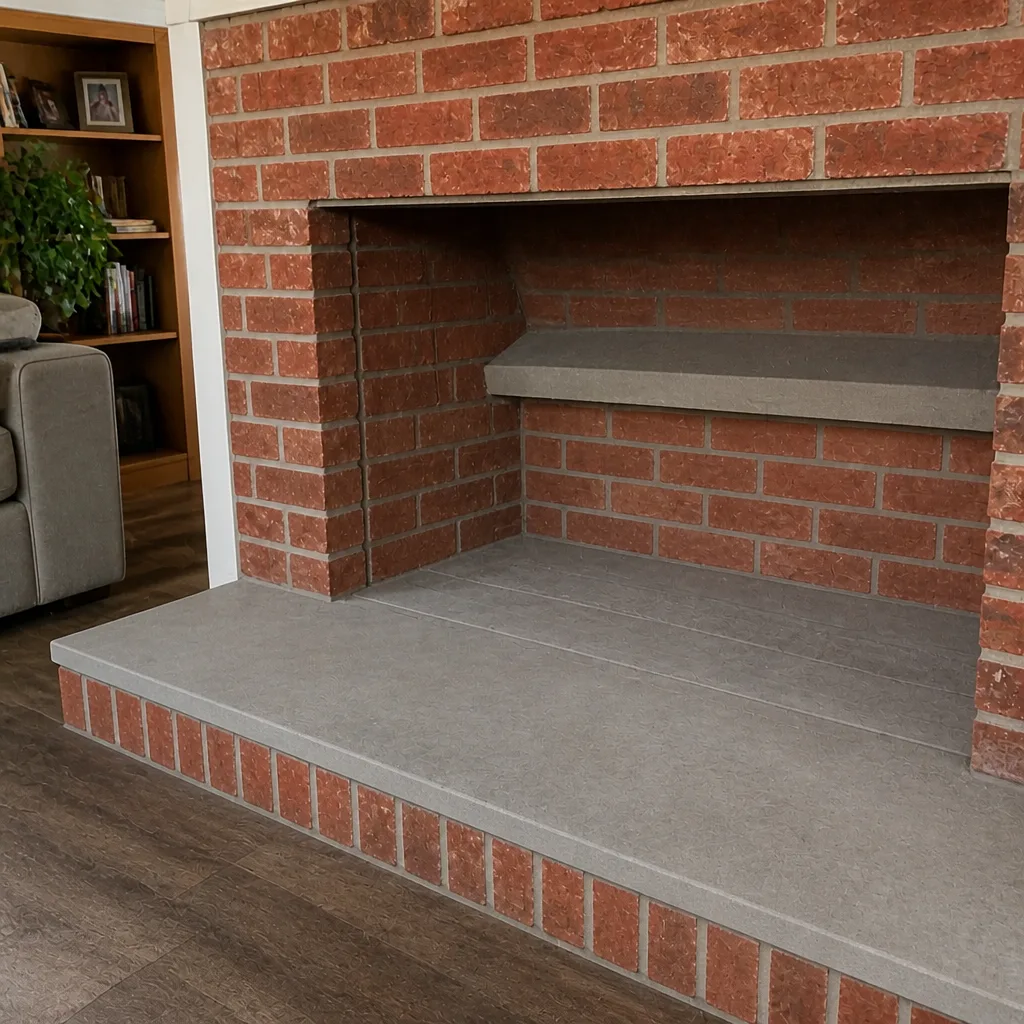
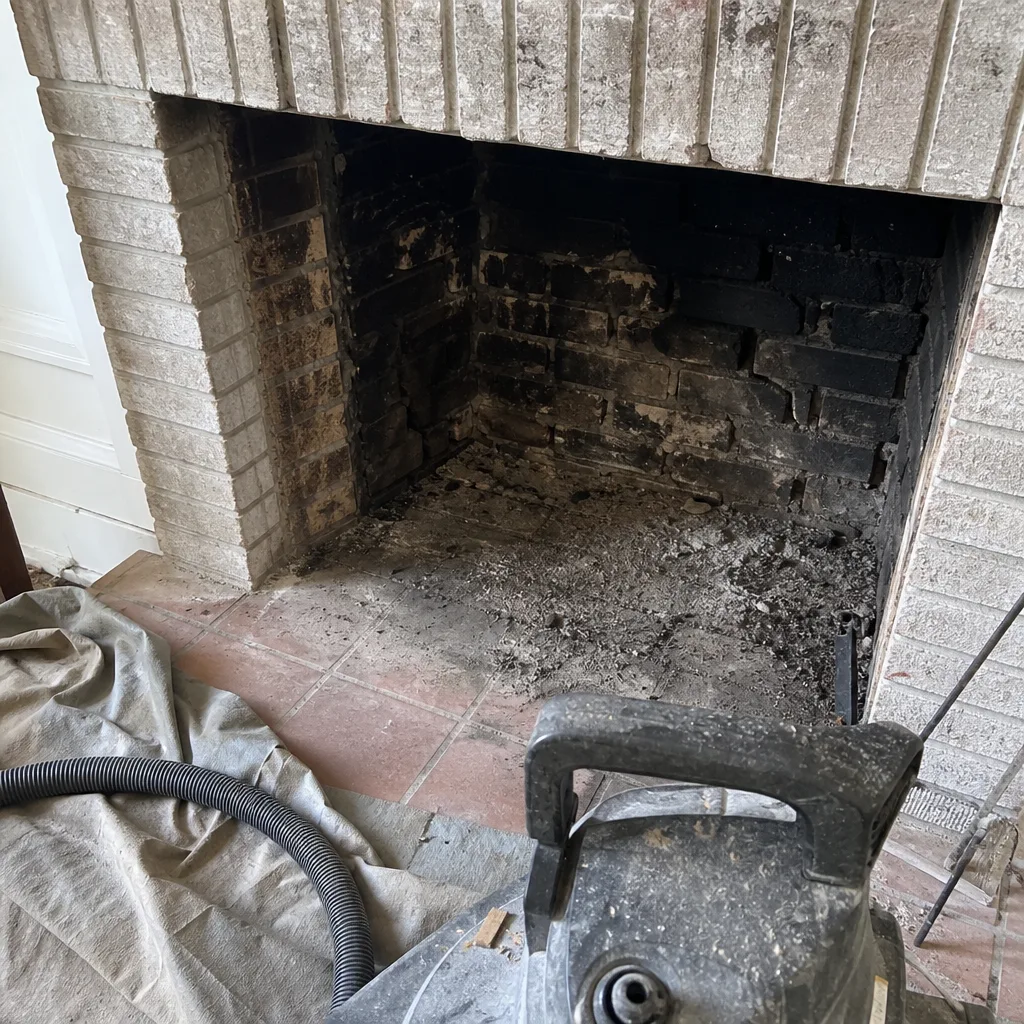
See the difference
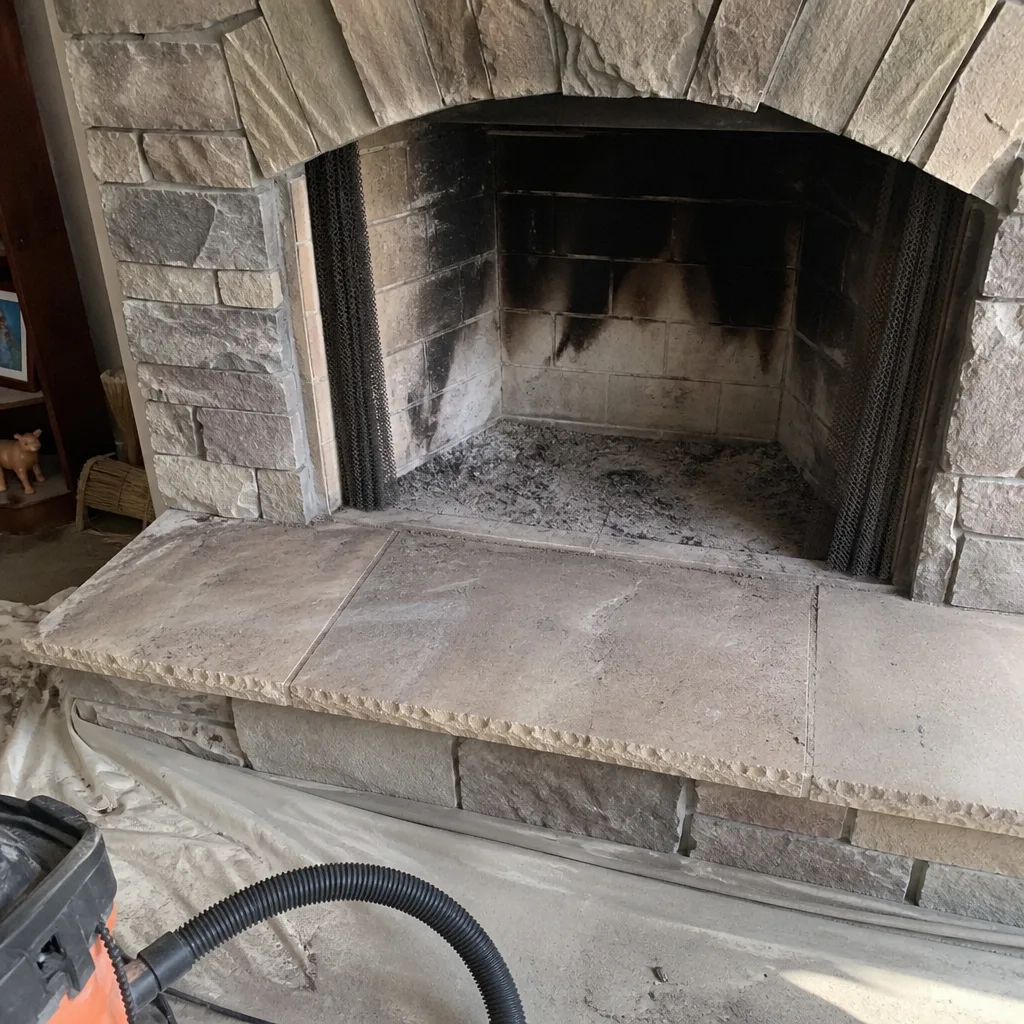 Before
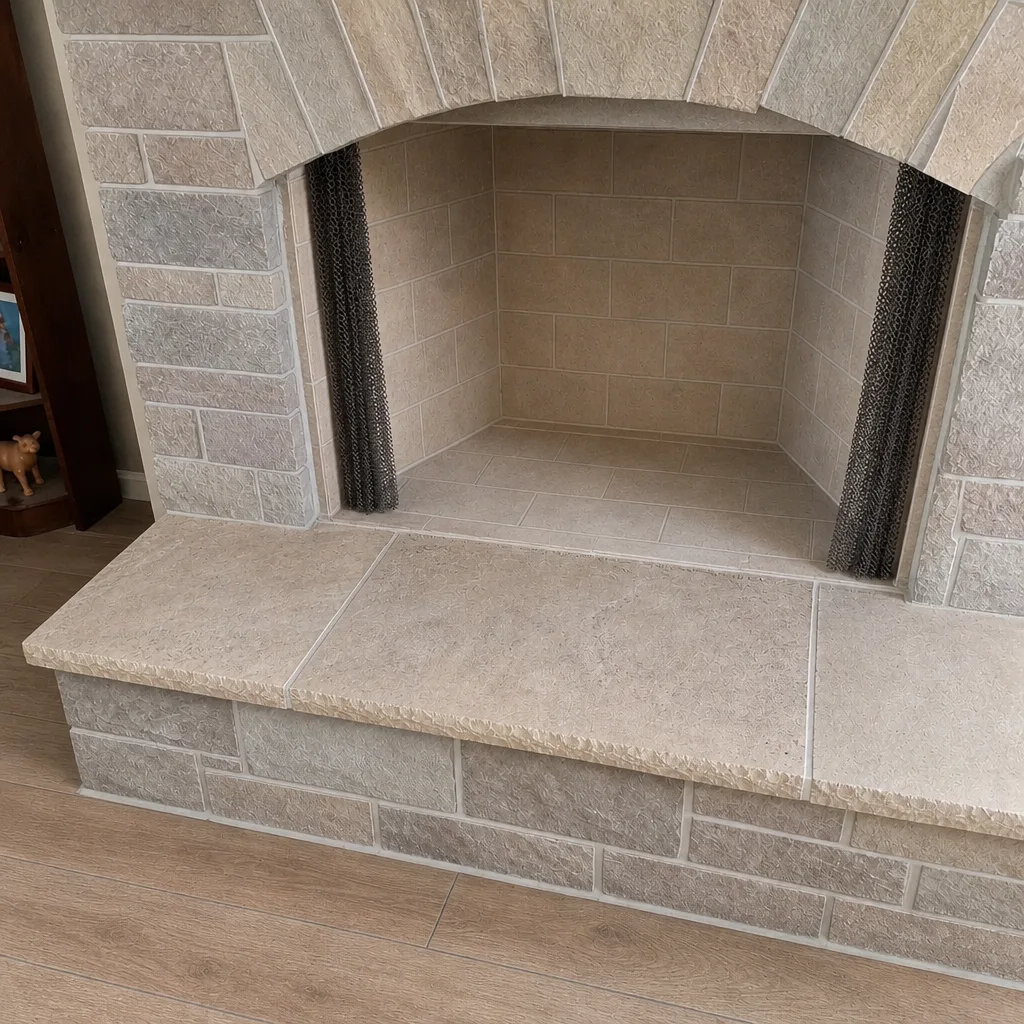 After
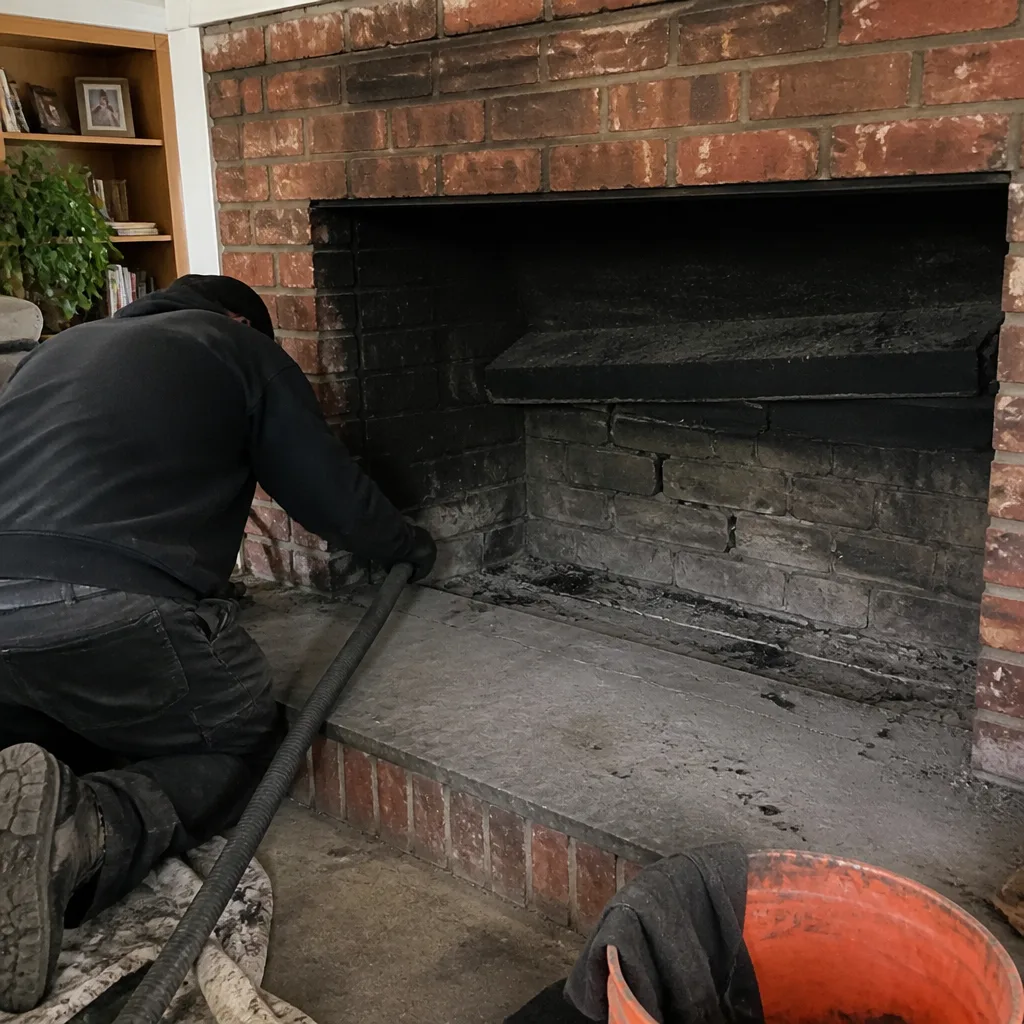 Before
 After
 Before
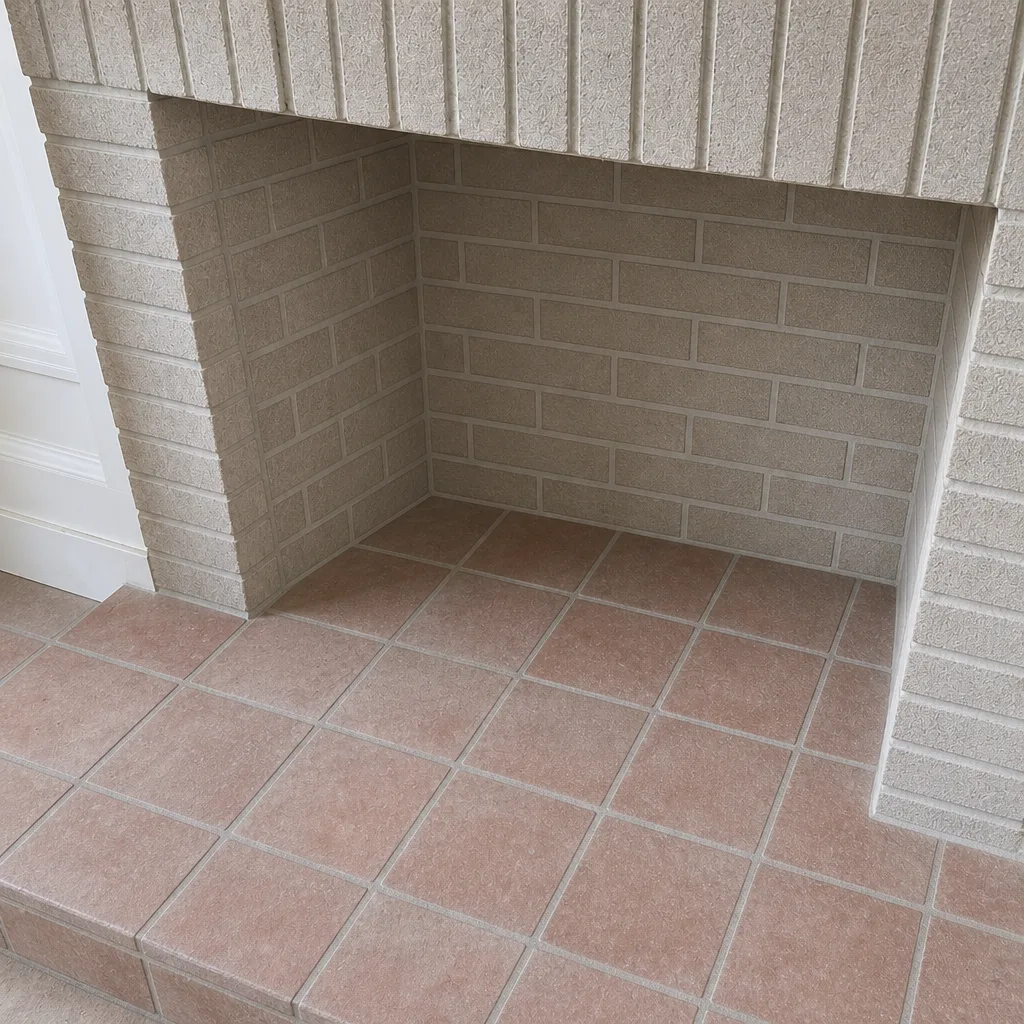 After
When to Call a Professional
Call a professional when troubleshooting turns up anything you can’t verify safely: glazed creosote, cracked flue tiles, a blocked flue, any gas appliance involvement, smoke that persists after you’ve ruled out damper, cap, and fire quality, or any sign of carbon monoxide. Those are all jobs for a trained sweep, not a weekend fix.
The stakes are real. A cracked flue liner allows combustion gases into the home, and heavy creosote is what fuels a chimney fire. Neither needs panic; both need a proper diagnosis. That’s why we offer inspection as a standalone service, camera and photo report included, so you see exactly what we see before any repair is discussed. Chimney Sweep Murphy Creek offers free estimates in Murphy Creek. Call (833) 468-5972. We answer 24/7. Fast dispatch from 7am to 7pm, Sunday through Friday.
Our technicians have up to 10 years of experience, and we work with professional-grade materials including DuraFlex liner systems, HeatShield ceramic flue restoration, Gelco, Olympia Chimney, Famco, and Copperfield, so the fix matches the diagnosis. From the firebox to the crown, one team handles the sweep, the inspection, and the repair, which means no coordinating multiple contractors. Chimney Sweep Murphy Creek is set up to handle the call.
Frequently Asked Questions
That pattern almost always points to a downdraft, not a dirty flue. Wind crossing the top of the chimney creates a pressure change that pushes air back down, usually because the cap is missing, loose, or the wrong style for your flue. A sweep won’t fix a downdraft; a cap evaluation will. Call (833) 468-5972 for an exact quote; estimates are free.
Not necessarily for the flue itself, but a clean-looking flue can still hide structural problems you can’t see from below. That’s the case for a standalone inspection: it checks the firebox, smoke chamber, liner, cap, and crown so you know whether the issue is draft, blockage, or damage. Call (833) 468-5972 for an exact quote; estimates are free.
Creosote is buildup inside the flue, and the fix is a sweep. Draft is airflow, driven by temperature, pressure, and chimney geometry, and a sweep doesn’t change it. Weather-dependent smoke is usually draft; a harder-to-light fire with visible buildup is usually creosote. Call (833) 468-5972 for an exact quote; estimates are free.
Yes. Thinner air at Murphy Creek’s elevation carries less pressure difference between warm flue gas and cool outside air, so a chimney that drafts fine at a lower altitude can struggle here, especially on colder days. Combined with the wind on the open plains, that makes draft a bigger factor for many Murphy Creek homes than creosote. Call (833) 468-5972 for an exact quote; estimates are free.
When smoke comes back with headaches, dizziness, or nausea while the fireplace or gas appliance runs. Those are possible carbon monoxide symptoms; stop using the appliance and get the venting inspected before lighting another fire. A cracked flue liner allows combustion gases into the home, so that’s a repair, not a cleaning. Call (833) 468-5972 for an exact quote; estimates are free.
Some of it, yes: you can confirm the damper is fully open and run the make-up air test with a cracked window. Everything inside the flue, the liner, or anything involving a gas appliance is a job for a trained professional. Call (833) 468-5972 for an exact quote; estimates are free.
The Bottom Line
The core lesson in Murphy Creek chimney troubleshooting is reading the symptom before you book anything. Smoke only on windy days is draft. Smoke on every fire is blockage or sizing. Water stains and crumble are structural. Check the damper, cap, and crown first, run the make-up air test, and let the symptom tell you which service you actually need. Our technicians have up to 10 years of experience and use DuraFlex, HeatShield, Gelco, and Copperfield materials so the fix matches the diagnosis. If your chimney turns up something you can’t safely verify, call (833) 468-5972. We answer 24/7. Fast dispatch from 7am to 7pm, Sunday through Friday.
Written by the team at Chimney Sweep Murphy Creek.