
Last updated November 23, 2026
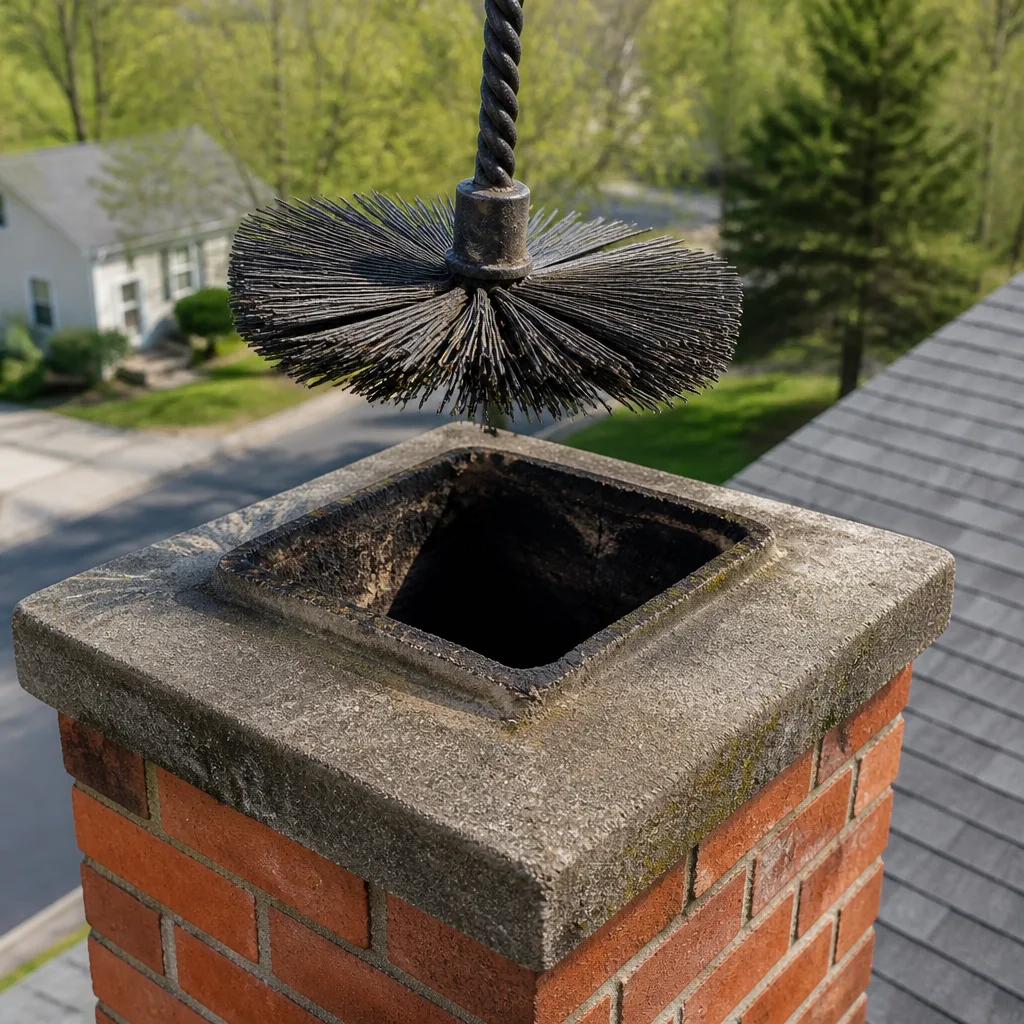 Sweep & inspection
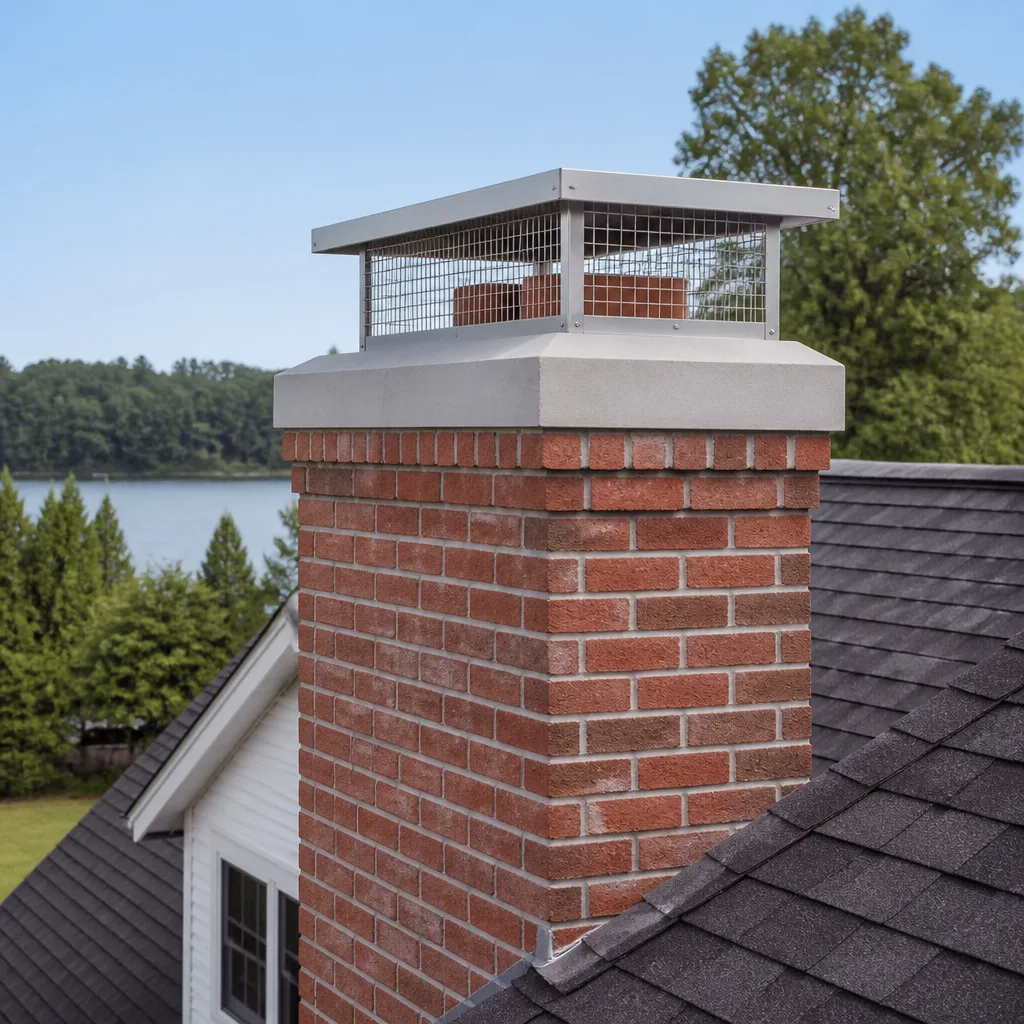 Caps & crowns
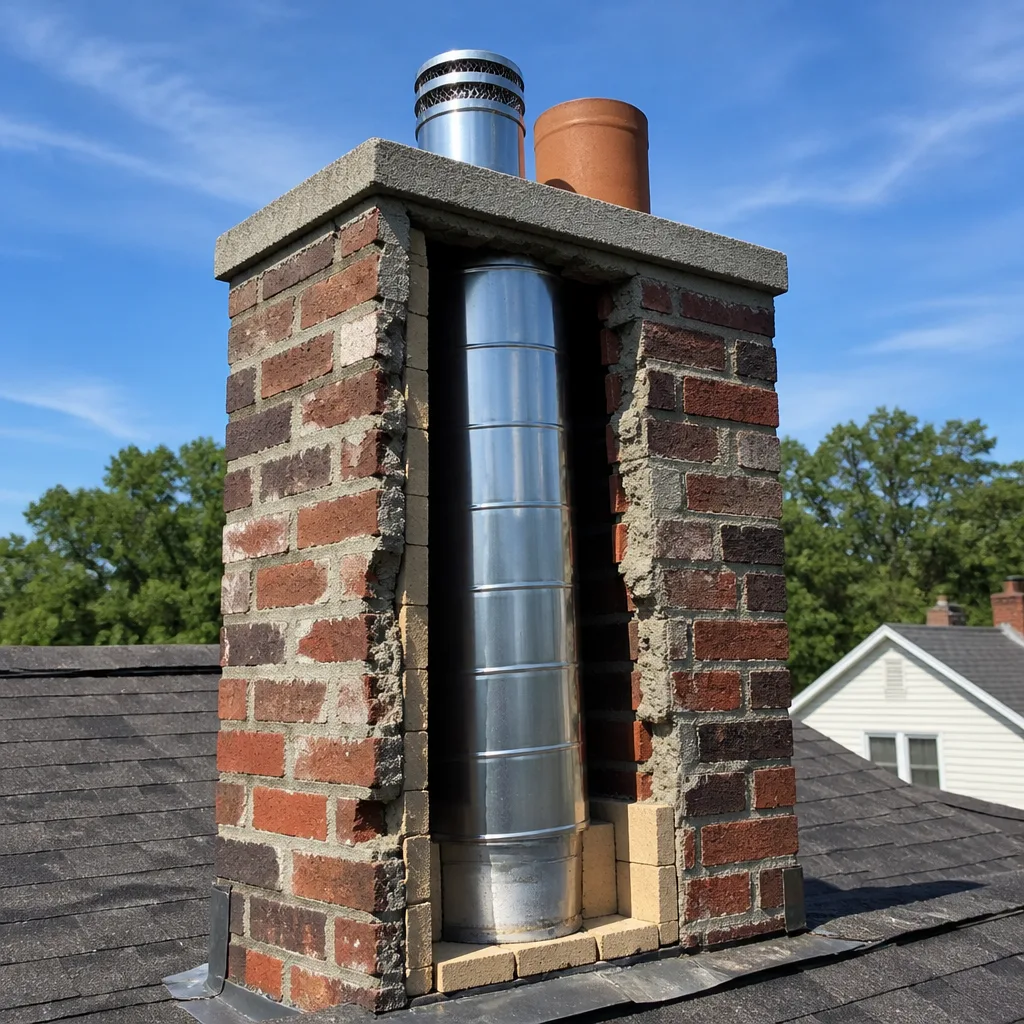 Flue relining
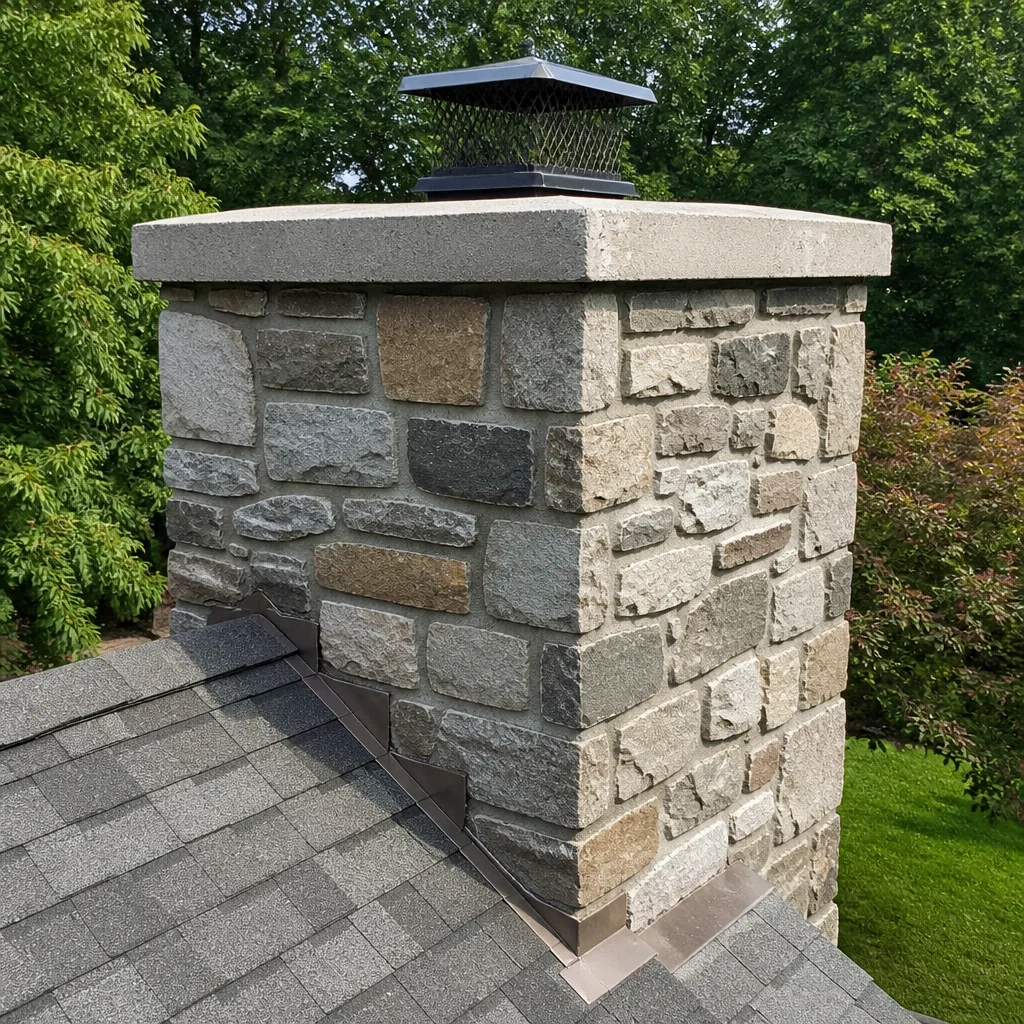 Masonry repair
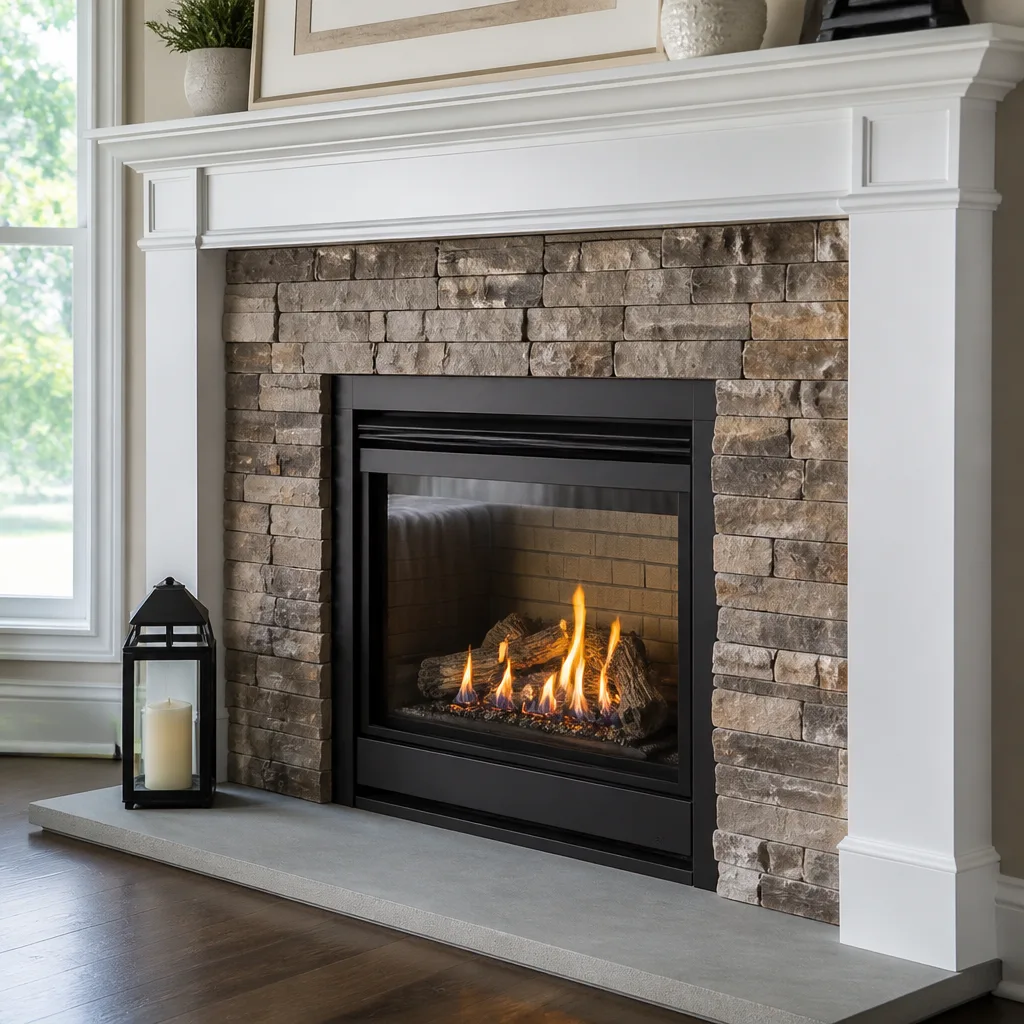 Gas fireplace service
Level 1 sweep and inspection to the NFPA 211 annual standard - flue, crown, cap, and flashing checked and photographed
Chimney sweep logs do not sweep chimneys. They loosen some creosote - which then falls where a brush and vacuum still have to collect it.
Choosing the Right Chimney Cleaning Brand: A Buyer’s Guide for Murphy Creek
A chimney cap can cost $40 or $200, and the difference isn’t markup. It’s gauge thickness, mesh rating, and whether it’ll survive a Colorado hailstorm intact for more than one season. Most homeowners evaluating a chimney sweep in Murphy Creek compare companies by logo, truck, or price per sweep. The question that actually predicts long-term cost is quieter: what materials go inside the chimney, and can you name them? This guide decodes the brands that matter on liners, caps, crown coatings, and sealants, shows you how to verify them, and explains what to look for on a quote or invoice before you book.
Quick Answer
The brand that matters in chimney work is the brand of the materials installed in your chimney, not the name on the contractor’s yard sign. Recognized industry brands like DuraFlex liner systems, HeatShield ceramic flue restoration, Gelco sealants, Olympia Chimney caps, Famco, and Copperfield signal a contractor who buys from the same supply chain chimney professionals use nationwide. Generic “standard cap” or “premium liner” wording on a quote tells you nothing about gauge, UL listing, or lifespan. Murphy Creek homeowners who learn to read those three details on paper end up with better work at comparable prices.
Styles & brands we work with
- Sweep & inspection
- Caps & crowns
- Flue relining
- Masonry repair
- Gas fireplace service
Table of Contents
- What “Brand” Actually Means in Chimney Cleaning
- The Four Product Categories Where Brand Affects Longevity
- What UL Listing and CSIA Approval Actually Mean
- Brand Names Worth Recognizing on a Quote
- How to Read a Chimney Quote for Material Specifics
- Why Murphy Creek’s Climate Changes the Materials Conversation
- Why Material Brands Are a Credential Signal
- Common Mistakes to Avoid
What “Brand” Actually Means in Chimney Cleaning
Chimney cleaning is a service, but it consumes products. Brushes, rods, vacuums, chemical creosote treatments, sealants, crown coatings, liners, and caps all come from a supply chain, and that supply chain has tiers. At the top are manufacturers who sell to chimney professionals through specialty distribution, publish UL listings for their systems, and specify their installs down to the thickness of a steel wall. At the bottom are commodity suppliers whose products are resold under whatever name a distributor prints on the box.
The distinction matters most when something gets installed rather than cleaned. A sweep removes creosote and leaves nothing behind; a liner installation, a crown coating, or a cap install puts a permanent fixture in or on your chimney. That fixture either holds up for a decade or fails in two winters, and the brand determines which.
In Murphy Creek, where wind-driven weather arrives without warning and hail is a real seasonal concern, an installed product is subject to stresses that a mild-climate install never sees. A cheap cap dents or loses its mesh in a single storm. A correctly specified cap from a manufacturer that publishes gauge and mesh ratings survives repeated hits because the steel and fasteners were engineered for it.
Most homeowners never see the products on their invoice. Here’s the working test: if a contractor can’t tell you the manufacturer of the cap, the liner, or the sealant they plan to use, treat that as a gap in their process. A chimney specialist who sources from recognized industry brands can name the product on the quote, which is a small but meaningful form of accountability. That’s the difference between a swap-out service and a chimney sweep with a quality standard behind it.
The Four Product Categories Where Brand Affects Longevity
Four categories carry most of the long-term cost of a chimney system. Each has a different failure mode and a different brand landscape.
1. Caps
A cap keeps water, animals, and wind-driven debris out of the flue. The failure modes are simple: thin steel dents, low-grade mesh corrodes or tears, and undersized fasteners work loose in wind. Brands that publish gauge, mesh size, and fastener specs give a contractor and a homeowner something to compare. Olympia Chimney sells through the professional side of the industry, and a quote naming the model shows a contractor who cares which cap goes on which flue.
2. Liner Systems
A flue liner is the code-mandated liner separating combustion gases from the structure of the house, and its quality is the single highest-stakes material decision in chimney work. Flexible stainless liners from manufacturers like DuraFlex and rigid alternatives used where the flue allows exist as engineered systems with published UL listings. A brand-specified liner on the quote means the manufacturer published test data for the specific install approach. “Premium liner” with no name is a phrase, not a product.
3. Crown Coating
The crown is the concrete or masonry top of the chimney, and it takes every drop of water that falls on the top of the house. Product families like Copperfield and Gelco supply crown repair materials and sealants formulated for masonry that moves with freeze and thaw. A coating with no manufacturer name has no published elongation, adhesion, or UV spec, and a contractor simply can’t promise much about it.
4. Sealants and Specialty Coatings
Relining glue, flashing sealant, refractory mortar, and high-temperature black sealant all have rated temperature limits. An improperly rated sealant at the flue collar can fail earlier than expected. HeatShield, a ceramic flue restoration product, is a specialty coating for a specific job – repairing cracked or spalled flue tiles without a full liner install – and specification of HeatShield is a signal that a contractor has taken on that training and can offer a restore-versus-replace option. When a quote lists a specific product and a contractor can explain its role, the quote has something to compare.
What UL Listing and CSIA Approval Actually Mean
UL listing is a safety certification issued by Underwriters Laboratories to a tested product assembly. For a chimney liner, the listing covers the complete system of pipe, connectors, and insulation as installed, not just the steel tube. It means the manufacturer submitted samples to specified test conditions – temperature, continuous use, clearance to combustibles – and a third party confirmed results. When a quote specifies a listed liner system, the contractor can produce manufacturer documentation on request.
A non-listed liner has no published test data for clearances or service life. That’s not a performance claim, it’s a documentation gap, and for liners the documentation is what the code calls for.
CSIA is the Chimney Safety Institute of America. Its sweep and inspection programs are recognized benchmarking for technicians, though the organization does not “approve” products in the same way a testing lab lists them. What CSIA does publish is educational material on products, methods, and safe practice. A contractor whose materials come from manufacturers that reference CSIA standards is working from a shared playbook, and that shows in the questions they ask and the specs they put on paper.
Local codes matter too. Chimney liner requirements come down through state and municipal adoption of the International Residential Code and NFPA 211, alongside local jurisdictional amendments, so the specifics in Murphy Creek are set locally. Ask your city’s building department what liner specification it requires, and confirm the contractor’s materials meet it. That’s a two-minute phone call, and it takes the vagueness out of the material debate.
How to verify a product:
- Ask for the manufacturer and model on the quote. “Standard liner” is not an answer.
- Ask the contractor to show the UL listing for the complete system, not just the pipe.
- Look up the manufacturer’s published spec sheet – gauge, temperature rating, and listing reference should be there.
- Match the product to the job. A liner for a wood stove and a liner for a gas appliance use different materials and ratings.
- Keep the brands and model numbers on the invoice. Future inspections benefit from knowing exactly what’s installed.
Brand Names Worth Recognizing on a Quote
A handful of names recur in chimney work for one reason: they are specified by chimney professionals across the country. You don’t need to memorize them. You need to recognize which ones show up on a quote and why.
- DuraFlex – flexible stainless liner systems used where a flue needs to be relined. Brand-naming a liner is the biggest credibility item on a quote.
- HeatShield – a ceramic restoration product applied to cracked or spalled flue tiles. It addresses deterioration without a full liner replacement in cases where the tile structure is sound enough to accept it. That restore option is a specialized capability, not a standard sweep service.
- Gelco – sealants and coatings formulated for masonry chimney repair, including crown work.
- Olympia Chimney – chimney caps and venting products sold through the professional side of the industry.
- Famco – chimney caps and related venting products used in professional installs.
- Copperfield – chimney sealing and crown-related materials specified for exterior masonry protection.
Other manufacturers make good products too. What matters is that the quote uses specific brand and model names rather than neutral marketing words, and that the contractor using them can explain why a particular product suits a particular chimney. A professional who reached for a named product because they’ve serviced similar flues before is giving you an answer based on experience. A professional who says “standard cap” on every quote is not explaining anything about your specific chimney.
How to Read a Chimney Quote for Material Specifics
A contract or estimate for chimney work should read like a description of your specific chimney, not a menu item. Here’s how to scan one before signing.
First, find the material line. A quality quote lists each installed item with brand, model, and quantity, along with the size of the flue and the type of fasteners. If the quote says “standard cap” or “premium liner,” the contractor has not committed to a product.
Second, find the scope line. A quote for a sweep should say which flue was swept, what inspection was included, and whether any camera footage was recorded. A quote that names brand products but doesn’t tell you what was actually done has skipped the diagnostic half.
Third, check the language on replacement versus repair. A quote that jumps to a full liner on the basis of a visual look is skipping a step. A contractor who offers HeatShield restoration as an alternative is showing a wider menu. Ask whether the repair option was considered and why it was or wasn’t chosen.
Fourth, compare what you were quoted against what you actually see. Ask the technician to show the condition found on a camera or a photo. Any recommendation that comes with imagery beats one that comes with adjectives.
A fifth trick: ask for the service ticket or invoice copy, not just the quote. Brand names should survive into the final document. If they disappear after the sale, that’s a red flag about the install.
Keep it all in one place: a folder or a phone note with brand names, model numbers, dates, and the sweep report from each appointment. That record pays off the day you sell the house or book a Chimney Sweep Murphy Creek appointment with a new technician who’s seeing the chimney for the first time.
Why Murphy Creek’s Climate Changes the Materials Conversation
Colorado’s climate imposes a stress profile on a chimney that mild-climate homes never see. The freeze-thaw cycle on masonry across a Front Range winter, the repeated hail on the top of the house, and the wind across the open plains all shorten the working life of marginal materials. A cap that survives a Long Island winter may fail its first Colorado hailstorm; a crown coating rated only for moderate climates may crack within two cold seasons.
That doesn’t mean every material must be the most expensive option. It means material quality matters more here than in a milder market, and a contractor who installs marginal materials in Murphy Creek is essentially asking you to replace them sooner.
Practical implication for reading a quote:
- Caps: gauge and mesh rating should be on the quote. Hail resilience is a real consideration in this region.
- Crown coatings: the product should be specified for freeze-thaw cycling.
- Liners: the listed system should meet the temperature and clearance requirements of the appliance it vents, regardless of climate.
- Masonry repair: mortar and sealants should be specified for masonry that moves with temperature swings.
Combustion safety is climate-independent. A cracked flue liner allows combustion gases into the home whether the outside temperature is 10 degrees or 90, so a liner problem in Murphy Creek is never a “wait until spring” item. What the freeze-thaw cycle adds is a separate, exterior concern: masonry and caps deteriorate faster, and water intrusion during a thaw can reach the flue if the crown is compromised. Both halves of the system – interior combustion and exterior weatherproofing – get serviced by the same professional inspection. One team covering both is the practical reason to look at a full-scope chimney cap & crown service rather than a standalone roof-side contractor.
Why Material Brands Are a Credential Signal
Certifications tell you what a contractor knows. Material choices tell you what they’re willing to stand behind. The two aren’t the same signal, and the materials signal is arguably stronger because it’s visible on the invoice long after the appointment.
A contractor who sources from professional-grade manufacturers has typically made choices about supply, training, and support. Those manufacturers don’t sell through the same wholesale channel as a big-box store, which means the contractor has made a deliberate decision to buy from the professional side. The effort of maintaining that supply is a small, durable vote for quality.
A contractor who installs anonymously sourced components has minimized cost. That’s not automatically wrong. But the price isn’t automatically lower for you either, because the labor, travel, and diagnostic time are the same regardless of which cap goes on the chimney. On the invoice, the material is often a small fraction of the total. The difference between a recognized cap and a generic cap usually shows up in longevity, not price.
That’s why, in our experience running inspections and installs across older homes, the biggest service quality gaps show up in exactly one place: which product gets specified when a homeowner isn’t looking. A professional who names their materials is inviting you to check. A professional who doesn’t has kept that information private, and that privacy is the thing to question before you sign.
Range of service is the other half of the signal. A contractor who can sweep, inspect, repair, reline, and cap keeps a single project coordinated. A homeowner who has to call a roofer for the crown, a sweep for the flue, and a handyman for the cap ends up trusting multiple versions of the same chimney. When a single specialist handles the fireplace repair alongside the sweep and the cap, the diagnosis and the material choices align.
Common Mistakes to Avoid
- Choosing on sweep price alone. A $50 sweep and a $250 sweep look the same on the calendar but differ in what’s inspected, what’s documented, and what’s caught early. In Murphy Creek, where older homes often have flues that were never camera-inspected, the diagnostic half is the part that prevents surprises.
- Accepting “standard cap” or “premium liner” on a quote. Both phrases are marketing placeholders. Ask for the manufacturer and model; if they can’t be produced, the quote is not ready to sign.
- Skipping the inspection to save on the sweep. A sweep without a camera inspection sees nothing below the flue collar. A liner or crown problem that’s invisible from the top is exactly what the camera is for.
- Believing a liner can wait until spring. A cracked flue liner allows combustion gases into the home today, not after the season. If a liner problem is caught in Murphy Creek, it doesn’t belong on a checklist for later.
- Installing exterior items without checking brand specs for hail and freeze-thaw. A cap or crown coating chosen on price alone will be replaced sooner in a Front Range climate, and the labor is what hurts.
- Not keeping the paperwork. Brand names, model numbers, and dated photos are the only record of what’s in your chimney. Without them, the next homeowner or technician is reading a mystery.
- Mistaking a general handyman for a chimney specialist. A chimney is a venting system with a code-mandated liner, not a home improvement project. Material knowledge at the brand level is a fair proxy for that specialty.
See the difference
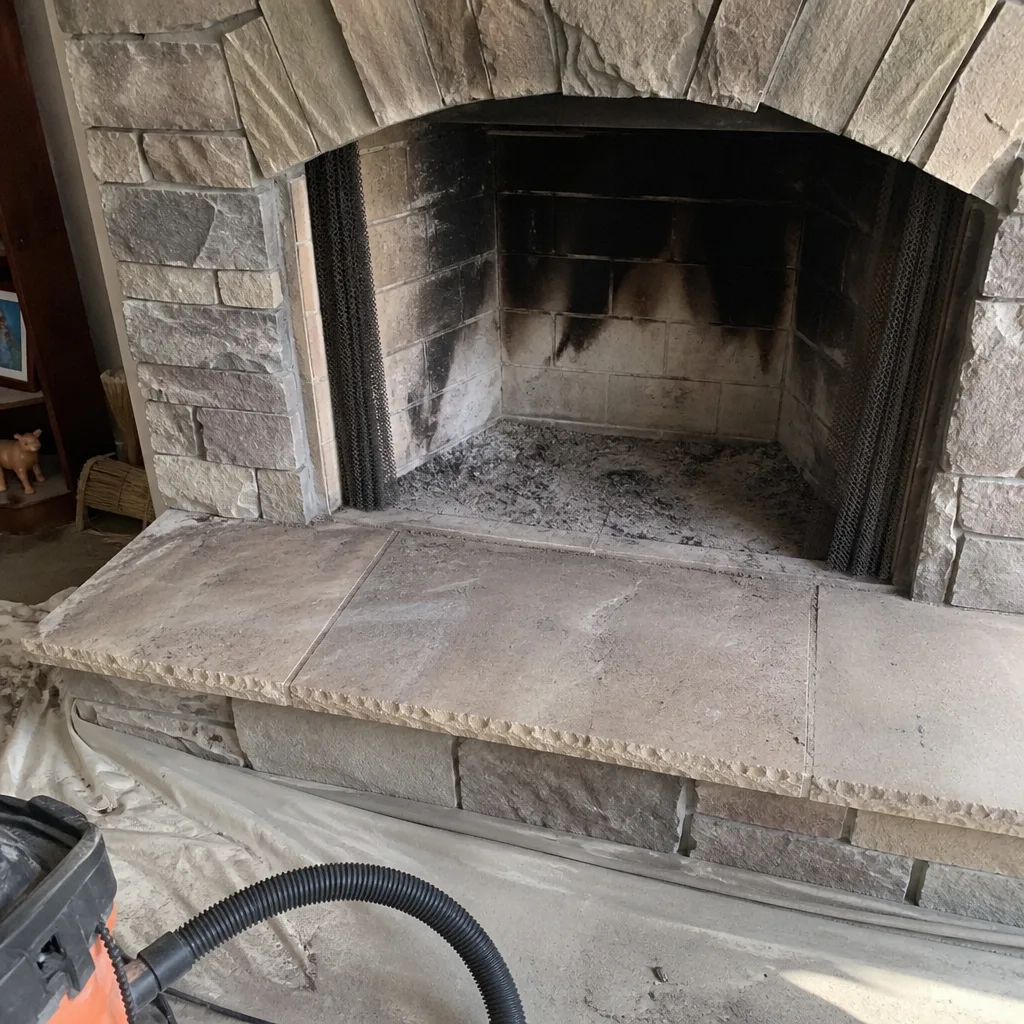 Before
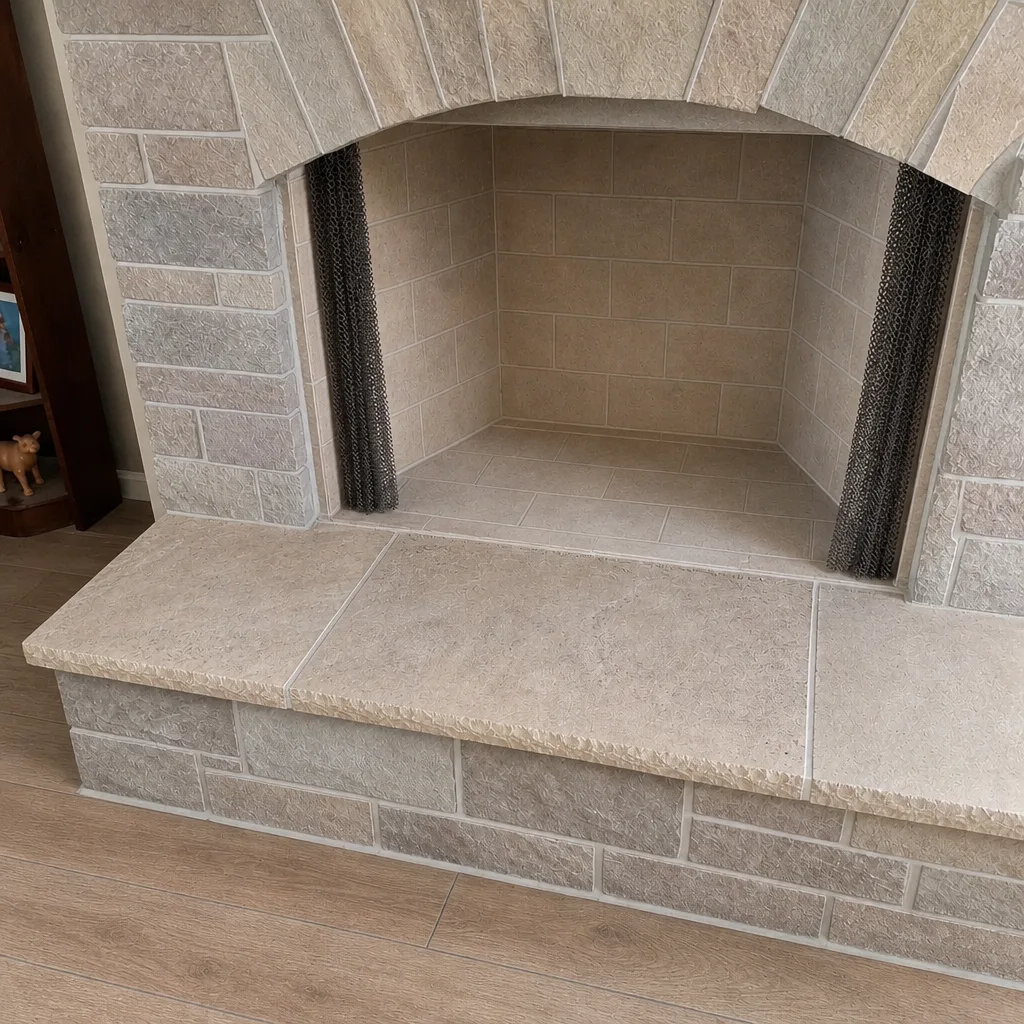 After
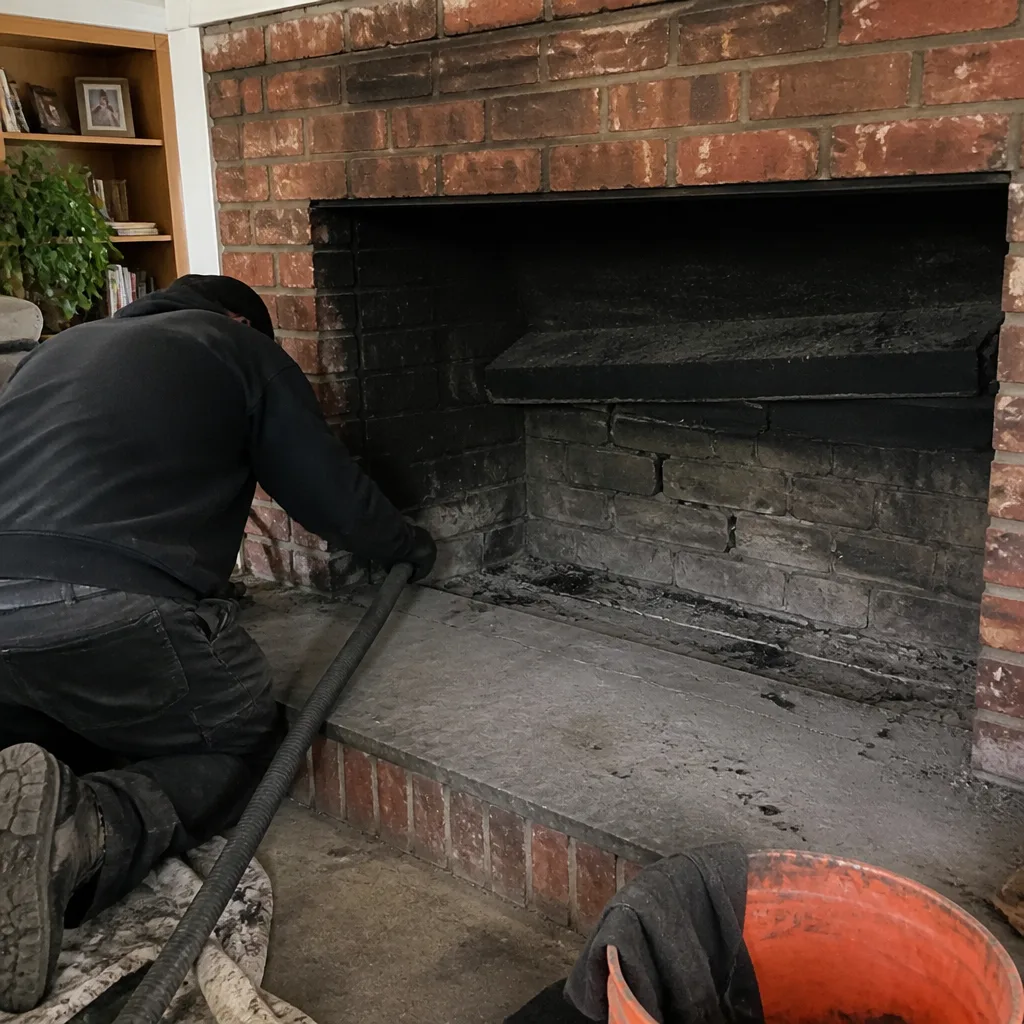 Before
 After
 Before
 After
When to Call a Professional
Call a professional when a chimney shows symptoms you cannot explain safely. Persistent odors from the fireplace, soot streaks around the firebox, visible cracks in the flue tiles, water stains on the exterior masonry, a draft that’s gotten worse, or an appliance that back-drafts all warrant an inspection before the next burn season. In Murphy Creek, the seasonal rhythm matters: book a sweep before the first cold snap, not during the busy stretch when every household in the region remembers at once. If you’ve never had a camera inspection, that’s the first call. If you’re considering a repair or a liner, the second call is a quote you can read against the benchmarks above. Chimney Sweep Murphy Creek offers free estimates in Murphy Creek. Call (833) 468-5972. We answer 24/7. Fast dispatch from 7am to 7pm, Sunday through Friday.
Frequently Asked Questions
Sweep pricing depends on the flue and what’s included – a basic sweep versus a sweep with camera inspection and a photo report. The number that matters is the estimate in writing: the price is set per job before work starts, so ask what’s included before you book. Call (833) 468-5972 for an exact quote – estimates are free.
Recognized industry brands like DuraFlex liner systems, HeatShield, Gelco, Olympia Chimney, Famco, and Copperfield are specified by chimney professionals nationwide, so seeing those names on a quote is a fair quality signal. The bigger question is whether the quote names any brand at all – “standard cap” or “premium liner” tells you nothing. Ask for the manufacturer and model on every installed item. Call (833) 468-5972 for a quote that lists them – estimates are free.
Only when the camera shows a condition that a liner solves – and only if the documented condition can’t be repaired by another method. Some cracked or spalled flue tiles can be restored with a ceramic product rather than replaced entirely, and a repair-versus-replace conversation should always be part of the estimate. Ask to see the camera footage before agreeing to anything. Call (833) 468-5972 for a camera-based assessment – estimates are free.
The standard guidance is an annual inspection and a sweep whenever creosote buildup reaches about an eighth of an inch, which for most wood-burning households means roughly once a year of regular use. Gas fireplaces are inspected less often but still inspected, because the failure modes are different, not absent. If you burn regularly in Murphy Creek, book the sweep before the burn season opens. Call (833) 468-5972 to schedule – estimates are free.
A standard sweep with inspection usually takes an hour or two, depending on how many flues and how much access the roof requires. A professional setup includes a drop cloth, a HEPA vacuum, and a sealed work area, so the room stays clean. If a camera inspection is included, add time for the footage review – it’s the part that shows what’s actually in the flue. Call (833) 468-5972 to book – estimates are free.
Creosote accumulates on the flue walls after every fire; once a fire ignites it, the result is a chimney fire, and some burn without a visible sign from inside the room. Separately, cracks or gaps that go unexamined allow combustion gases into the home. Neither risk is exotic – both are well-understood and both are caught by a routine inspection. Call (833) 468-5972 for a sweep and inspection – estimates are free.
The Bottom Line
The brand that matters in chimney cleaning is the brand of the materials installed inside your chimney – the liner, the cap, the crown coating, the sealant – and knowing which products a contractor uses tells you more about their quality standard than their yard sign or their ad copy. On a quote, look for manufacturer and model names, not marketing phrases. Ask for the UL listing on any liner system. Confirm the material meets your local code. Keep the invoice. In Murphy Creek, freeze-thaw cycling and hail make the material question more consequential than in a mild-climate market, and combustion safety makes a liner problem more urgent than it looks. A professional who can name DuraFlex or Gelco on a quote has invited you to check their work.
Call (833) 468-5972. We answer 24/7. Fast dispatch from 7am to 7pm, Sunday through Friday. Estimates are free.
Written by the team at Chimney Sweep Murphy Creek.