
Last updated November 23, 2026
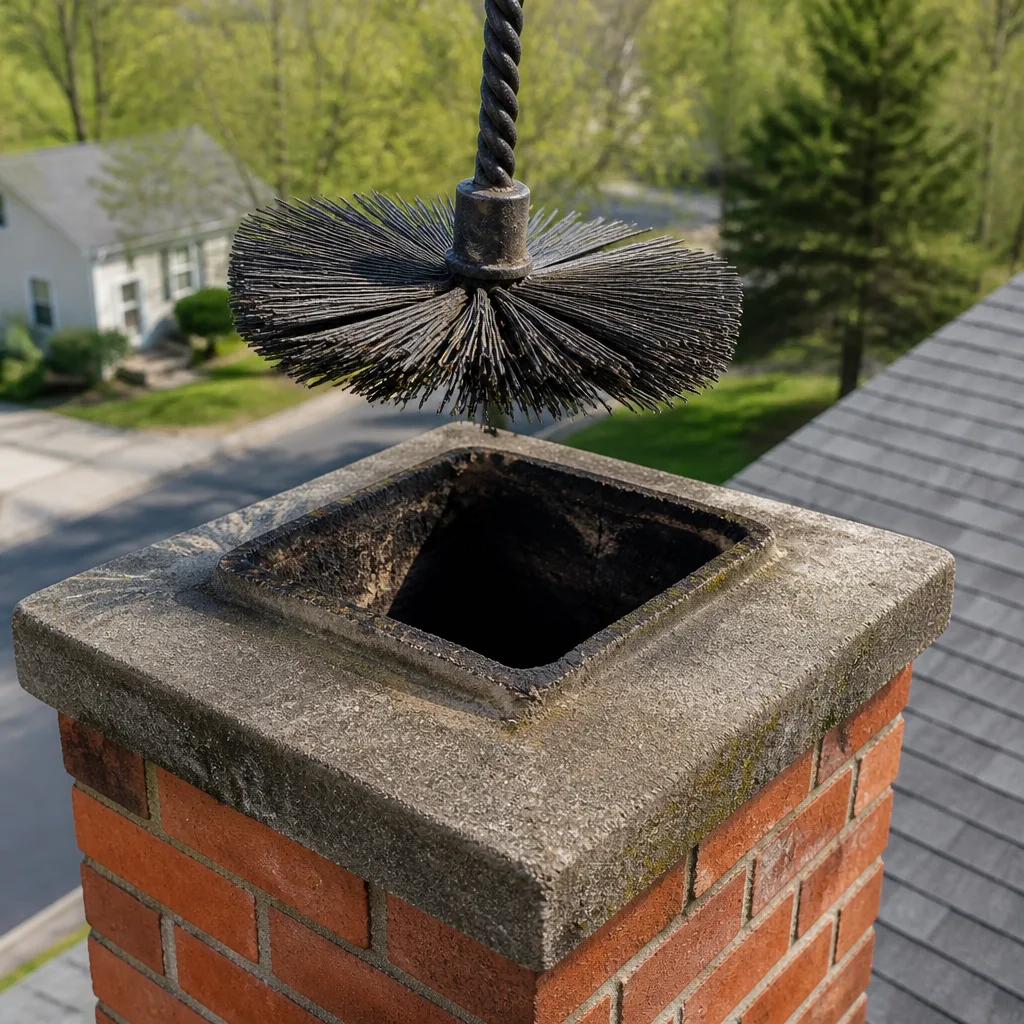 Sweep & inspection
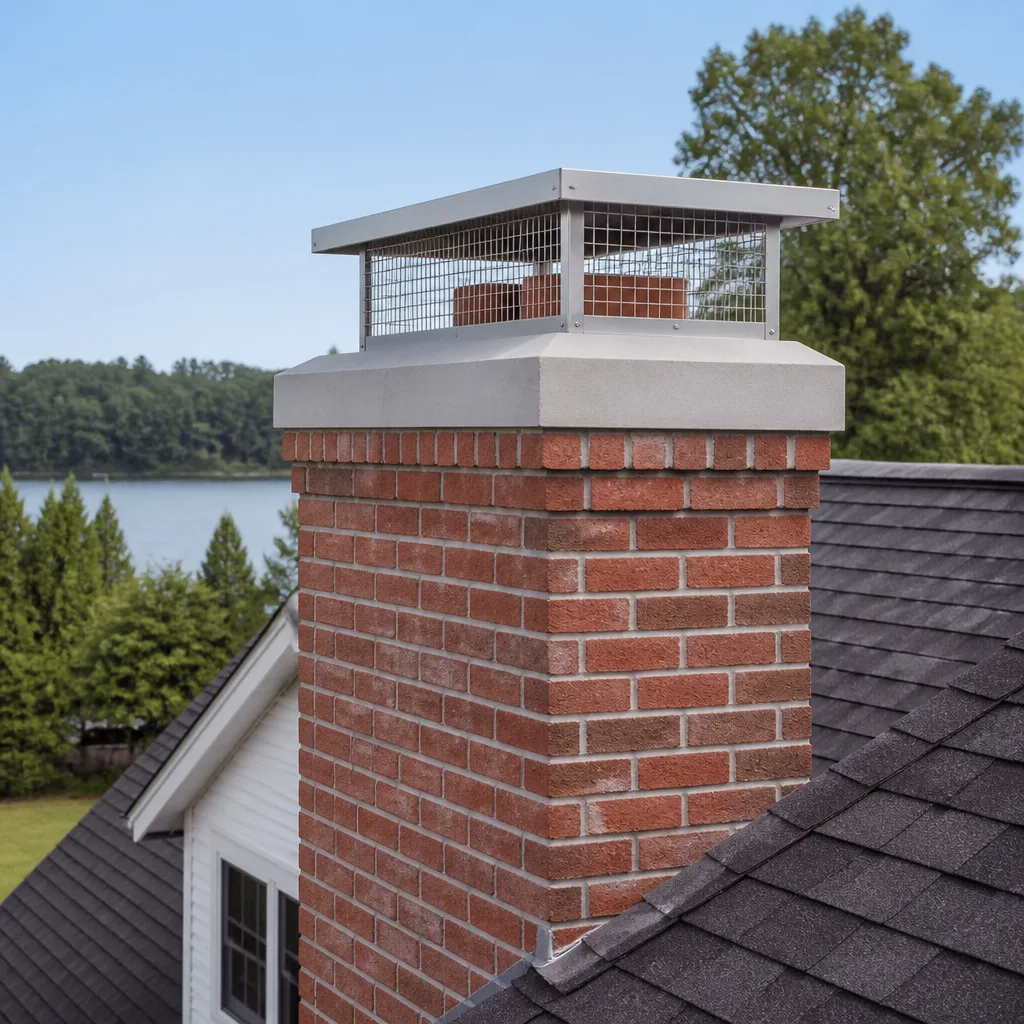 Caps & crowns
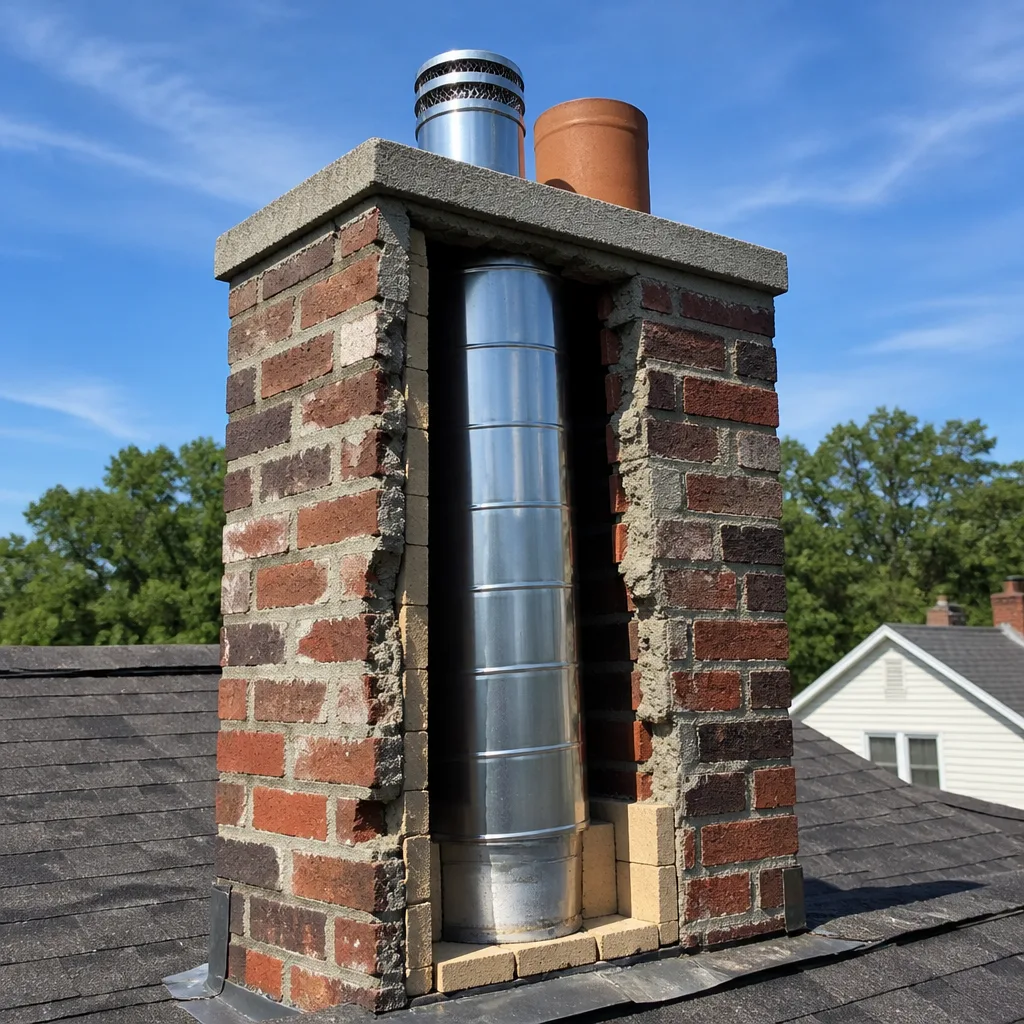 Flue relining
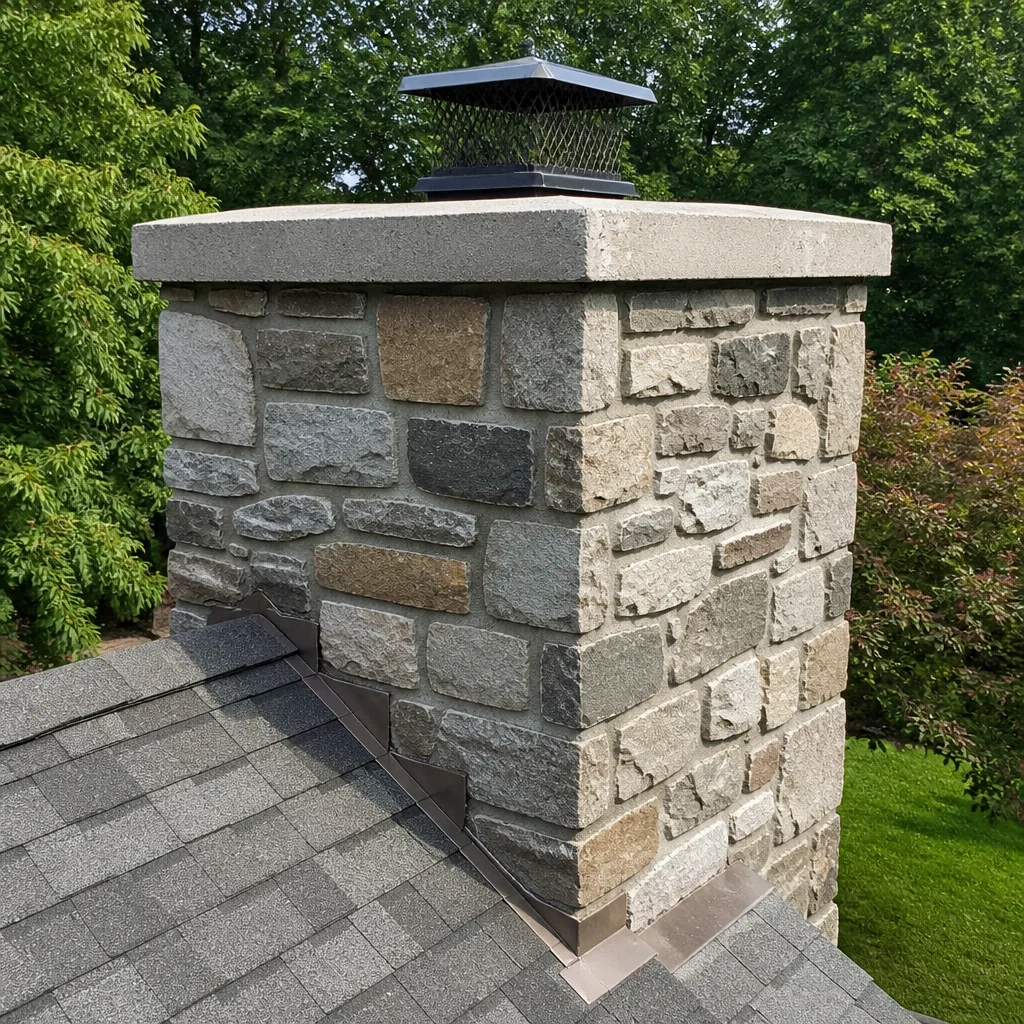 Masonry repair
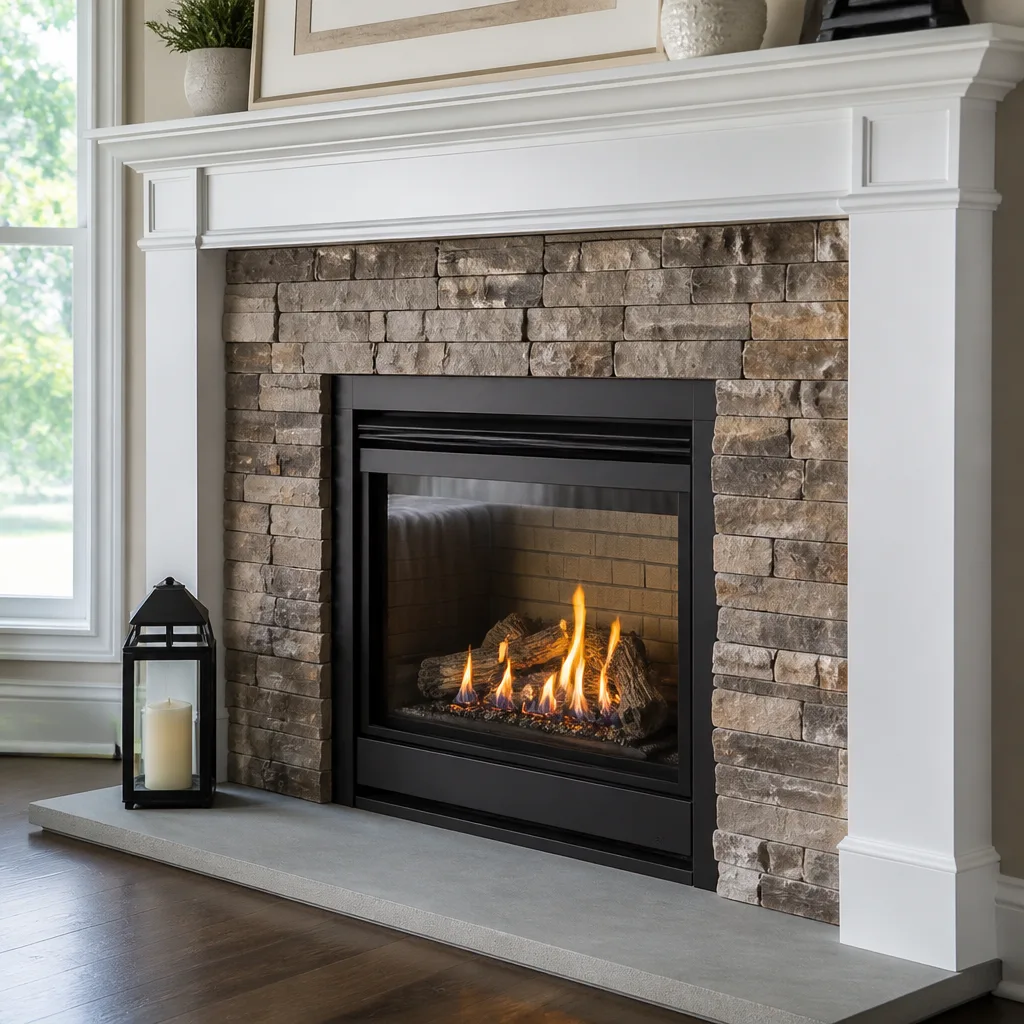 Gas fireplace service
Level 1 sweep and inspection to the NFPA 211 annual standard - flue, crown, cap, and flashing checked and photographed
Chimney sweep logs do not sweep chimneys. They loosen some creosote - which then falls where a brush and vacuum still have to collect it.
DIY vs Professional Chimney Cleaning: The Murphy Creek Homeowner’s Decision Guide
Chimney brush kits are widely available and not difficult to use. That’s the honest starting point. Nothing about running a brush up a flue requires special talent. But a brush can’t tell you that your clay tile liner has a hairline crack, and if that crack sits behind a deposit of creosote, a normal cleaning cycle leaves it exactly where it was. That gap between what a brush does and what a chimney needs is the whole debate, and it matters more in Murphy Creek, where a long heating season means the flue works hard for months. This guide sets out what you can safely handle yourself, what needs professional equipment, and where the break-even point actually sits.
Quick Answer
A homeowner can brush loose soot and light creosote from an accessible flue, but a professional sweep is the only way to inspect the liner, smoke chamber, and crown with a camera and to remove glazed creosote safely. In Murphy Creek, the smart division is simple: you monitor and keep up surface cleaning between visits, and a professional handles anything touching the liner, crown, or smoke chamber.
Styles & brands we work with
- Sweep & inspection
- Caps & crowns
- Flue relining
- Masonry repair
- Gas fireplace service
Table of Contents
- What a DIY brush sweep can and cannot accomplish
- The tasks that require professional equipment
- The break-even math: when DIY makes sense
- Safety and liability when inspection gets skipped
- A hybrid approach to extend service intervals
- Why Murphy Creek chimneys work harder than most
- Common mistakes to avoid
- When to call a professional
What a DIY brush sweep can and cannot accomplish
A brush on a flexible rod removes loose soot, ash, and the soft, flaky stage of creosote from the flue walls. That is real work, and doing it yourself between professional visits isn’t pointless. It keeps the deposit thin. But the job a brush does has a ceiling, and knowing where that ceiling sits is what separates a useful homeowner habit from a false sense of security.
Here’s an honest split of what falls on each side.
A brush sweep can:
- Remove loose soot and light, powdery creosote from a straight flue section
- Clear a bird or leaf nest from the top of the flue if you can safely reach the crown
- Knock down a fresh deposit before it hardens into glaze
A brush sweep cannot:
- See inside the flue. The brush passes; the camera examines.
- Remove glazed creosote, the hard, shiny third-stage deposit that bonds to the tile. A brush skates over it.
- Detect a cracked or spalled flue tile, a failed mortar joint, or a gap at the smoke chamber
- Check the crown for a hairline crack that lets water into the masonry
- Test the gas path for leaks or confirm a liner is sized correctly for the appliance
Most homeowners in Murphy Creek can handle the first list. The second list is where a chimney sweep earns the visit. It’s not that you can’t push a brush. It’s that the brush doesn’t report back. If you want a sense of how a full sweep differs from a quick brush-down, our chimney sweep page walks through what a professional pass covers from the firebox to the cap.
The tasks that require professional equipment (and why)
Three pieces of equipment separate a professional cleaning from a homeowner brush-down, and each one addresses a specific blind spot. Rotary cleaning systems use a spinning head that scrubs glazed creosote off the tile instead of sliding past it. Closed-circuit camera inspection sends a lens down the flue so the liner is examined, not guessed at. Gas pressure testing confirms the flue is actually drafting and venting the way the appliance needs. None of these are things a brush kit includes.
Here’s how a professional cleaning in Murphy Creek typically runs, in order:
- Exterior and interior setup. Drop cloths go down, the firebox is sealed off with a dust guard, and the work zone is contained before anything moves.
- Camera inspection first. The flue is examined with a closed-circuit camera before cleaning, so the deposit stage and any liner damage are documented.
- Rotary or brush cleaning. The right tool is chosen for the deposit type. Glazed creosote gets the rotary system; light soot gets a standard brush.
- Smoke chamber and damper check. The throat area is cleaned and the damper is checked for free movement.
- Photo report and liner review. You see what the camera saw, and any recommended repair is tied to a specific image rather than a hunch.
That fourth and fifth step are the ones a DIY sweep skips. If the flue tile is cracked or spalled, restoring it may not require a full tear-out. HeatShield ceramic flue restoration resurfacing is one option a specialist can apply to repair a deteriorating liner from the inside, and it’s the kind of call that only gets made once a camera has actually looked. That’s one reason we handle inspection as its own service rather than burying it in a cleaning visit: the diagnosis comes first, and the homeowner decides what to do with it.
The break-even math: when DIY creosote brushing makes sense
Here’s the part the debate usually skips. DIY isn’t free, and neither is skipping a professional visit. The question is which cost you’re actually paying. A brush kit, rods, and a shop vacuum for the firebox run a modest one-time cost. The professional visit is a yearly or twice-yearly line item. But the deferred cost of a missed liner crack, a failed crown, or a lit chimney fire isn’t a maintenance figure at all. It’s a structural repair or a safety event.
The break-even logic breaks down like this:
- DIY makes sense when: you burn occasionally, the flue was inspected within the last year or two, you’re clearing light soot between professional visits, and you can see the crown and cap from the ground.
- DIY costs more than it saves when: you burn wood steadily through a long heating season, the flue has never been camera-inspected, you see glazed creosote on the firebox walls, or the chimney has been through a freeze-thaw cycle that could have opened the crown.
- DIY is a bad idea when: there’s any history of a chimney fire, the liner is older than the appliance, the smoke chamber has visible creosote glaze, or you can’t safely reach the roof.
For most Murphy Creek homes on a regular wood-burning schedule, the professional visit is the cheaper line over three to five years. You’re not paying for the brushing. You’re paying for the inspection that comes with it, and that inspection is what catches the expensive thing early while it’s still cheap. Prices vary by flue size, deposit level, and whether a camera inspection is included, so the written estimate is the number that matters.
Safety and liability when a homeowner bypasses inspection
This is the section nobody likes, so we’ll keep it plain. A chimney is one of the few parts of a house where a defect can turn a normal fire into something that sends combustion gases into living space. A cracked flue liner allows carbon monoxide to escape the flue and enter the home. A heavy creosote deposit in a hot flue can ignite. Neither of those is likely on any given evening, and neither is rare enough to gamble on.
What makes DIY risky isn’t the brushing. It’s the inspection that doesn’t happen alongside it. When you clean the flue yourself, you’re removing evidence of the deposit stage that tells a professional how hot the flue has been running and whether the liner is holding up. You also skip the camera check that would catch a hairline crack before the next burn season.
There’s a liability side, too. If a chimney fire or a carbon monoxide event traces back to a flue that was brushed but never inspected, a homeowner’s own records of DIY cleaning can work against them in an insurance review. Professionals document what they found with photographs, which is the record you want if anything ever goes to a claim. We can work with your insurer on documented inspection reports, and the local professional is licensed and insured as their state requires, but the documentation starts with a camera and a report, not a brush and a memory.
One safety caveat worth saying plainly: if your chimney has a heavy creosote deposit, don’t attempt a rotary cleaning yourself. The spinning tool can damage a fragile flue tile, and the dust load is a real respiratory concern. Call a trained professional. Roof access is its own hazard, and a fall from a wet pitch in Murphy Creek’s shoulder seasons is a worse outcome than any cleaning bill.
A hybrid approach: what homeowners can maintain between professional visits
The middle path is the one we’d recommend to most Murphy Creek homeowners. You handle surface-level monitoring and light upkeep; a professional handles the liner, crown, and smoke chamber. This isn’t a compromise. It’s the division of labor the equipment actually supports.
Here’s what a homeowner can legitimately do between professional visits:
- Check the cap and crown from the ground. Use binoculars. Look for cracks in the crown, a loose cap, or a rusted mesh. Don’t climb.
- Keep an eye on the firebox. If you see shiny, glazed creosote on the firebox walls, that’s a signal to book a professional cleaning sooner, not brush harder.
- Watch the draft. A fireplace that smokes into the room, smells stronger than usual, or burns sluggishly is telling you something. Note it and mention it when you book.
- Clear ash sensibly. Empty the ash pan when it’s full, and leave a one-inch bed of ash to help the next fire start.
- Burn dry wood. Seasoned wood keeps the deposit thinner than green wood, and a thin deposit is a flue that stays safe longer.
What you don’t do between visits is ignore the flue because you brushed it last month. The monitoring is the point. If you spot something on the crown, a chimney cap & crown assessment is a quick way to find out whether a hairline crack is cosmetic or letting water into the masonry. If the firebox itself has damage, fireplace repair covers what a firebox rebuild or re-pointing involves. Both start with a look, not a purchase.
Why Murphy Creek chimneys work harder than most
Murphy Creek sits in a high-use heating climate. Winters here are long and cold enough that fireplaces run steadily from fall through spring, not as an accent but as part of how the house stays warm. That means more fire cycles, more creosote accumulation, and more freeze-thaw cycles on the exterior masonry than a milder climate would produce.
Freeze-thaw matters more than people expect. Water gets into a hairline crown crack, freezes, expands, and opens the crack wider. One winter does a little. Two winters do a lot. That’s why crown inspection in Murphy Creek isn’t a nice-to-have; it’s the part of the system most likely to fail quietly. A cape and crown job protects the top of the chimney from exactly this cycle, and it’s cheaper than repointing masonry after a crack has spread down the stack.
Newer construction in Murphy Creek tends to have factory-built fireplaces with metal liners, while older homes often carry clay tile liners that have been through plenty of burn seasons. Those clay tiles are where liner cracks show up first, and where a camera inspection is worth the visit on its own. We use recognized professional-grade materials when a repair is needed: DuraFlex liner systems for flexible relining, HeatShield for ceramic flue restoration, and products from Olympia Chimney and Copperfield for caps and venting components. Naming them matters because a liner replacement isn’t a commodity swap. The component has to match the appliance, the flue size, and the venting the chimney actually provides.
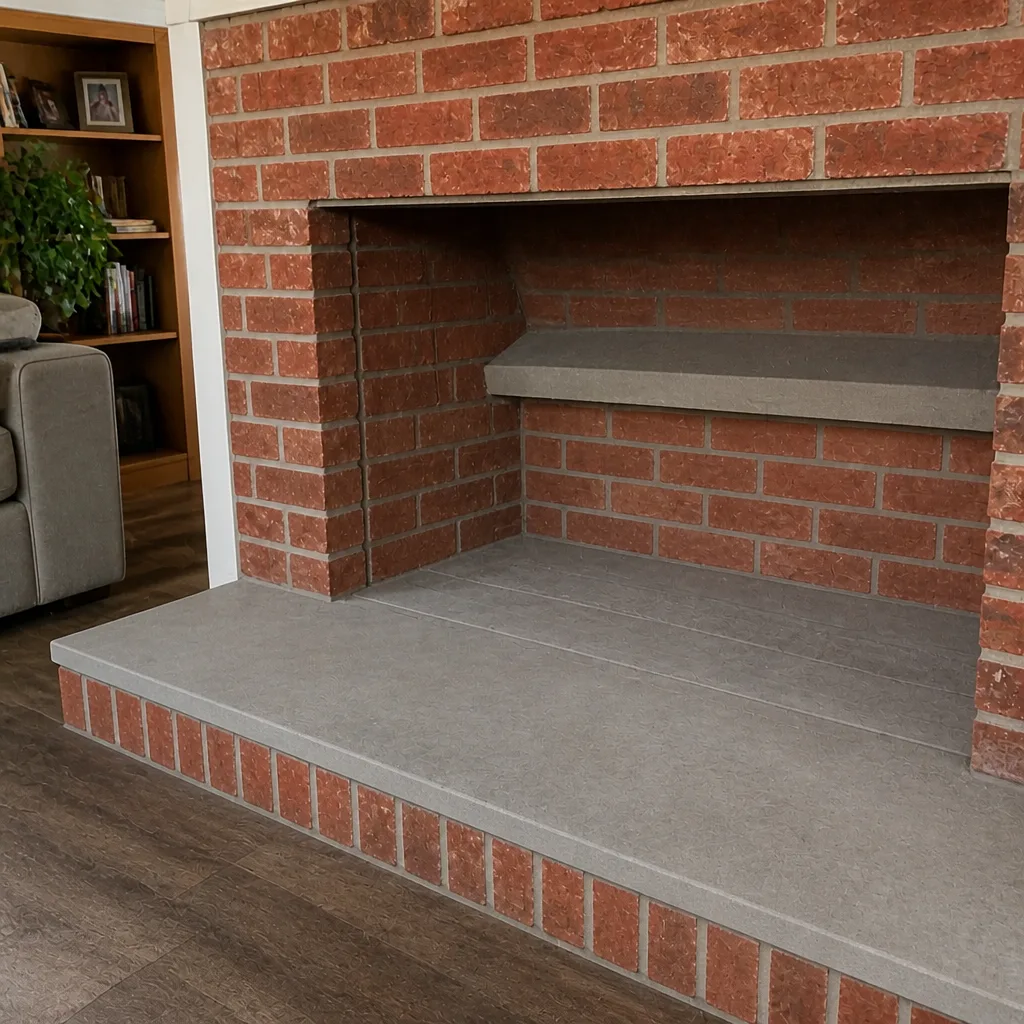
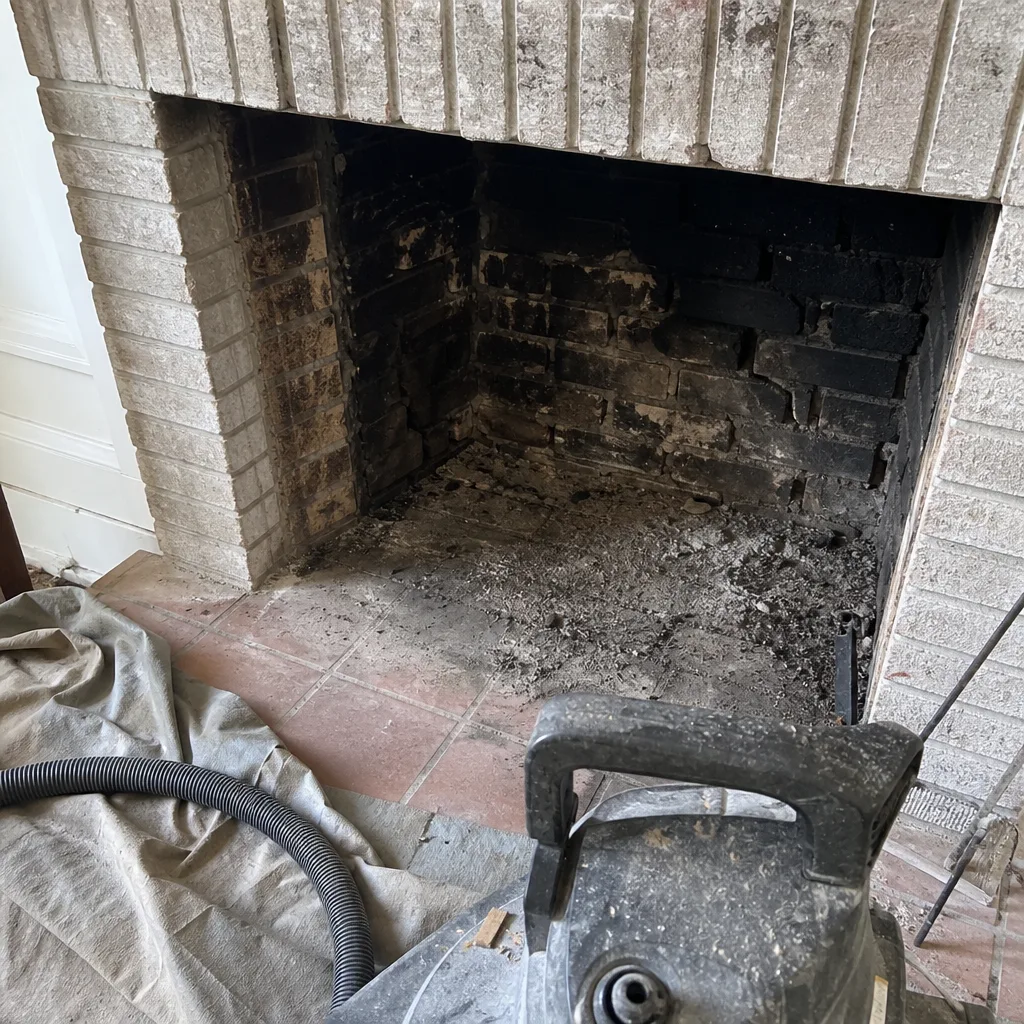
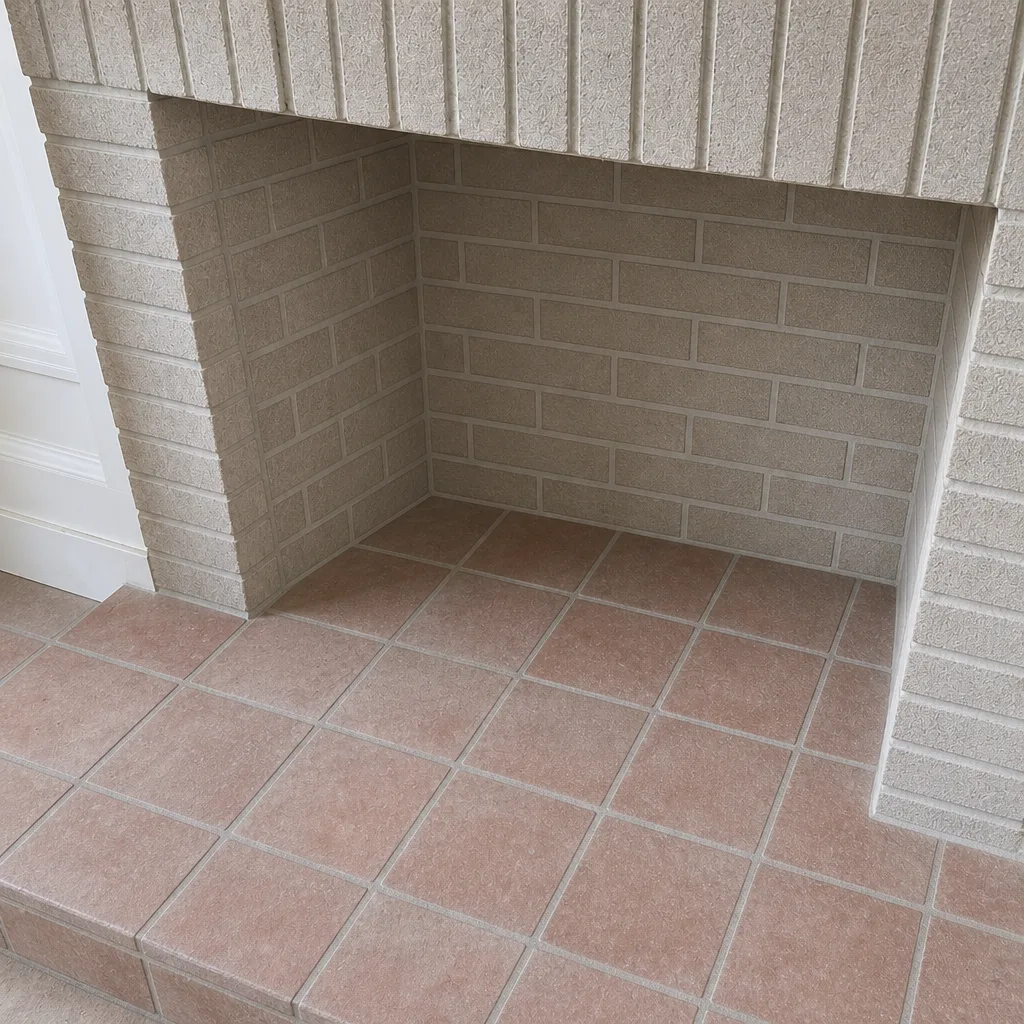
See the difference
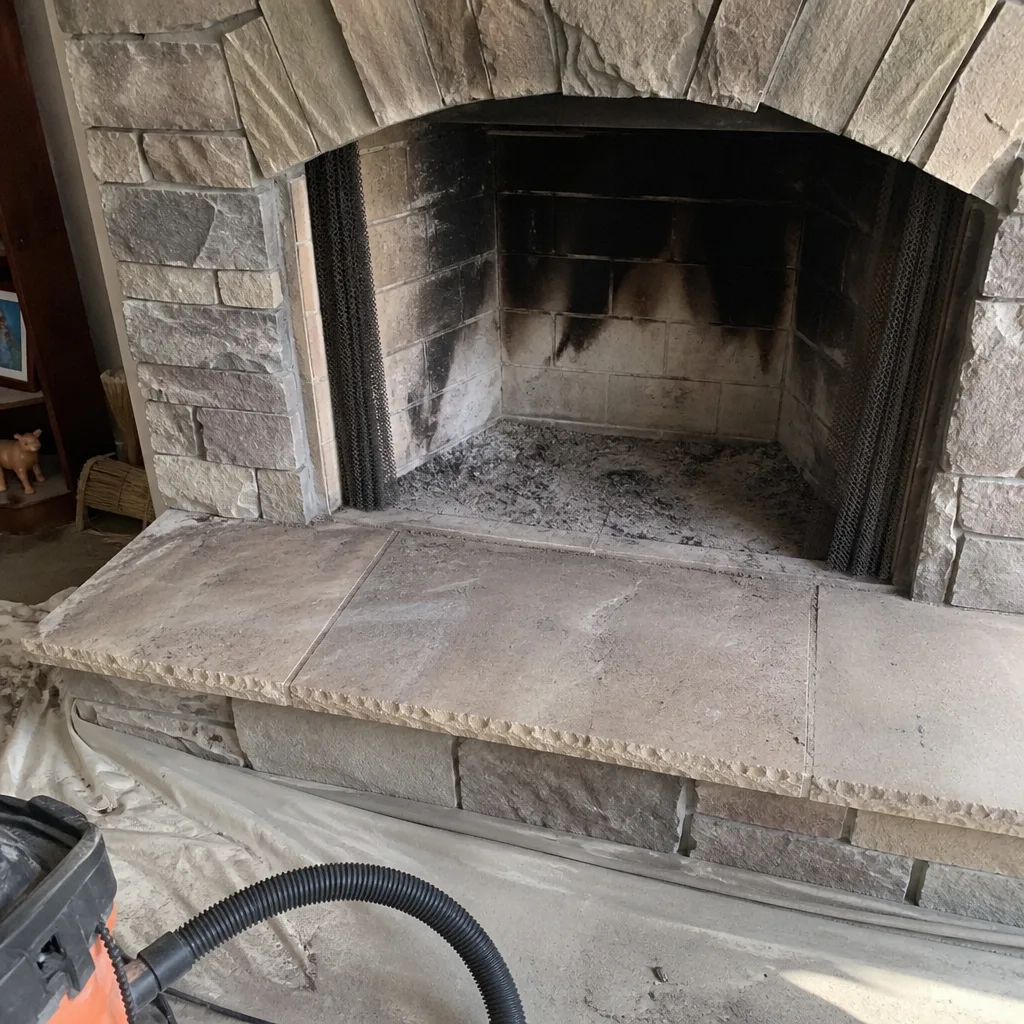 Before
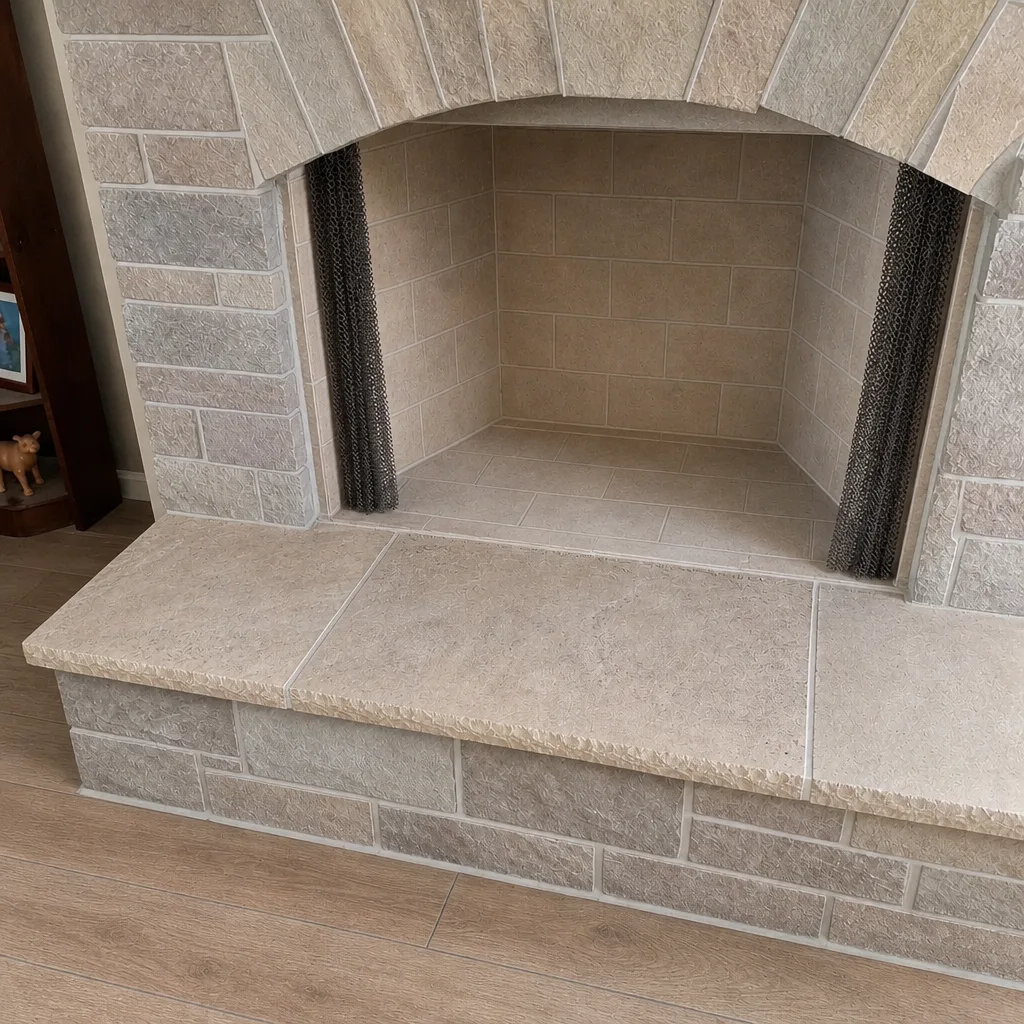 After
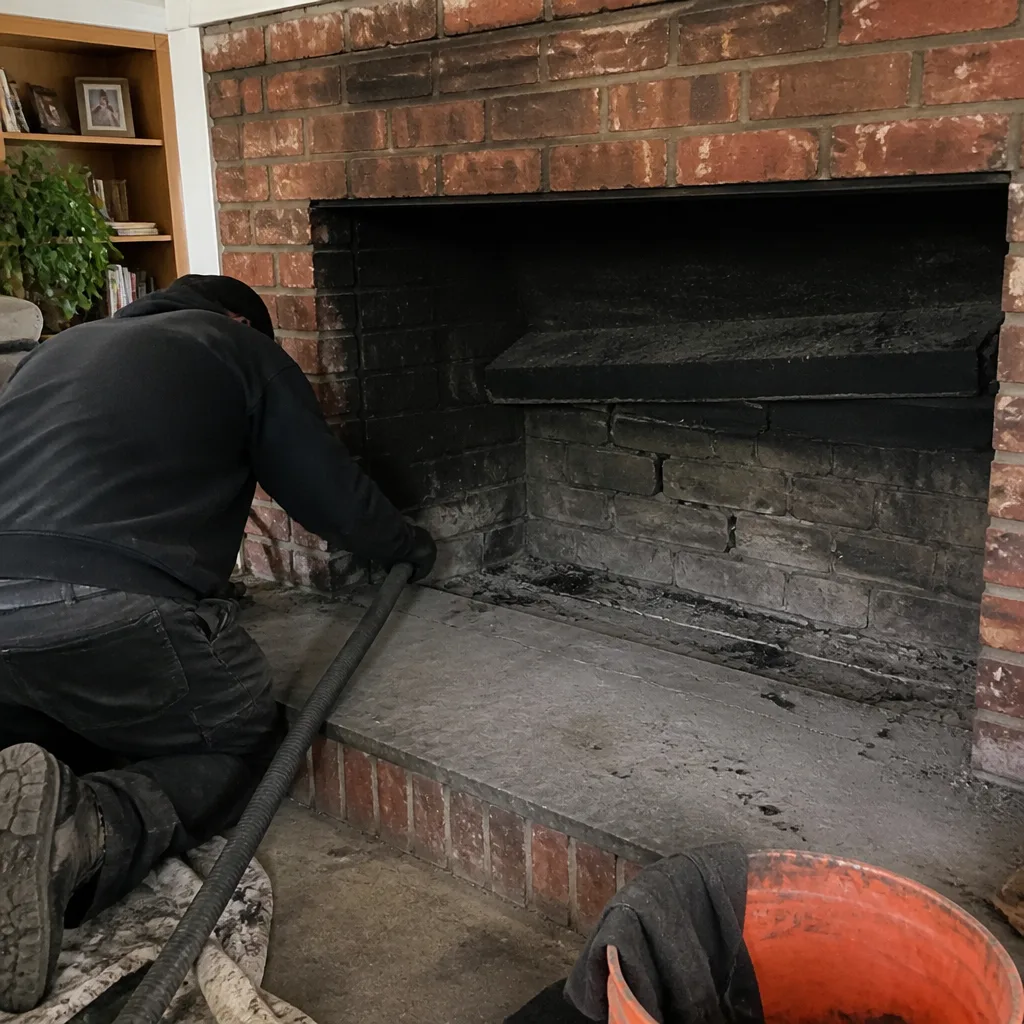 Before
 After
 Before
 After
Common Mistakes to Avoid
- Assuming a brush sweep is the same as an inspection. The brush clears deposit; the camera finds damage. Doing one without the other leaves the liner unexamined for another season.
- Brushing glazed creosote with a standard brush. Third-stage creosote bonds to the tile and a brush slides over it. A rotary system is built for that deposit, and a homeowner tool can damage a fragile tile trying to force it.
- Climbing on the roof to check the cap or clear a nest. A wet or frosty pitch in Murphy Creek’s cooler months is a fall hazard, and a fall from that height is a serious injury. Look from the ground and let a professional handle the roof work.
- Skipping the crown because the firebox looks fine. The crown is exterior masonry, and its cracks fill with water and widen through freeze-thaw. A sound firebox says nothing about the top of the stack.
- Burning green or unseasoned wood to save on fuel. It leaves more creosote per burn, so the flue deposit thickens faster and the next cleaning comes sooner.
- Putting off a professional visit because the fireplace still draws. A cracked liner can draft fine and still allow combustion gases into the home. Draft isn’t a test for liner integrity; a camera is.
- Treating a DIY clean as a record for insurance. Without photographs and a camera report, there’s no documentation of the flue’s condition, which is exactly what an insurer wants to see after a chimney fire.
When to Call a Professional
Call a professional if any of these are true: you’ve never had the flue camera-inspected; you burn wood steadily through the heating season; you see glazed creosote on the firebox walls; the crown has a visible crack or the cap is loose; the fireplace smells stronger than usual or smokes into the room; you’ve had a chimney fire on record; or the liner is older than the appliance. Any one of those is enough. And if you’re not sure which applies, a standalone inspection answers the question without a cleaning upsell attached.
Our technicians have up to 10 years of experience, and we work from the firebox to the crown on a single visit. Chimney Sweep Murphy Creek offers free estimates in Murphy Creek. Call (833) 468-5972. We answer 24/7. Fast dispatch from 7am to 7pm, Sunday through Friday.
Frequently Asked Questions
Yes, you can brush loose soot and light creosote from an accessible flue, and it’s a reasonable habit between professional visits. What you can’t do with a brush is inspect the liner, smoke chamber, or crown, or remove glazed creosote. If you brush the flue yourself, still book a professional inspection at least once a year so the liner is actually examined with a camera. Call (833) 468-5972 for an exact quote; estimates are free.
Most wood-burning chimneys in Murphy Creek need professional cleaning once a year, and a heavier burner or a home with a long heating season may need it twice. The rule of thumb professionals use is based on deposit thickness, not the calendar, so an inspection is the honest way to know. If you’ve been brushing between visits, that doesn’t reset the clock on a professional sweep. Call (833) 468-5972 for an exact quote; estimates are free.
Glazed creosote is the hard, shiny third-stage deposit that bonds to the flue tile after repeated hot burns. A standard brush slides over it instead of scraping it off, and forcing it with a homeowner tool can crack a fragile clay tile. A rotary cleaning system is built for this deposit, and it’s the reason a professional visit is the right call rather than a harder brush. Call (833) 468-5972 for an exact quote; estimates are free.
No, and that’s the point of the camera inspection. A professional sweep finds the deposit level and the liner condition, and then tells you what each one actually requires. HeatShield ceramic flue restoration can resurface a deteriorating liner without a full tear-out when the damage suits it, and a liner in good condition needs nothing at all. Nothing is recommended without camera evidence you can see for yourself. Call (833) 468-5972 for an exact quote; estimates are free.
Nothing dramatic most of the time, which is exactly why a skipped season feels safe. The deposit gets thicker, the liner goes unexamined for another year, and a crack that could have been caught early has another heating season to widen. The risk compounds quietly, and creosote in a hot flue can ignite while the liner damage that lets combustion gases into the home stays invisible until a camera finds it. Call (833) 468-5972 for an exact quote; estimates are free.
It can, if the tile is already fragile. A firm brush on a spalled or cracked clay tile can open the damage further, and a homeowner won’t see the crack afterward because there’s no camera on the end of the rod. A professional inspection before the first DIY clean tells you whether the flue is solid enough to brush at all. Call (833) 468-5972 for an exact quote; estimates are free.
The Bottom Line
DIY chimney cleaning isn’t a capability question. Most homeowners can push a brush. It’s a coverage question: a brush clears the flue, but it doesn’t inspect it, and inspection is what catches the crack, the failed crown, and the glazed creosote before they become a repair or a safety event. In Murphy Creek’s long heating season, the hybrid approach is the sensible one. You monitor the firebox and the crown from the ground, burn dry wood, and keep light soot down between visits. A professional handles the liner, smoke chamber, and crown with a camera and the right tools, and HeatShield or a DuraFlex liner is a call made on the evidence of a photo report, not a sales pitch. Start with an inspection. Everything else follows from what it shows.
If you want an honest diagnosis before any work is recommended, call Chimney Sweep Murphy Creek at (833) 468-5972 for a free estimate. We answer 24/7. Fast dispatch from 7am to 7pm, Sunday through Friday. From the firebox to the crown, one call covers the sweep, the inspection, and any repair a camera finds. Chimney Sweep Murphy Creek.
Written by the team at Chimney Sweep Murphy Creek.