
Last updated November 23, 2026
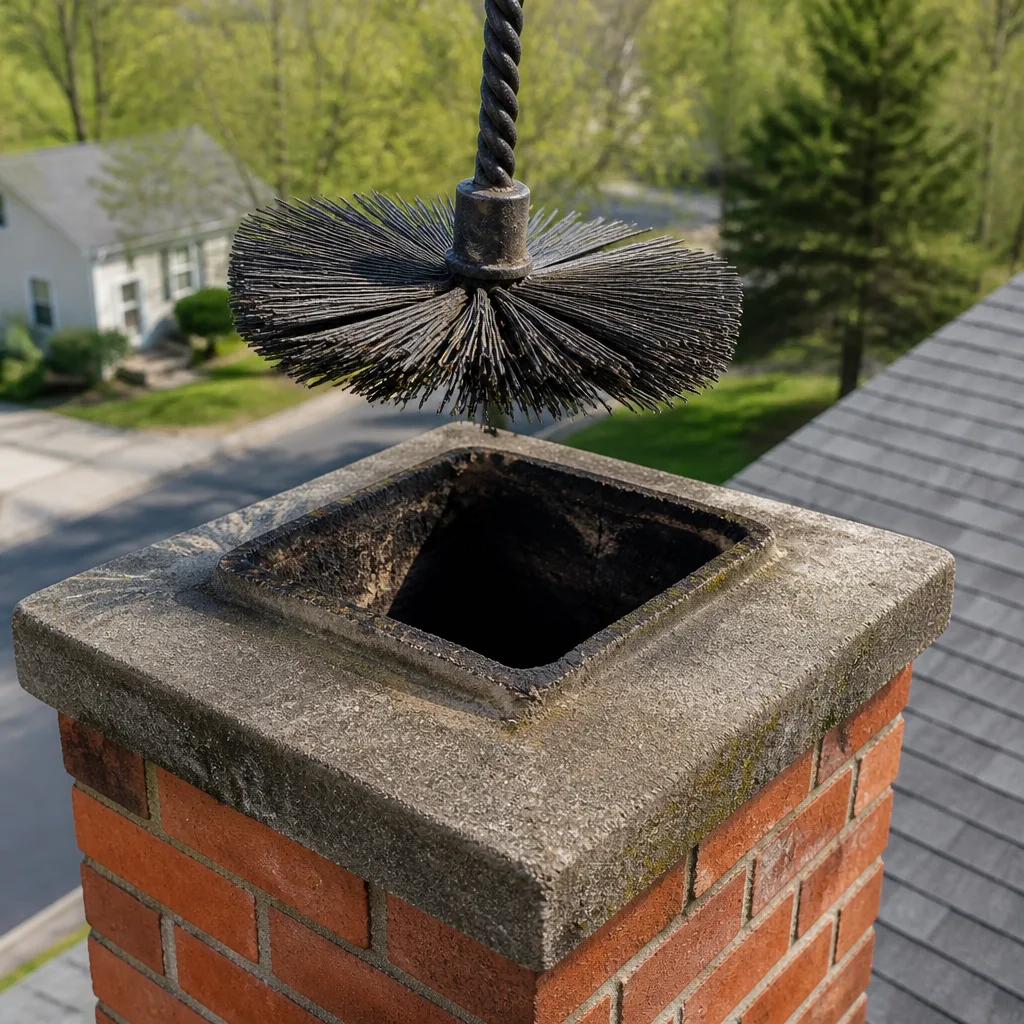 Sweep & inspection
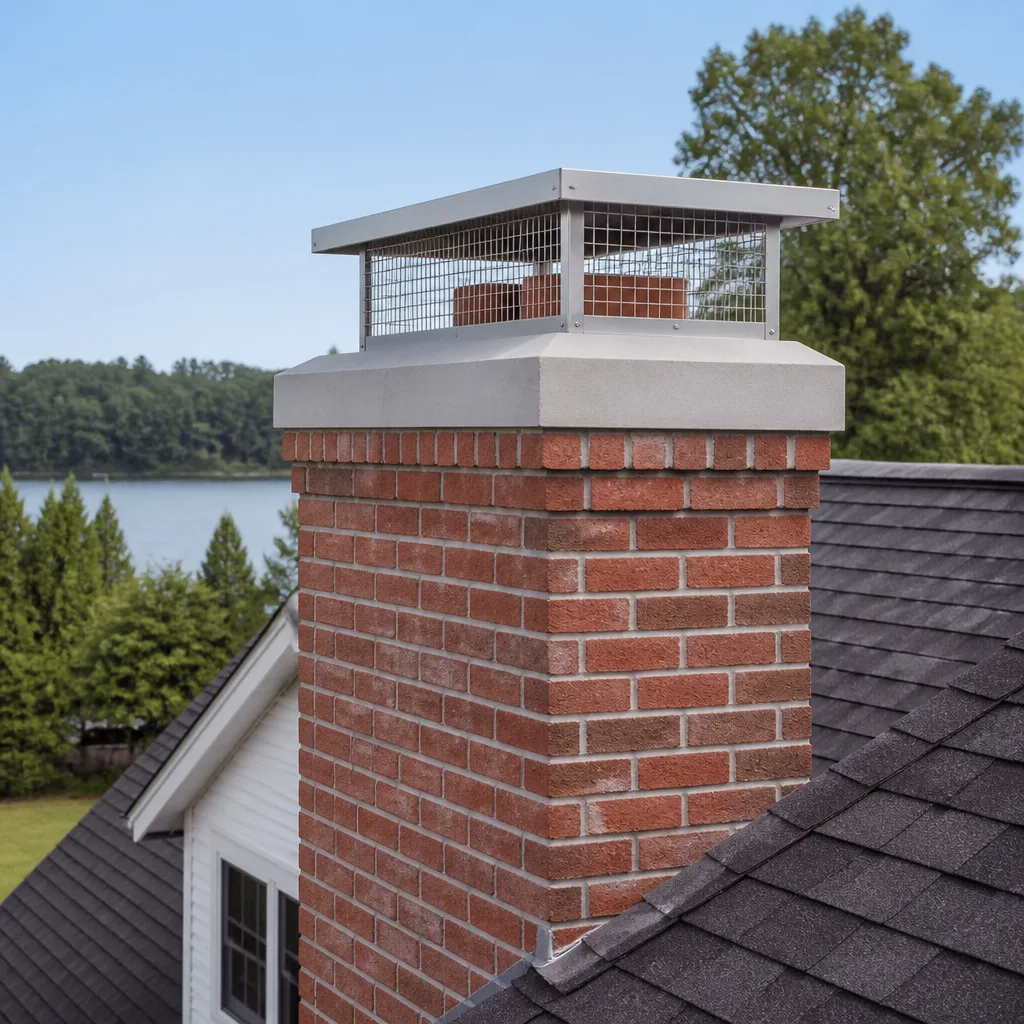 Caps & crowns
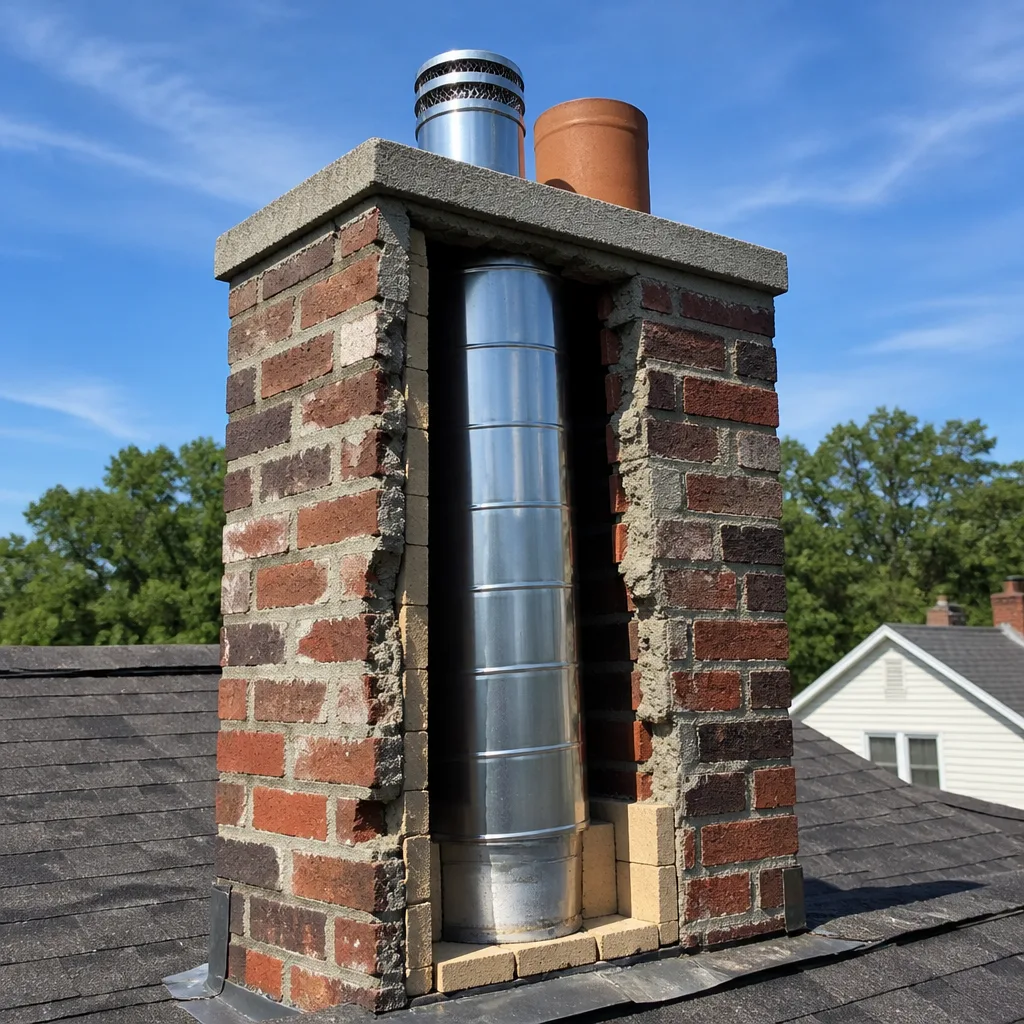 Flue relining
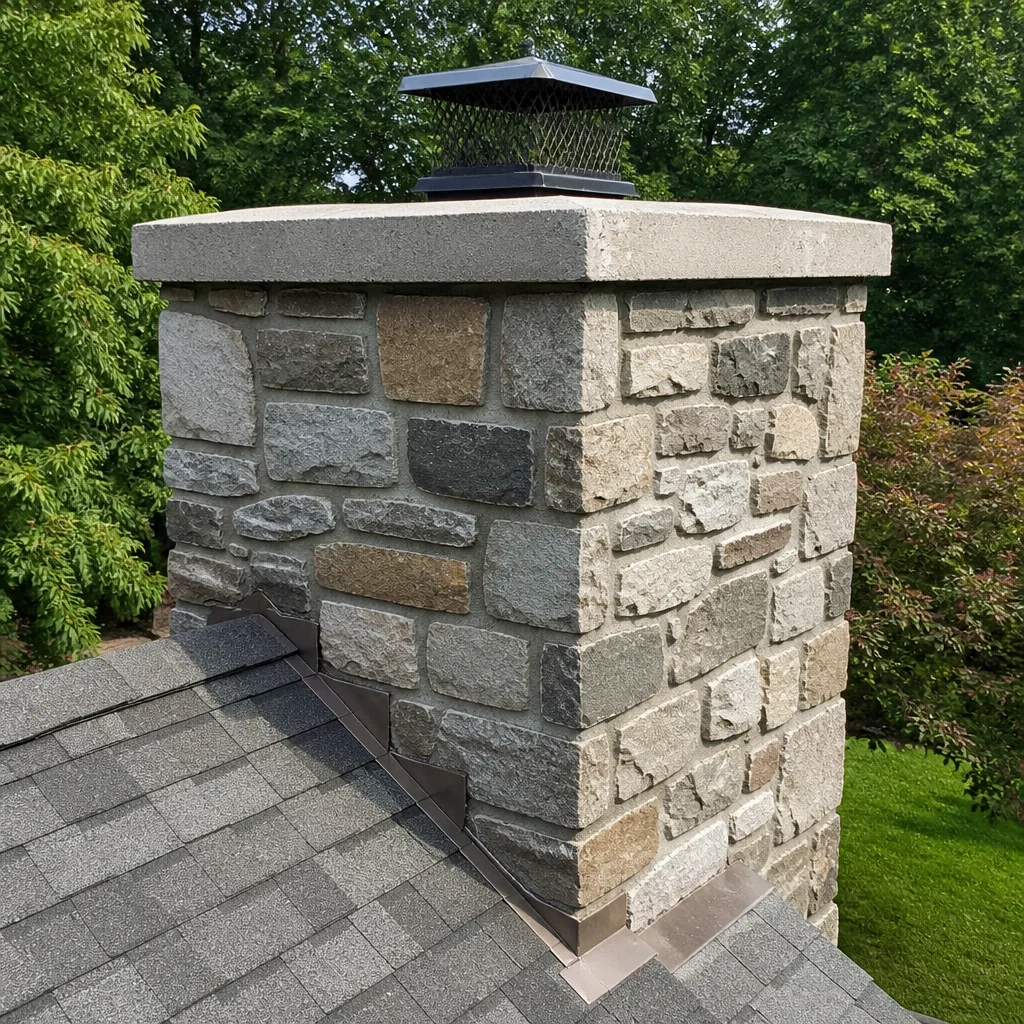 Masonry repair
 Gas fireplace service
Level 1 sweep and inspection to the NFPA 211 annual standard - flue, crown, cap, and flashing checked and photographed
Chimney sweep logs do not sweep chimneys. They loosen some creosote - which then falls where a brush and vacuum still have to collect it.
Chimney Sweep Maintenance Schedule: What to Do and When
One cord of wood burned in a season produces more creosote than most homeowners expect. A single annual sweep is not a maintenance schedule; it’s the minimum floor. The national recommendation to sweep once a year was written for average use, and homes in Murphy Creek don’t see average use. When a fireplace runs from October through April against long Colorado winters and a hard freeze-thaw cycle, a once-a-year checkbox leaves gaps. This guide maps every maintenance action to the right season and usage threshold so you know what to do and when.
Quick Answer
Most Murphy Creek wood-burning chimneys need a professional sweep once per year, ideally in late spring or early summer after the burning season ends, plus a mid-season inspection if you burn more than two cords of wood. Homeowners should check the cap, test the damper, and keep a burn log themselves, while sweeping, liner inspection, and any repair work belong to a credentialed specialist. The right schedule is task-based, not calendar-based: each part of the chimney system has its own season for care.
Styles & brands we work with
- Sweep & inspection
- Caps & crowns
- Flue relining
- Masonry repair
- Gas fireplace service
Table of Contents
- Why Murphy Creek Chimneys Need More Than an Annual Sweep
- The Month-by-Month Maintenance Calendar for Colorado
- The “Cords Burned” Trigger: When to Book a Mid-Season Inspection
- What Spring Post-Season Inspection Catches That October Misses
- Homeowner Tasks vs. Credentialed Sweep Work
- How to Log Chimney Maintenance for Insurance and Resale
- Materials That Hold Up in Murphy Creek’s Freeze-Thaw Cycle
- Warning Signs That Reset the Schedule
Why Murphy Creek Chimneys Need More Than an Annual Sweep
A chimney in Murphy Creek faces two forces that most chimney advice ignores: a long, cold burning season and a freeze-thaw cycle that works on masonry from the outside in. The average national recommendation assumes a fireplace used for ambiance a few dozen times a year. A Colorado fireplace used as supplementary heat runs hundreds of fires, and each one lays down another film of creosote on the flue walls.
Creosote comes in stages. Fresh soot brushes away easily. Glazed, hardened creosote bonds to the flue tiles and needs more aggressive removal. The difference between the two is time and heat, which is exactly why your schedule matters. A chimney swept every spring starts each new season clean. A chimney swept every few years carries last season’s deposit into the next one, where it hardens.
The freeze-thaw cycle adds a second timeline. Water gets into masonry, expands when it freezes, then thaws and contracts. Over a winter that cycle repeats many times, opening hairline cracks into wider ones. The exterior of the chimney, the crown, and the mortar joints take the worst of it, and those are the components that keep water out of the flue in the first place. That’s why a proper maintenance schedule covers the whole chimney system, from the firebox to the crown. Sweeping the flue while ignoring a cracked crown is only half the job.
Murphy Creek’s newer construction also means many homes have chimneys that are now, after a fair number of heating seasons, reaching the point where flue tiles begin to show wear and mortar joints need repointing. Catching that early is far simpler than repairing a deteriorated liner after it has allowed moisture and combustion gases into the structure. A schedule built for Colorado conditions gives you that early warning instead of a surprise.
The Month-by-Month Maintenance Calendar for Colorado
The most useful way to think about chimney care in Murphy Creek is by season. Instead of one annual task, break the year into a short list of actions, each matched to the weather and to what the chimney is doing at that time.
Spring (April and May)
- Book the post-season professional sweep. This is the most important appointment of the year, and spring is when it does the most good.
- Ask for a full inspection with a photo report so you can see the flue, cap, crown, and firebox condition.
- Schedule any cap or crown repair while the weather is mild and materials set properly.
Summer (June through August)
- Complete any liner or masonry repair identified in the spring inspection. Warm, dry weather lets sealants and mortars cure correctly.
- Do exterior checks: look for loose mortar, spalling brick, or a cracked crown. This is the season when freeze-thaw damage is easiest to repair.
- Check the cap and its spark screen for rust, sagging, or debris.
Fall (September and October)
- Run a pre-season check before the first fire: test the damper, confirm the flue is clear, and look up into the firebox with a flashlight for obvious blockages.
- Verify your carbon monoxide detector works. It belongs on the pre-season list, not the emergency list.
- Have the chimney swept before your first fire if you didn’t do it in spring, especially if you burned more than two cords last season.
Winter (November through March)
- Keep a burn log so you know how much wood you’ve gone through.
- Listen and watch: unfamiliar smells, smoke rolling into the room, or a damper that’s harder to operate are signs to book an inspection rather than wait.
- After heavy snow or ice, check the cap from the ground for visible damage.
The “Cords Burned” Trigger: When to Book a Mid-Season Inspection
Calendar dates are only half the schedule. The other half is usage. A cord of split, seasoned hardwood is a real unit of measure, and the volume of creosote a chimney accumulates tracks closely with how much wood goes through it. If you burn more than two cords in a season, a single annual sweep is not enough for a Murphy Creek home.
Here’s a workable rule: schedule a mid-season inspection once you pass the two-cord mark, or around the middle of January if you’re on pace to pass it. The mid-season inspection doesn’t always mean a full sweep. Sometimes it’s a quick camera look to confirm the flue isn’t building a heavy glaze, and sometimes it’s a sweep if the deposit is already thick enough to warrant it. The point is to catch a problem while the flue is still actively in use.
Two more triggers are worth building into your schedule:
- Change in how the fire behaves. A fire that used to draw well and now smokes, or a fireplace that suddenly smells stronger when cold, is a signal to stop relying on the calendar and book an inspection.
- Burning anything other than seasoned wood. Green wood, softwoods, and paper-heavy fires produce more creosote per cord. If you’ve burned a lot of one of those, shorten the interval.
This is the part of the schedule most homeowners skip, and it’s the part that catches problems in the middle of the season rather than after it. A chimney is easier to clean and safer to use when a heavy deposit is caught before it hardens into a glaze.
What Spring Post-Season Inspection Catches That October Misses
A spring inspection is a different animal from a pre-winter sweep. In October, everyone’s goal is “get the chimney ready to burn.” In spring, the goal is “find out what this winter did to the chimney.” That shift in focus is what makes spring the right time for the most thorough look of the year.
An October sweep cleans the flue so you can burn safely now. A spring inspection that follows a full burning season finds the cumulative wear that the winter produced. The moisture that got in, the freeze-thaw cycles that opened cracks, and the creosote that has had months to sit and set. By the time October arrives, some of that damage has been buried under a summer of exterior exposure and is harder to spot quickly.
Here’s what a spring inspection catches that gets missed later:
- Freeze-thaw cracks in the crown and masonry. These open during winter and are clearest in spring, before summer heat changes the appearance of the mortar.
- Flue tile damage. A cracked or spalled flue tile is easiest to spot when the flue is clean and examined closely, not rushed before a fast-approaching first fire.
- Water intrusion paths. Staining or efflorescence on masonry tells you water has been moving through the structure. This is the season to trace it.
- Cap and screen wear. A winter of weather takes a toll on caps and spark screens. Spring is the moment to replace a marginal one.
In our experience, spring inspections also give you the most useful thing of all: time. Repairs identified in spring can be scheduled during the summer when the weather cooperates and there’s no pressure to get the chimney back online for the first cold night. For homeowners who’ve been told they might need a liner, spring is when a close inspection and camera evidence should establish whether that’s actually true. Nothing should be recommended without visible documentation of the need.
Homeowner Tasks vs. Credentialed Sweep Work
A good maintenance schedule splits cleanly between the tasks homeowners can do safely and the tasks that belong to a specialist. Getting that line right is what keeps the schedule realistic.
What homeowners can do
- Check the cap from the ground. Look for rust, sagging, loose fasteners, or a spark screen with holes. Don’t climb the roof to do this.
- Test the damper. Open and close it a few times before the season. It should move smoothly and seat fully.
- Keep a burn log. Track cords burned and any changes in how the fire behaves.
- Do a pre-season sight check. With a flashlight, look up into the firebox for obvious bird nests, soot buildup, or debris.
- Keep the firebox clean. Remove ash periodically and check for cracks in the firebrick that you can see.
What belongs to a credentialed sweep
- The actual sweep. Brushing the flue and removing creosote safely requires the right tools, containment, and access. High-tension components and roof-level access are not homeowner territory.
- Flue and liner inspection. A proper look at the liner, including camera work when needed, takes equipment and training.
- Liner repair or replacement. A cracked or deteriorated flue liner is a safety issue: it allows combustion gases and moisture into the structure. This is repair work, not a DIY project.
- Cap and crown work. Installing or repairing a chimney cap & crown means roof-level work and getting the seal right.
- Any structural repair. Repointing, masonry repair, and flue restoration belong to a specialist.
If you’re not sure which side of the line a task falls on, the safe answer is to book a professional look. Chimney sweep work that starts as a routine visit often turns up something the homeowner couldn’t see from the firebox.
How to Log Chimney Maintenance for Insurance and Resale
A maintenance log is one of the cheapest pieces of documentation you’ll ever keep, and it pays off twice: once if you ever file a chimney-related insurance claim, and once when you sell the home.
Insurers look at chimney history differently when there’s no record. A stack of dated receipts and inspection reports showing a regular schedule tells a very different story than “we think it was swept a few years ago.” For resale, a documented maintenance history is a selling point and a disclosure cushion. Buyers and their inspectors want to see that the chimney was cared for, not just that it was used.
Here’s a simple log format that works:
- Date of service. Every sweep, inspection, repair, or cap installation gets a date.
- What was done. A short description: “swept flue, inspected liner, camera photo report included.”
- What was found. Note any issues the technician flagged, even minor ones.
- Who did the work. The company name and the written estimate or invoice number.
- Photo evidence. Keep any camera inspection photos or report in the same folder.
Keep the log somewhere you’ll actually find it: a labeled folder in your home files, or a digital folder with a clear name. When you list the house, that folder becomes part of your disclosure package. When you call for service, it tells the technician exactly what schedule the chimney has been on. If you’re buying an older Murphy Creek home, ask for the log. A missing log is not a deal-breaker, but a current inspection before closing is a smart move.
Materials That Hold Up in Murphy Creek’s Freeze-Thaw Cycle
A maintenance schedule is only as good as the materials in the chimney. The freeze-thaw cycle we’ve described is patient; it works on weak mortar, marginal caps, and off-brand components season after season until something fails. Choosing materials built for repeated freeze-thaw is part of preventive maintenance, not just repair work.
For liners, we install DuraFlex flexible liner systems, which are designed to handle the thermal cycling of a working flue. For flue restoration where the tiles are cracked or spalled but the structure is sound, HeatShield ceramic flue restoration addresses the damage without full liner replacement. That option matters in a Colorado market: it can restore a deteriorating flue and keep the chimney compliant without the disruption of a full rebuild. It’s a specialized product, and knowing when it’s appropriate versus when a full liner is required is a judgment call that depends on the inspection findings.
Caps and crowns take the brunt of the weather. We work with brands like Gelco and Copperfield for caps and accessories, and Olympia Chimney and Famco components show up across the system on many jobs. The reason we name brands is simple: they’re the same professional-grade materials specified by chimney specialists nationwide, and they hold up under conditions that off-brand components sometimes don’t. When the schedule says “inspect the cap in spring,” a cap made from a durable, correctly fitted component is one that survives the winter it just went through.
If you’re not sure what’s installed on your chimney, that’s exactly what an inspection is for. Photos of the cap, crown, and flue interior tell the technician what materials are in place before anything is recommended.
Warning Signs That Reset the Schedule
Even a well-built schedule is a guideline. Some signals mean the calendar goes out the window and you book an inspection now. None of these are reasons to panic, but all of them are reasons to act rather than wait.
- Smoke rolling into the room. A fireplace that used to draw cleanly and now doesn’t is telling you something changed in the flue or the chimney’s draft path.
- A stronger, harsher smell when the fireplace is cold. This can point to creosote buildup or moisture in the flue, and it deserves a look.
- Visible cracks, staining, or efflorescence on the exterior. Water moving through masonry shows up as white staining or dark patches. That’s a spring-inspection task that jumps the line.
- Damper trouble. A damper that’s become hard to operate or won’t seat fully is a pre-season issue that shouldn’t wait for the annual sweep.
- Sudden carbon monoxide detector alerts. This is not a maintenance issue; it’s a safety issue. Get everyone outside, ventilate, and treat the chimney as suspect until a professional has inspected it.
- A new sound from the flue. Animals, debris, and loose components can all make themselves known this way.
One more nuance specific to a Colorado winter: after a stretch of very cold nights, it’s worth a look from the ground at the cap and the crown. The freeze-thaw cycle is most active then, and a visual check is a zero-cost part of your schedule.
Common Mistakes to Avoid
- Treating a once-a-year sweep as the whole schedule. It’s the floor, not the ceiling. A Murphy Creek home burning through a long winter needs the mid-season checkpoint too.
- Sweeping in October only. Pre-season sweeping is useful, but the most thorough look of the year should happen after the season, when winter’s wear is visible and there’s time to repair it.
- Ignoring the cap and crown. They’re the weatherproofing on the whole chimney. A cracked crown lets water into the masonry and starts the freeze-thaw damage that liner replacement eventually fixes.
- Burning green or unseasoned wood. It produces more creosote per cord, which shortens the interval your schedule should follow. Seasoned hardwood is easier on the whole system.
- Letting a homeowner climb the roof for a “quick look.” Check from the ground and leave roof-level work to a professional. The view is not worth the fall risk.
- Skipping the log. A chimney with no maintenance record is harder to sell, harder to insure, and harder to inspect on schedule.
- Accepting a liner replacement recommendation without evidence. You should see camera photos and a clear explanation of why the current liner isn’t adequate before any repair is booked. If a company can’t show you what they’re talking about, ask for a second opinion.
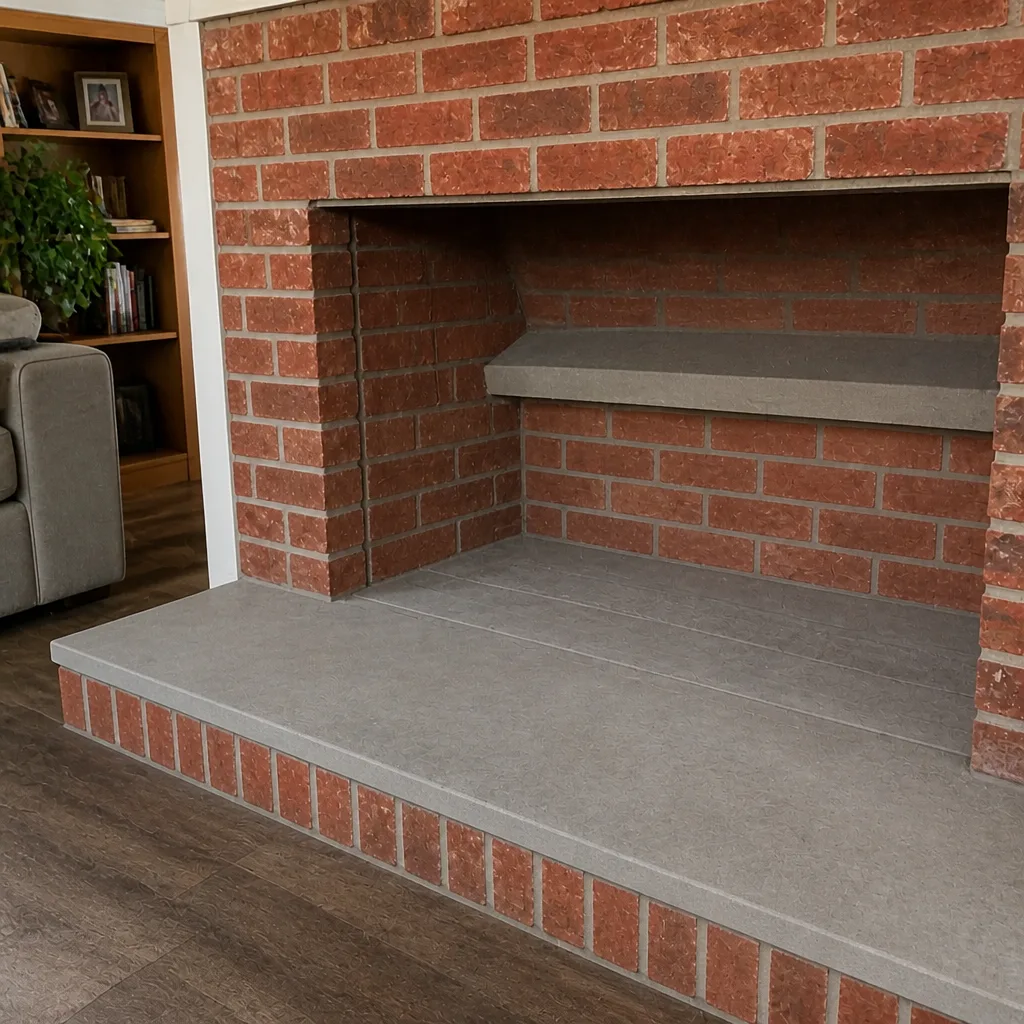
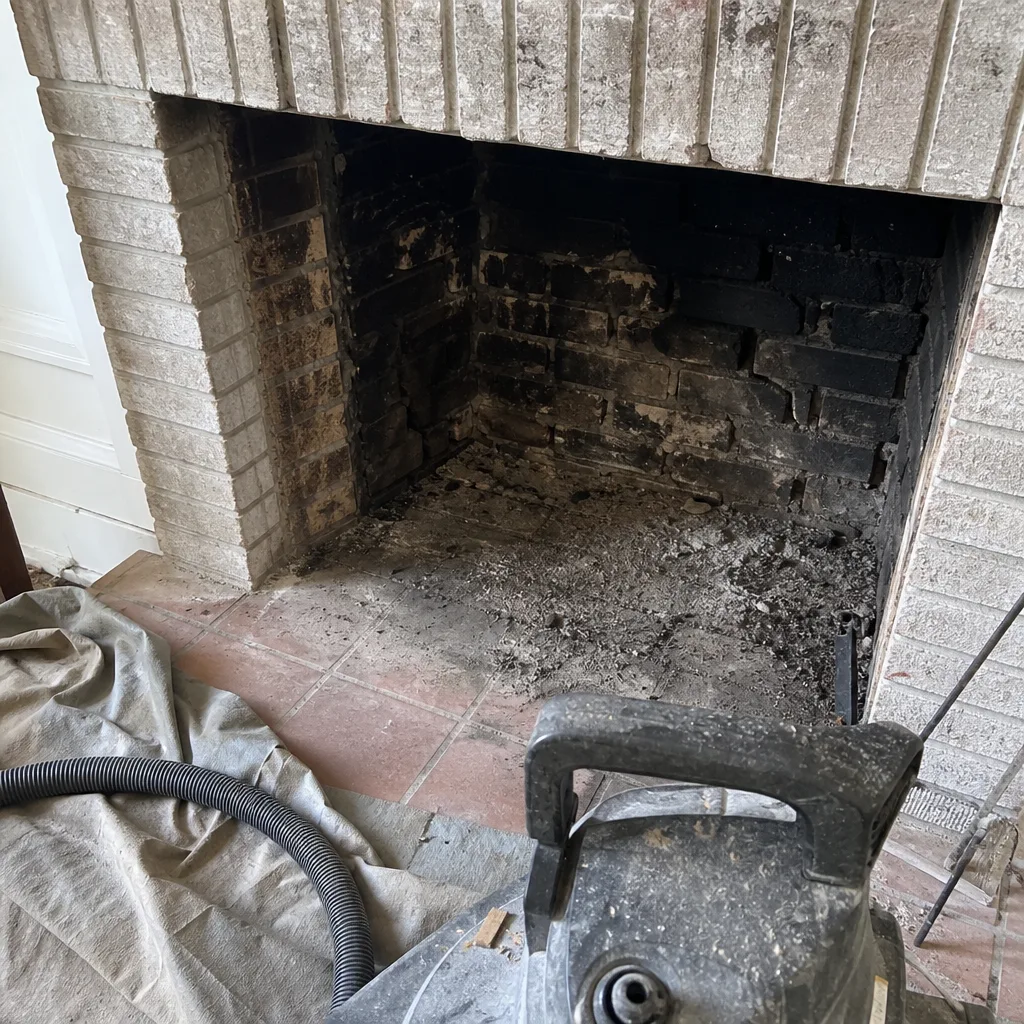
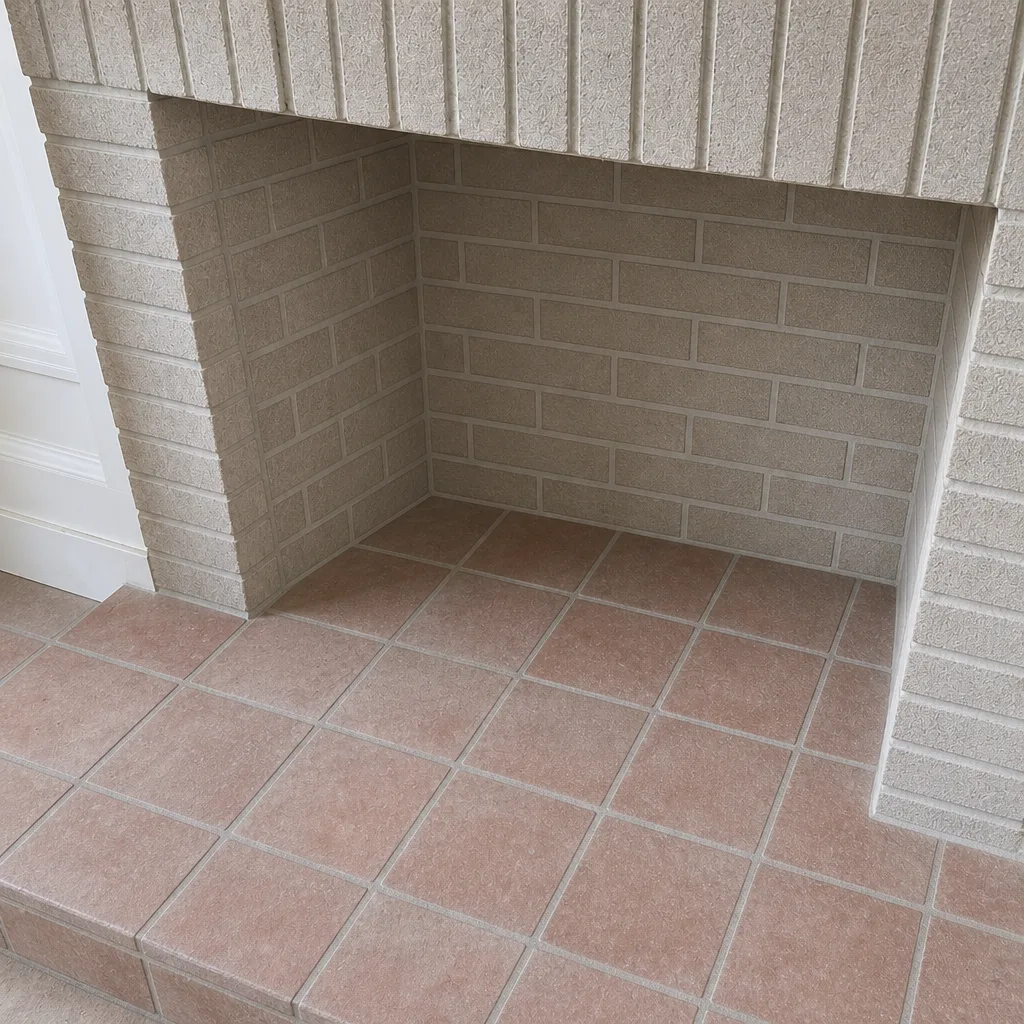
See the difference
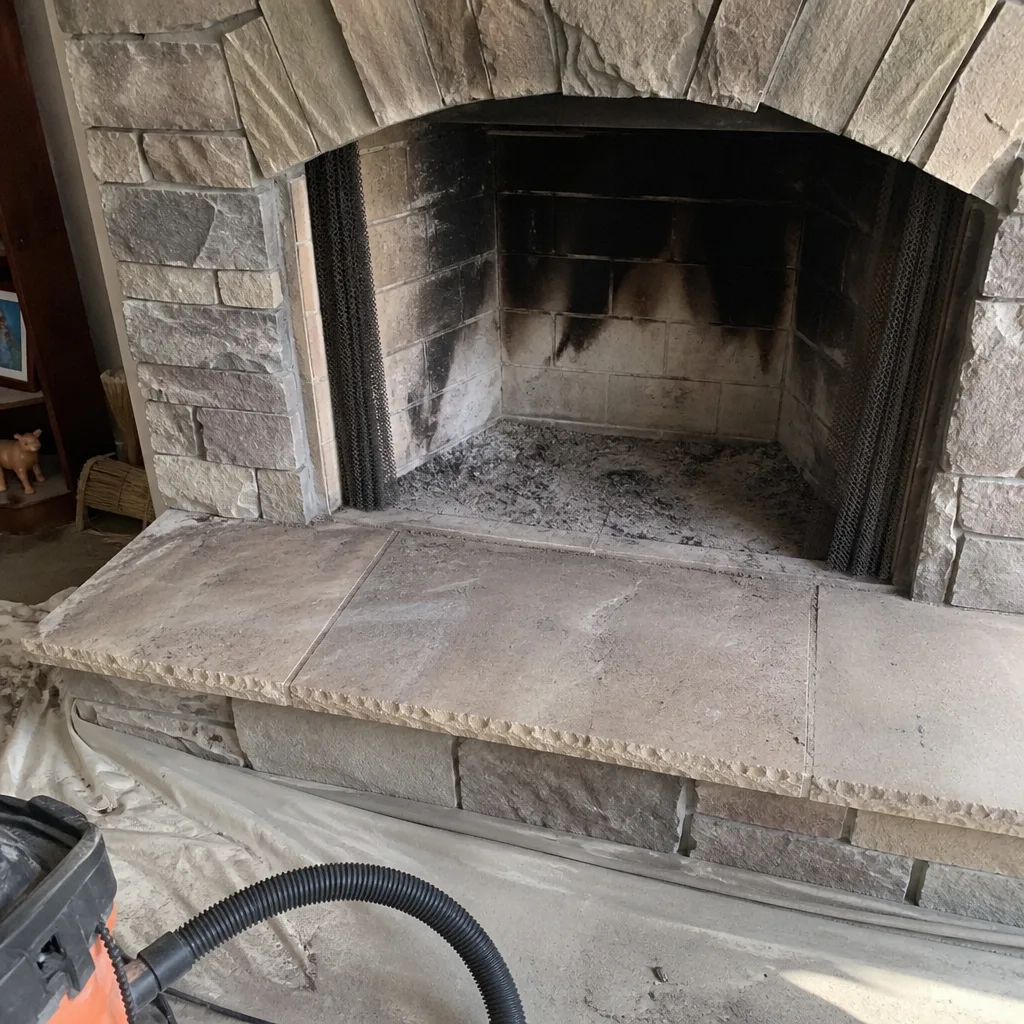 Before
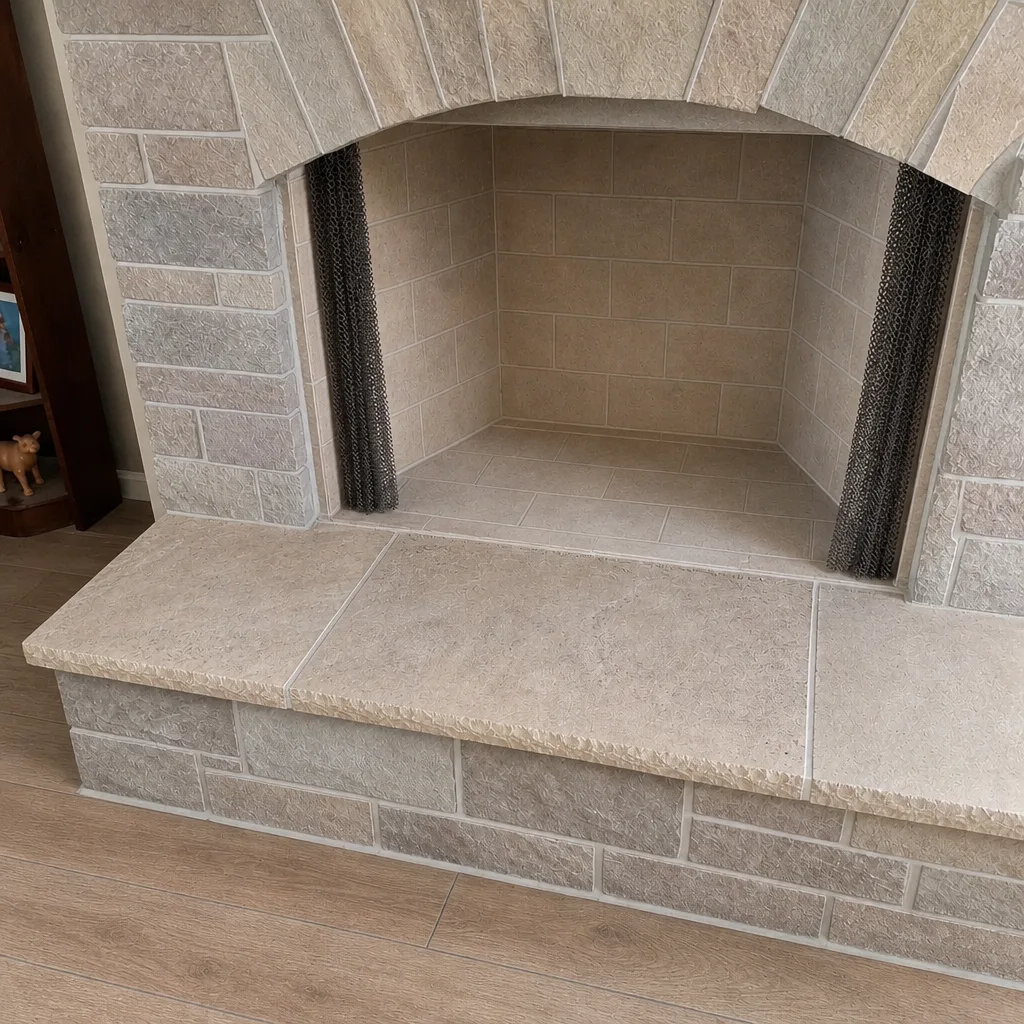 After
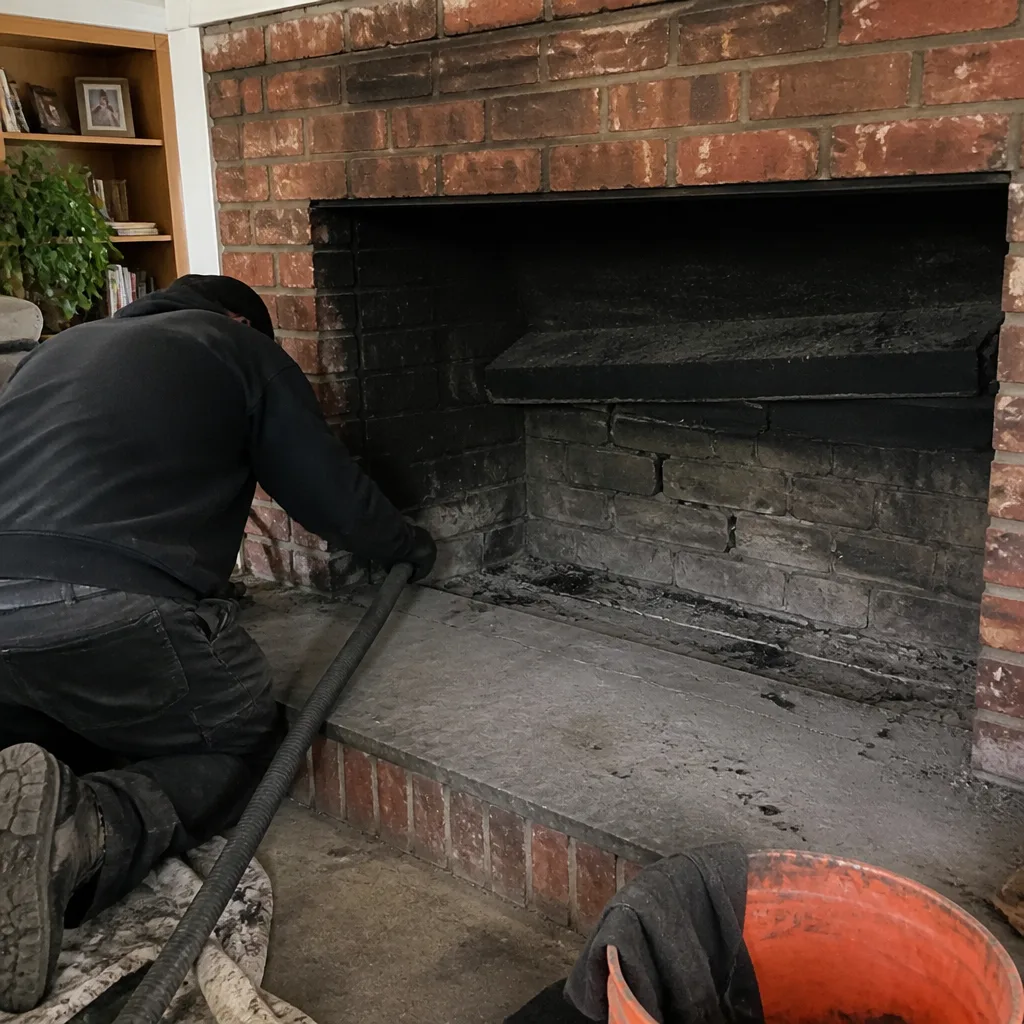 Before
 After
 Before
 After
When to Call a Professional
Call a professional when the schedule calls for a sweep or inspection and when any warning sign appears between scheduled visits. Book a professional if you’ve burned more than two cords this season, if you smell a stronger creosote odor when the fireplace is cold, if the fire draws poorly, if the damper won’t operate smoothly, or if you see cracks, staining, or spalling on the exterior. On the repair side, a cracked flue liner, a damaged crown, or a failed cap all belong to a specialist. Our technicians have up to 10 years of experience, and we handle the whole system, from the firebox to the crown, so you’re not coordinating multiple contractors. Chimney Sweep Murphy Creek offers free estimates in Murphy Creek, and we provide a written estimate that sets the final price. Call (833) 468-5972. We answer 24/7, with fast dispatch from 7am to 7pm, Sunday through Friday. A call outside dispatch hours is booked into the next opening, Sunday through Friday, 7am to 7pm.
Frequently Asked Questions
Once per year is the baseline for most wood-burning chimneys, plus a mid-season inspection if you burn more than two cords of wood. Because Murphy Creek homes typically burn heavily from October through April, the sweep belongs in late spring or early summer, after the season ends, so the chimney goes into the warmer months clean. If a spring inspection finds heavy deposit, the interval shortens. Call (833) 468-5972 for an exact quote, and estimates are free.
Light use still produces creosote, just more slowly. If your fireplace sees only a handful of fires a year, a professional inspection can confirm whether an annual sweep is needed or whether a longer interval is safe. Nothing should be recommended without a look at the flue. Call (833) 468-5972 to book an inspection and get an evidence-based answer.
A spring inspection finds the wear a full burning season produced, which a pre-season sweep is not looking for. That includes freeze-thaw cracks in the crown, spalling flue tiles, water intrusion paths, and cap wear. In spring the flue is clean, the damage is fresh, and there’s time to schedule repairs before the next season starts. Call (833) 468-5972 to schedule a post-season inspection.
Only if the inspection with camera evidence shows the current liner is cracked or deteriorated enough to allow combustion gases or moisture into the structure. A damaged liner is a real safety issue, but it should be documented with photos you can see, and sometimes restoration with HeatShield ceramic flue restoration is an option instead of full replacement. Ask for the evidence and a written estimate. Call (833) 468-5972 for a free estimate.
Creosote builds up and hardens into a glaze that’s harder to remove, and masonry damage from freeze-thaw gets deeper with each season. The result is more expensive repair when it finally gets addressed, sometimes a full liner replacement when a restoration would have been enough. Skipping a schedule doesn’t save money; it defers the cost. Call (833) 468-5972 to get back on a schedule with a free estimate.
Pricing is set per job by the written estimate, and the estimate is free. A routine visit typically includes the sweep itself and a look at the firebox, flue, cap, and crown, and we include a camera inspection and photo report so you can see the findings for yourself. Nothing is recommended that isn’t shown to you first. Call (833) 468-5972 to book an estimate.
The Bottom Line
A chimney maintenance schedule is not a single annual appointment; it’s a set of tasks matched to Colorado’s seasons and your actual firewood use. Sweep in late spring after the burning season, inspect in spring so winter’s damage is caught with time to repair it, and add a mid-season inspection once you pass two cords. Handle the easy homeowner checks yourself, leave the flue, liner, cap, and crown work to a specialist, and keep a log that documents every visit. For Murphy Creek homeowners who want a full-system specialist handling the sweep, inspection, repair, and cap work together, that’s what we do. If you’d like routine fireplace repair folded into your schedule, or a closer look at Chimney Sweep Murphy Creek to see how a full-system approach fits your home, we’re glad to help.
Call (833) 468-5972 for a free estimate. We answer 24/7, with fast dispatch from 7am to 7pm, Sunday through Friday.
Written by the team at Chimney Sweep Murphy Creek.