
Last updated November 23, 2026
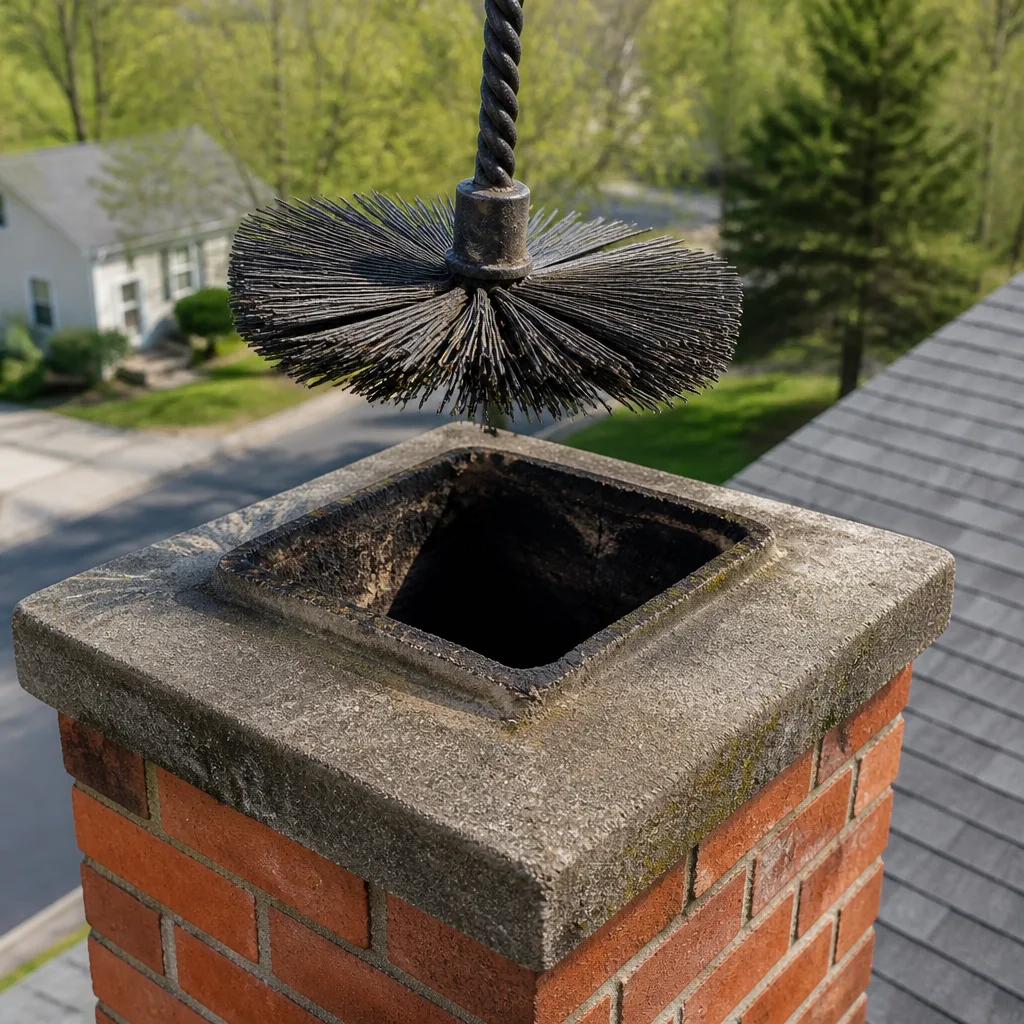 Sweep & inspection
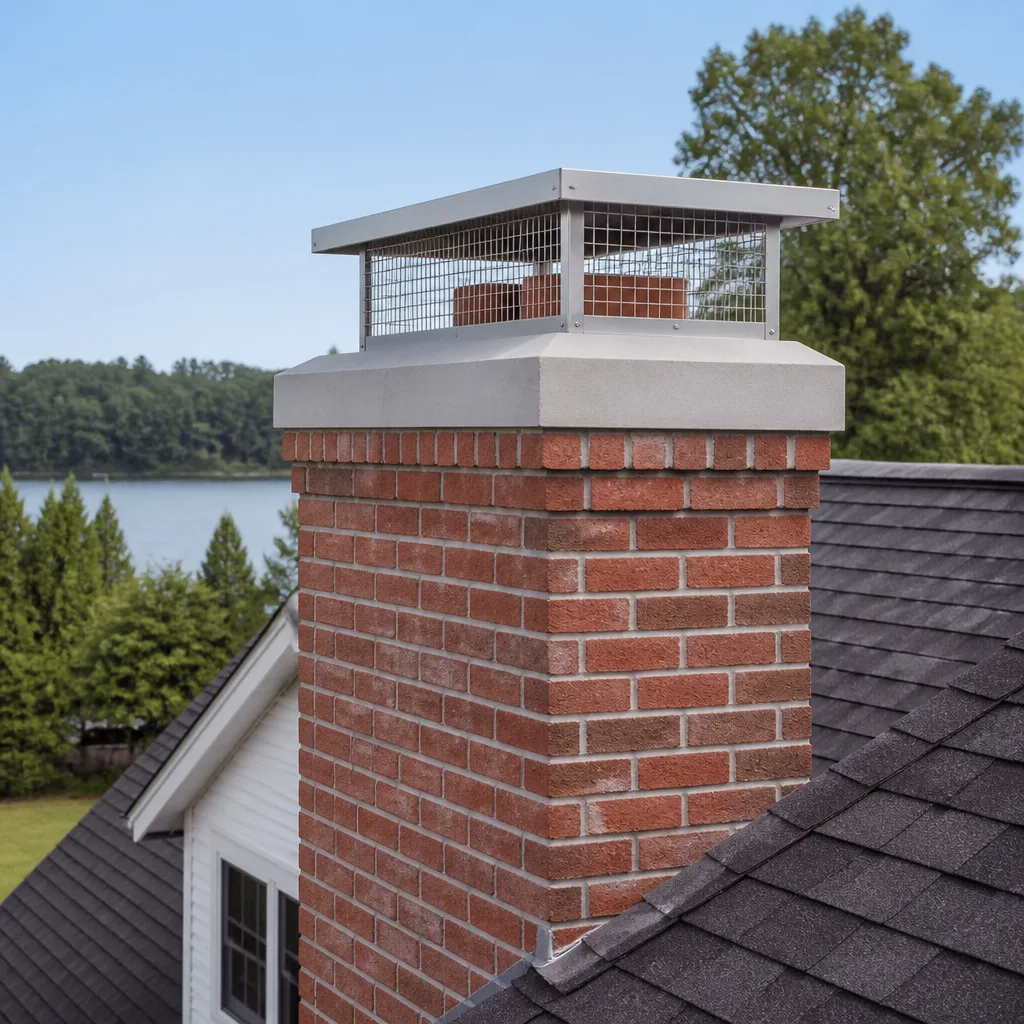 Caps & crowns
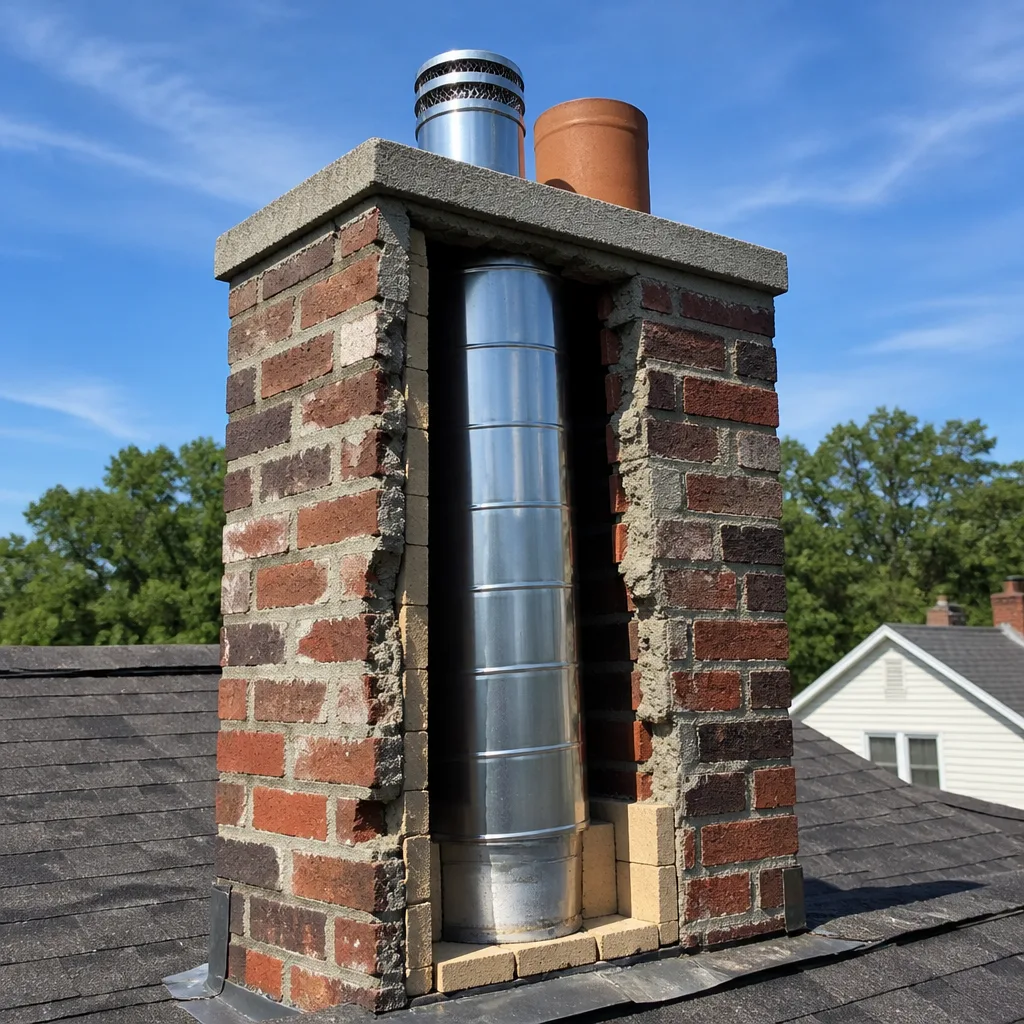 Flue relining
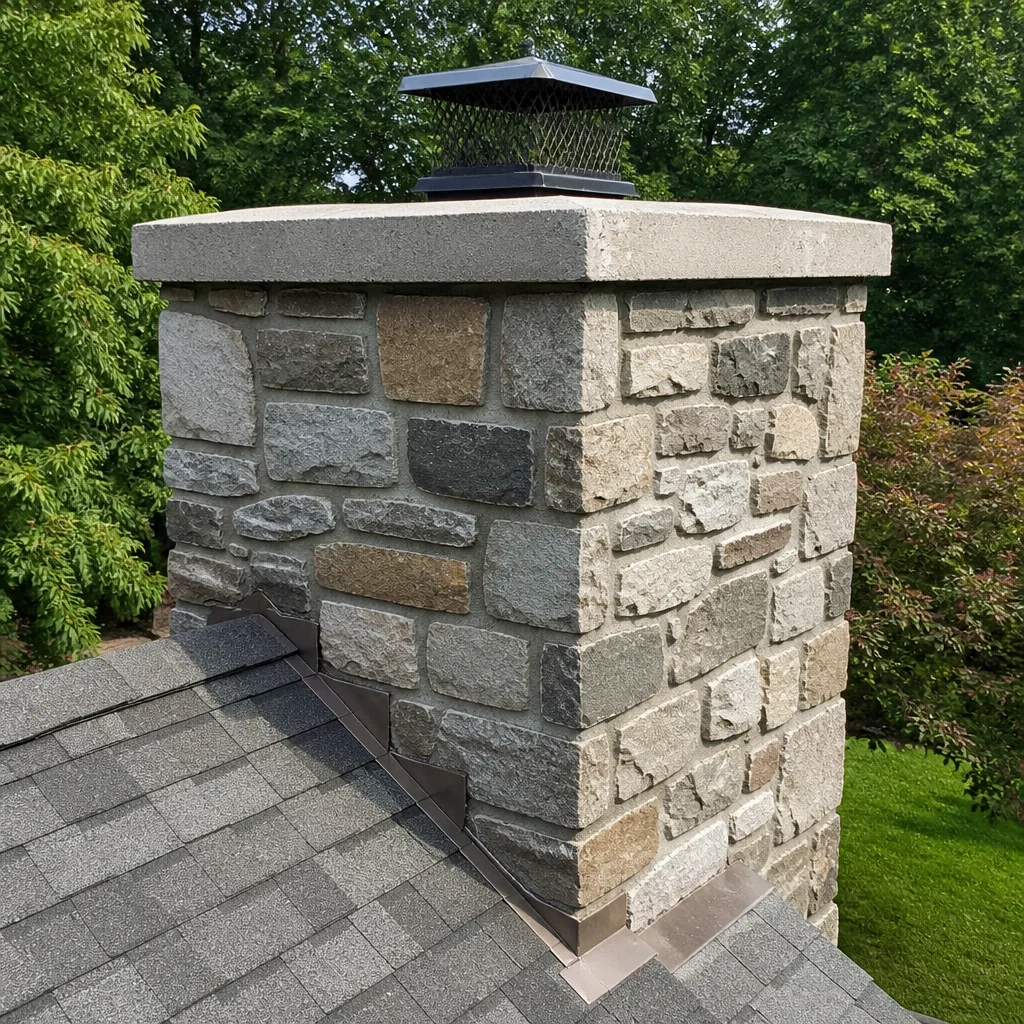 Masonry repair
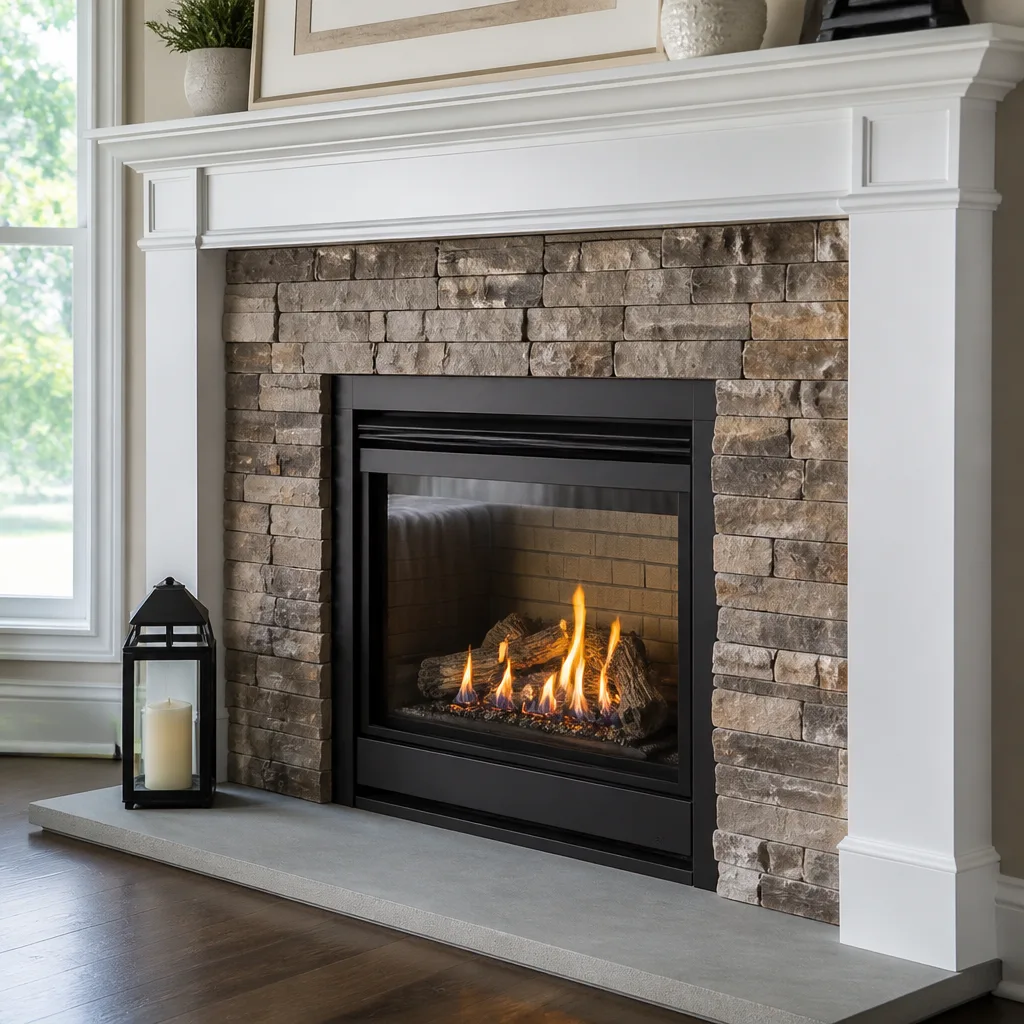 Gas fireplace service
Level 1 sweep and inspection to the NFPA 211 annual standard - flue, crown, cap, and flashing checked and photographed
Chimney sweep logs do not sweep chimneys. They loosen some creosote - which then falls where a brush and vacuum still have to collect it.
Chimney Cleaning Cost Breakdown: The Murphy Creek Homeowner’s Reference for 2026
A $99 sweep and a $299 sweep are rarely the same service. The number on the invoice looks similar enough that homeowners naturally compare them side by side, but the difference usually shows up in what didn’t happen: whether a Level I inspection was performed, whether the findings were documented and signed off by a certified technician, and whether anyone actually looked at the flue liner or just ran a brush down the middle of it. That gap is the source of most pricing confusion in Murphy Creek and across the Front Range. This guide walks through what drives each cost line in a chimney cleaning quote, what separates a budget sweep from a properly scoped one, and how to read a written estimate so you can judge the work being described instead of reacting to the total at the bottom.
Quick Answer
A standard chimney sweep in Murphy Creek typically runs $180 to $350 depending on flue length, access, and creosote stage. Add a Level I inspection and you’re looking at $225 to $400 for the combined visit. Anything above that range should be justified line by line in a written estimate, and major work like liner replacement should always be supported by camera evidence you can see for yourself.
Styles & brands we work with
- Sweep & inspection
- Caps & crowns
- Flue relining
- Masonry repair
- Gas fireplace service
Table of Contents
- What’s Actually Included in a Standard Chimney Sweep?
- Line-Item Cost Drivers: What Actually Moves the Price
- Realistic Add-On Costs: Caps, Crowns, and Liners
- How to Read a Low Quote: Upsell Risk vs. Efficiency
- Creosote Stages and Why They Change the Job
- The Inspection Ladder: Levels I, II, and III
- The Long-Term Cost of Deferred Maintenance
- Murphy Creek Climate and Chimney Wear
What’s Actually Included in a Standard Chimney Sweep?
A standard sweep includes brush cleaning of the flue, removal of soot and creosote from the firebox and smoke chamber, a check of the damper, and a basic visual review of what’s reachable. What separates one price tier from another is almost never the brushing itself. It’s everything wrapped around it.
At the lower end of the range, a sweep is often a flue-only job. Someone runs a rotary brush down the chimney, vacuums up the debris, and hands you a verbal “looks fine.” No written report. No documentation of liner condition. No photos. The work may well be competent, but you’re paying for a cleaning, not an assessment, and the two aren’t interchangeable.
At the upper end, the visit includes a documented Level I inspection performed by a technician trained to read what they see. That means checking the flue liner for cracking and spalling, examining the smoke chamber for gaps, testing the damper, checking the cap and crown from the roof or a safe vantage, and writing it all down. You leave with a signed record of the chimney’s condition at that moment, which becomes the baseline for every future visit.
What a properly scoped sweep includes
- Full flue cleaning by brush or rotary method
- Firebox and smoke chamber cleaning
- Damper movement check
- Visual review of the firebrick and mortar joints at the firebox
- Exterior observation of the cap and crown condition
- Written Level I inspection report, signed
- Photo documentation of anything worth noting
- A clear statement of items that need watching versus items that need work now
What budget quotes tend to leave out
- The inspection report, or any written documentation at all
- Photo evidence of liner condition
- Cap and crown review
- Smoke chamber assessment
- A recommendation timeline (which is what keeps you from being surprised next year)
If you’re comparing two quotes and one is significantly lower, ask which of these is included. That single question usually explains the entire price difference. You can also read more about what a full chimney sweep visit covers if you want a sense of the scope before you call.
Line-Item Cost Drivers: What Actually Moves the Price
Four things drive the cost of a sweep more than anything else: flue length, liner condition, access difficulty, and creosote stage. Understanding each one lets you look at a quote and know whether the number makes sense for your chimney instead of guessing.
Flue length
A single-story ranch with a short flue is a faster job than a two-story with a tall, offset flue. Every additional foot of flue means more brushing passes, more debris to contain, and more time spent on setup and cleanup. The price difference between a compact flue and a tall one usually reflects the extra time, not a markup.
Liner condition
A clay-tile liner in good shape cleans straightforwardly. A liner with cracked or spalled tiles is a different job entirely, because the technician has to work around damage without making it worse, and the inspection becomes the more important half of the visit. Damaged liners change the conversation from cleaning to whether the flue needs restoration with a product like HeatShield or a flexible reline with DuraFlex.
Access difficulty
Roof access shapes the visit more than homeowners expect. A steep-pitched roof, a chimney crowded by nearby trees, or a chimney positioned awkwardly on the roofline all add time for safe setup. This isn’t padding. Working on a roof is the part of the job with the highest risk, and a technician who doesn’t take the time to set up safely shouldn’t be up there.
Creosote stage
Creosote buildup is graded from Stage 1 (light soot you can brush away) to Stage 3 (glazed, hardened buildup that requires more aggressive removal methods). Stage 3 requires more time, more equipment, and occasionally a chemical treatment to break down the glaze before brushing. The price difference here is real and reflects the actual work required.
If you want a technician to just assess the chimney without cleaning it, that’s a separate visit. We offer chimney inspection as a standalone service, so you can get an honest diagnosis before committing to any cleaning or repair work.
Realistic Add-On Costs: Caps, Crowns, and Liners
Add-on services are where chimney pricing gets most misunderstood, because the ranges are wide and the scope differences are larger. A cap that costs $150 and one that costs $500 may both be “a cap,” but only one is the right fit for your flue.
Chimney cap replacement
Most professionally installed chimney caps fall in the $200 to $650 range, depending on material and size. Stainless steel caps at the higher end will outlast galvanized caps by a wide margin. A cap is the cheapest protection you can buy for a chimney because it keeps rain, birds, and debris out of the flue, which in turn prevents the moisture damage that eventually leads to crown and liner problems. If your current cap is missing or rusted through, replacing it is the most economical maintenance you can do.
Crown repair and sealing
The crown is the concrete slope at the top of the chimney that sheds water away from the masonry. When it cracks, water gets inside the chimney structure and the damage compounds quickly. Crown repair typically runs $300 to $900 for sealing and crack repair, and higher if the crown needs full reconstruction. Crown sealing done with the right material (Copperfield crown repair products are one example) protects the masonry below it from freeze-thaw damage, which is a real concern in Murphy Creek’s climate.
Liner relining
A full liner replacement using a flexible stainless system like DuraFlex typically runs $2,500 to $6,000 depending on flue length, liner diameter, and whether any masonry work is needed to make the new liner fit properly. That’s the range where homeowners hear a big number and want to verify it. The right way to evaluate a reline quote is to ask to see the camera footage of the existing liner. If the tiles are genuinely cracked or missing, the reline is justified. If they aren’t, it isn’t, and you should hear that plainly.
Flue restoration without full replacement
When a clay tile liner has cracked or spalled but the structure is otherwise sound, HeatShield ceramic flue restoration can often repair and resurface the existing liner rather than replacing it entirely. It costs less than a full reline and is a specialized application that general sweep services typically don’t offer. Not every liner is a candidate for HeatShield, but when it fits, it saves meaningful money over the alternative.
For a deeper look at these services, see chimney cap & crown and our chimney repair page.
How to Read a Low Quote: Upsell Risk vs. Efficiency
A low quote isn’t automatically a red flag, and a high quote isn’t automatically overpriced. What matters is whether the scope of work is clearly described in writing. There are two ways to end up with a low number at the door: the technician genuinely runs an efficient operation with a clear scope, or the technician is quoting below cost on the sweep to create room for an add-on sale later.
How to tell which one you’re looking at
- Ask for the written scope before booking. A legitimate low quote will describe what’s included in the sweep, whether an inspection report is part of it, and what’s explicitly excluded. Vague “cleaning only” language is a signal.
- Ask whether the price is flat or estimated. A flat sweep price that’s agreed before the visit is fine. A low price that’s then re-quoted at the door after an inspection “reveals” issues is the pattern to watch for.
- Ask whether findings are documented in writing and photographed. If an inspection doesn’t produce a written report or photos, the diagnosis is impossible to verify. That’s the real problem, not the price.
- Ask what happens if the sweep reveals needed work. A good answer is: “We’ll document what we find and you can see the photos before deciding.” A weak answer is anything that pressures an immediate decision.
- Compare total scope, not just the sweep number. A $99 sweep plus a $300 inspection is $399. A $299 sweep that includes a signed inspection is often the same total with one fewer decision to make.
The cleanest approach is a flat-price sweep that’s agreed before the booking, a camera inspection with a photo report included, and no recommendation that isn’t backed by something you can look at yourself. When those three things are in place, the low-quote-versus-up-sell question mostly resolves itself.
Creosote Stages and Why They Change the Job
Creosote is a natural byproduct of burning wood, and it accumulates in every wood-burning flue. The amount and the form it takes determine how much work a sweep involves. Three recognized stages matter here.
Stage 1: Light soot
Stage 1 is the fine, dusty soot that brushes away quickly. This is the fast, low-cost end of the sweep range. If your chimney was swept recently and you’ve burned modestly since, you’re likely here.
Stage 2: Moderately hardened deposits
Stage 2 is darker, flakier, and takes more effort to remove. It usually appears after a season of regular fires or when the wood being burned was less than fully seasoned. The sweep handles it, but the job takes longer, which shows up in the price.
Stage 3: Glazed, hardened buildup
Stage 3 is hardened creosote that has glazed onto the flue wall. It doesn’t brush off cleanly. Removing it may require a chemical treatment to soften the glaze, followed by rotary brushing, and often a follow-up visit. Stage 3 buildup is a genuine fire risk because it can ignite, which is why it’s the stage that warrants the fastest attention. This is a safety point, not a scare tactic: glazed creosote in a flue is fuel sitting inside the chimney.
The stage isn’t something you can reliably judge yourself by looking up the flue with a flashlight. A technician reads it during the sweep and documents it. That documentation is what tells you whether you have an annual-maintenance situation or a “get this addressed before next burning season” situation.
The Inspection Ladder: Levels I, II, and III
Chimney inspections are tiered, and the tier you need shapes what the service visit actually costs. Knowing the difference prevents being sold a level of inspection you don’t need, or accepting one that’s too shallow to catch a real problem.
Level I inspection
A Level I inspection is the baseline visual check that comes with a routine sweep. It covers what’s visible without special tools and is appropriate when the chimney has been in regular use with no changes to the system. It should still be documented in writing.
Level II inspection
A Level II inspection adds a video camera to look up the flue and is warranted after a chimney fire, after a change in the appliance, when you’re buying or selling a home, or when there’s a reason to suspect a liner problem. This is the inspection that produces the camera footage you want to see before authorizing any major work. If a reline or a HeatShield restoration is being recommended, a Level II inspection should be the reason.
Level III inspection
A Level III inspection is a deeper investigation, sometimes requiring parts of the chimney to be opened for access, and happens when a serious problem is suspected but not visible from the flue. It’s the least common of the three and should only be recommended when there’s a specific reason.
- Level I: routine visual check, comes with a sweep
- Level II: adds camera inspection, standard after a chimney fire or before a home sale
- Level III: deeper investigation with access, used when a specific problem is suspected
Any recommendation for Level II or III work should come with a plain explanation of why. If you can’t get that, ask again before agreeing. For a full picture of what our Chimney Sweep Murphy Creek team can assess during a single visit from the firebox to the crown, start there.
The Long-Term Cost of Deferred Maintenance
The reason annual service pays for itself is simple arithmetic: small problems that get caught and fixed cheaply become expensive problems when they compound. A hairline crack in the crown that costs a small amount to seal becomes a soaked chimney structure that needs masonry repair. A small creosote buildup that would sweep clean in one visit becomes a Stage 3 glaze that needs chemical treatment. A liner that would have restored with HeatShield becomes a full reline.
Here’s how the pattern usually plays out across a few years of skipped maintenance:
- Year one: Crown hairline crack goes unnoticed. Water starts seeping into the masonry in freeze-thaw cycles.
- Year two: Creosote builds to Stage 2 or 3. Freeze-thaw spalling begins on the flue tiles. Small moisture damage to the smoke chamber develops.
- Year three: Flue tiles are visibly cracked. A camera inspection now shows damage that would have been documented and addressed in Year one for a fraction of the cost.
- Year four: The liner is compromised enough that a full reline with DuraFlex is the solution, because HeatShield restoration is now out of reach.
The math is stark. Annual service with inspection is a small per-year investment. The compound cost of deferred work gets into reline territory and beyond. In Murphy Creek where the winter swings between freeze and thaw repeatedly, the compounding happens faster than in climates with stable cold.
Murphy Creek Climate and Chimney Wear
Murphy Creek sits east of Aurora on the high plains, and the climate is a real factor in chimney wear. The problem isn’t cold alone. It’s the repetition: freeze, thaw, freeze, thaw, across many weeks of the heating season. Every time water gets into masonry and then freezes, it expands and causes a little more damage. Over a season that adds up.
Crowns, chimney exteriors, and flue tiles all feel this in Murphy Creek. The demand for properly sealed crowns, well-fit caps, and liners that can resist moisture is higher here than the general “you should sweep annually” advice reflects. That’s why a cap and crown review belongs in every inspection, not just as a look-but-don’t-touch item.
Wind on the plains also matters. Chimneys on this side of the metro take more wind-driven rain and snow into the flue when caps are missing or compromised, which accelerates the moisture cycle. A properly sized stainless cap is not an accessory in Murphy Creek; it’s part of what keeps the chimney structurally sound between sweeps.
Housing stock across Murphy Creek and the surrounding neighborhoods includes a mix of newer construction and older homes, and chimneys in the older stock often need liner work or crown repair on top of routine cleaning. When you’re comparing quotes, ask the technician whether they’ll assess the exterior as well as the flue. A quote that only mentions the inside is not covering the whole job.
Common Mistakes to Avoid
- Comparing quotes by total price alone. Two quotes a hundred dollars apart often describe different scopes. Ask what’s included in the inspection and whether it’s documented in writing before deciding.
- Accepting a verbal “you need a new liner” without camera evidence. A reline is a significant cost. If you can’t see footage of the liner condition, ask for it before you commit.
- Skipping the sweep because the fireplace “still works fine.” A chimney can be a hazard well before the fireplace stops drawing properly. Stage 3 creosote in a flue is a fire risk regardless of how the fire behaves.
- Ignoring the crown until it fails. Crown cracks are cheap to seal and expensive to fix once water has soaked the masonry. Have the crown checked every visit, not just when something looks wrong from the ground.
- Burning unseasoned wood to save money on firewood. It feels like a savings and turns into faster creosote buildup. Drier wood burns cleaner, which means less frequent aggressive cleaning and fewer repair risks.
- Using a general handyman for chimney work. Chimney systems involve combustion venting, liner material specifications, and roof access. Work outside the specialist scope invites problems down the line that a proper inspection would have caught.
- Booking the sweep but skipping the inspection. The sweep cleans the flue. The inspection tells you the state of the whole system. Doing one without the other leaves you guessing year over year.
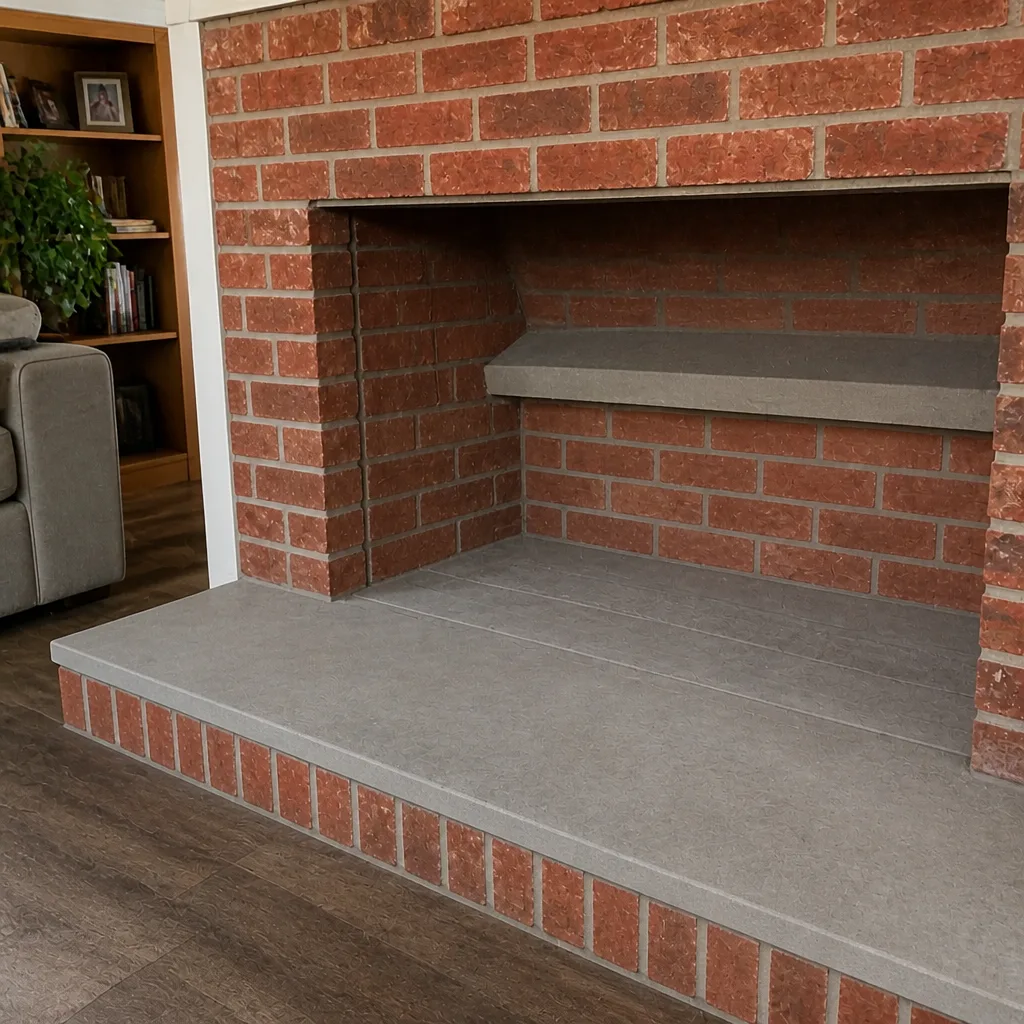
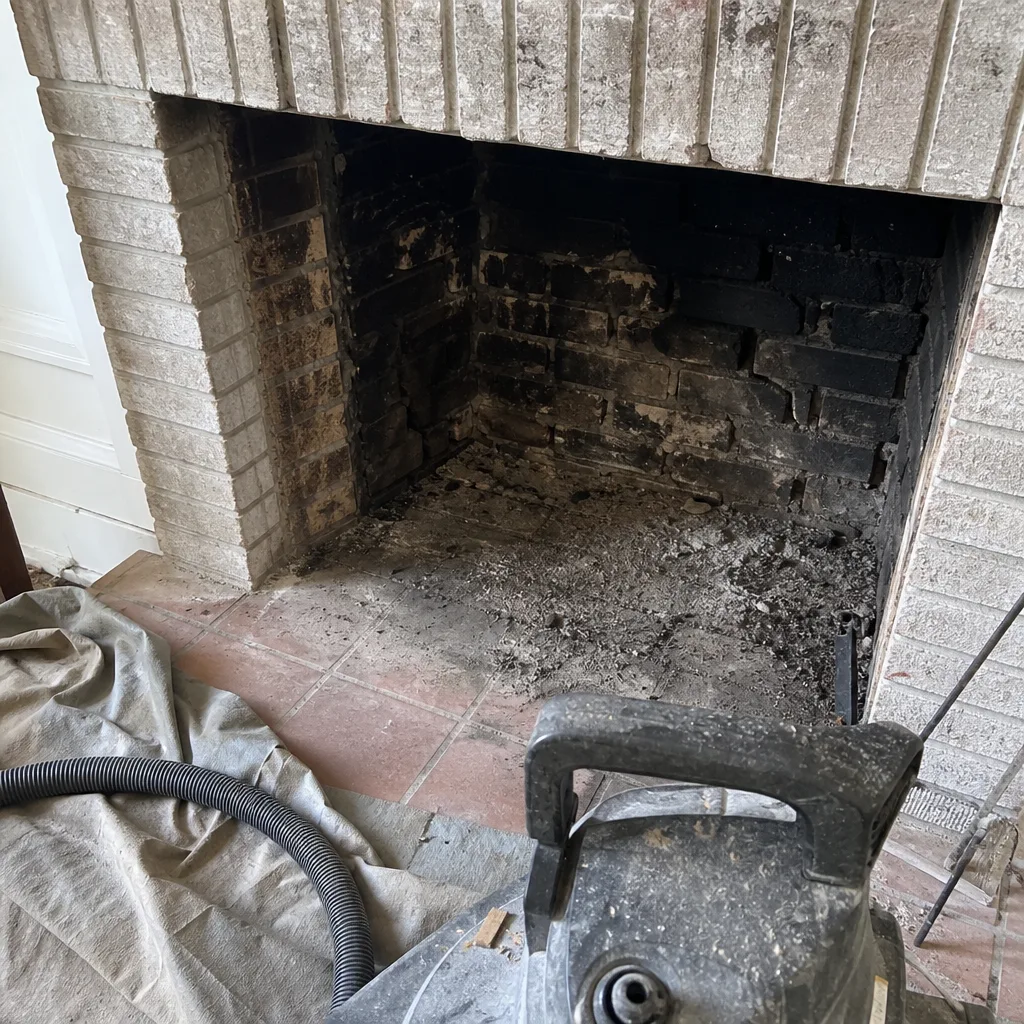
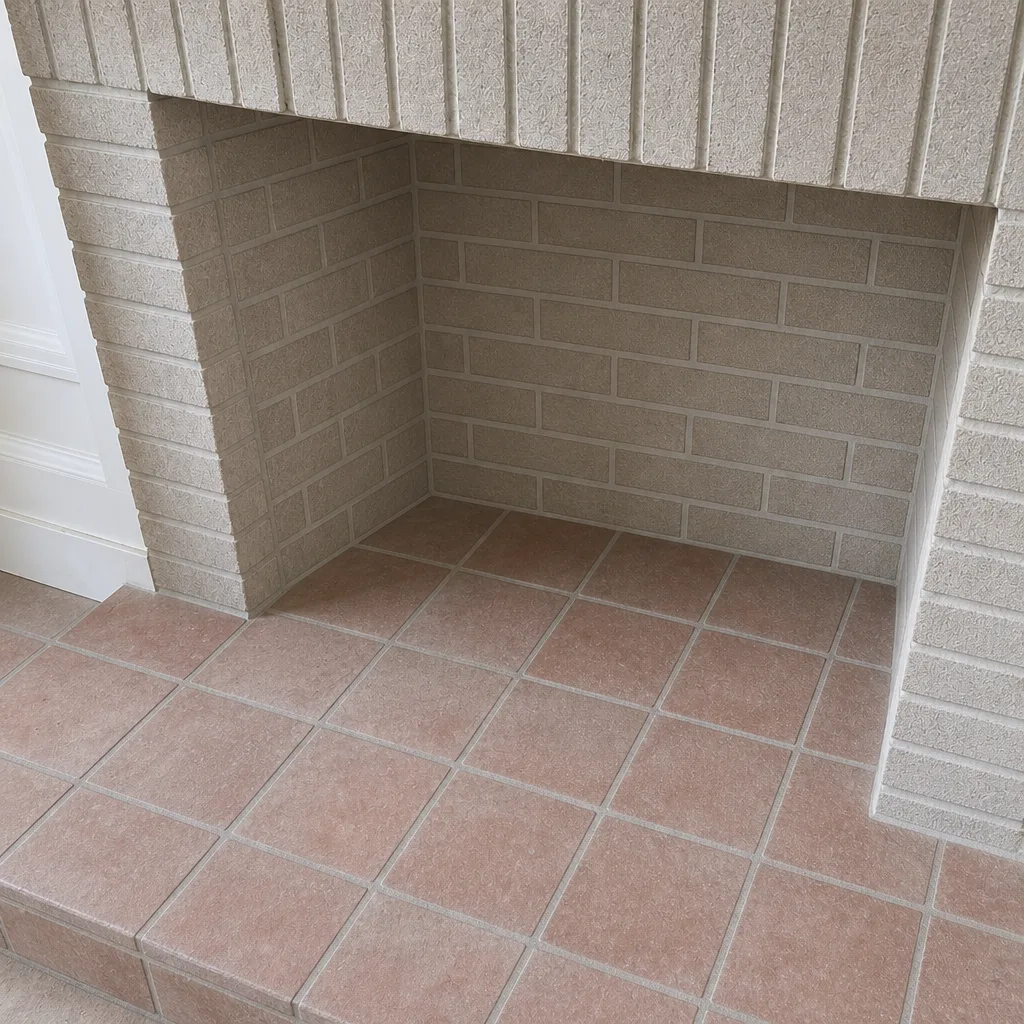
See the difference
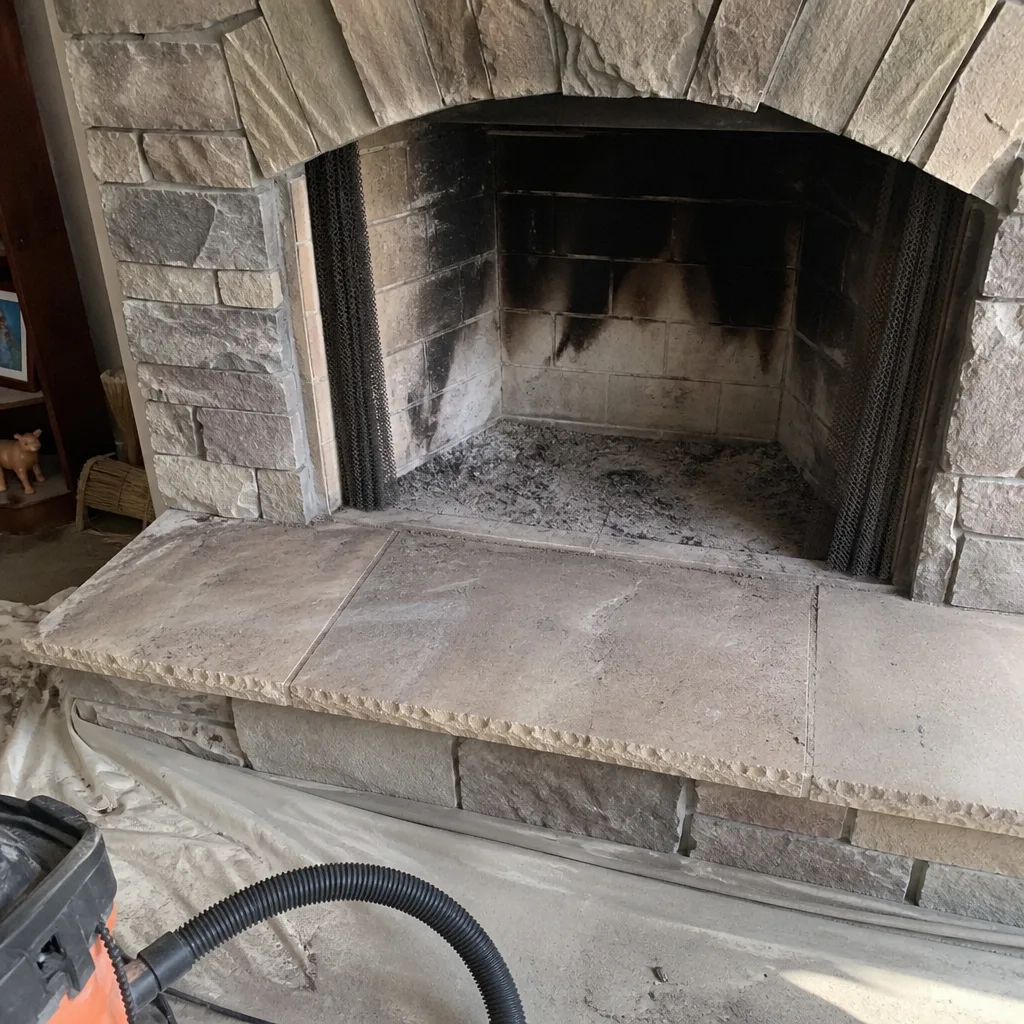 Before
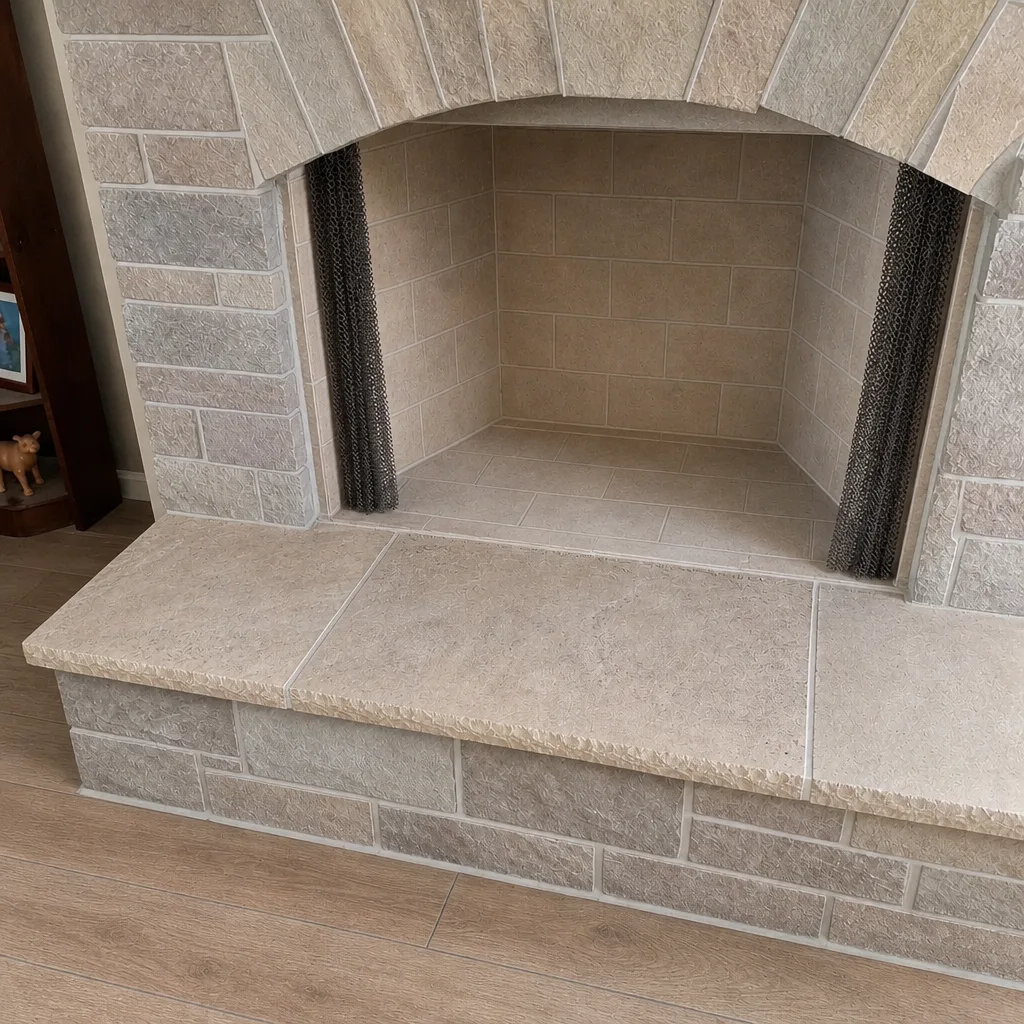 After
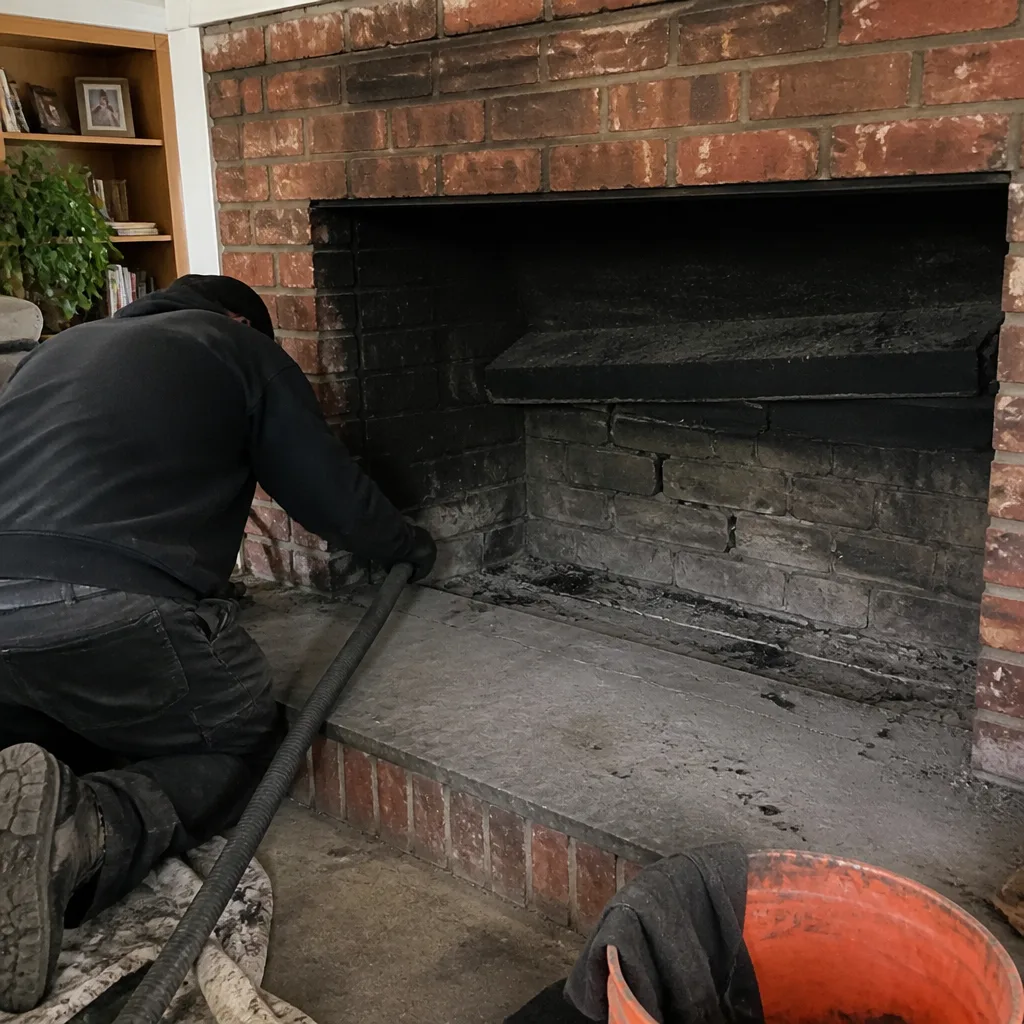 Before
 After
 Before
 After
When to Call a Professional
Call a specialist when you can’t remember the last time the chimney was swept, when you’ve just moved into a home in Murphy Creek and don’t know its service history, or when the fire isn’t drawing as well as it used to. Call when you see cracked flue tiles or water stains on the masonry, when the cap is missing or visibly damaged, when the crown has visible cracks, or when you’ve had a chimney fire, even a small one. Call before the burning season starts if you haven’t had an inspection in over a year, because winter isn’t the time to discover a liner problem. Chimney Sweep Murphy Creek offers free estimates in Murphy Creek, and we’re glad to walk through a written scope before you book. Call (833) 468-5972.
Frequently Asked Questions
A standard chimney sweep in Murphy Creek typically costs $180 to $350 depending on flue length, access, and creosote stage. A sweep bundled with a Level I inspection usually lands in the $225 to $400 range. Call (833) 468-5972 for an exact quote; the estimate is free and the written estimate sets the final price.
Only if the existing liner is genuinely compromised, and that should be demonstrated with camera footage you can see. Cracked or missing flue tiles let combustion gases into the home and can allow heat to reach combustible material, so the finding matters. But if the footage doesn’t show damage, the answer is no, and you should hear that plainly. When damage is real, a HeatShield ceramic restoration sometimes repairs the liner without a full reline, and we’ll show you both options.
Once a year for wood-burning fireplaces in regular use is the standard baseline. In Murphy Creek’s freeze-thaw climate, an annual visit that includes a cap and crown review protects the whole system, not just the flue interior. Gas fireplaces still need periodic inspection even though they produce less creosote.
The difference is almost always the inspection. A $99 sweep is typically flue cleaning only with verbal feedback. A $299 sweep usually includes cleaning plus a documented Level I inspection, photo notes, and a written condition report you keep. Compare by scope, not by the headline number. Call (833) 468-5972 to hear exactly what’s in our scope before you book.
Small problems compound. Creosote builds past the easily-cleanable stage, crown cracks go unsealed and let water into the masonry, and liner damage that would have been caught early becomes a full reline. None of this is immediate disaster; it’s a slow cost increase that adds up over a few seasons. The annual investment is small compared to catching up on deferred work.
Often, yes. Cracked crowns in Murphy Creek can frequently be sealed and repaired with appropriate crown materials rather than fully reconstructed. Copperfield crown repair products are one of the material lines we use. If the crown is too far gone, we’ll say so and quote the rebuild honestly. Call (833) 468-5972 for an assessment.
The Bottom Line
Chimney cleaning cost in Murphy Creek isn’t arbitrary. The price varies because scope varies, and the single biggest scope difference is whether an inspection is included and documented. Read every quote by asking three questions: What’s in the sweep? Is the inspection included and written down? Will any major recommendation come with camera evidence you can see? Get clear answers on those three and the price starts to make sense. Keep the crown, cap, and liner in the conversation each year, and annual maintenance stays cheap. Skip it, and it doesn’t. Call (833) 468-5972 for a free written estimate and a clear scope before you book. We answer 24/7, with fast dispatch from 7am to 7pm, Sunday through Friday.
Written by the team at Chimney Sweep Murphy Creek.