
Last updated November 23, 2026
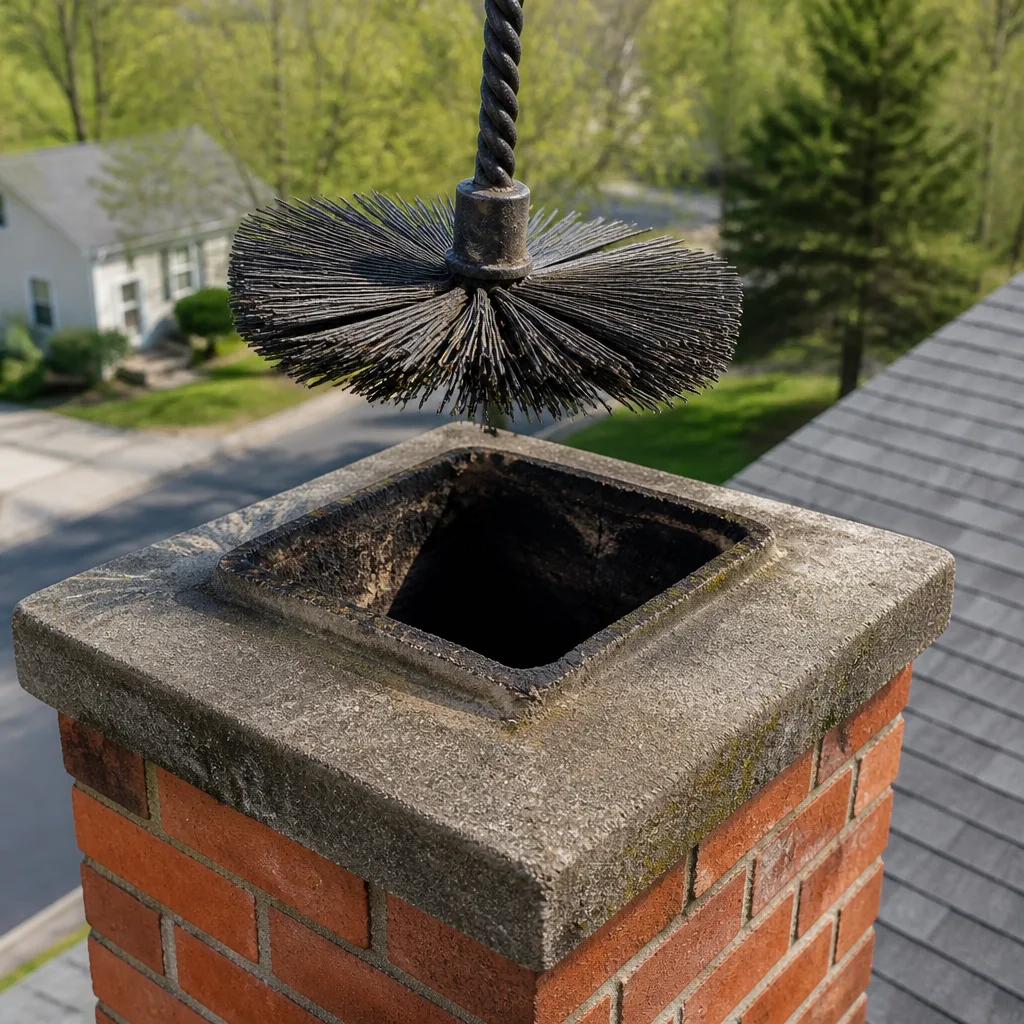 Sweep & inspection
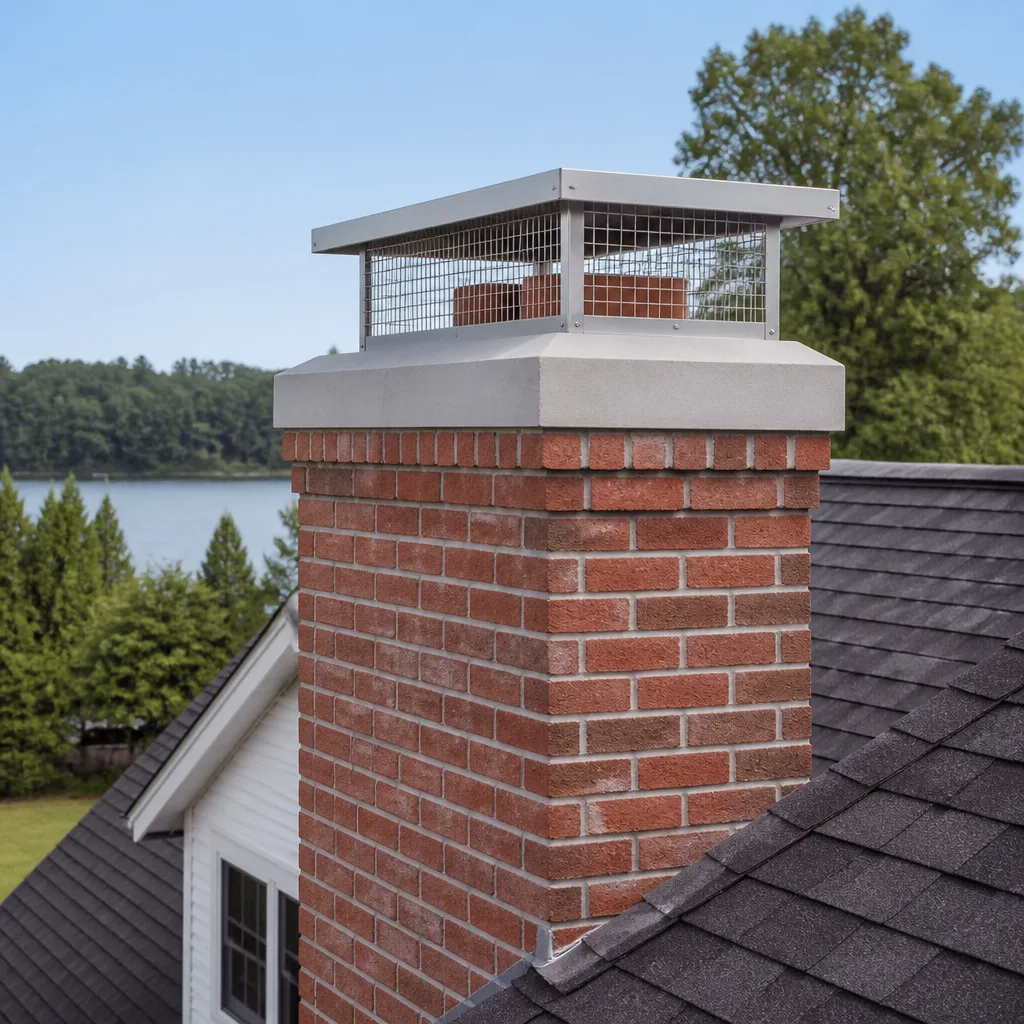 Caps & crowns
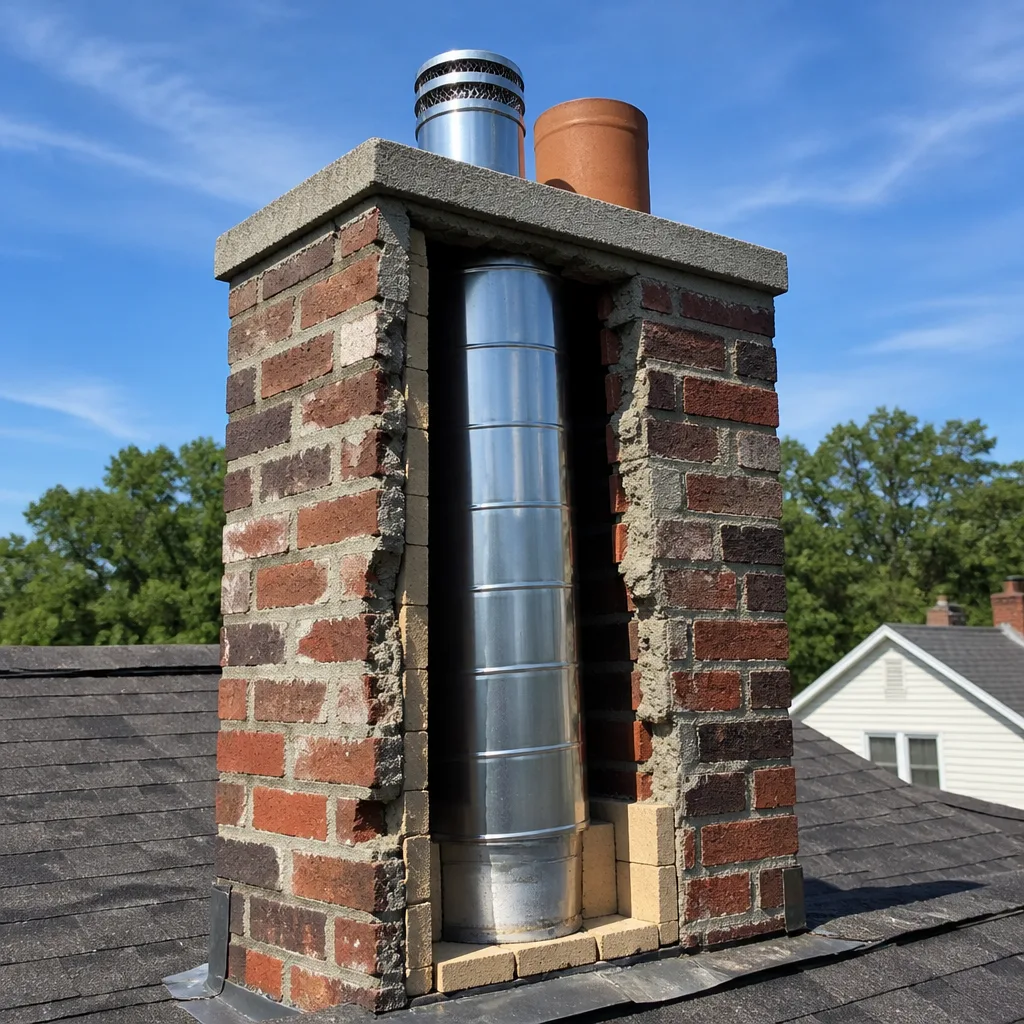 Flue relining
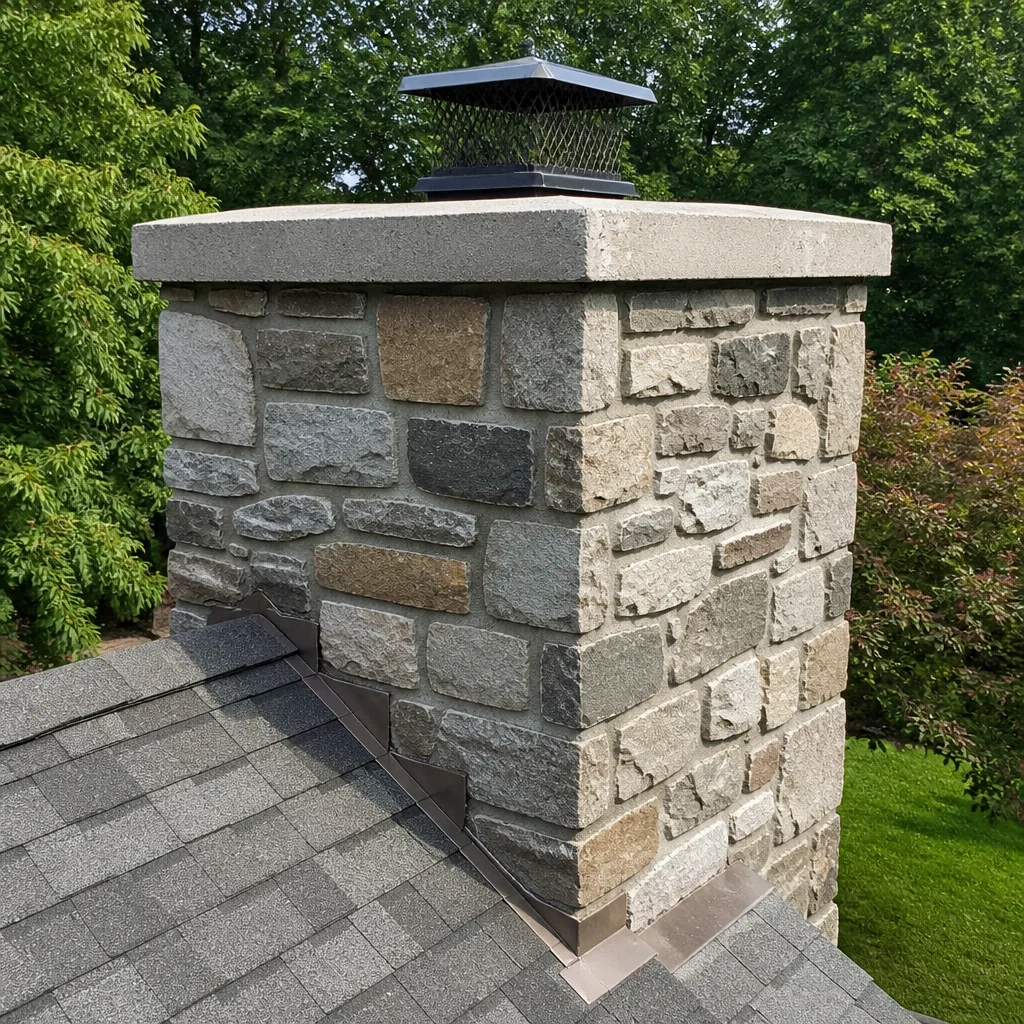 Masonry repair
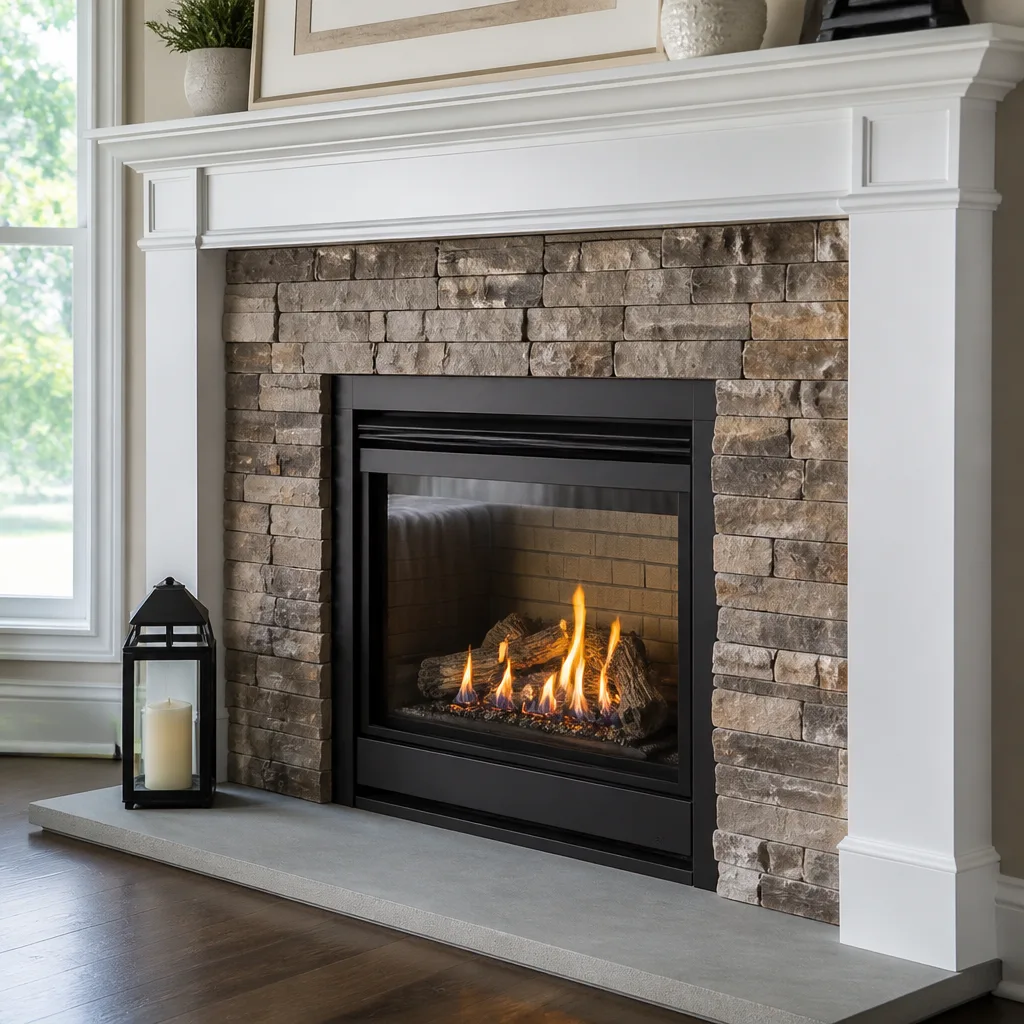 Gas fireplace service
Level 1 sweep and inspection to the NFPA 211 annual standard - flue, crown, cap, and flashing checked and photographed
Chimney sweep logs do not sweep chimneys. They loosen some creosote - which then falls where a brush and vacuum still have to collect it.
Chimney Cleaning Warning Signs: A Murphy Creek Homeowner’s Reference Guide
Most chimney warning sign guides tell you to watch for visible smoke or a strong smell. By the time either shows up clearly, the problem has usually been developing for a while. A chimney fire doesn’t always announce itself with a roar. Many burn slow and quiet inside the flue, and the only evidence is a faint odor that fades, a bit of discolored clay tile a sweep finds months later, or a draft that pulls a little differently than it used to. In Murphy Creek, where wood-burning fireplaces do real work through cold, dry winters, those quiet signals matter. This guide covers the structural and behavioral signs most homeowners miss, and helps you tell what’s normal from what needs a call.
Quick Answer
The most actionable chimney warning signs in Murphy Creek are changes in how your fireplace behaves (weaker draft, smoke that lingers or curls back), exterior brick problems like spalling or white staining, and interior firebox clues like a white haze on the firebrick or a damper that no longer seats properly. Any of these means it’s time for an inspection. Two signs are urgent: a strong acrid or oily smell that won’t clear, and visible cracks in the flue or firebox structure, since both can let combustion gases into your home.
Styles & brands we work with
- Sweep & inspection
- Caps & crowns
- Flue relining
- Masonry repair
- Gas fireplace service
Table of Contents
- Behavioral Warning Signs at the Firebox
- Exterior Warning Signs: What the Brick and Cap Are Telling You
- Interior Firebox Signals Most Homeowners Miss
- What Each Chimney Smell Points To
- Urgency Triage: Monitor, Schedule, or Call Today
- How a Professional Inspection Reads These Signs
- Creosote and Why Murphy Creek Chimneys Build It
- Common Mistakes to Avoid
- When to Call a Professional
Behavioral Warning Signs at the Firebox
The firebox is where you’ll notice the earliest, easiest-to-miss signs, because they show up as a change in behavior rather than a visible flaw. Your fireplace does the same thing every winter, so you know what “normal” feels like even if you’ve never thought about it consciously. When that pattern shifts, something in the flue or the chimney structure usually shifted first.
Watch for these behavioral changes at the firebox:
- Weaker draft. Smoke that used to rise straight up now hovers near the damper or drifts toward the room. A blocked or partially obstructed flue, or a cap that’s no longer drawing properly, is a common cause.
- Inconsistent draw. The fire starts fine, then gets smoky mid-burn, then recovers. That uneven pattern often points to a flue that’s partially blocked with creosote rather than a fuel problem.
- Smoke curling back into the room. Some of this is normal on a cold start, but smoke that keeps backing up once the flue is warm is a signal worth diagnosing.
- A fire that’s harder to light than it used to be. If your usual kindling-and-paper routine stops working, the draft may be compromised.
- Draft that’s too strong. A roaring fire that burns through wood too fast and pulls hard can mean a flue that’s oversized for the firebox or a cap that’s gone missing. It’s a signal, not a bonus.
In Murphy Creek, these behavioral signs often appear after a stretch of cold, still weather, when the outside-to-inside pressure difference is smaller than usual. That’s a good time to pay attention to what your fire usually does, so a real change stands out from a weather quirk. If you notice a persistent change across several fires, schedule a professional inspection. A routine chimney sweep is the honest first step, since many of these signs trace back to a dirty or blocked flue.
Exterior Warning Signs: What the Brick and Cap Are Telling You
Walk around the outside of your chimney at least once a season and look carefully. The exterior gives you a weather-tight verdict on the whole system. Look for four specific things:
- Spalling brick. Brick faces that are flaking, pitting or falling off in layers. Spalling usually means water has gotten in and is working on the masonry from inside. Freeze-thaw cycles in and around Murphy Creek make this worse, since water that enters a brick through a hairline crack expands when it freezes.
- Efflorescence. White, chalky staining on the brick. It looks like powder or salt and wipes off, but it keeps coming back. It’s a sign that moisture is moving through the masonry. Efflorescence itself isn’t damage, but it points to the water problem that causes damage.
- Mortar recession. Joints between the bricks that look washed out or recessed compared to their neighbors. Mortar wears faster than brick, and once it has receded a bit, water has an easier path inside.
- Cap displacement. A chimney cap that’s tilted, loose, or clearly off-center. A shifted cap stops doing its job of keeping rain, snow, birds and debris out of the flue. A missing spark arrestor screen on top is another sign to note, since it lets debris and nesting material into the flue.
Exterior signs almost always fall into the “schedule it” category rather than the emergency category, but they’re worth addressing before the cold settles in. A properly seated cap and a sound crown are the two most effective ways to keep water out of the masonry, which ties directly into our chimney cap & crown work. If the exterior brick looks chipped or stained anywhere, have an inspection look inside before deciding on repair.
Interior Firebox Signals Most Homeowners Miss
The inside of the firebox holds clues that don’t announce themselves with smoke or smell. They sit quietly in the brick, the floor tile and the damper until a trained eye notices them. Most of them are structural.
Here’s what a careful inspection looks at inside the firebox:
- White haze on firebrick. A pale, powdery film on the firebrick surface often points to moisture or to gases condensing where they shouldn’t. It’s a soft indicator, but a useful early one.
- Flaking or crumbling tile on the firebox floor. The firebox floor takes direct heat and ash contact, so it wears first. Loose, cracked or crumbling floor tile can mean the firebox structure is loosening and heat is reaching places it shouldn’t.
- A deteriorating damper. A damper that sticks, doesn’t open fully, or no longer closes flush against its frame is a real problem, since it’s the gate between the firebox and the flue. A damper that won’t seal lets cold air down and heat up when you’re not burning, and it can change the draft when you are.
- Receded or missing mortar joints inside the firebox. The mortar between the firebox brick has to survive heat cycling. Once it starts to crumble, the brick can loosen.
- Rust or staining on metal damper parts. Rust inside the firebox usually means water has found its way down the flue at some point, which ties back to a missing or displaced cap.
None of these are things a homeowner should try to fix. The firebox is a high-heat assembly, and touching the wrong part of it can create a worse problem than the one you’re trying to solve. Our technicians have up to 10 years of experience reading exactly these signs, and we use camera inspection so you can see what we see. That evidence-first approach is the difference between a genuine diagnosis and a guess.
What Each Chimney Smell Points To
Odor is the most underrated diagnostic tool for a chimney. Different smells trace to different structural causes, and the exact type matters. Pay attention to what kind of smell it is, not just how strong it is.
- Musty or damp smell. Usually points to water intrusion through the masonry, crown or flue top. Musty odor often shows up in spring and fall, when the heat has been off and air is damp. It’s a “schedule it” sign, not an emergency.
- Acrid, bitter, or sharp chemical smell. This is often a sign of creosote in the flue, sometimes called creosote odor. It can also indicate a more serious flue condition, like a liner that’s no longer containing gases properly. Treat a strong, persistent acrid smell as worth a call.
- Oily or smoky-kerosene smell. An oily smell often points to creosote that’s accumulated in the flue and is off-gassing, especially in warmer weather or when the fireplace isn’t in use. It can also be a sign of slow, incomplete combustion in the flue. This one deserves attention sooner rather than later.
- Chemical or slightly plastic smell. Sometimes traced to materials in the flue or firebox that are getting hotter than they’re designed for. Worth a professional look.
- Natural gas smell from a gas fireplace or gas log set. If your fireplace burns gas, a gas smell means exactly one thing: call your gas provider and don’t light it. Don’t troubleshoot this yourself.
A faint smell that appears and fades within a day is often seasonal. A smell that persists for days, or returns every time you light a fire, is a structural signal. In Murphy Creek, where homes sit at the edge of the prairie and see real wind, the change of seasons brings a lot of small pressure shifts that can push stale air through a chimney. If the smell is persistent, take it seriously. An inspection is the only way to know what’s actually happening inside the flue.
Urgency Triage: Monitor, Schedule, or Call Today
One of the most useful things a homeowner can learn is where each warning sign sits on the urgency scale. Not every sign means the same thing, and a guide that treats every smell as a crisis wastes your money and your attention. Here’s how we triage what we see.
Monitor and schedule (not urgent):
- Efflorescence on the exterior brick
- A faint musty smell in spring and fall
- A damper that’s slightly stiff but still works
- Draft that feels a little weaker in still weather and fine otherwise
Schedule an inspection soon (within a few weeks):
- Spalling brick or visible mortar recession
- A cap that’s loose or tilted
- White haze on the firebox brick
- Flaking tile on the firebox floor
- Smoke that curls back into the room more than once
- A fire that’s notably harder to light than it used to be
Call today:
- A strong, persistent acrid or oily smell that won’t clear
- Visible cracks in the firebox brick or on the flue tiles
- Smoke that pours into the room every time you light a fire
- Signs of a chimney fire, including discolored or pitted flue tiles, a warped damper, or heat damage around the firebox
- Any gas smell from a gas fireplace or gas log set
The “call today” list is short, and that’s on purpose. It’s the set of conditions where combustion gases or structural compromise could put your household at risk. A cracked flue liner, or a firebox that’s lost its integrity, allows combustion gases into the home. That’s not a situation to monitor for a few weeks. For everything else, a scheduled inspection with a written estimate is the right pace. Call (833) 468-5972 for an exact quote. We answer 24/7, and estimates are free.
How a Professional Inspection Reads These Signs
A chimney inspection isn’t a sweep with a flashlight. It’s a systematic look at the entire system, from the firebox to the crown, and the sequence matters. Here’s how a professional inspection works in practice:
- Visual exterior check. We look at the brick, mortar, crown, cap and flashing for the signs described above. Efflorescence, spalling and mortar recession are all cataloged here.
- Firebox and interior inspection. The firebox brick, floor tile, damper, smoke chamber and the first few feet of flue are checked for white haze, cracked tile, loose brick, receded mortar and a damper that no longer seats.
- Camera inspection. We run a camera down the flue to see the condition of the liner, the amount and type of creosote, and any cracks or gaps that aren’t visible from either end. The camera inspection is what closes the gap between what you can see and what’s actually happening.
- Diagnosis and a written report. We tell you what we found, what it means, and what we recommend. Nothing gets recommended without camera evidence you can view for yourself. If a repair can safely wait, we say so.
- A written estimate. The estimate sets the final price. The flat inspection price is agreed before the sweep is booked, so nothing surprises you at the end.
In our experience, the most useful outcome of an inspection is often a clear “monitor this” verdict. Not every sign needs repair, and saying so honestly is part of the job. That’s also why we offer inspection as a standalone service: you get a diagnosis without any pressure to do more. If you’ve already had a sweep and want a second look, we’re glad to do that too. This is the whole-system approach at Chimney Sweep Murphy Creek: from the firebox to the crown, one team handles the sweep, the inspection, the cap and crown, and any repair work that follows.
Creosote and Why Murphy Creek Chimneys Build It
Creosote is the tar-like residue that wood smoke leaves behind in a flue. It’s the fuel for most chimney fires, and understanding how it builds is the key to knowing why some warning signs appear when they do.
Creosote forms in three stages. In the first stage it’s sooty and flakes off easily. In the second stage it’s a hard, shiny, black layer that’s harder to remove. In the third stage it’s glazed and nearly ceramic, and it’s the most dangerous because it’s dense, it’s flammable, and it’s the hardest to clean. A flue with third-stage creosote is a flue with real fire fuel sitting inside it. Any sign of a chimney fire, like discolored or pitted flue tiles, means the creosote in that flue has already been hot enough to try.
In and around Murphy Creek, creosote tends to build faster than a lot of homeowners expect. Wood fireplaces here do real work through a long winter, and when the fire gets choked down to stretch a wood supply, the smoke leaves more residue in the flue. Cold, dense air on the outside and a banked fire inside is exactly the condition that deposits creosote. Old brick exteriors that have seen a few winters and a good number of fires tend to accumulate it faster. That’s an argument for an annual sweep rather than waiting for a visible sign. A sweep isn’t a replacement for an inspection, but it’s the routine step that keeps creosote from reaching the dangerous stages.
If a professional identifies cracks or spalling in the flue tiles, the question becomes how to address the liner. We use HeatShield ceramic flue restoration, which addresses cracked or spalled flue tiles without full demolition in the right conditions. We also install DuraFlex liner systems for cases where a full reline is the right answer, and we work with Gelco and Olympia Chimney components where they fit the job. The point isn’t the brand name. It’s that the diagnosis comes first, and the material is chosen to match.
Common Mistakes to Avoid
- Treating a small smell as normal. A faint smell that comes and goes every winter is easy to dismiss. In the chimney world, a persistent faint smell is often the one sign you get before a bigger one.
- Burning green or unseasoned wood to stretch a wood supply. Wet wood leaves more residue and creates more creosote in the flue. Seasoned wood is the single best routine habit against creosote build-up.
- Assuming a chimney that doesn’t smoke is a chimney that’s safe. A blocked or partially closed flue can actually burn cleanly at the firebox while pushing combustion gases into the house. Smoke isn’t the only indicator.
- Skipping the exterior look. Efflorescence, spalling and mortar recession are the easiest signs to spot and the ones most likely to be ignored. Walk around once a season, especially before winter settles in.
- Ignoring the damper. A damper that no longer seals changes the draft and the energy performance of the whole fireplace. It’s a small part with a big effect.
- Trying to fix the firebox or flue yourself. High-heat firebox repair and liner work are jobs for a trained specialist. The wrong repair can create a bigger risk than the original problem.
- Calling a generalist handyman for chimney work. Chimney systems have their own parts, materials and code requirements. A specialist uses recognized industry-grade components like DuraFlex, Famco, Copperfield and HeatShield for exactly that reason.
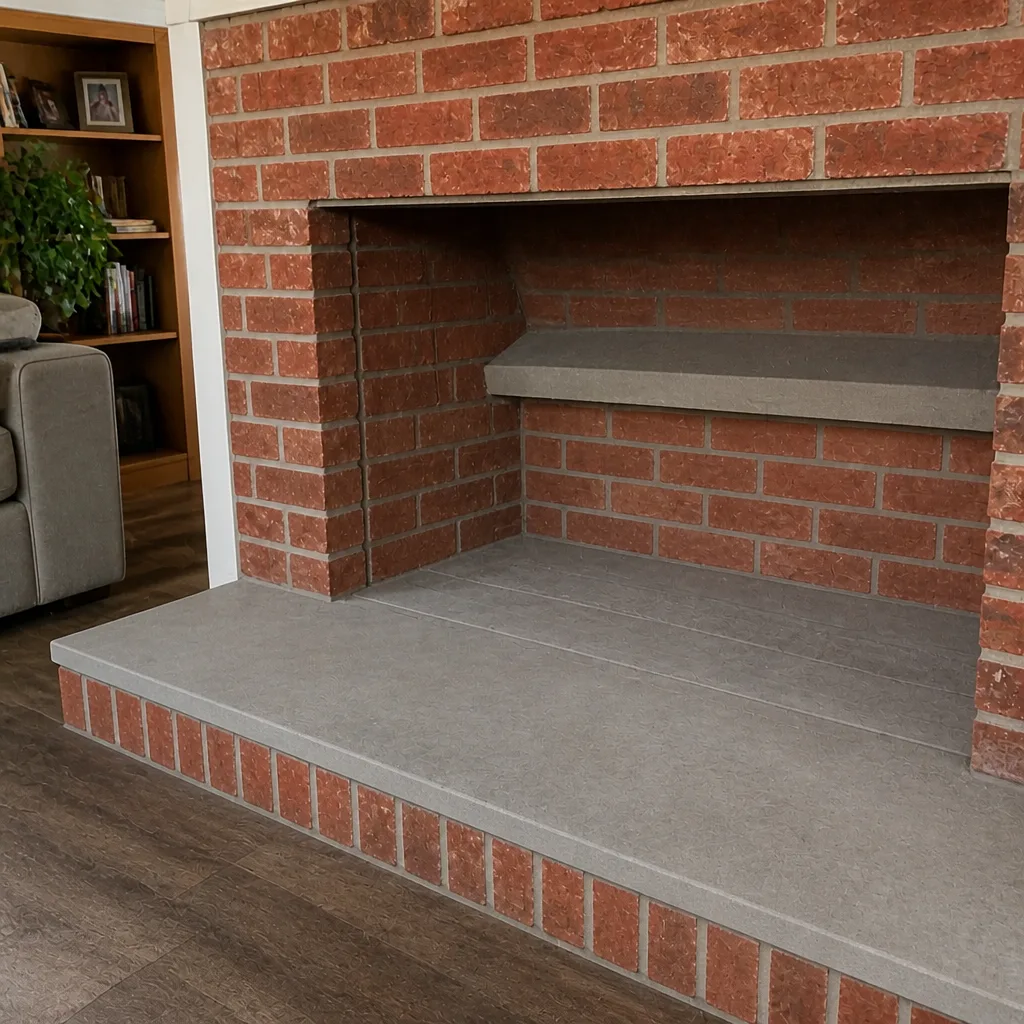
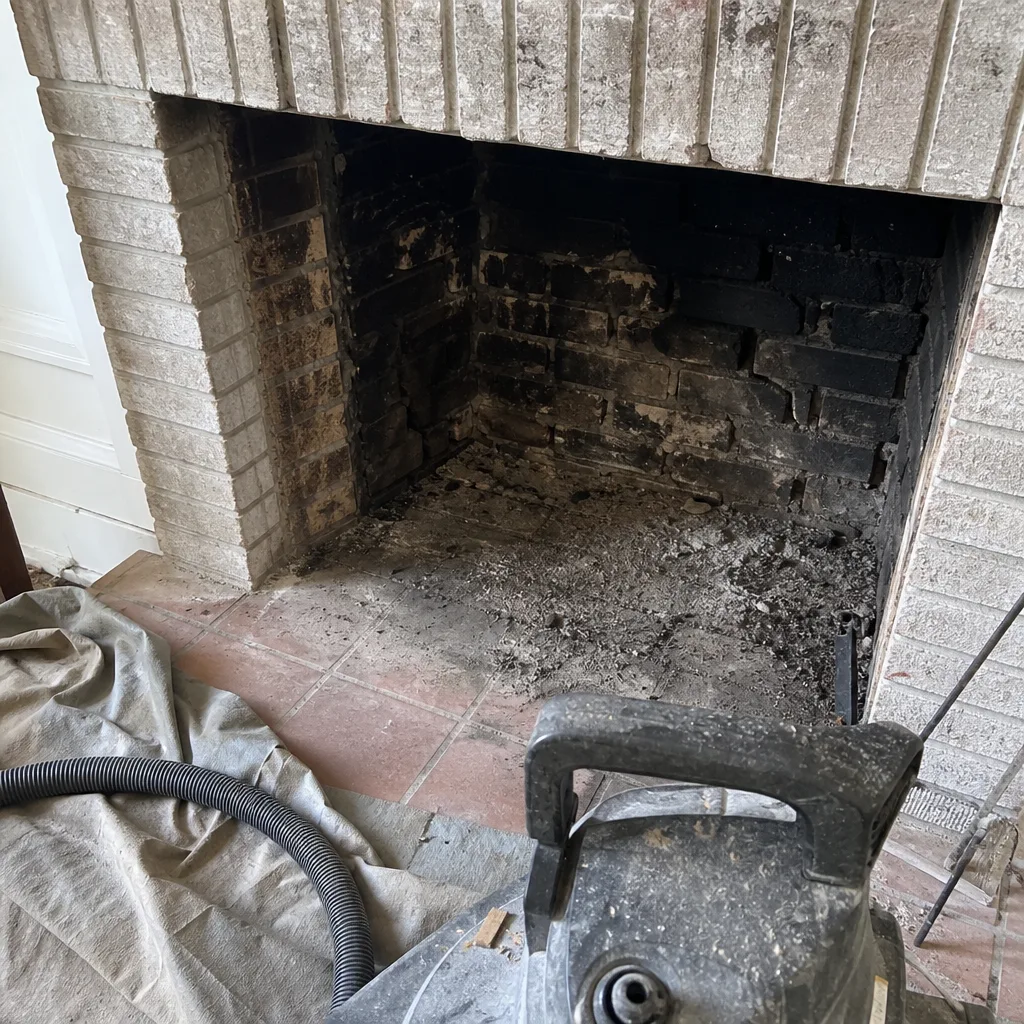
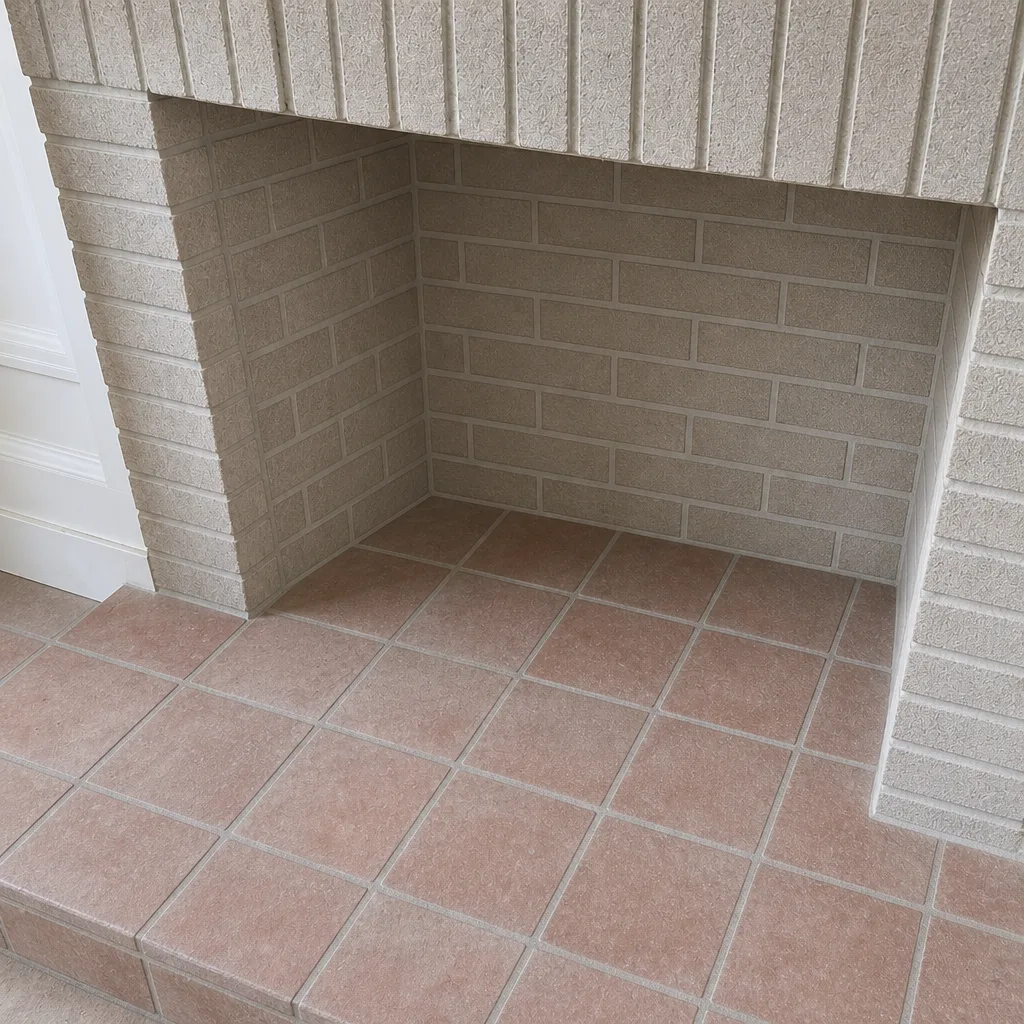
See the difference
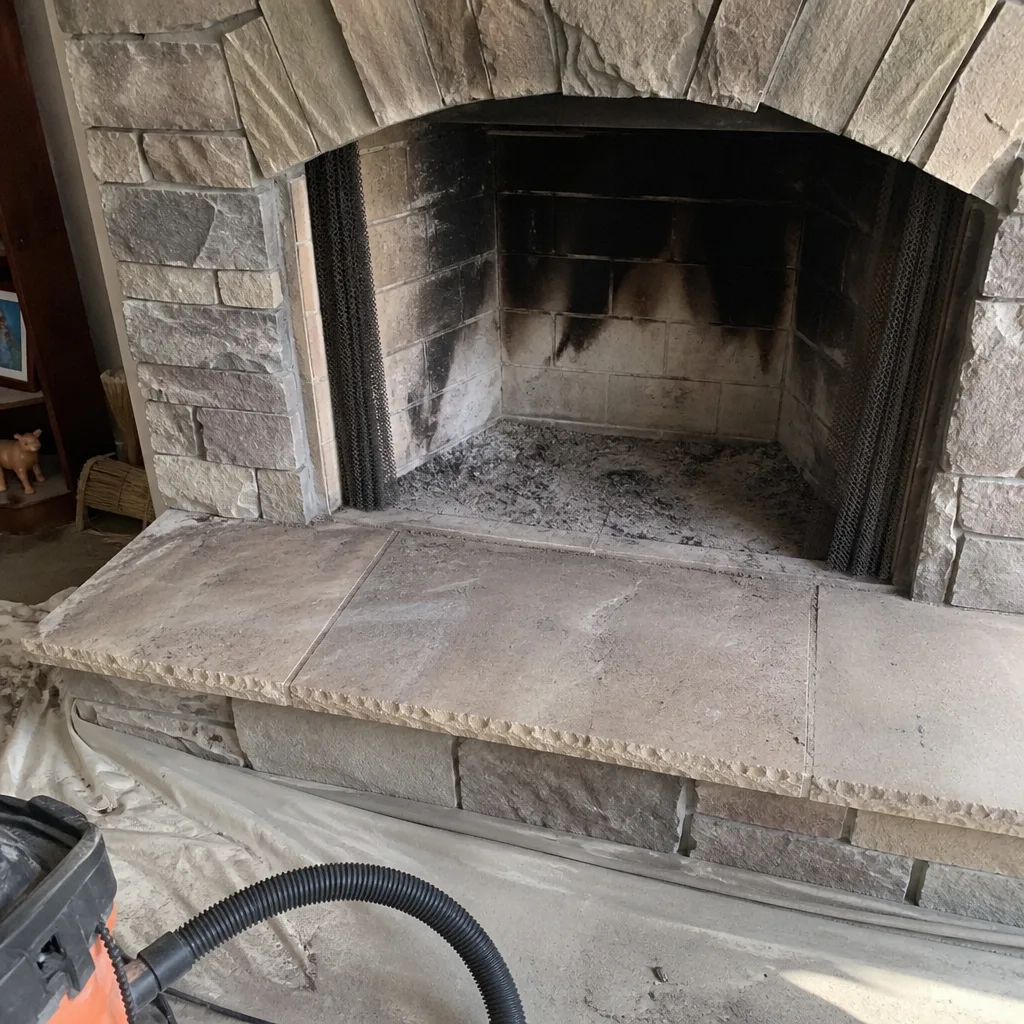 Before
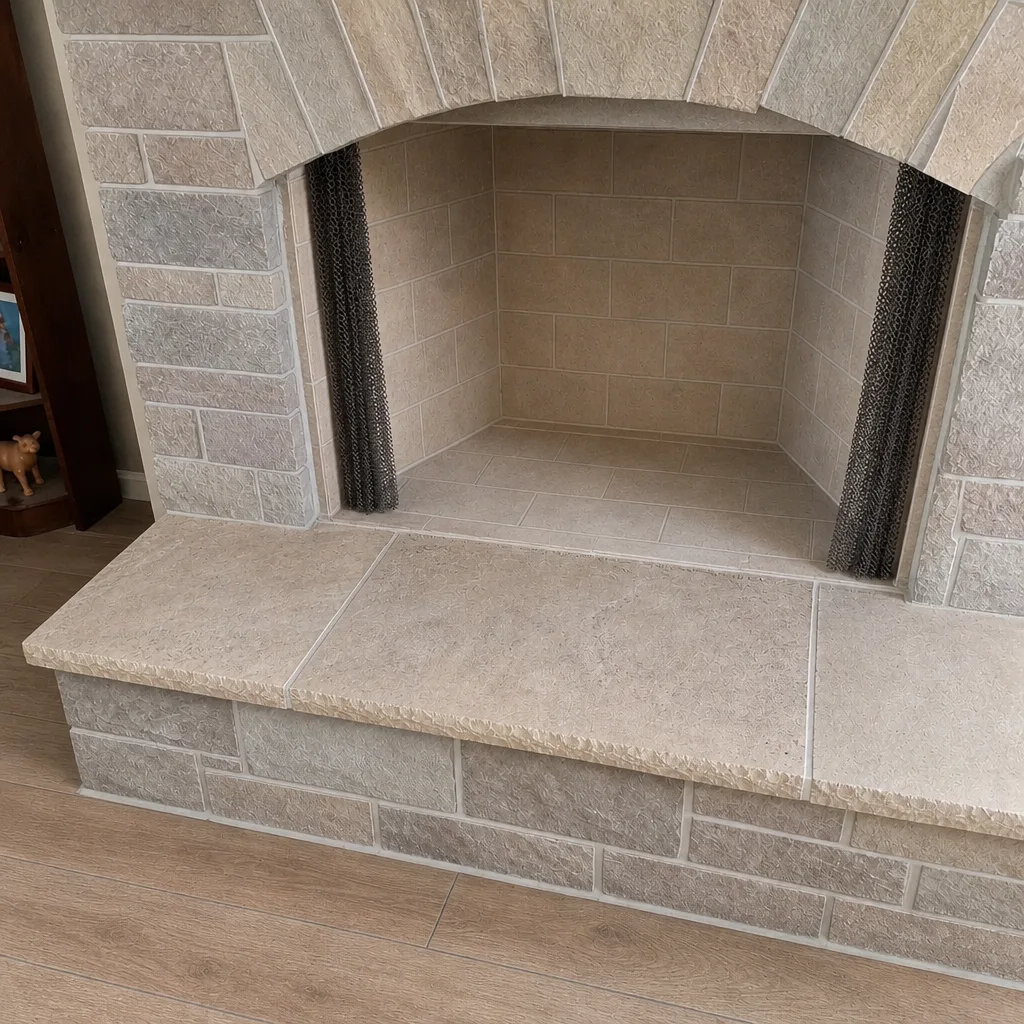 After
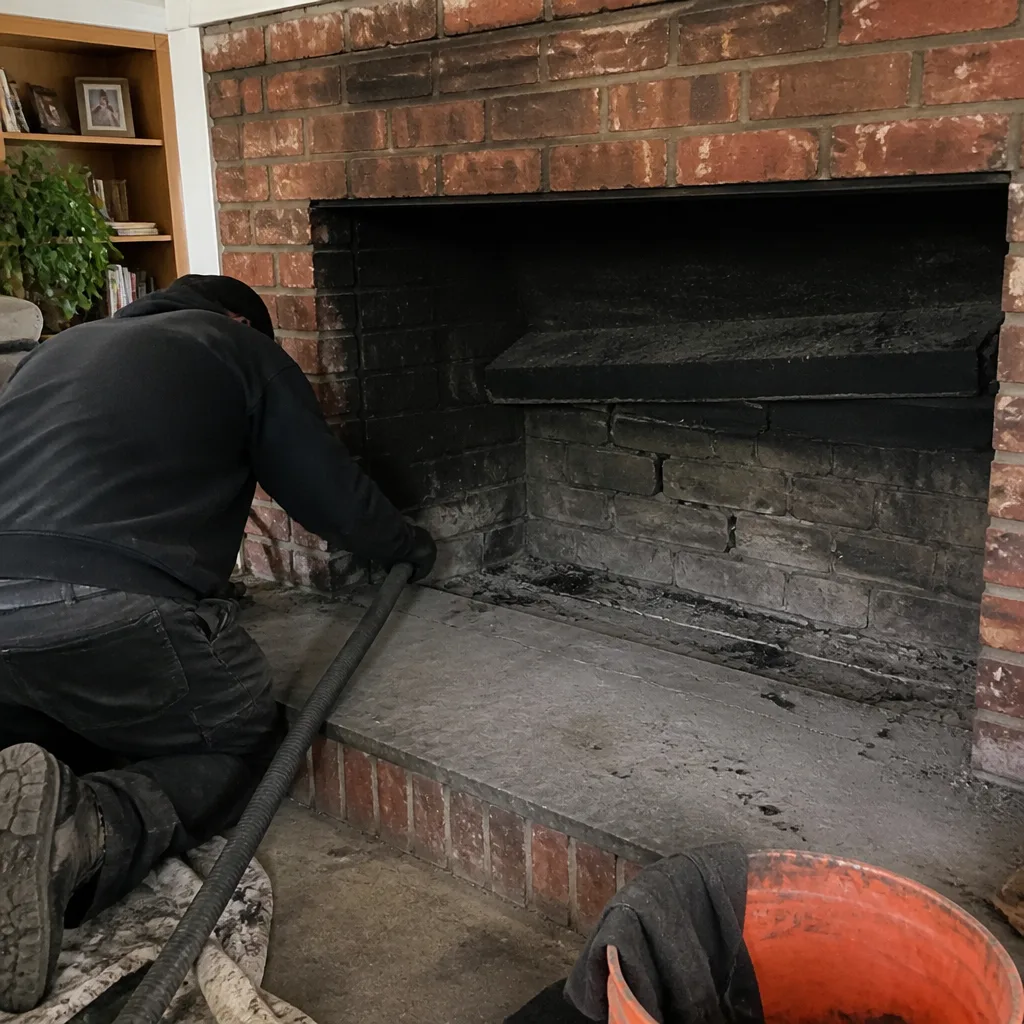 Before
 After
 Before
 After
When to Call a Professional
Call a professional if you’ve noticed any sign from the “schedule soon” or “call today” lists, if it’s been more than a year since your last sweep, or if you’ve just bought a home in Murphy Creek and you don’t know the chimney’s history. Older homes deserve a closer first look, since a chimney that hasn’t been inspected in years can hold surprises that aren’t visible from the firebox. Call a professional if the chimney cap is visibly off its seat, if the exterior brick has begun to spall, or if a gas fireplace smells at all. And call if you simply want a straight answer about what’s normal for your chimney.
Chimney Sweep Murphy Creek offers free estimates in Murphy Creek. Call (833) 468-5972. We answer 24/7. Fast dispatch from 7am to 7pm, Sunday through Friday. Every visit includes camera inspection with a photo report, and the price is set per job by the written estimate.
Frequently Asked Questions
The earliest signs are behavioral and structural, not dramatic: a draft that pulls a little weaker than usual, smoke that lingers at the damper, or a fire that’s suddenly harder to light. On the exterior, the first clues are often a faint white staining on the brick (efflorescence) or mortar joints that look slightly recessed. Inside, a pale white haze on the firebox brick is an early signal. Call (833) 468-5972 for an exact quote – estimates are free.
Once a year for most homeowners who burn regularly, which is the standard recommendation across the trade. A home that burns heavily through a Murphy Creek winter may need a sweep more often, and one that burns only occasionally may stretch a bit longer. A professional inspection is the way to know for your specific chimney. Call (833) 468-5972 for an exact quote – estimates are free.
It depends on the smell. A faint musty odor in spring and fall is usually water-related and can wait for a scheduled inspection. A strong acrid or oily smell that persists is more concerning and can point to creosote build-up or a liner problem. A gas smell from a gas fireplace means call your gas provider and don’t light it. Call (833) 468-5972 for an exact quote – estimates are free.
Yes. Slow-burning chimney fires can burn inside the flue with little or no sound, and the only evidence is often found months later by a sweep: discolored or pitted clay tiles, a warped damper, or heat damage around the firebox. That’s one reason an annual inspection matters even in a year with no obvious symptoms. Call (833) 468-5972 for an exact quote – estimates are free.
It usually points to moisture or to gases condensing where they shouldn’t, and it’s a soft early indicator worth an inspection. It’s not a confirmed diagnosis on its own, and a professional can tell you what it means for your specific firebox. We don’t recommend any repair without camera evidence you can see for yourself. Call (833) 468-5972 for an exact quote – estimates are free.
Creosote keeps building in the flue, and the more it builds, the more fuel a chimney fire has to burn. Water keeps working on the mortar and brick, and what starts as efflorescence can progress to spalling. A flue that was sound can develop cracks over time. An inspection tells you where your chimney actually stands. Call (833) 468-5972 for an exact quote – estimates are free.
The Bottom Line
The quiet signs are the ones that matter. A change in draft, a faint smell, white staining on the brick, a white haze on the firebox: none of these are dramatic, and all of them show up before the obvious symptoms do. If you own a home in Murphy Creek with a wood-burning or gas fireplace, the most useful habit is to learn what your chimney does when it’s healthy, so you notice when it changes. Schedule an inspection when the signs add up, call today if you see a crack, smell gas, or notice evidence of a chimney fire, and don’t take on firebox or flue work yourself. One team can handle the sweep, the inspection, the fireplace repair, the cap and crown, and any reline that follows. Our technicians have up to 10 years of experience, and we use camera inspection with a photo report so every recommendation is something you can verify. The written estimate sets the final price.
Call (833) 468-5972 for a free estimate. We answer 24/7. Fast dispatch from 7am to 7pm, Sunday through Friday.
Written by the team at Chimney Sweep Murphy Creek.