
Last updated November 23, 2026
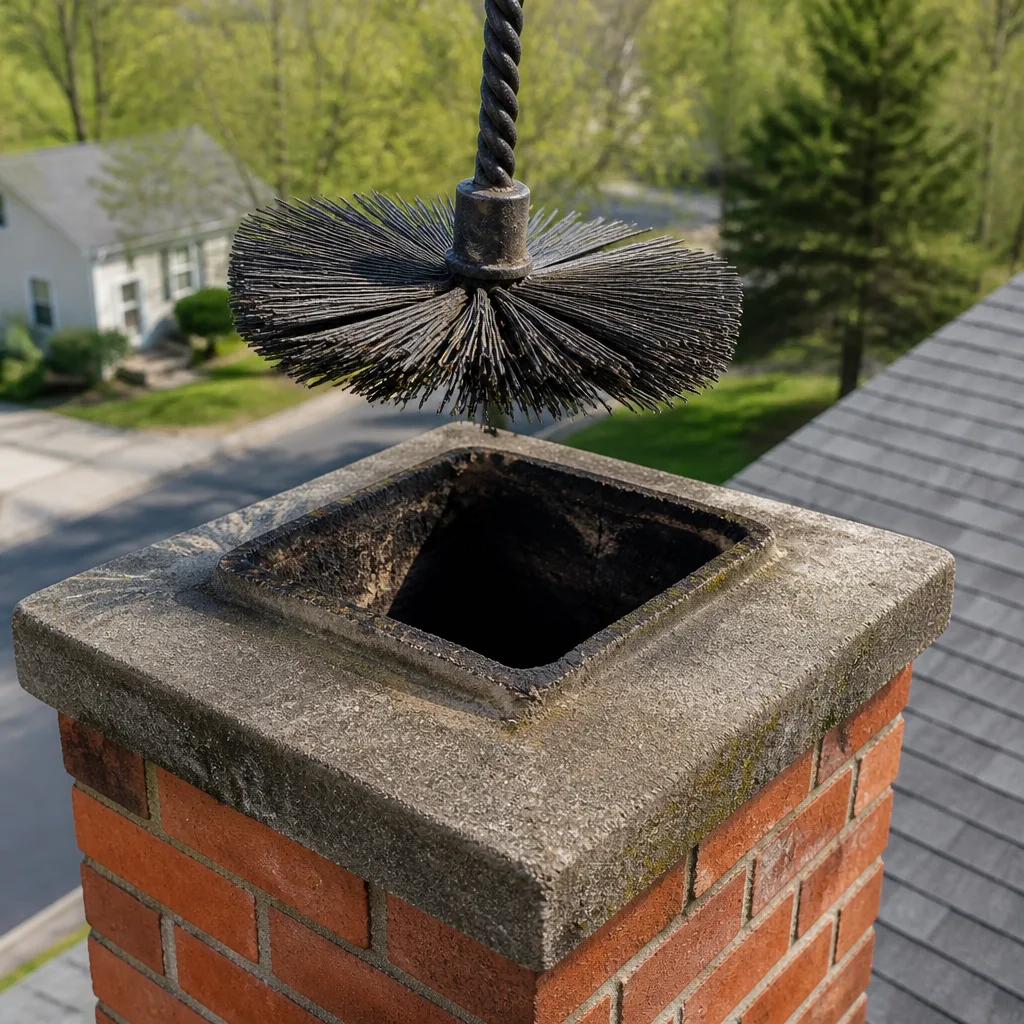 Sweep & inspection
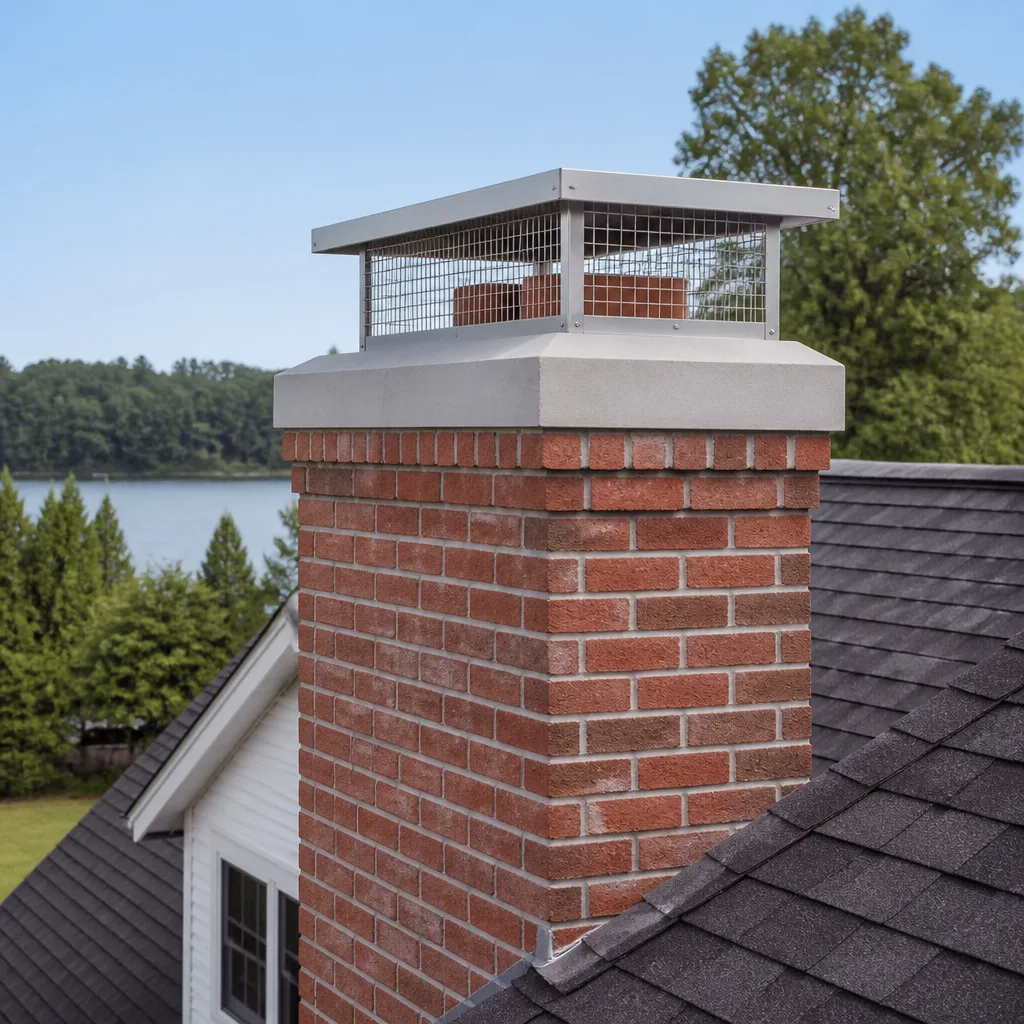 Caps & crowns
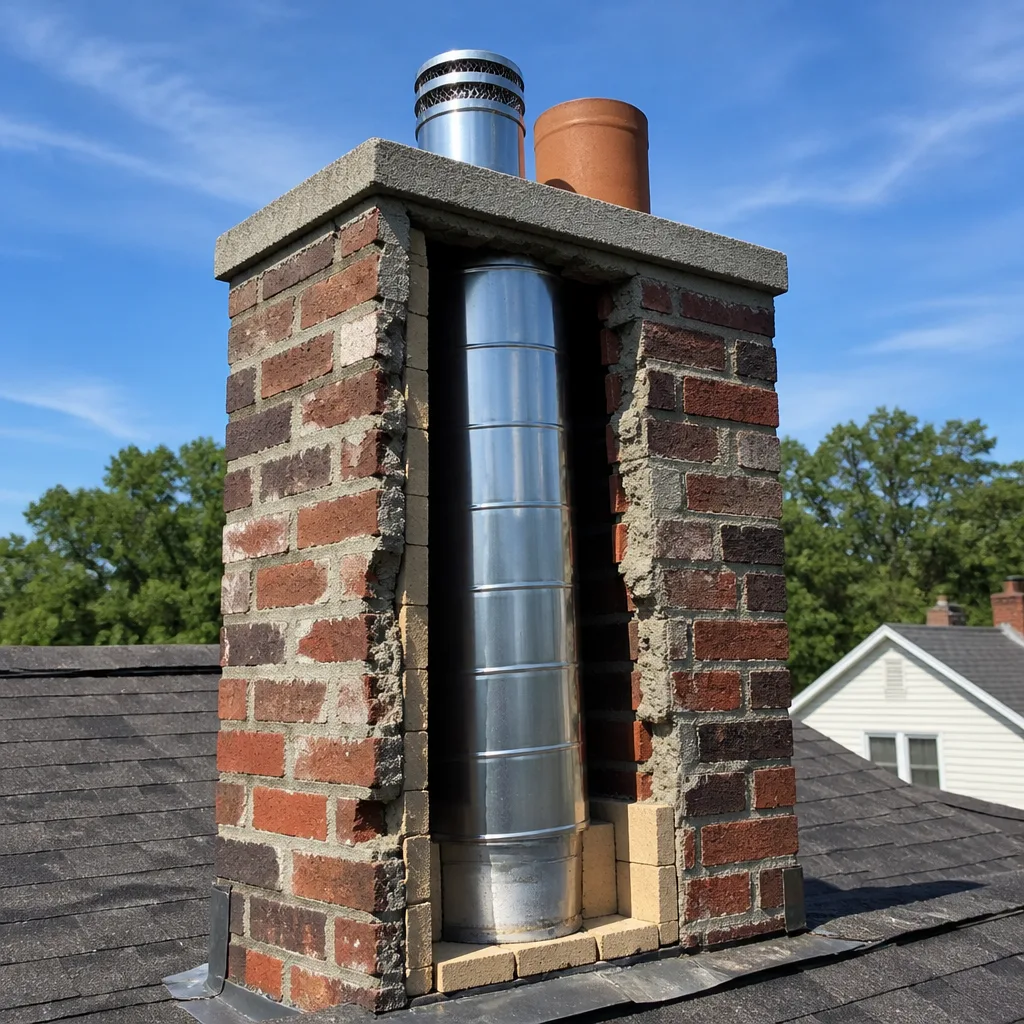 Flue relining
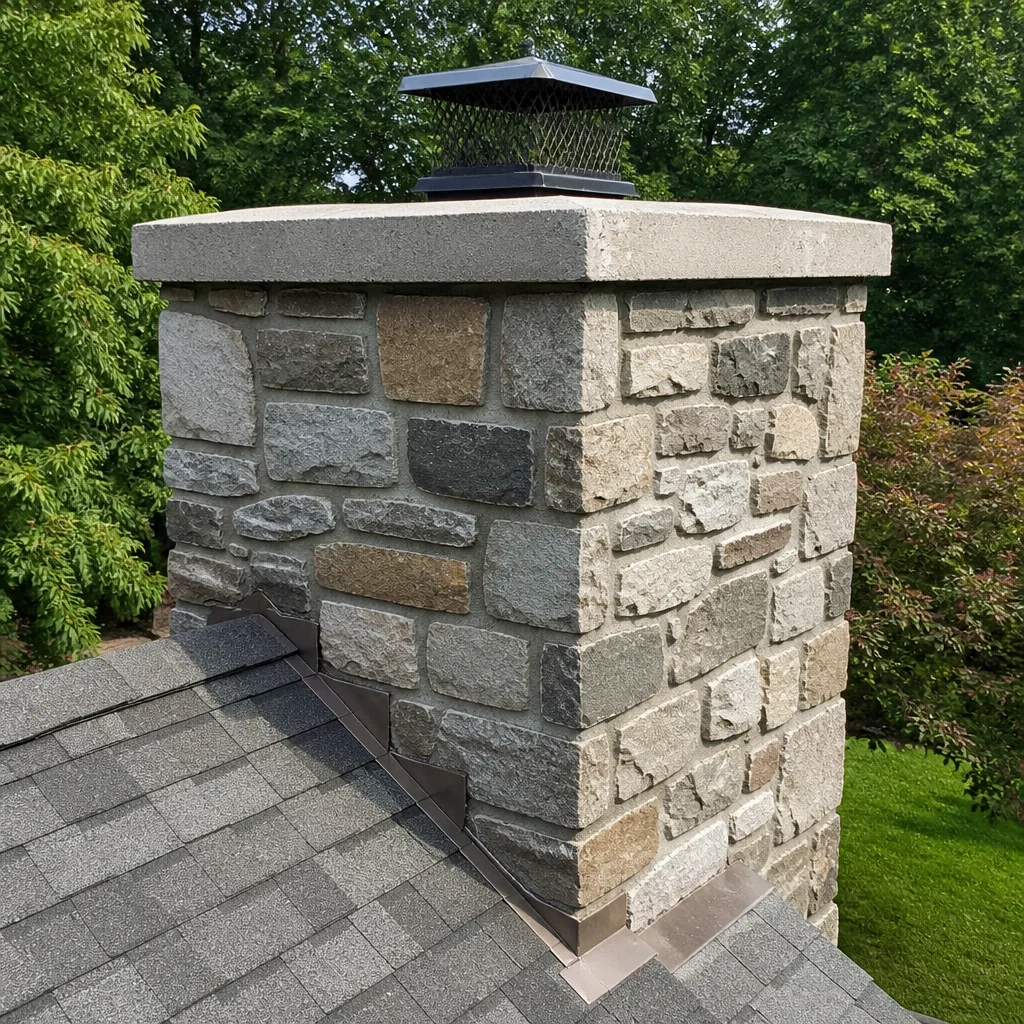 Masonry repair
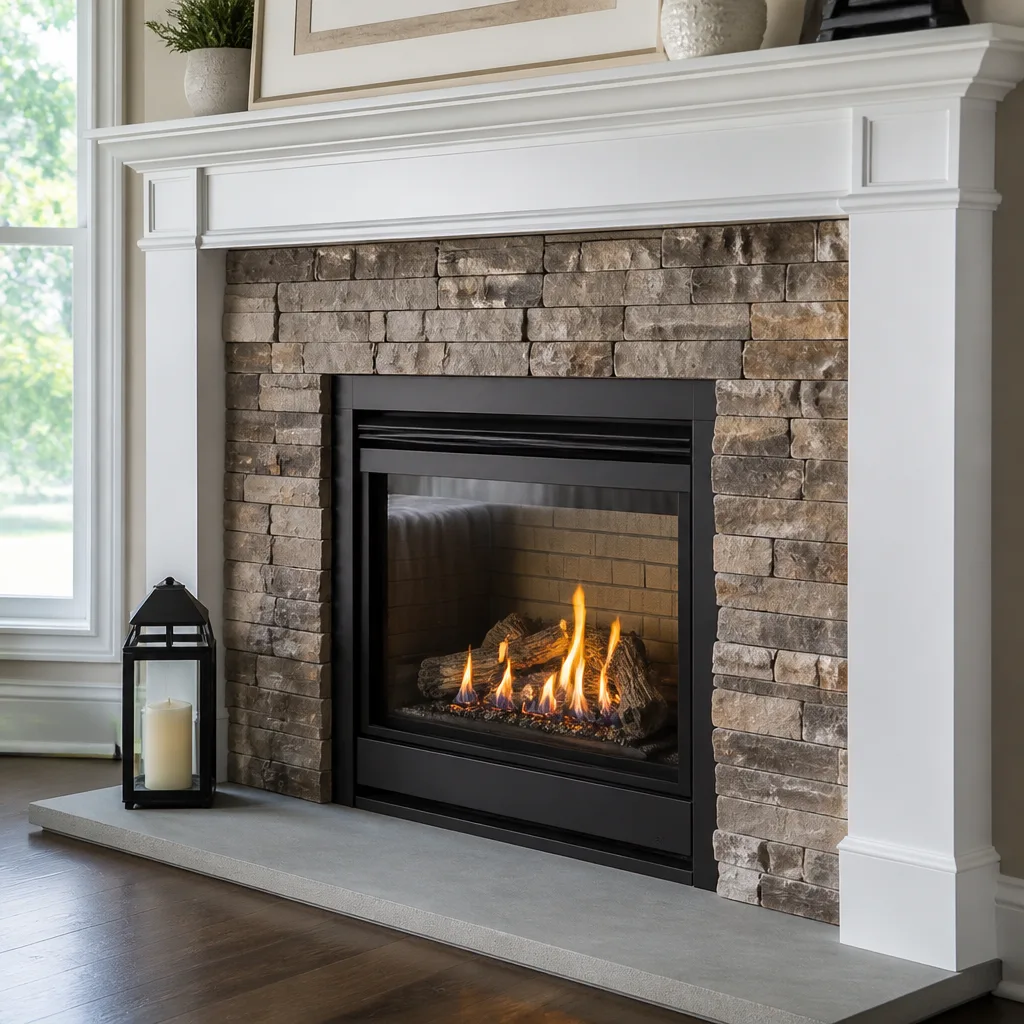 Gas fireplace service
Level 1 sweep and inspection to the NFPA 211 annual standard - flue, crown, cap, and flashing checked and photographed
Chimney sweep logs do not sweep chimneys. They loosen some creosote - which then falls where a brush and vacuum still have to collect it.
How to Hire a Chimney Cleaning Contractor in Murphy Creek: A Step-by-Step Guide
Most homeowners hire a chimney contractor the same way they hire a plumber: they call the first name that comes up, ask what it costs, and book it. That works for a clogged drain. It’s a poor way to vet the one trade that decides whether combustion gases leave your house or stay in it. The certification question is the clearest example. Earning the CSIA credential takes roughly 100 hours of study plus a proctored exam, yet plenty of contractors advertising chimney cleaning across Colorado list no certifications at all. And most homeowners never think to ask.
This guide walks through what to verify, what a real quote should say, and how to compare two estimates that look nothing alike. It’s written for people in Murphy Creek who want a specialist, not a seasonal generalist.
Quick Answer
To hire a chimney cleaning contractor in Murphy Creek, verify three things before you book: current CSIA certification for the technician who will actually be on your roof, a scope that lists the specific components being cleaned and inspected, and a written inspection report delivered whether or not you buy any repair. Ask who performs the work. If the answer is a subcontractor you’ve never spoken to, keep looking. Price should be the last thing you compare, not the first.
Styles & brands we work with
- Sweep & inspection
- Caps & crowns
- Flue relining
- Masonry repair
- Gas fireplace service
Table of Contents
- What credentials should you verify before hiring?
- How do you actually confirm those credentials online?
- What a professional pre-job walkthrough should include
- How to tell whether a contractor does their own work
- How to compare quotes when scope differs
- Red flags in chimney quotes
- Why Murphy Creek chimneys have specific needs
- Questions worth asking before you sign
What credentials should you verify before hiring?
Three credentials matter in this trade: CSIA certification for the sweeper, NFI certification if gas appliances are involved, and state contractor licensing for any structural work. Each tells you something different, and each is verifiable in minutes.
CSIA (Chimney Safety Institute of America) is the industry’s core credential for sweeping and inspection. A certified sweep has passed a proctored exam and carries continuing education requirements to keep the credential current. Certification is individual, not company-wide, so ask for the name or credential number of the technician assigned to your job. This matters in Murphy Creek, where a homeowner may book one company and get a crew from somewhere else entirely.
NFI (National Fireplace Institute) is the credential for technicians who work on gas fireplaces, inserts, and venting. If your home has a gas appliance, this is the one to ask about. A sweeper who handles wood only may not be qualified to touch a gas log set or a direct-vent insert.
State contractor licensing applies to structural repair, masonry rebuilds, and relining work in many jurisdictions. The specifics vary, so ask your contractor which license they hold for the work you need and check it with the authority that issues it.
None of these credentials is a guarantee of quality. But a contractor holding two or three of them is signaling that they invest in this trade specifically, not that they added chimney cleaning to a handyman list in the fall. From the firebox to the crown, the person on your roof should be able to describe how every component in your system works.
How do you actually confirm those credentials online?
Verification is a five-minute task. Here’s how to do it without trusting a logo on a website.
- Find the technician’s name or certification number on the quote. If it isn’t there, ask for it in writing before you book. A contractor who can’t or won’t name the person doing the work is telling you something.
- Search the CSIA’s online certified sweep directory. Look up the name or number and confirm the credential is current, not expired. Certification requires renewal, and a lapsed credential is common.
- Check the NFI directory if your scope includes a gas appliance. The same lookup applies.
- Confirm state licensing with the agency that issues it. Ask specifically whether the license covers the category of work in your quote.
- Verify the business entity. A contractor operating under one name while the license sits under another is worth a follow-up question, especially in smaller markets like Murphy Creek where a referral and a license name may not match.
One thing to watch for: certification badges copied from another site. A logo on a website proves nothing. The directory entry is the proof. If a contractor’s name doesn’t appear when you search, that’s your answer, no matter how the site looks.
A specialist will also be comfortable with the materials side of the conversation. Ask what liner system they’d spec and why. If the answer names DuraFlex or HeatShield and can describe when each is appropriate, you’re talking to someone who does this work regularly. Most chimney companies use recognized industry-grade components, and a technician who works with them knows the brand names cold. We install chimney cap & crown systems the same way, using recognizable brands rather than anonymous parts.
What a professional pre-job walkthrough should include
Before any brush goes up the flue, a proper contractor walks the system with you. This isn’t a sales pitch. It’s the diagnostic step that determines what the cleaning should cover and what the inspection should flag. Ask for one, and pay attention to what they do.
- A look at the firebox and damper. Visible damage, rust, or a damper that no longer seats tell the technician what to expect inside the flue.
- A visual check of the flue opening from the roof. A technician should note obvious creosote buildup, birds’ nests, or a missing cap before cleaning begins.
- A walk around the exterior. Masonry joints, crown condition, flashing, and cap integrity all belong in the inspection, which is why chimney repair and cleaning usually get discussed in the same visit.
- A conversation about how you use the fireplace. How often you burn, what you burn, and whether the fireplace sits idle for long stretches all affect how often the system needs attention.
- Floor and hearth protection set before work starts. Drop cloths and a sealed work area are basic. A technician who arrives without them isn’t set up for a clean job.
This walkthrough is also the moment to ask about camera inspection. A video sweep of the flue shows spalling tiles and gaps that a visual look from the top cannot. If a contractor doesn’t offer one, ask whether they can.
A walkthrough should take ten to fifteen minutes. If a contractor skips it entirely and goes straight for the brushes, ask them to slow down. You’re paying for a diagnosis, not just a cleaning.
How to tell whether a contractor does their own work
In a smaller Colorado community like Murphy Creek, some companies that advertise locally will send a subcontractor. That’s not automatically a problem. It becomes one when nobody has verified who the subcontractor is or what they’re qualified to do.
Ask these questions before you book:
- “Who will be on my roof?” A straightforward answer names the technician or names the company. A vague answer (“our team”) with no follow-up is worth pressing.
- “Is that technician CSIA certified?” Individual certification matters here for the same reason it matters in the credentials check. Company-level certification claims are common; individual ones are the ones you can verify.
- “Will you be doing the repair work, or is that handled separately?” A contractor who cleans but outsources structural work, capping, and relining means you’re managing multiple tradespeople and multiple warranty chains.
- “Who do I call if a problem appears in a year?” Single-source work means you know exactly who stands behind the job.
- “Do you have written confirmation that the subcontractor carries liability coverage?” If a contractor can’t provide this, the question of who’s responsible for damage or injury gets complicated.
This is where single-source capability matters for homeowners. We handle inspection, cleaning, fireplace repair, and capping as one scope, so the person who inspects your flue and the person who recommends a repair are the same team. That’s not a marketing point. It’s how the responsibility chain stays intact.
If you need to confirm the right contractor for the cleaning phase specifically, our chimney sweep page covers what that visit includes.
How to compare quotes when scope differs
Two quotes can both say “chimney cleaning” and mean entirely different things. One might be a brush-and-go. Another might include a camera inspection, a written report, cap check, and a crown condition note. Comparing the numbers alone is a mistake.
Use this framework to line up the quotes:
- What’s included in the price? Sweep, camera inspection, written report, cap and crown check, firebox inspection, and any documentation. If the quote doesn’t list them, they’re probably not in it.
- Who performs the work and what are their credentials? Both quotes should name a CSIA-certified technician. If one does and one doesn’t, that’s a difference the price sheet won’t show.
- Is the inspection report a separate add-on? Any contractor who charges for an inspection that another includes in the clean is effectively quoting a higher real price. We include inspection in our standard scope because the cleaning without it is incomplete.
- What’s the material spec for any recommended repair? A reline quote that names a DuraFlex system tells you what’s going up the flue. A reline quote that says “liner included” tells you nothing. The brand matters, because the choice of liner affects how the repair performs over decades.
- What’s the warranty term and who honors it? Compare the warranty language against the scope of work.
- Is the estimate written, and does it break out labor and materials? A firm written estimate sets the final price. Verbal ranges invite drift.
Ask each contractor to fill in the framework in writing. The comparison becomes clear within a few minutes. A cheaper quote on paper is often the more expensive one once scope is aligned.
Red flags in chimney quotes
Some patterns recur across the trade, and it’s worth knowing them before the estimate arrives.
Vague scope language. Terms like “full cleaning,” “complete service,” or “inspection included” without any specifics are worth a follow-up question. Ask what each one covers. A contractor with a defined process can list it.
No written inspection report. The inspection is the whole point. If the cleaning happens without a report, the homeowner has no way to track the flue’s condition or plan the next step. A real contractor documents what they found, whether or not you buy any additional work.
Pressure to buy the repair on the spot. A cleaning visit should not turn into a same-day reline sale. Any contractor who recommends significant repair work should be able to show you the camera evidence and give you time to consider it. In our experience, the contractors who show their work and allow time are the ones you want.
Cash-only pricing or flat-rate quotes with no breakdown. A written estimate breaks out labor and materials. A cash-only contractor with a flat quote is unlikely to be carrying proper insurance or licensing because they’re not documenting the business in a way that would stand up.
No mention of caps or crowns in the inspection scope. Cap and crown condition matters both for water intrusion and for keeping animals and debris out of the flue. A quote that never mentions them isn’t a complete assessment.
Brand names switched at the last minute. If a quote names one liner system and the technician arrives with another, ask why. Reputable contractors use recognized brands, and switching them signals something about the quote itself.
Photographs that don’t match the property. A camera shot of a damaged flue should be from your flue. Ask to see the video or the stills if you have concerns.
Why Murphy Creek chimneys have specific needs
Murphy Creek sits east of Aurora on the high plains, and the combination of cold winters, dry stretches, and temperature swings puts real stress on masonry. Freeze-thaw cycles are the main story. Water gets into a mortar joint or a hairline crack, freezes, expands, and pushes the masonry apart. Repeat that over a few winters, and you get spalling brick and a crown that’s starting to check.
That matters for hiring. A contractor who doesn’t look at the crown, the cap, and the flashing during a Murphy Creek inspection is skipping the components most likely to need attention in this climate. Ask specifically whether crown condition and cap integrity are part of their standard inspection.
The burn season also shapes the cleaning schedule. Homeowners in Murphy Creek burn through the winter months and may let the fireplace sit idle through the summer. Creosote that builds up across a season and then sits in the flue during the off-months hardens and glazes, and glazed creosote is harder to remove with a standard brush. That’s one reason a pre-season cleaning is worth booking before cold weather sets in.
Older homes in the area may have unlined or partially lined flues. A camera inspection will show the condition, and the right repair path depends on what it shows. HeatShield ceramic flue restoration is a recognized option for cracked but structurally sound tiles, avoiding a full reline. A contractor who doesn’t mention restoration as an option is either unfamiliar with it or steering toward the larger job. Both are worth knowing before you sign.
The vetted local professionals we connect you with carry CSIA-recognized credentials and work with brands such as DuraFlex and HeatShield in their repairs. Call (833) 468-5972 for a walkthrough on a Murphy Creek property.
Questions worth asking before you sign
Bring this list to the phone call. The answers will tell you more than the website.
- Are you CSIA certified, and is the technician on my job certified? If they can’t name the technician, ask who is dispatched.
- Does the cleaning include a camera inspection and a written report? “Inspection” without a report is a visual look, not documentation.
- Who does the repair work if something comes up? Single-source capability means the same team handles the follow-up.
- What liner brands do you use? If the answer includes DuraFlex, HeatShield, Famco, or Copperfield, you’re talking to someone with material fluency. Vague answers are worth a second look.
- Will I see the camera footage of my flue? A contractor who is comfortable showing the evidence is confident in what they recommend.
- Is the estimate written, and does it break out labor and materials? A written estimate sets the final price, and a firm quote holds up over time.
- What’s the warranty on the cleaning and any repair work? Get the term in writing.
- What if the inspection shows nothing beyond the cleaning? A good answer is “then nothing beyond the cleaning.” That’s the answer of a contractor who is comfortable with a clean inspection.
These questions also do something else. They signal to the contractor that you’re vetting, not shopping on price alone. That changes what you get back.
Common Mistakes to Avoid
- Booking the first name that comes up. In a smaller market like Murphy Creek, the first name may be the only one with ad spend, not the one with credentials. Ask for the certification before you book.
- Accepting a cleaning that doesn’t include an inspection. Cleaning without a report leaves you blind on the flue condition. The two go together, and the inspection is where the value lives.
- Comparing quotes by price alone. Scope, credentials, and material spec all differ across quotes. Align them first, then compare.
- Skipping the cap and crown check. The exterior of the chimney takes the worst of the freeze-thaw cycle in the Murphy Creek area, and exterior issues go unnoticed until they cause interior problems.
- Hiring a contractor who subcontracts to whoever is available. The crew on the roof matters. Ask who is actually doing the work.
- Buying a significant repair without seeing the evidence. Camera footage should be available. Ask to see it if the recommendation is structural.
- Letting a repair go because of the inconvenience. A cracked flue liner lets combustion gases into the home. It’s not a maintenance annoyance, and the right fix depends on the specific damage. Ask for a clear explanation of why a given repair is necessary, what the alternatives are, and what happens if the repair waits.
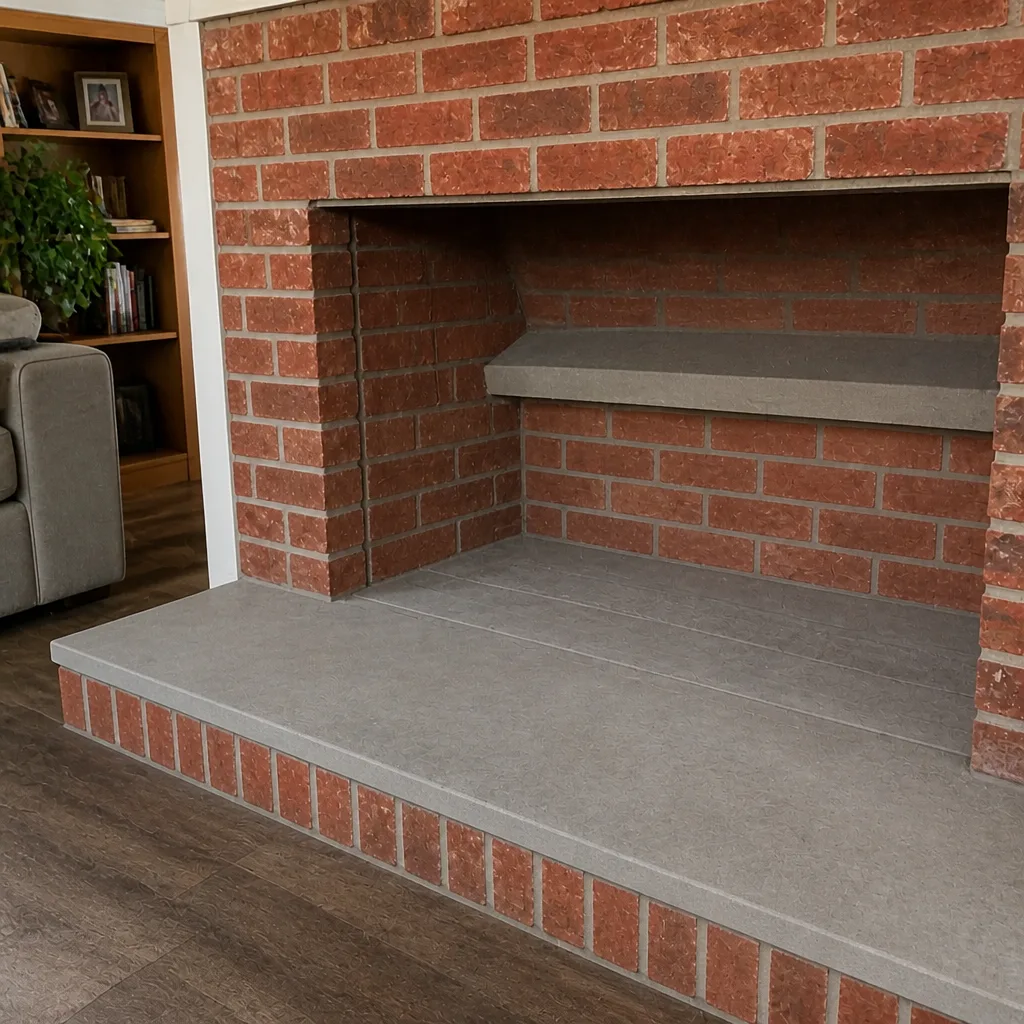
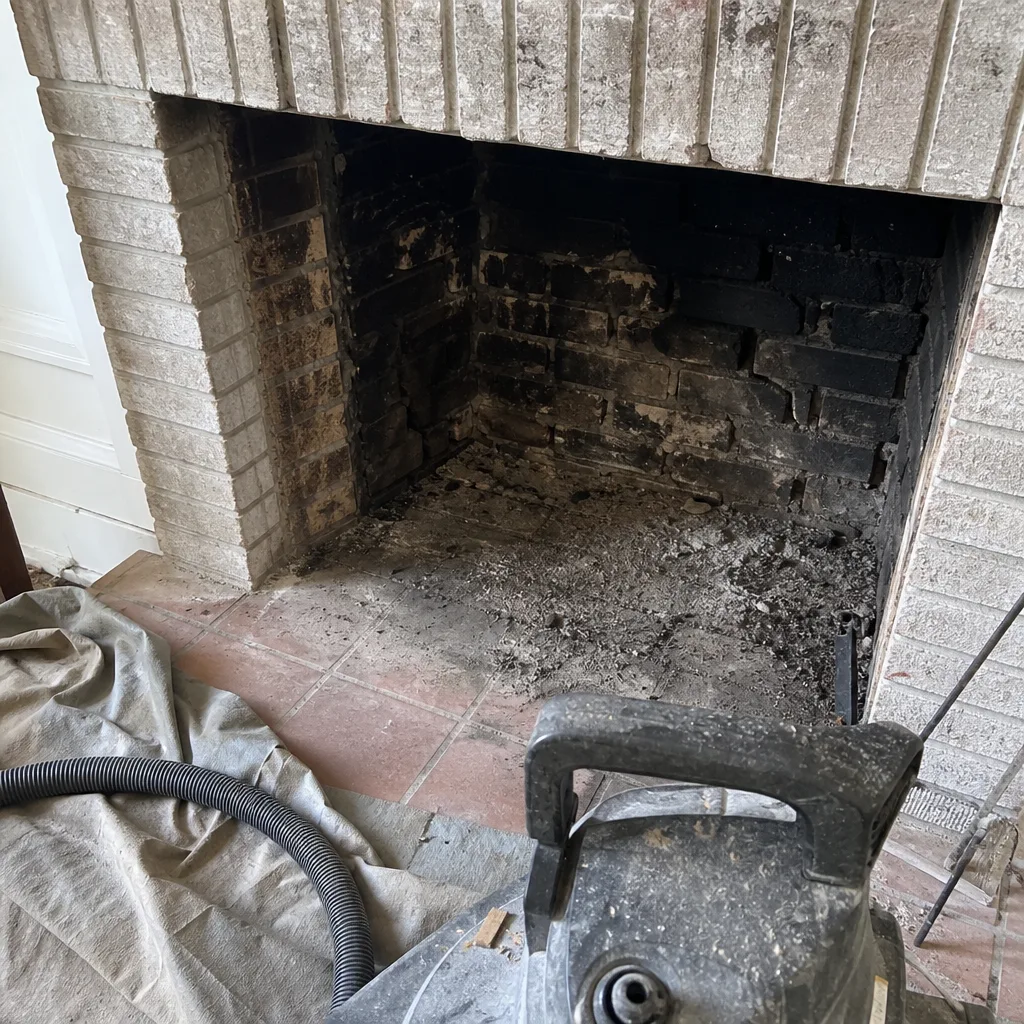
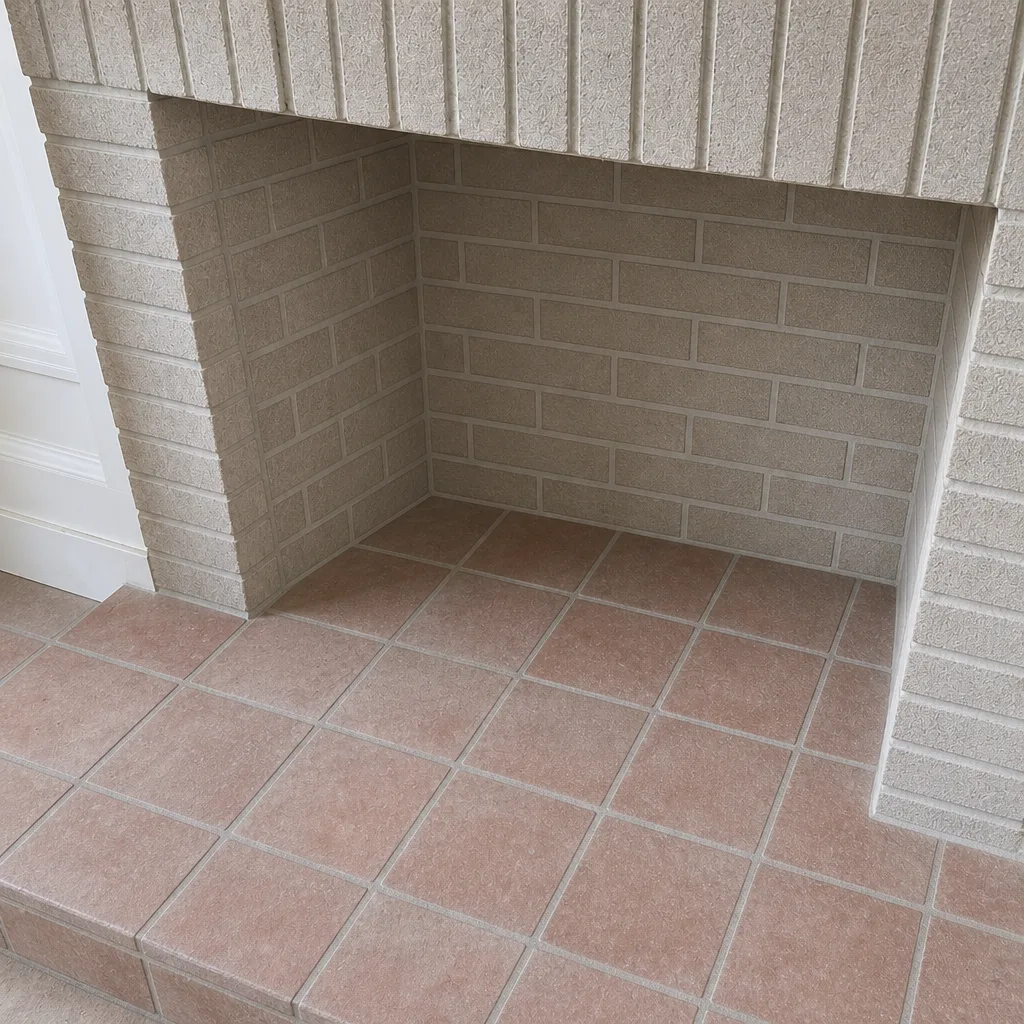
See the difference
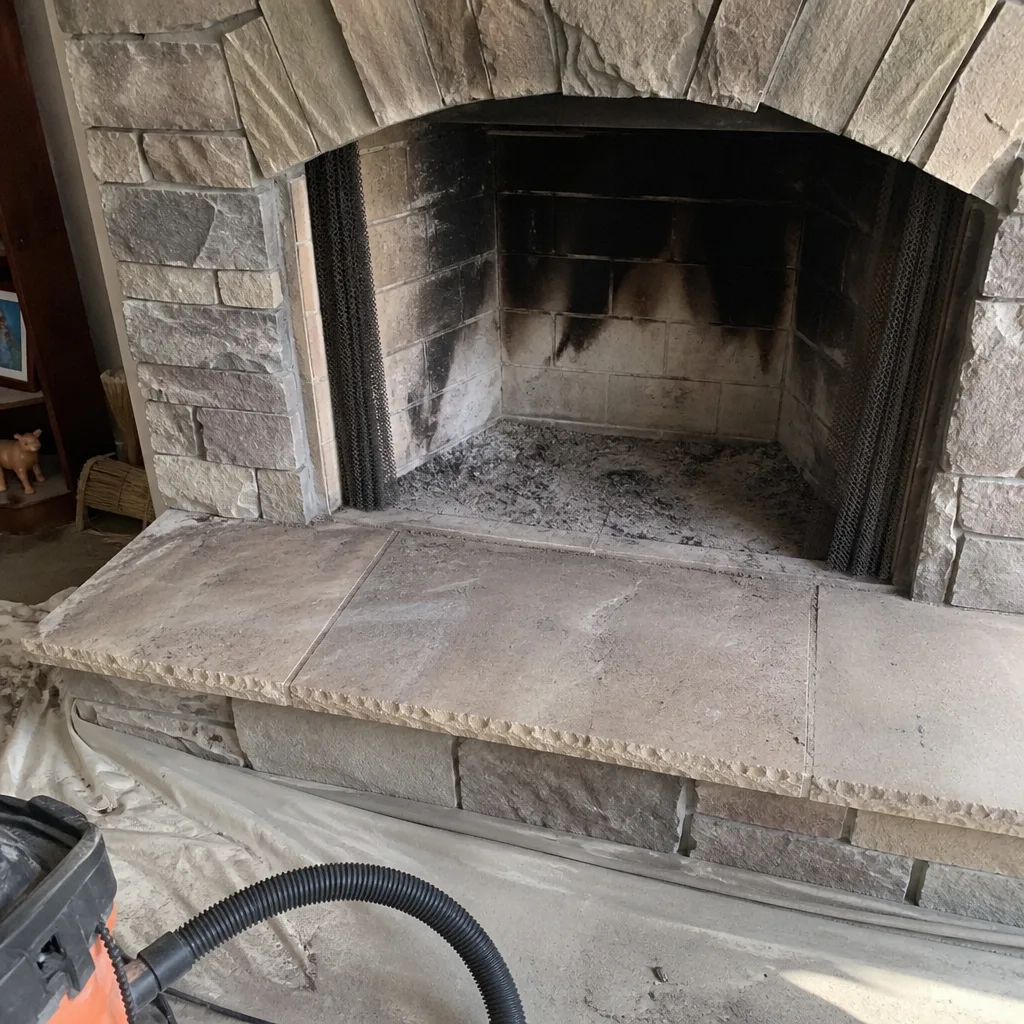 Before
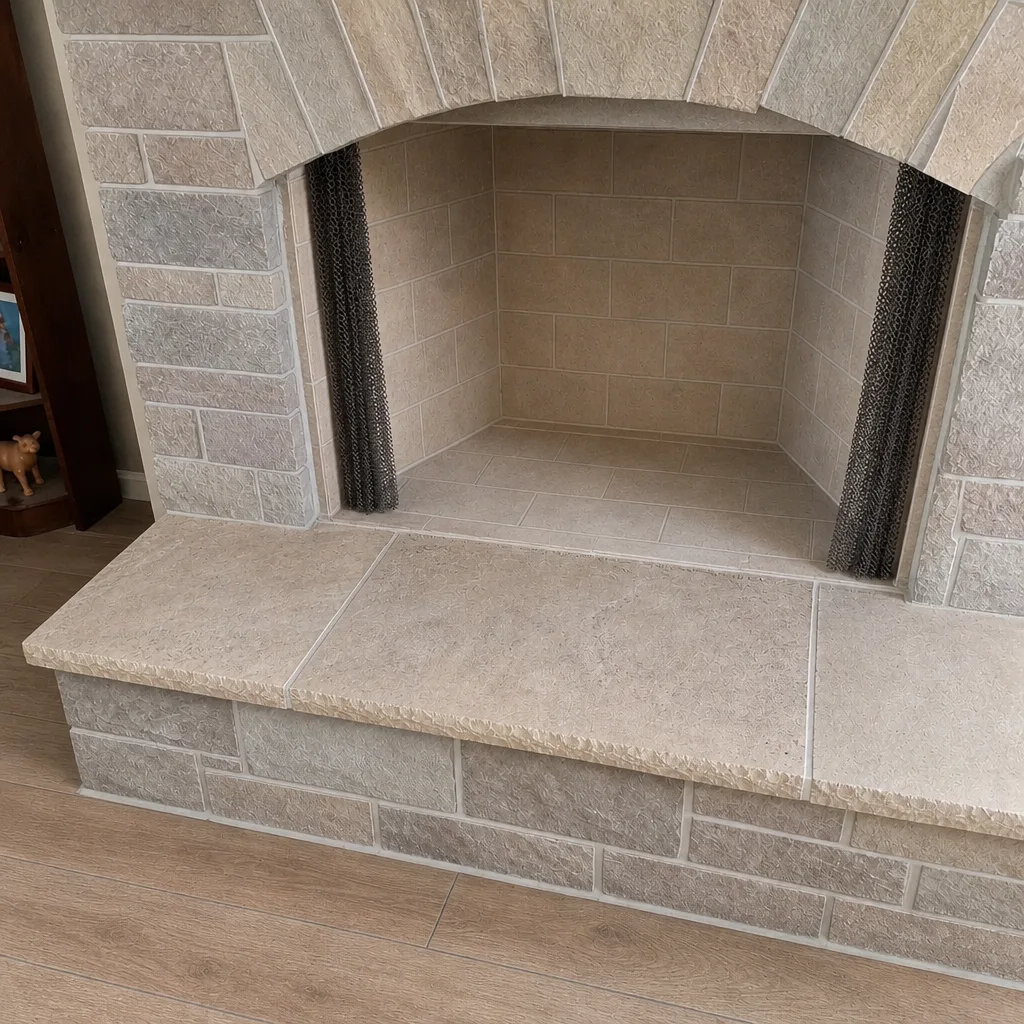 After
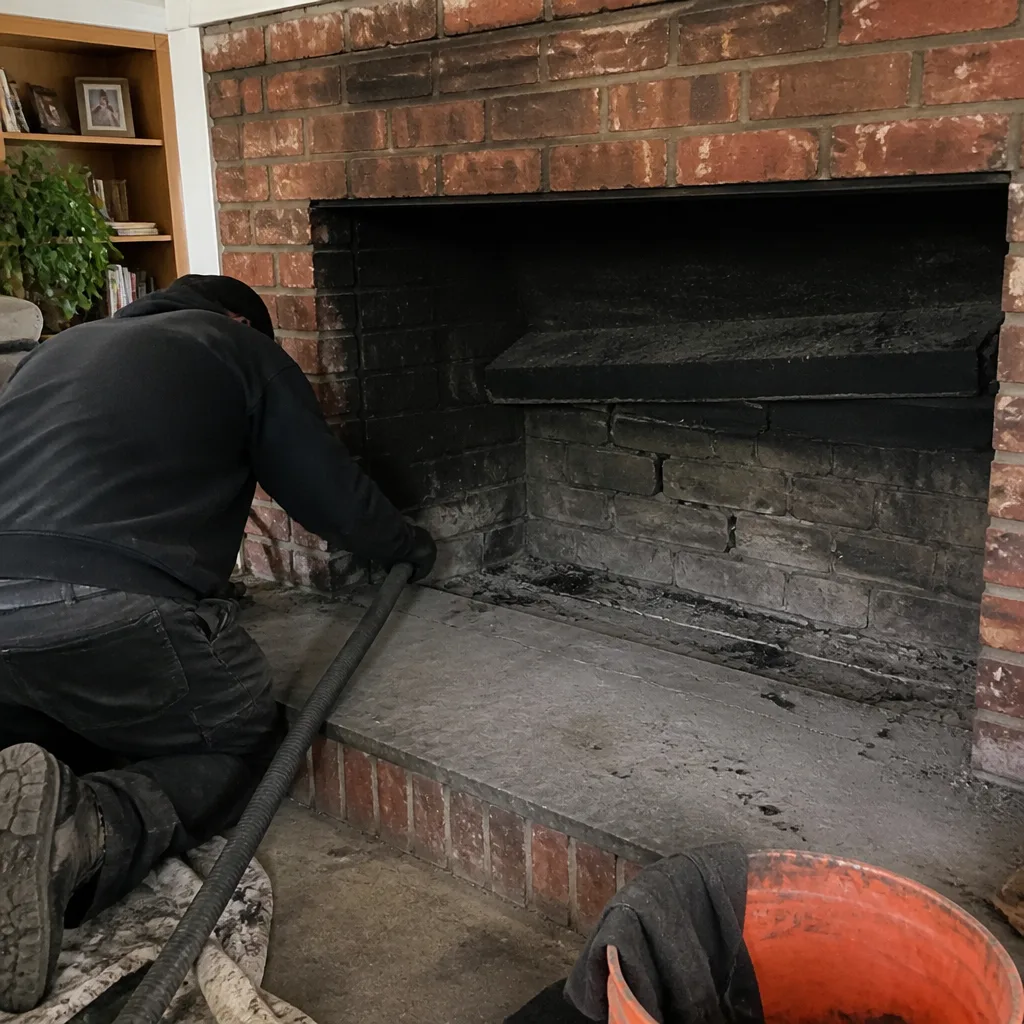 Before
 After
 Before
 After
When to Call a Professional
Call a professional when any of these applies:
- The flue has visible creosote buildup, especially glazed or flaky buildup.
- Smoke backs up into the room when you open the damper.
- Your carbon monoxide detector has ever gone off near a fireplace or gas appliance.
- The cap is missing, damaged, or partially detached.
- You’re moving into a Murphy Creek home with a fireplace whose last cleaning is undocumented.
- You see spalling brick, a crumbling crown, or loose flashing on the exterior.
- Your last sweep was more than a year ago and you burn regularly.
Chimney Sweep Murphy Creek offers free estimates in Murphy Creek. Call (833) 468-5972. We answer 24/7. Fast dispatch from 7am to 7pm, Sunday through Friday.
Frequently Asked Questions
A standard sweep in the Murphy Creek area typically falls within a range that reflects the local market and the scope of the visit. A cleaning that includes a camera inspection and written report is priced differently from a brush-and-go. We offer free estimates, and the written estimate sets the final price. Call (833) 468-5972 for an exact quote.
Yes, the inspection is essential even when the cleaning is routine. A cleaning removes what’s in the flue; an inspection tells you whether the flue is sound, whether the cap is intact, and whether the crown has begun to fail. Without the inspection, you have no way to know whether the cleaning was enough. Call (833) 468-5972 to book a visit that covers both.
Most wood-burning chimneys should be swept once a year, and more often if you burn heavily or notice creosote buildup. Gas fireplaces need annual inspection even where cleaning is less frequent. In our experience, a pre-season sweep works well in the Murphy Creek climate because it puts the system in clean condition before the burn season. Call (833) 468-5972 for a visit that fits your burn schedule.
Creosote builds up with every burn, and by the time it’s thick enough to restrict the flue, it’s also thick enough to be a fire hazard. Glazed creosote is especially hard to remove with a standard brush and may need a more thorough cleaning once discovered. Skipping a year doesn’t usually cause immediate trouble, but it makes the next cleaning larger. Call (833) 468-5972 to book a sweep on the routine schedule.
Look up the technician’s name or certification number in the CSIA’s online certified sweep directory. Certification is individual, so the technician doing the work needs to appear there, not just the company on the quote. If the contractor can’t provide a name or number, that’s information worth having. Call (833) 468-5972 to ask who will be on your roof.
Sometimes, yes. HeatShield ceramic flue restoration is a recognized option for cracked or spalling tiles when the surrounding structure is sound, and it avoids a full reline. The right answer depends on what the camera shows. Any recommendation should come with the footage to back it up. Call (833) 468-5972 to schedule an inspection that includes documentation.
A proper walkthrough covers the firebox and damper, the flue opening from the roof, the exterior masonry and crown, and the way you use the fireplace. Floor protection should be down before any work begins. A walkthrough that skips these steps isn’t a diagnostic visit, and it may mean the inspection will be shallow too. Call (833) 468-5972 to book a walkthrough and inspection together.
The Bottom Line
Hiring a chimney contractor in Murphy Creek comes down to three things: verifying the credentials of the person on your roof, insisting on a written inspection report as part of the cleaning, and comparing quotes on scope rather than price. A CSIA-certified technician with material fluency in brands like DuraFlex or HeatShield is a different hire than an uncertified crew, even when the quotes look identical on paper. The other half of the job is giving yourself time to make the decision. A recommendation that comes with camera footage is worth reading. A recommendation that doesn’t is worth a second call.
One team handling inspection, cleaning, repair, and capping keeps the responsibility chain intact. The chimney system is a single unit from the firebox up. Treating it as one is the whole point.
For a free estimate or to book a visit, call (833) 468-5972. We answer 24/7. Fast dispatch from 7am to 7pm, Sunday through Friday. You can also start with our Chimney Sweep Murphy Creek main page for the full scope of what a visit covers.
Written by the team at Chimney Sweep Murphy Creek.