
Last updated November 23, 2026
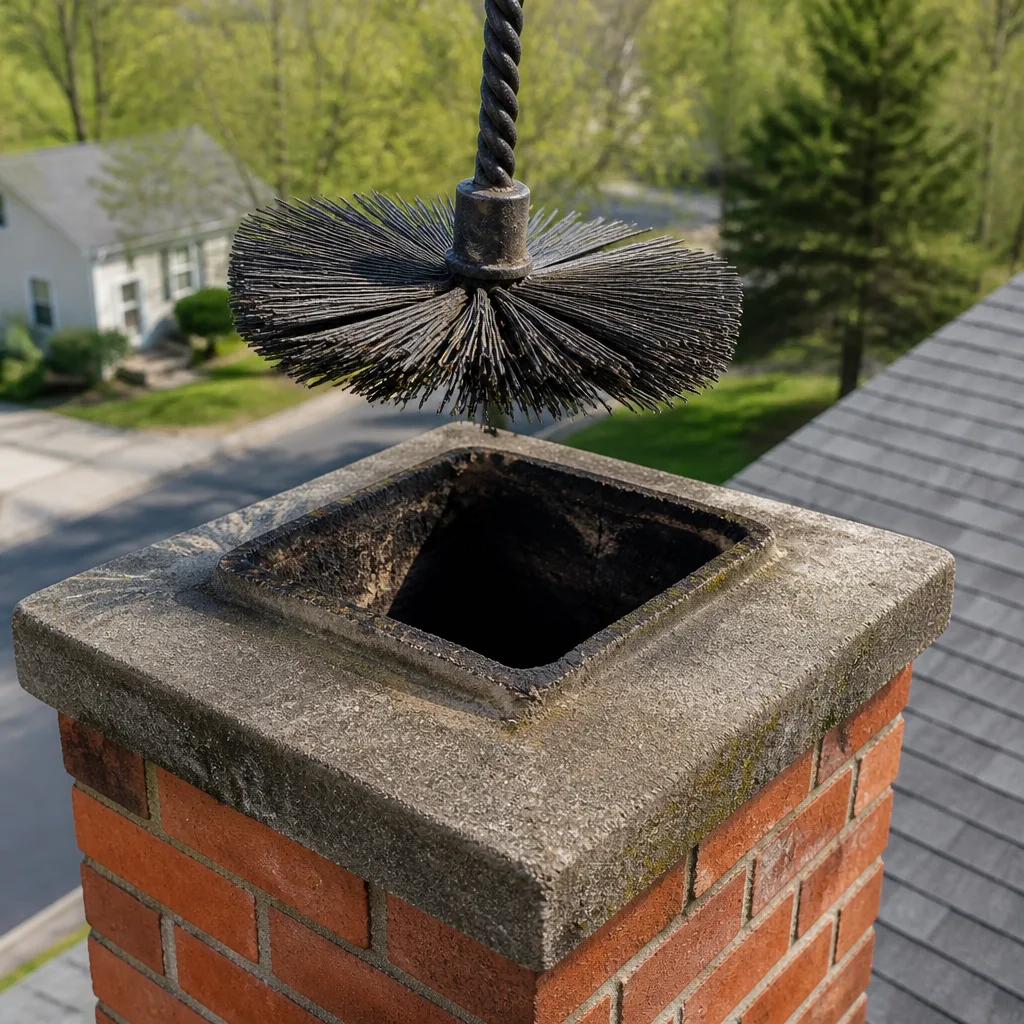 Sweep & inspection
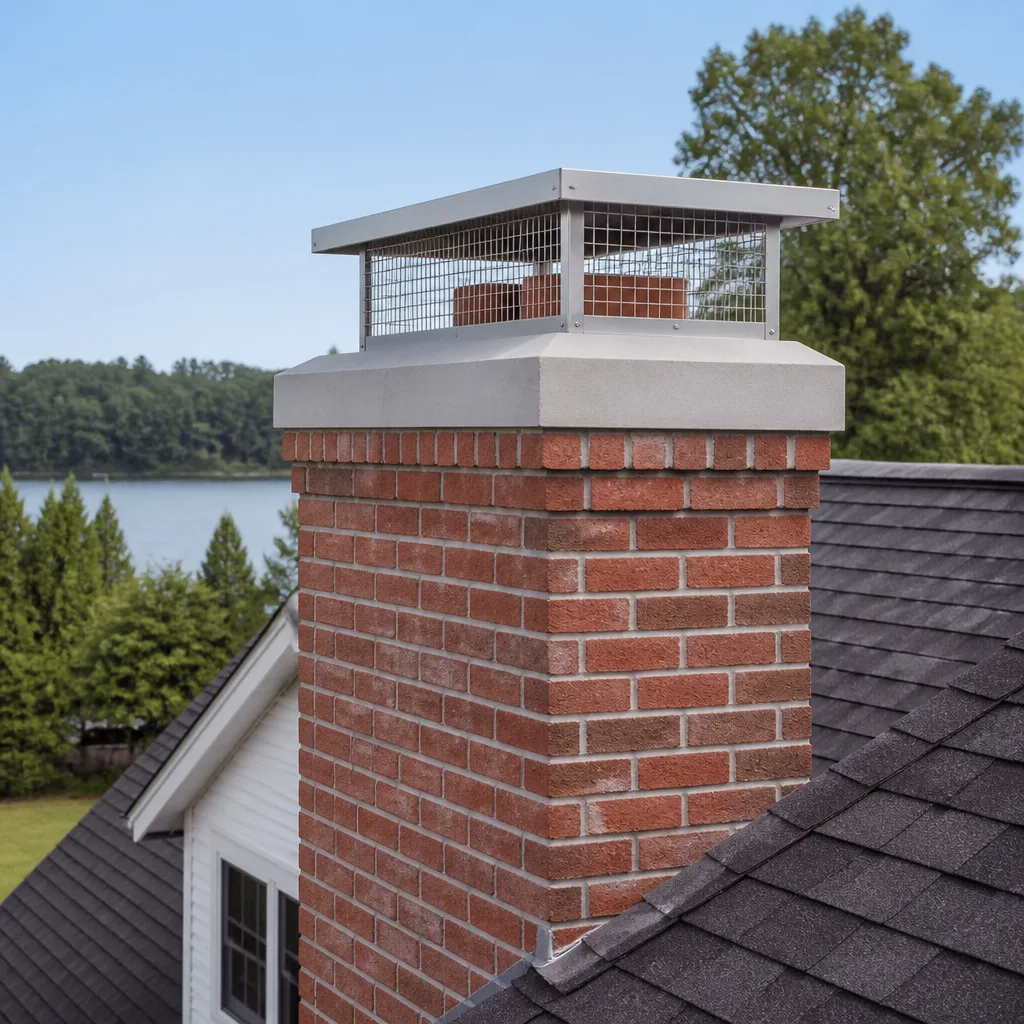 Caps & crowns
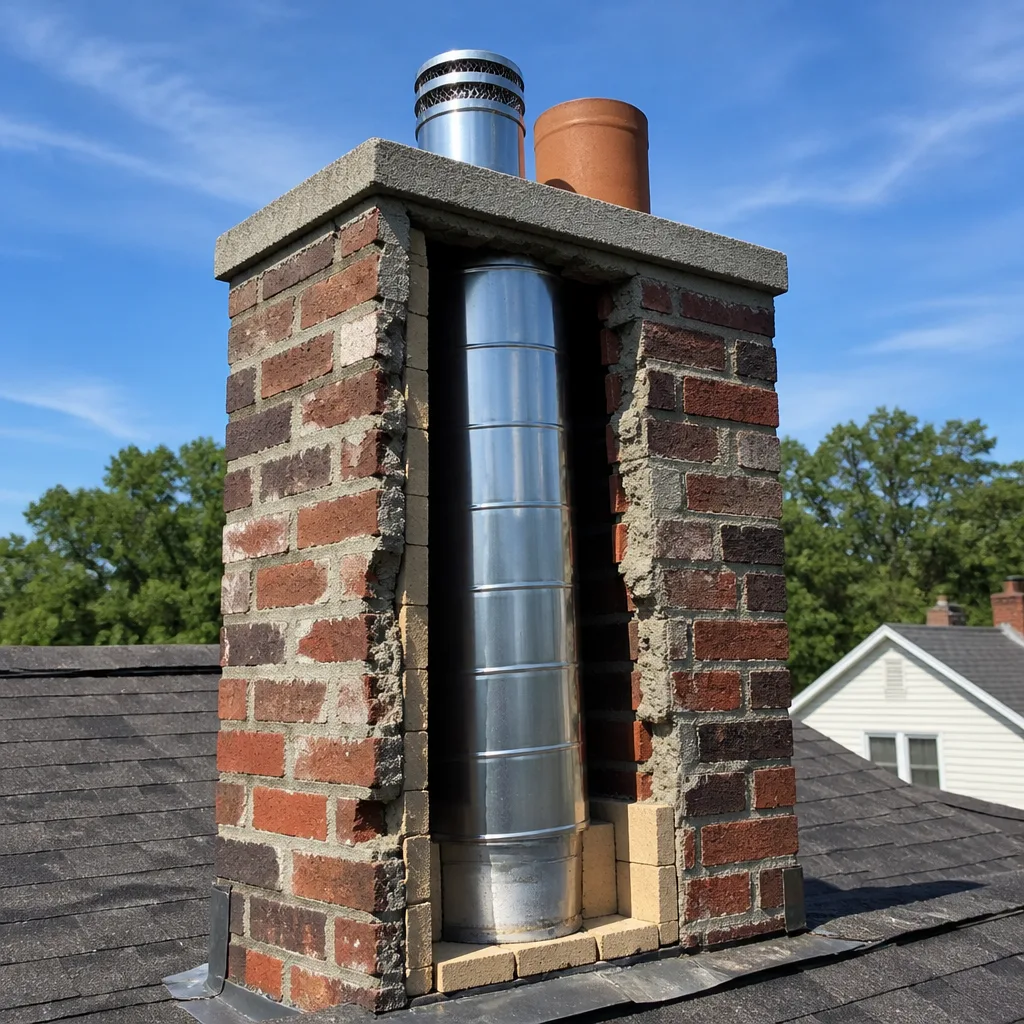 Flue relining
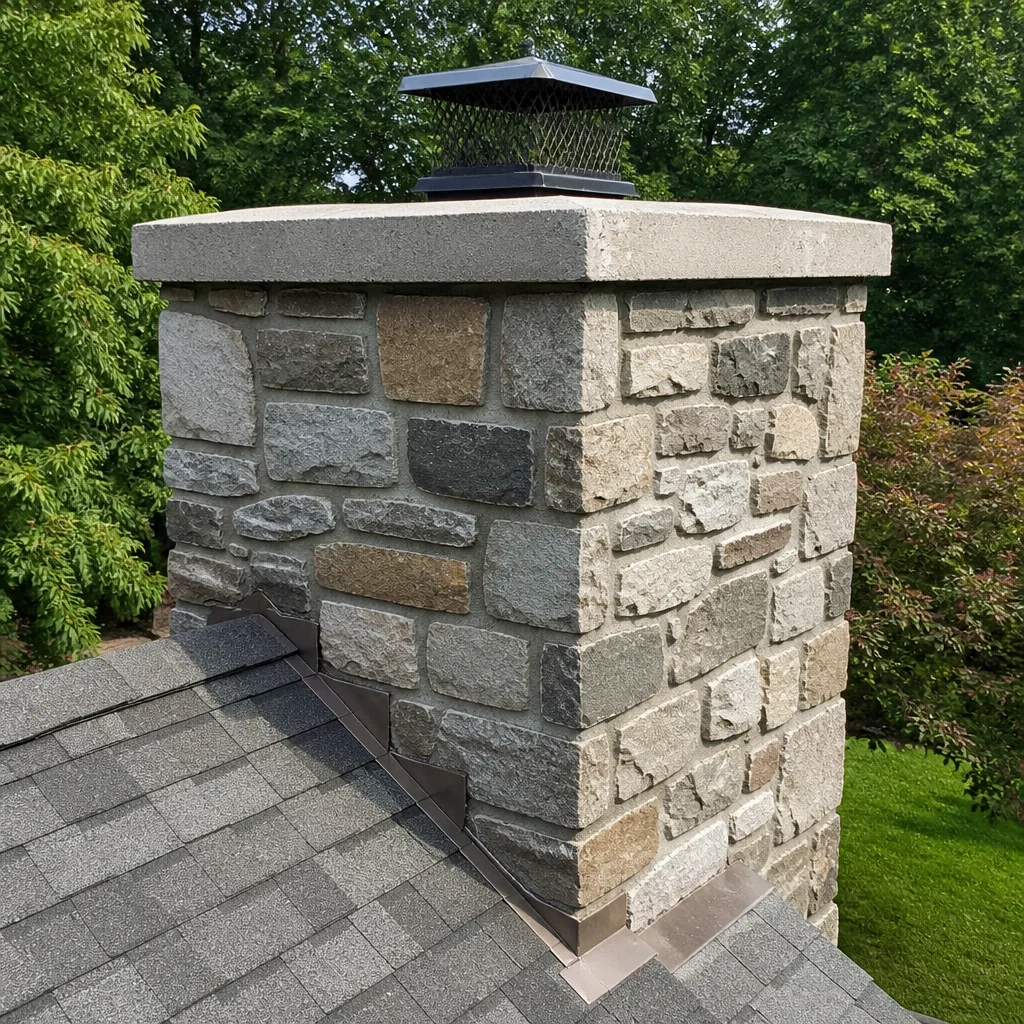 Masonry repair
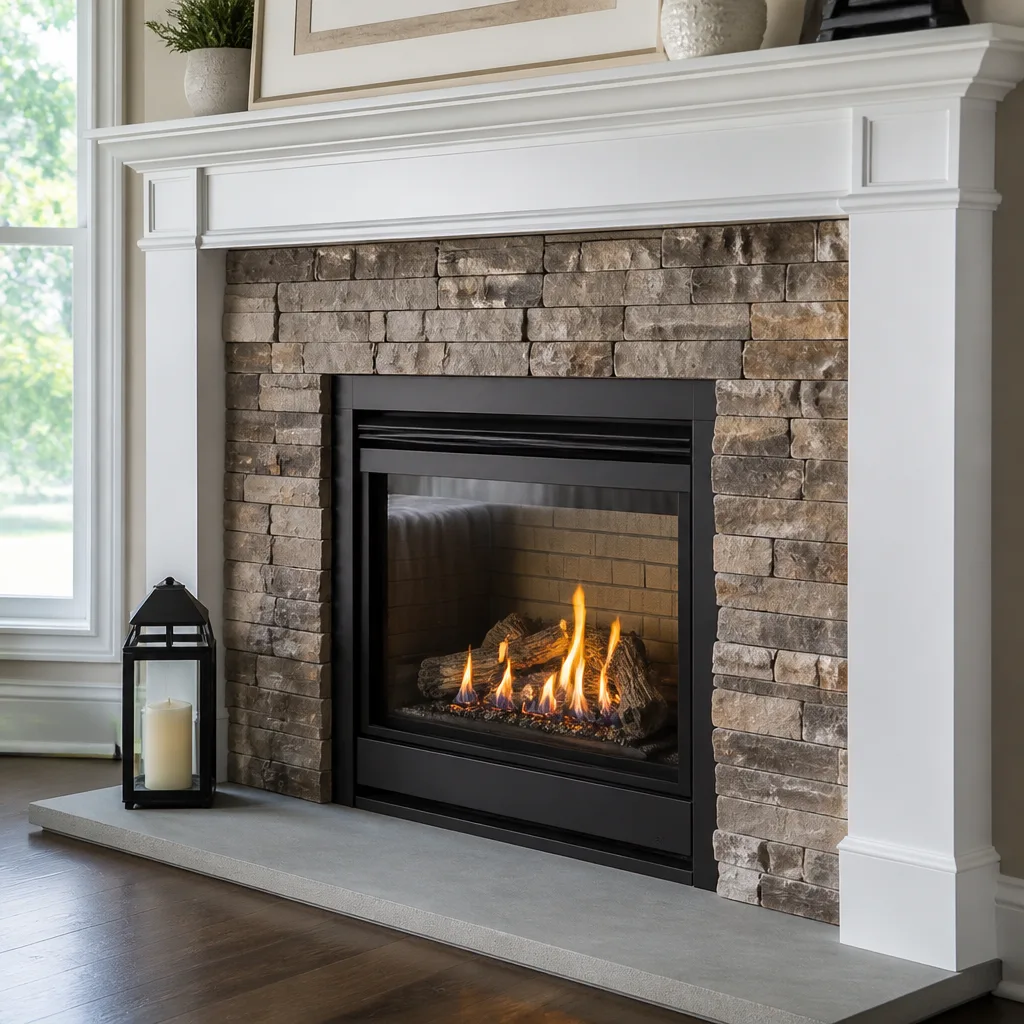 Gas fireplace service
Level 1 sweep and inspection to the NFPA 211 annual standard - flue, crown, cap, and flashing checked and photographed
Chimney sweep logs do not sweep chimneys. They loosen some creosote - which then falls where a brush and vacuum still have to collect it.
The Complete Guide to Chimney Cleaning in Murphy Creek
Most chimney advice you’ll find online treats cleaning as one annual chore: book a sweep, get a brush, move on. That advice was written for sea-level suburbs. Murphy Creek sits above 5,500 feet, and at this elevation wood doesn’t burn as completely as it does down in Denver or out on the plains. Incomplete combustion leaves more unburned material behind, which means creosote builds in stages and at a pace the standard “once a year” rule can undersell. Cleaning is still part of it, but the real job is understanding your chimney as a system – flue, liner, firebox, cap and crown – where each part collects risk differently. This guide walks you through all five, how inspections grade them, what good materials look like, and how to build a service timeline around how you actually burn.
Quick Answer
Chimney cleaning in Murphy Creek means more than brushing a flue. Because the altitude here pushes incomplete combustion and faster creosote staging, a proper service includes a sweep, a graded inspection of the flue and liner, and a look at the firebox, cap and crown as one connected system. A chimney with heavy use in a Murphy Creek home often needs sweeping on a shorter cycle than the generic once-a-year advice suggests. A camera inspection and photo report should tell you exactly what’s there before any work is recommended.
Styles & brands we work with
- Sweep & inspection
- Caps & crowns
- Flue relining
- Masonry repair
- Gas fireplace service
Table of Contents
- Why Murphy Creek’s Altitude Changes How Your Chimney Ages
- The Five Parts of a Chimney System – and What a Cheap Sweep Skips
- How Creosote Stages Work, and What Each Stage Means for Cleaning
- Reading a Level I vs. Level II Inspection Report
- What Industry-Grade Chimney Materials Look Like vs. Generic Parts
- A Realistic Service Timeline for a Murphy Creek Home
- What Chimney Cleaning Costs, and What the Estimate Should Cover
- What You Can Safely Check Yourself – and What You Shouldn’t
Why Murphy Creek’s Altitude Changes How Your Chimney Ages
Combustion needs oxygen, and the air above 5,500 feet holds less of it per breath than the air at lower elevation. A fire built the same way in Murphy Creek as it would be at 1,000 feet burns with less complete oxidation. The practical result is more smoke, more unburned wood gas, and more of the material that condenses on a cool flue wall as creosote. Nothing is wrong with your fireplace. It’s just physics, and it’s the reason the standard national guidance about sweeping frequency can feel a step behind what Front Range homes actually see.
Elevation also changes the drying curve of firewood. Colorado’s dry air helps, but the swing between warm days and cold nights, plus the way a high-altitude fire behaves when it’s starved for air, gives you a chimney that stages creosote faster than much of the country. That staging isn’t uniform. It builds fastest at the cooler upper sections of the flue, where smoke has traveled far enough to lose heat. A thorough chimney sweep reaches those upper sections, not just the throat you can see from the firebox.
There’s a second angle specific to Murphy Creek. The neighborhood was built with wind exposure in mind – open prairie to the north, and the way a Chinook or a cold front comes across the Front Range affects draft. Poor draft means a fire that smolders, and smoldering fires produce the stickiest creosote. When draft is weak because of a cap that’s clogged, a flue that’s too short, or a cold chimney that hasn’t warmed, the deposition rate climbs. Understanding that lets a chimney sweep in Murphy Creek tailor the visit instead of running the same brush through every flue in the neighborhood.
Here’s what that means in practice:
- Wood that measures slightly high in moisture matters more at altitude than at sea level, because the fire has less margin to burn it cleanly.
- A fire that smolders overnight deposits more than a hot, brisk fire, even over the same number of hours.
- Upper flue sections need to be reached, not assumed clear.
- Draft problems are a chimney-system issue, not a firewood problem, and they should be diagnosed as such.
The Five Parts of a Chimney System – and What a Cheap Sweep Skips
Think of a chimney as five components that each fail differently. A cut-rate sweep typically touches one, the flue, and leaves the other four unexamined. That’s the gap that turns a $150 brush-out into a repair call within a few seasons.
- The firebox – the masonry or steel chamber where the fire sits. Cracks, spalling firebrick and deteriorated mortar joints in the firebox are common in older Front Range homes. A sweep that doesn’t inspect the firebox misses the earliest sign of a bigger problem.
- The smoke chamber – the sloped transition between the firebox and the flue. Rough, unfinished mortar here collects creosote and slows draft. It’s a place most people have never looked at.
- The flue – the vertical passage that carries smoke up. Sweeping the flue is the visible job, and it should be done with the right size brush and enough running time to reach the top.
- The liner – the clay tiles or metal system that runs inside the flue, protecting the surrounding structure and keeping combustion gases inside the chimney. A cracked liner is not a cosmetic issue; it’s a channel for gases and heat to escape into the structure.
- The cap and crown – the top-of-chimney structure that sheds water and keeps rain, animals and debris out. A failed crown lets water into the masonry and starts deterioration that runs downhill fast.
When we walk a Murphy Creek home from the firebox to the crown, we’re looking at how these five parts act together. A fireplace that drafts poorly might have a perfectly clean flue and a clogged cap. A fireplace that smells smoky in summer might have a crown that’s letting water into the masonry. A fireplace that’s fine until it’s cold might have a smoke chamber that’s the wrong shape for the home’s draft.
That’s why fireplace repair and cleaning belong in the same conversation. You can’t diagnose one without seeing the other. A single visit that covers the whole system beats a cheap brush-out followed by a separate contractor for each problem that turns up.
How Creosote Stages Work, and What Each Stage Means for Cleaning
Creosote accumulates in three broad stages, and each stage requires a different response. Knowing them helps you read your own inspection report.
First-degree creosote
A light, flaky, soot-like deposit that brushes off readily. This is what a normal sweep handles. Even at this stage, the deposit is a fuel source, and a flue with more than a thin coat should be cleaned before the next burning season.
Second-degree creosote
A shinier, harder deposit – sometimes flaky, sometimes crusty – that clings to the flue wall and doesn’t wipe away with a standard brush. Second-degree creosote is the stage most sweeps miss with a token effort, and it’s also the stage most likely to accelerate at high altitude because of incomplete combustion. It usually needs mechanical removal with a poly or wire brush sized to the flue.
Third-degree creosote
A glazed, tarry, baked-on layer that resembles hardened varnish. It ignites at low temperatures, and it’s a recognized driver of chimney fires. Third-degree creosote is not something most sweeps can remove with a brush alone. Depending on the liner’s condition, the options usually involve chemical treatment or relining the flue with a system like DuraFlex. A chimney cap & crown in good repair keeps rain and debris out, which slows the formation of the wettest, stickiest deposits in the first place.
Here’s the part most homeowners miss: staging doesn’t happen in a calendar year. It happens in burning hours. A Murphy Creek home that runs a fire five nights a week through a cold snap, with slightly green wood, can stage creosote faster than a home across the street that burns a cord of well-seasoned hardwood a season. That’s why the inspection should look at what’s actually in the flue, not just count months since the last sweep.
Reading a Level I vs. Level II Inspection Report
Not every inspection is the same, and knowing which one you were quoted matters before you book the visit. The chimney industry recognizes three levels, and they answer different questions.
Level I inspection
A visual check of readily accessible portions of the chimney, firebox and connections, usually with a flashlight and basic hand tools. It’s appropriate when nothing has changed: you use the chimney as usual, no damage is suspected, and the chimney has been maintained on schedule. A Level I inspection is a baseline, not a full diagnosis.
Level II inspection
Everything in a Level I, plus a video camera run through the flue and a closer look at accessible attic, crawlspace and rooftop portions. It’s the right choice when there’s a change: a new home purchase, a new liner or appliance, an upgrade, a chimney fire, or any suspected issue. The photo report is the deliverable you should look at yourself. A real Level II shows you the flue from the inside, in pictures, before anyone recommends a repair.
Level III inspection
A Level II plus removal of parts of the chimney structure – a wall, a crown – to reach concealed areas. Level III is rare and usually reserved for diagnosing a specific known problem. When it’s recommended, ask why before agreeing.
Here’s what a good report contains:
- Clear photos of every flue section, the firebox, the smoke chamber, the cap and the crown
- The creosote stage observed, in industry terms
- Any cracks, separation, spalling or water staining, with location noted
- What’s a safety matter now, what’s a watch item, and what’s cosmetic
- What can safely wait, and what shouldn’t
A report that’s missing those last two items isn’t finished. Nothing should be recommended to you that you can’t see in the photos yourself, and there’s real value in a company that will tell you when work can be postponed. Offering inspection as a standalone service is how we make that possible: you can book a Level II, look at the report, and decide what happens next. Our technicians have up to 10 years of experience, and what they’ve learned is that the report is the decision. Everything after that is your call.
What Industry-Grade Chimney Materials Look Like vs. Generic Parts
Most chimney repairs look the same from three feet away. The differences show up ten years later, when a generic cap has rusted through or a low-end sealant has dried and cracked. Here’s how to tell quality from a cost cut that will cost more later.
Liner systems
A UL-listed flexible liner is the standard for relining a flue in a code-compliant way. It’s made with a stainless steel inner wall, an insulating layer, and a smooth interior designed to resist the corrosive condensate that gas and oil appliances produce. DuraFlex liner systems are one example of the industry-grade option: the material is specified by chimney professionals because it holds up under continuous thermal cycling. A generic or unlisted liner may install fine but can develop leaks, crimps or breaks once it’s been through a few heating seasons.
Restoration materials
HeatShield ceramic flue restoration is a specific repair approach: a ceramic sealant is applied to the interior of the flue to fill cracks, seal spalled joints and rebuild a damaged flue surface. It can often restore a deteriorating clay-tile flue without demolishing it – a middle option between leaving the liner cracked and doing a full liner replacement. Famco is another brand that follows the same design standard, and Copperfield provides professional-grade caps, crowns and liner components used by chimney specialists. The pattern here is consistency: an industry-standard material, applied the way the manufacturer specifies, rated for the temperatures the flue actually sees.
What generic looks like
- A cap without a corrosion-resistant finish or a wire mesh sized correctly to the flue
- A sealant or crown mix that isn’t rated for exterior freeze-thaw cycling
- A liner without a UL listing or manufacturer instructions
- A “relining” quote that doesn’t specify the brand, gauge or insulation level
If you get a quote and it doesn’t name a material and a rating, ask. There’s no reason to hide it. When we quote a liner or a HeatShield restoration, the brand is written into the estimate, because that’s how Chimney Sweep Murphy Creek works with every customer.
A Realistic Service Timeline for a Murphy Creek Home
Most chimneys don’t fit neatly into a calendar. A good service timeline measures burning hours, not months. Here’s a starting point for planning your own.
Light use (occasional evening fires, well-seasoned wood)
A sweep and inspection every two years is a reasonable baseline. If you run fewer than about twenty fires a season, the flue stages creosote slowly. Watch the draft and the smoke at startup, and book a sweep when those change.
Moderate use (one to three fires a week through the cold season)
An annual sweep and inspection is the standard recommendation for a reason. It aligns with the amount of creosote most front-range homes see in a season, and it gives you a chance to catch crown and cap problems before they spread into the masonry.
Heavy use (fires nearly every night through winter, or any fireplace used as a primary heat source)
Sweeping once a year is often too infrequent. A mid-season check is worth it in a fire-heavy household, and we’d recommend booking the sweep before the next burning season begins, not after.
Let’s get to what a first visit actually covers
- A visual assessment of the firebox, smoke chamber, cap and crown from the accessible areas
- A sweep of the flue with the right size brush for the liner type
- A camera inspection of the flue and liner with a photo report
- A written report noting creosote stage, any damage, and what’s safety-now vs. watch
- An estimate for any repair or reline – with the material named and the price set by the written estimate
In our experience, a Murphy Creek home that has never had a professional visit often discovers one of three things: a crown that’s letting water in, a cap that’s been damaged by wind or animals, or a liner crack that wasn’t visible from the firebox. None of those are emergencies in themselves. But each is easier and less expensive to address before the next season than after.
What Chimney Cleaning Costs, and What the Estimate Should Cover
Pricing for chimney cleaning varies widely, and there’s no honest single number for every Murphy Creek home – because a flue that’s been swept annually is a very different visit from one that hasn’t been touched in five years. What’s consistent is how a professional estimate is built.
- The sweep – based on the flue type and length, whether the flue is clay-tile or metal, and the creosote stage.
- The inspection – Level I or Level II; a Level II is usually quoted separately because of the camera and photo report.
- Any repair – a cap, a crown, a liner, a HeatShield restoration, a firebox repair – each with the material named in the estimate.
- What’s not in it – anything not documented by camera and photos. Nothing should be added “just in case.”
What to expect from the written estimate: a line for each item, the brand and product named for anything being installed, a clear note on what’s actually required now versus what can wait, and a statement that the written estimate – not a phone number – sets the final price. The estimate is free, and there’s no charge to look.
Because the cost of a chimney sweep in Murphy Creek depends so heavily on the specifics of your flue, we don’t put a single flat number on the website. The sweep is priced when we’ve seen your chimney, and the number is agreed before any work is booked.
What You Can Safely Check Yourself – and What You Shouldn’t
Some chimney care is safe for a homeowner. Some genuinely isn’t, and the difference matters. Here’s the line.
What you can safely check
- Look up the flue from the firebox with a flashlight. You can see the first few feet of the liner and any obvious creosote buildup.
- Check the firebox for cracks, crumbling firebrick or loose mortar.
- From the ground with binoculars, look at the cap and crown for visible damage, missing mesh, or staining.
- Watch your fire. A fire that struggles to draft or smolders is telling you something.
- Check the firewood. Wood that’s cracked and light on the ends is likely seasoned; wood that’s heavy and damp isn’t.
What you shouldn’t attempt
Climbing onto the roof to look at the crown, or removing a cap to reach the flue, is height-and-fall work with real risk. Sweeping a flue from the top is similar. Any inspection of the liner or smoke chamber beyond what the eye can see from below is beyond a homeowner’s reach without the right camera and lighting. And any work on a firebox, liner or flue that involves cutting, sealing or replacing material belongs to a trained professional.
That’s not to discourage you. Homeowners who know their chimney well ask better questions and get better reports. The line is between looking and working: looking is yours, and the working end is a specialist’s.
Common Mistakes to Avoid
- Treating the sweep as the whole job. A brush-out clears the flue, but a chimney’s cap, crown and smoke chamber need the same visit to be checked or they fail while the flue stays clean.
- Assuming once a year always fits. At altitude, with heavy use, creosote stages faster than the standard timeline suggests. Book around your burning habits, not just the calendar.
- Booking a sweep without a camera inspection. If you can’t see the flue on camera, you can’t know what’s there. Insist on the photo report.
- Letting a repair estimate go without a material name. A liner that isn’t UL-listed and named by brand in the quote is a question mark you’ll pay for later.
- Ignoring the cap and crown until the masonry is stained. Water intrusion is the slowest and most expensive failure in a chimney, and it usually starts at the top.
- Burning unseasoned wood to save money. Damp wood burns cooler and dirtier, which is the exact combination that builds creosote fastest at high altitude.
- Waiting until the first cold snap. Every western slope and Front Range homeowner wants a sweep the week the temperature drops. Booking in late summer means a real appointment, not a rushed one.
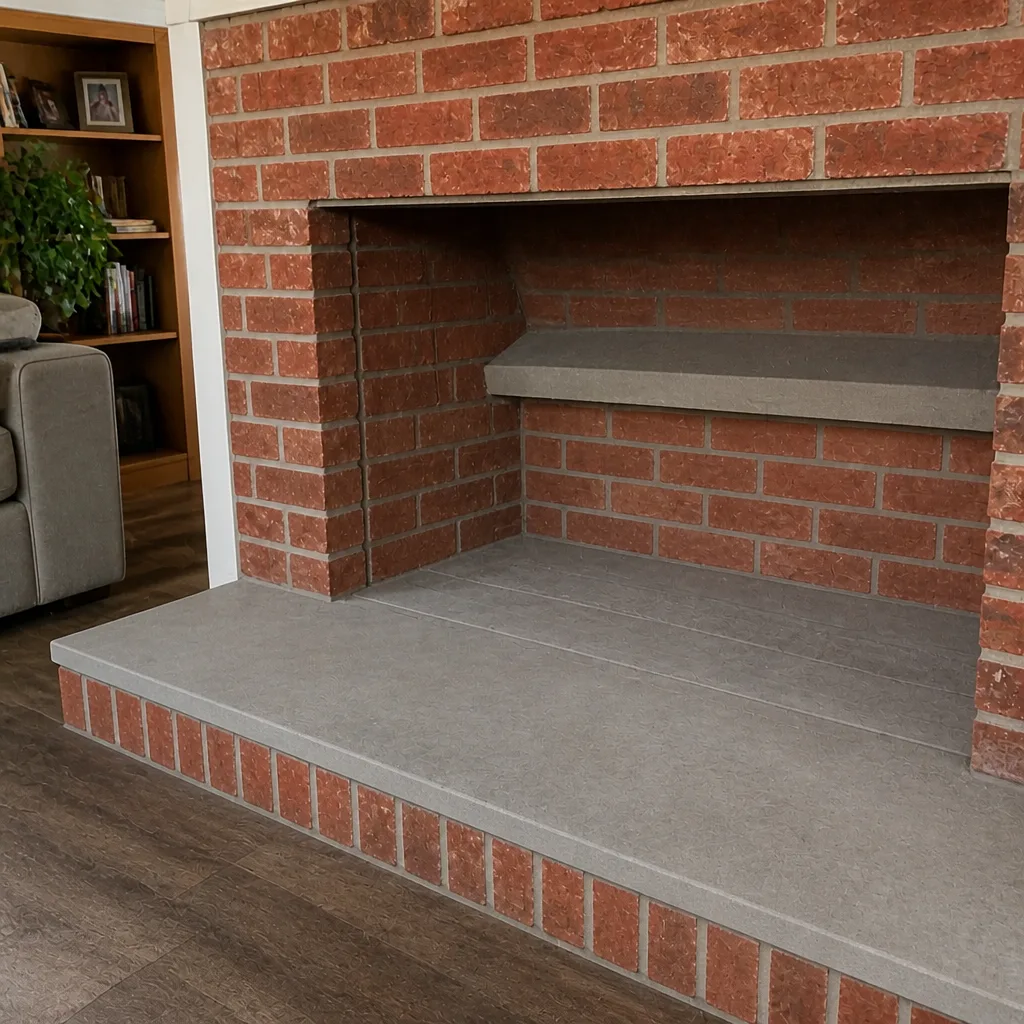
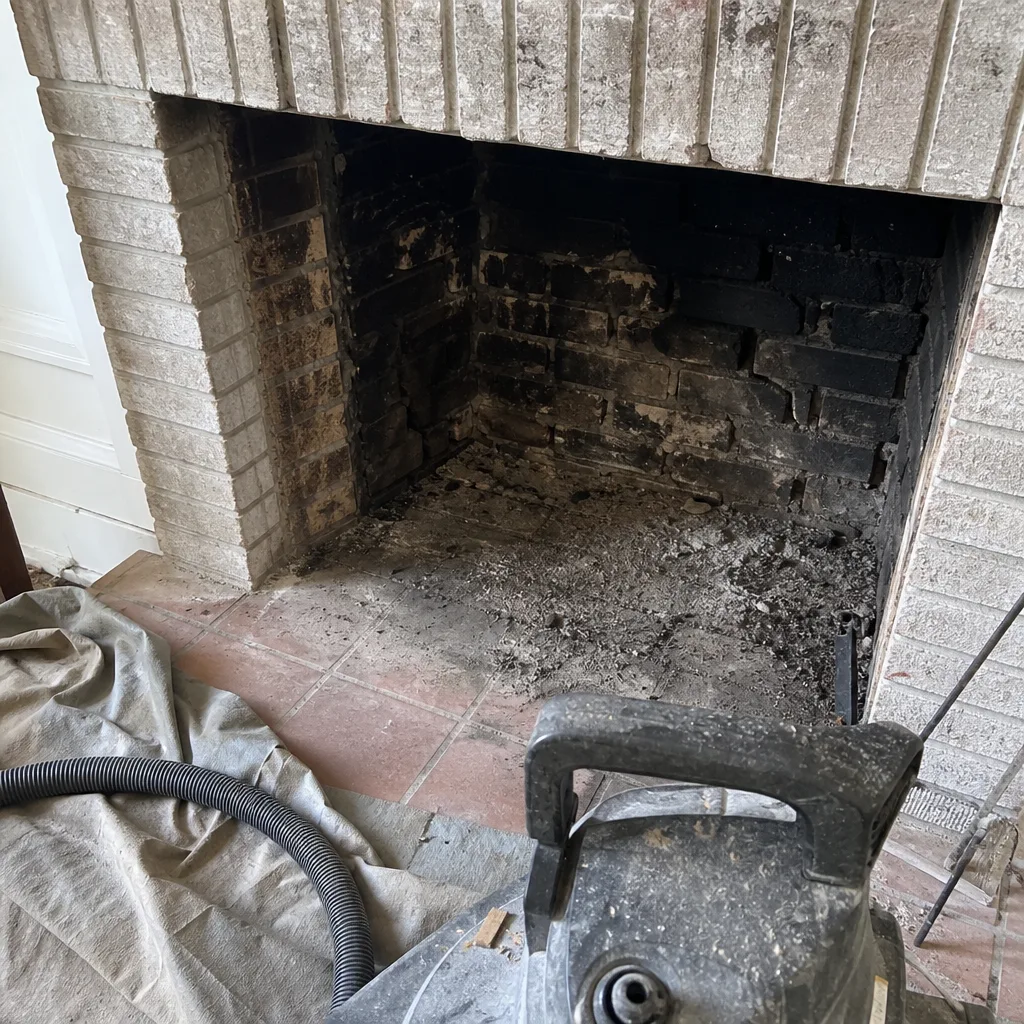
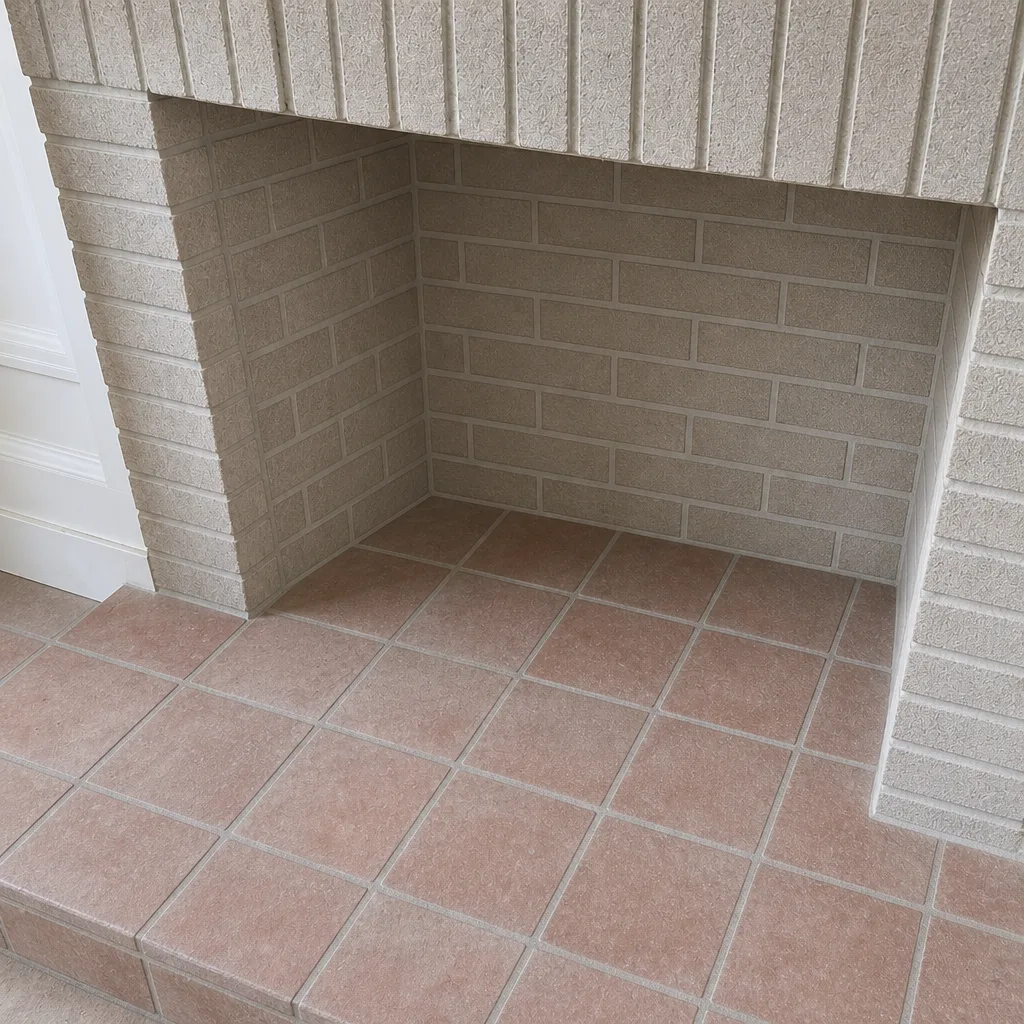
See the difference
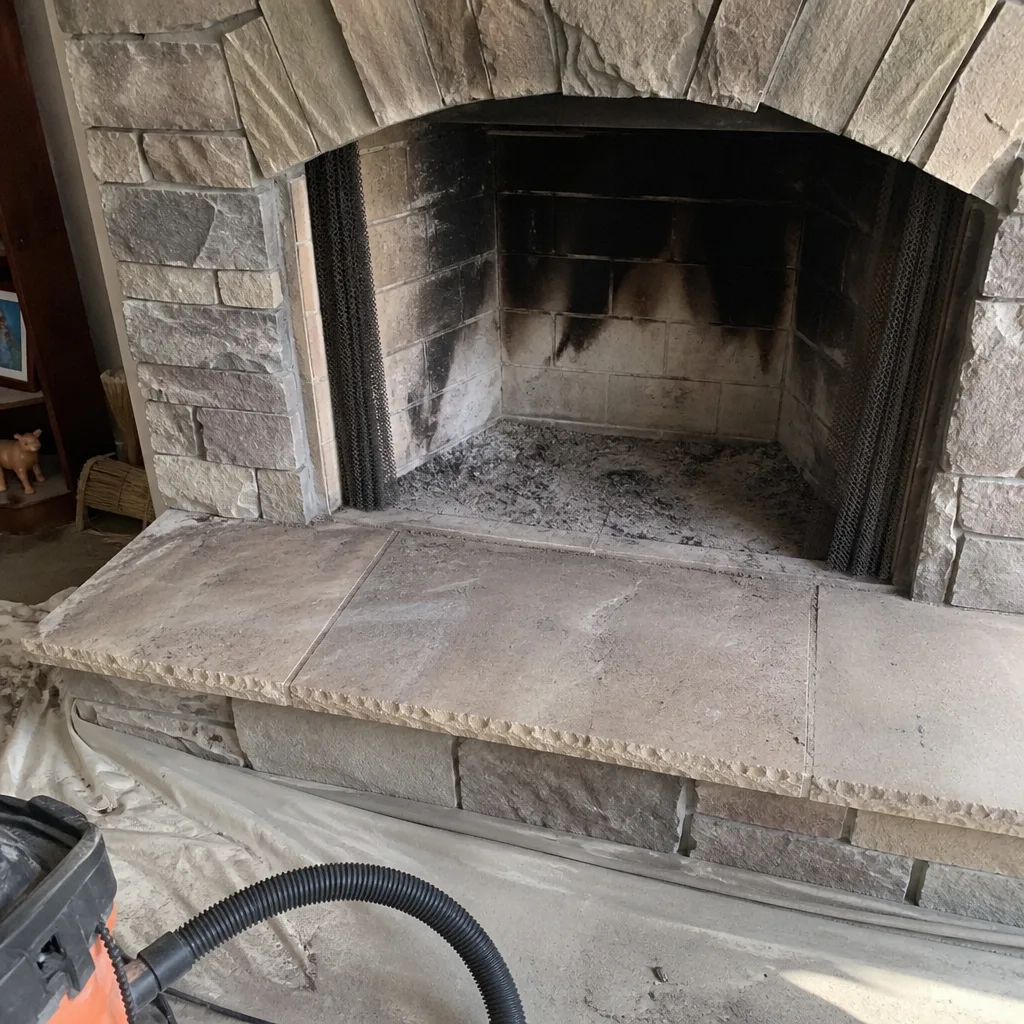 Before
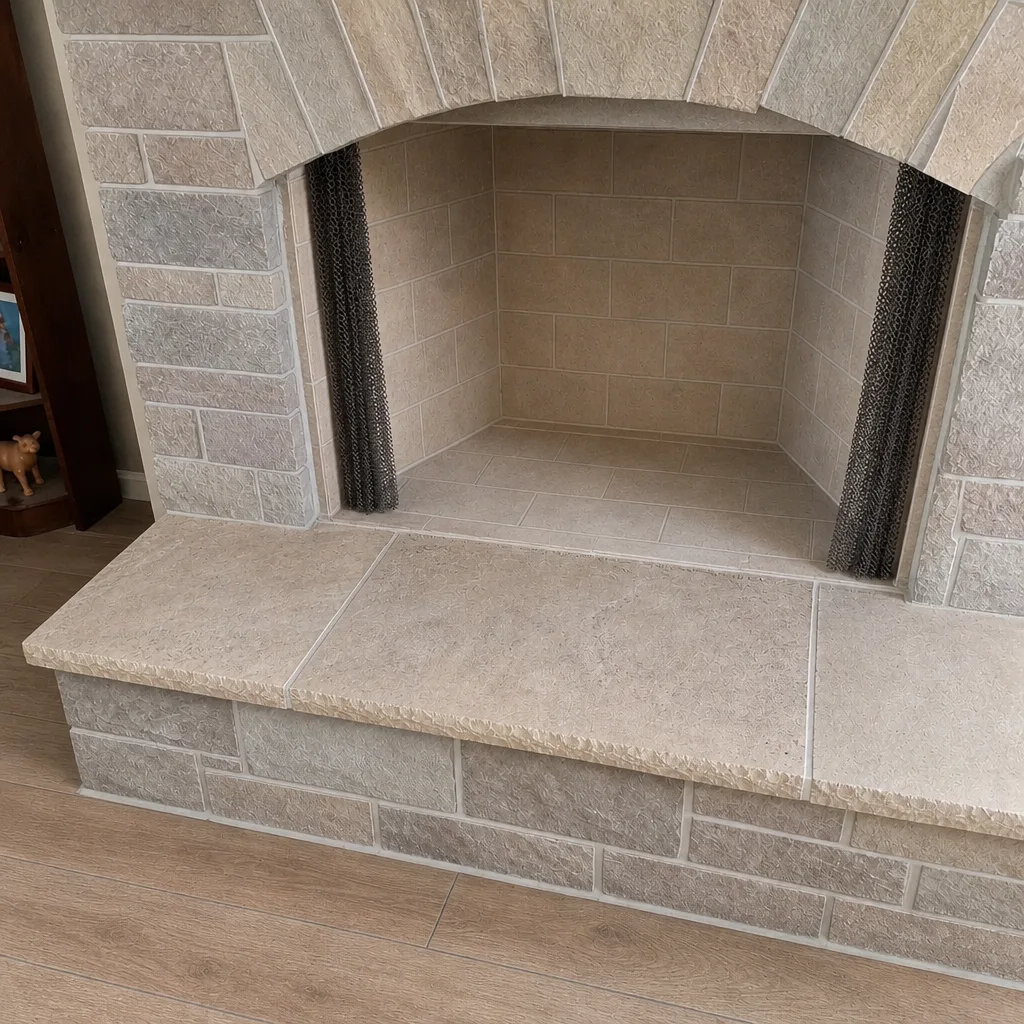 After
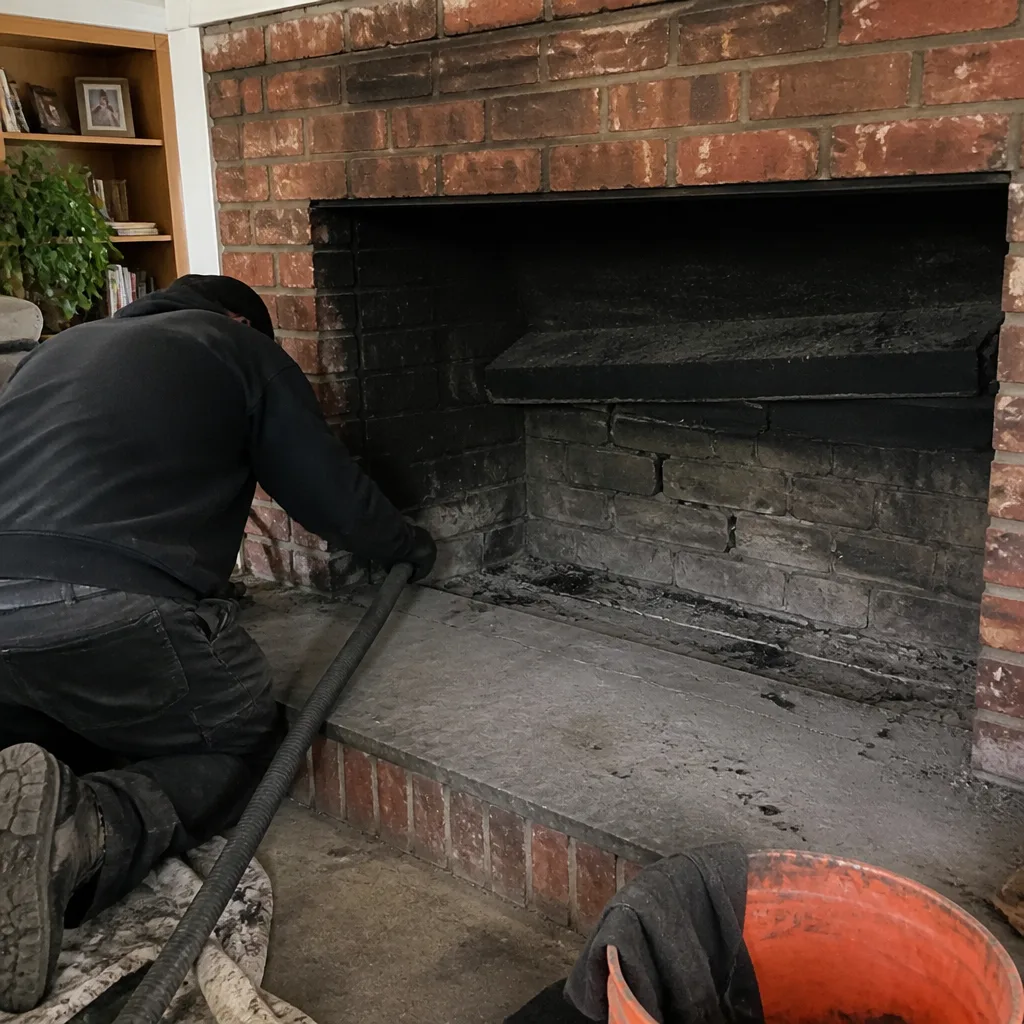 Before
 After
 Before
 After
When to Call a Professional
Some situations have a clear answer, and this is where a specialist earns the call. Call a professional if the flue has never been inspected, if the last sweep was more than a year ago under regular use, if you’ve seen smoke backing into the room, if the firebox has visible cracks, or if the cap or crown shows damage from the ground. Call before you buy a home with a wood-burning appliance, and call before you switch to a new liner or a new appliance – the change is the reason for a Level II inspection. If you’re not sure where your chimney stands, book an inspection and read the report. Chimney Sweep Murphy Creek offers free estimates in Murphy Creek – call (833) 468-5972. We answer 24/7. Fast dispatch from 7am to 7pm, Sunday through Friday.
Frequently Asked Questions
A chimney used regularly – one to three fires a week through the cold season – should be swept annually, and a home that burns nearly every night should consider a mid-season check. At 5,500 feet, incomplete combustion deposits creosote faster than the national average, so a calendar year is a floor, not a ceiling. If you’re not sure which category your home falls into, book an inspection and the report will tell you what your flue is actually doing.
Only if the camera shows a liner that’s cracked, separated or otherwise compromised – and you should see those photos for yourself before agreeing. A cracked clay-tile flue is a path for combustion gases and heat into the surrounding structure. Some liners can be restored with a HeatShield ceramic application instead of a full replacement, and a good inspector will tell you which applies. Others need a full liner, and the estimate should name the material. If you’re being told you need a liner without being shown the photos, ask for them first. Call (833) 468-5972 for a free estimate – the written number sets the final price.
Creosote builds in stages, and each stage is harder and more expensive to remove than the one before. Third-degree creosote can ignite at low temperatures, and that’s a fire inside the flue. Separately, a neglected cap and crown let water into the masonry, which weakens mortar and leads to repairs that go well beyond a sweep. Skipping the sweep for one season is usually recoverable. Skipping it for several is where the expensive work lives. Call (833) 468-5972 to book an inspection before that happens.
A Level II inspection is appropriate when something has changed – a new home purchase, a chimney fire, a liner or appliance change – because that’s when a camera is needed to diagnose what you can’t see from below. A Level I visual inspection is fine when nothing has changed and the chimney has been maintained. Offering inspection as a standalone service means the report is the product, and you decide what happens next. That’s not an upsell. That’s a diagnosis.
Not always. Some chimney fires are obvious – a roar, a shake, flames or sparks at the top – and some are quiet, slow burns that a homeowner never notices. That’s why the camera inspection and photo report matter: they show the damage a slow fire leaves behind. After any suspected chimney fire, a Level II inspection is the right step, and it should happen before you burn again.
A professional sweep cleans the flue with the right size brush for the liner type, and that’s the visible work. The full visit also checks the firebox, smoke chamber, cap and crown, runs a camera through the flue, and produces a photo report. That combination – from the firebox to the crown – is what separates a real sweep from a quick bristle pass, and it’s the reason the report should name what’s safe now, what’s a watch item, and what can wait.
The Bottom Line
Chimney cleaning in Murphy Creek is a five-part job, not a single annual errand. At this elevation, incomplete combustion and the long cold season build creosote in stages that a calendar alone can’t track. A proper visit sweeps the flue, inspects the firebox and smoke chamber, checks the cap and crown, and shows you the results on camera with photos you can read yourself. Industry-grade materials – a DuraFlex liner, HeatShield restoration, a Famco or Copperfield cap – outlast generic parts by years. Our technicians have up to 10 years of experience, and they’ll tell you when work can safely wait. Book by how you burn, not just by the year.
If your chimney hasn’t been seen by a specialist, that’s the place to start. From the firebox to the crown, Chimney Sweep Murphy Creek handles the full system on one call – sweep, inspection, cap and crown, and repair. Call (833) 468-5972 for a free estimate. We answer 24/7. Fast dispatch from 7am to 7pm, Sunday through Friday.
Written by the team at Chimney Sweep Murphy Creek.