
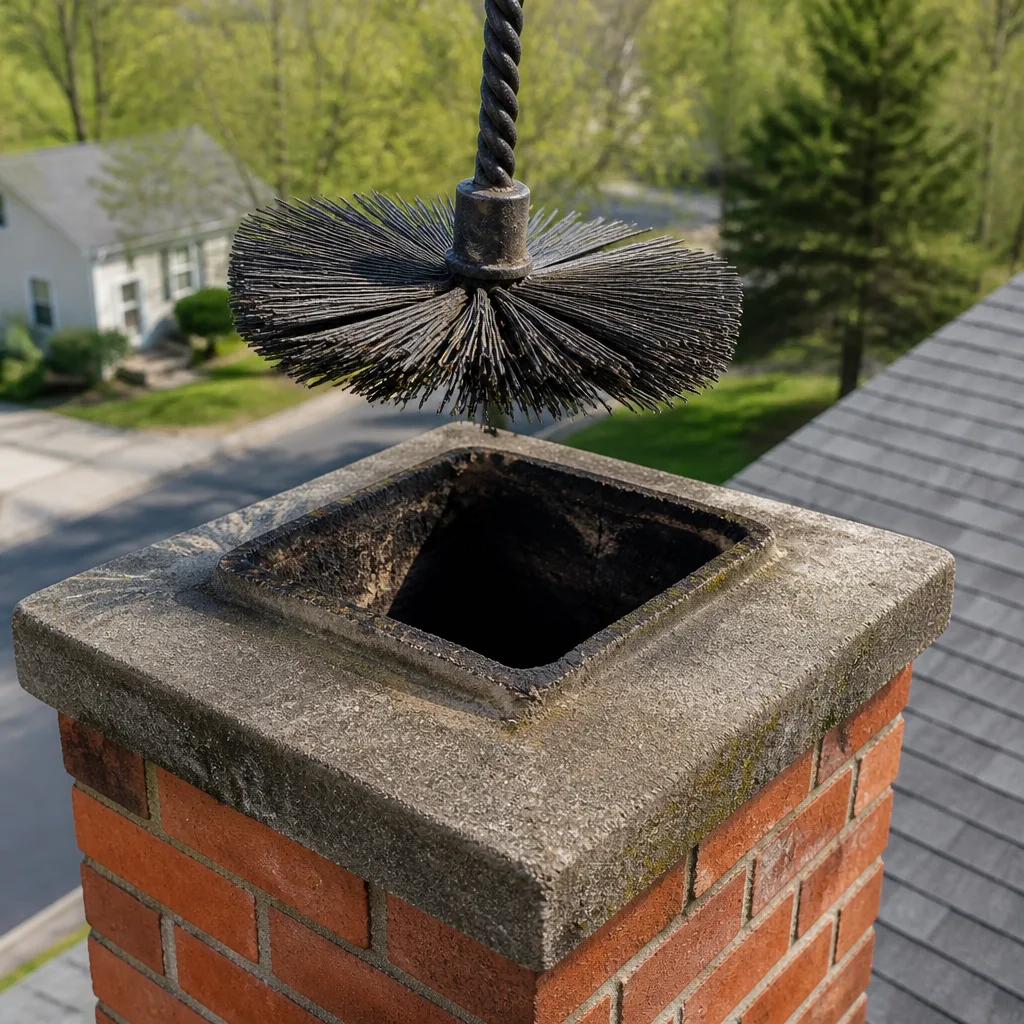
 Sweep & inspection
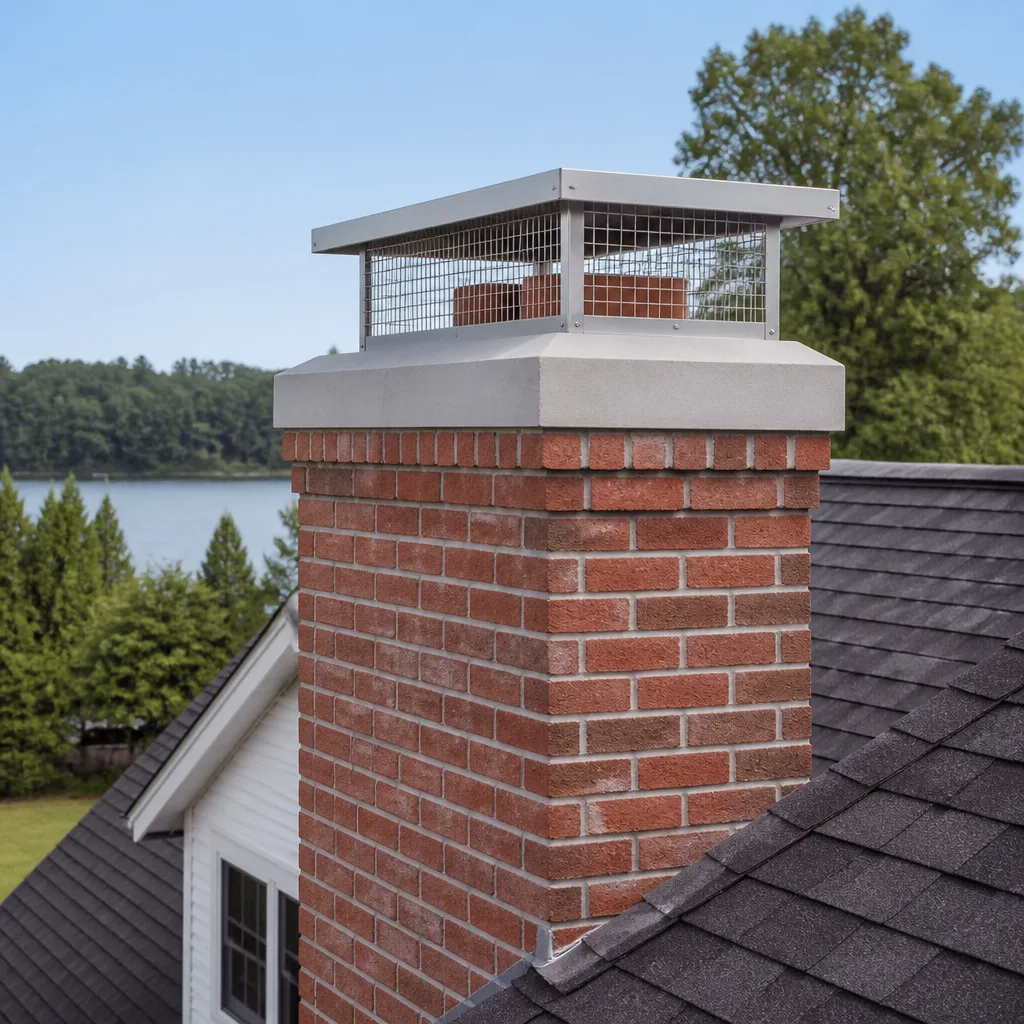 Caps & crowns
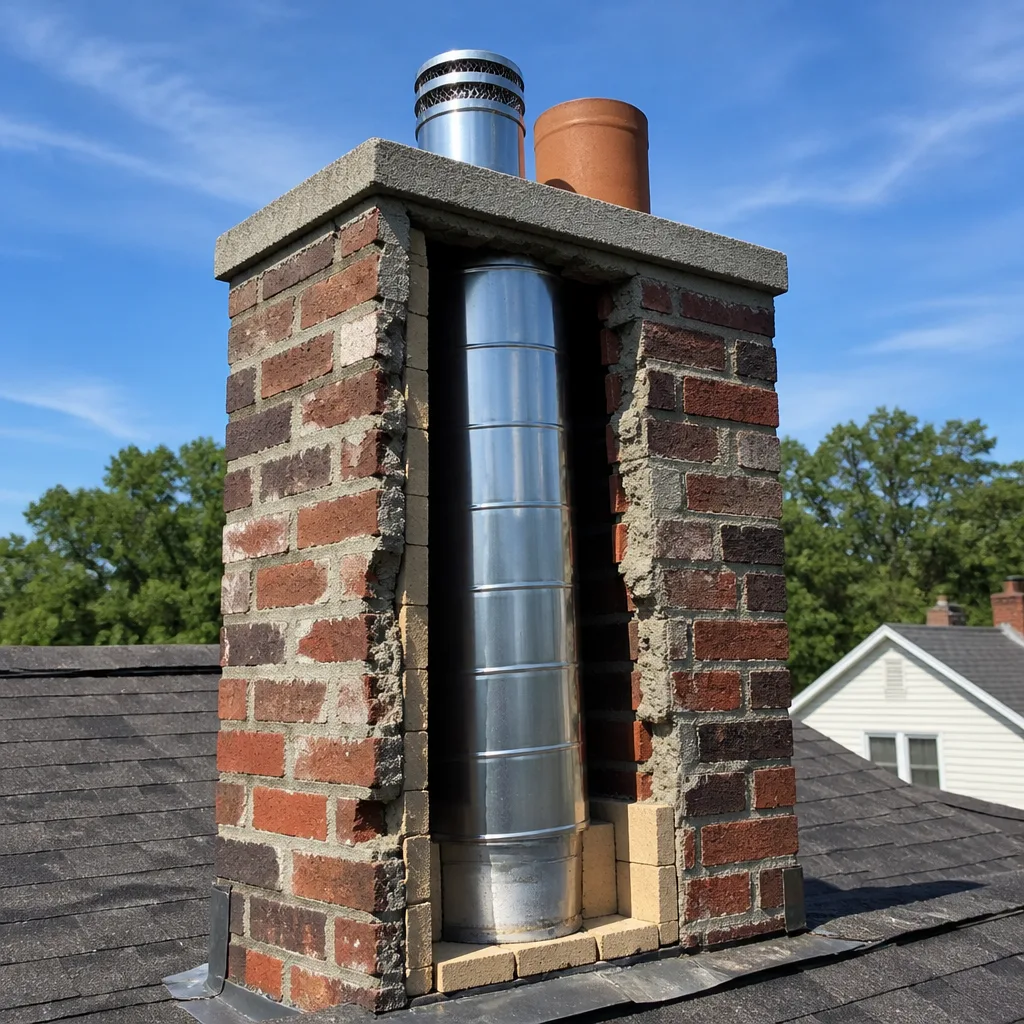 Flue relining
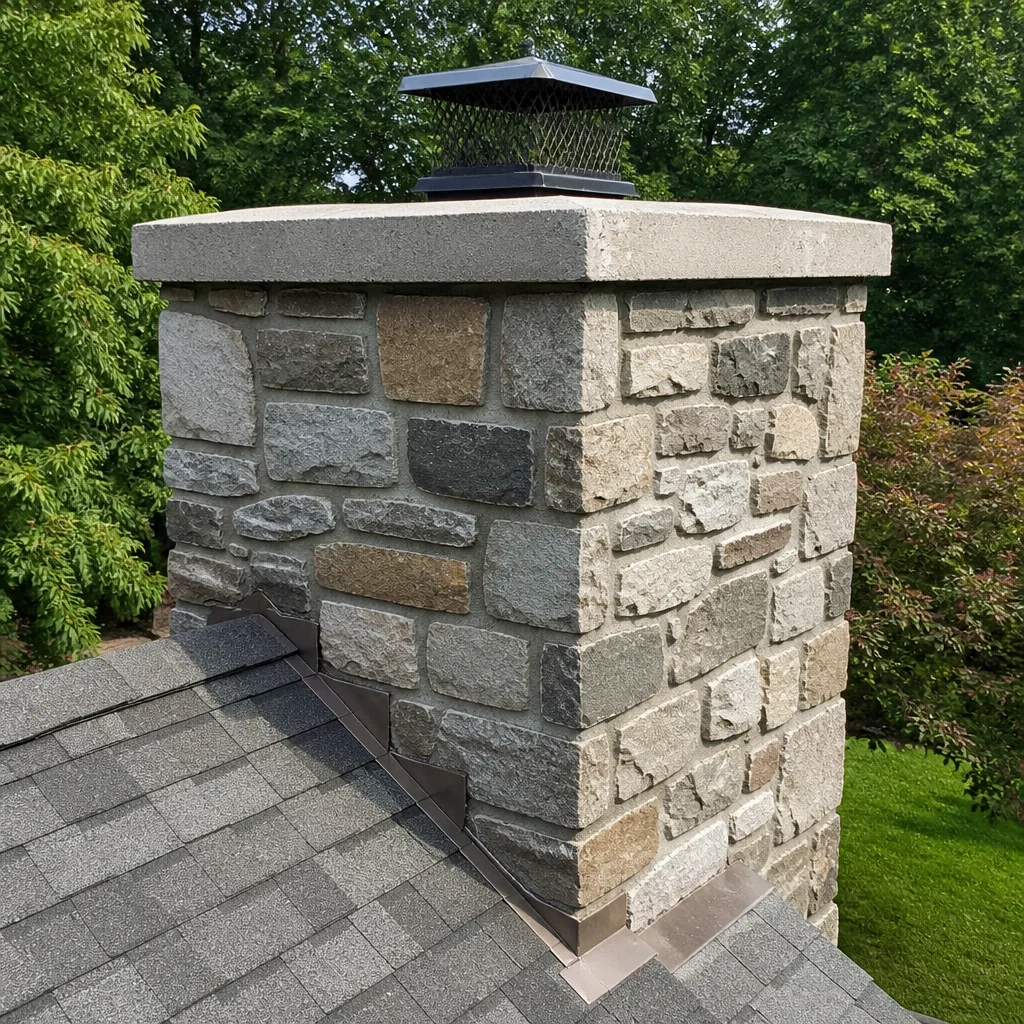 Masonry repair
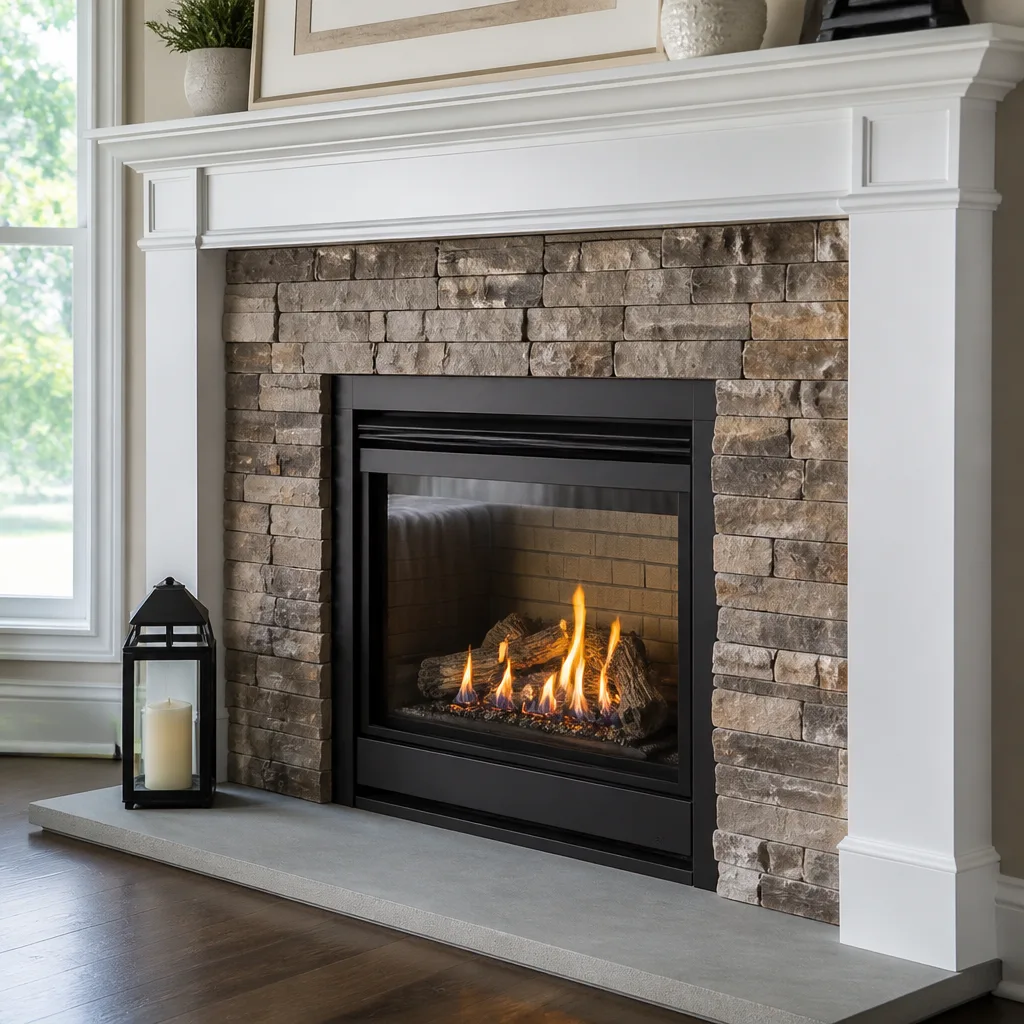 Gas fireplace service
Level 1 sweep and inspection to the NFPA 211 annual standard - flue, crown, cap, and flashing checked and photographed
Chimney sweep logs do not sweep chimneys. They loosen some creosote - which then falls where a brush and vacuum still have to collect it.
Styles & brands we work with
- Sweep & inspection
- Caps & crowns
- Flue relining
- Masonry repair
- Gas fireplace service
See the difference
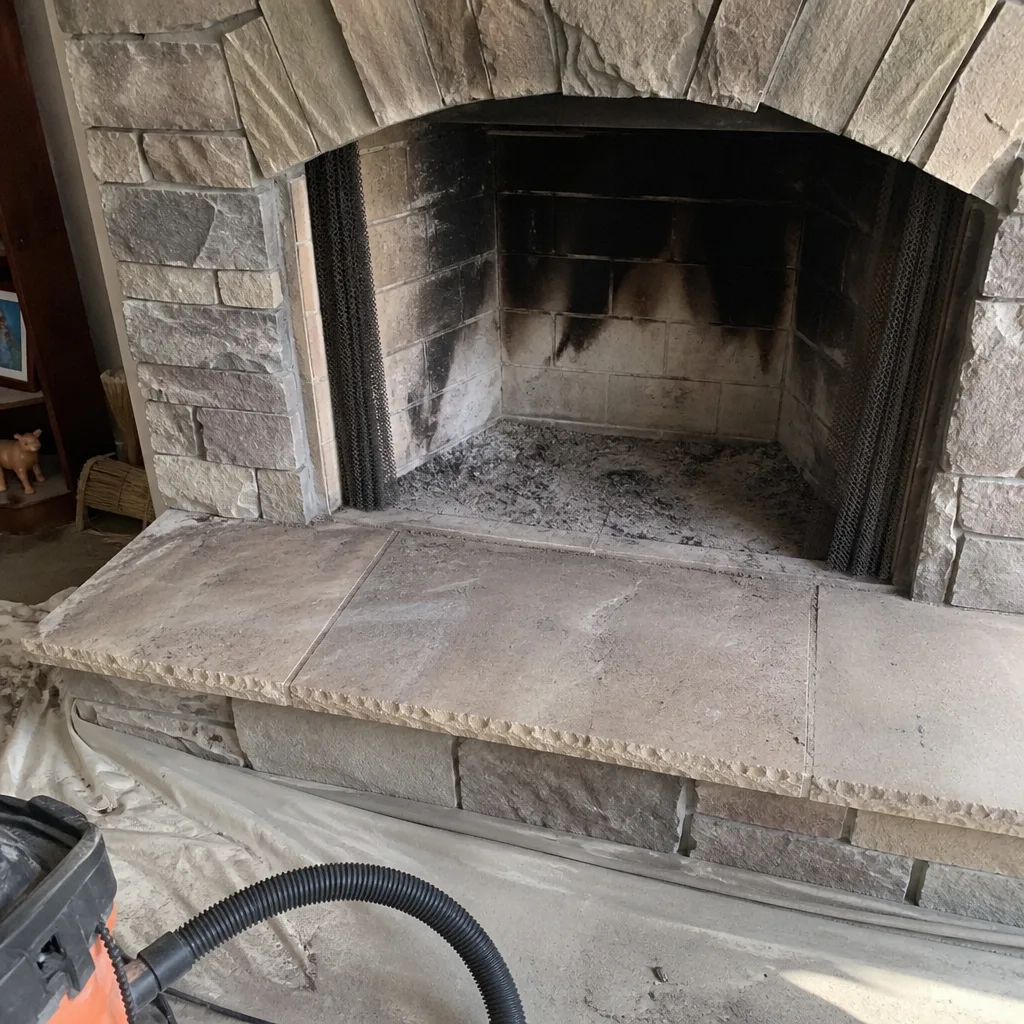 Before
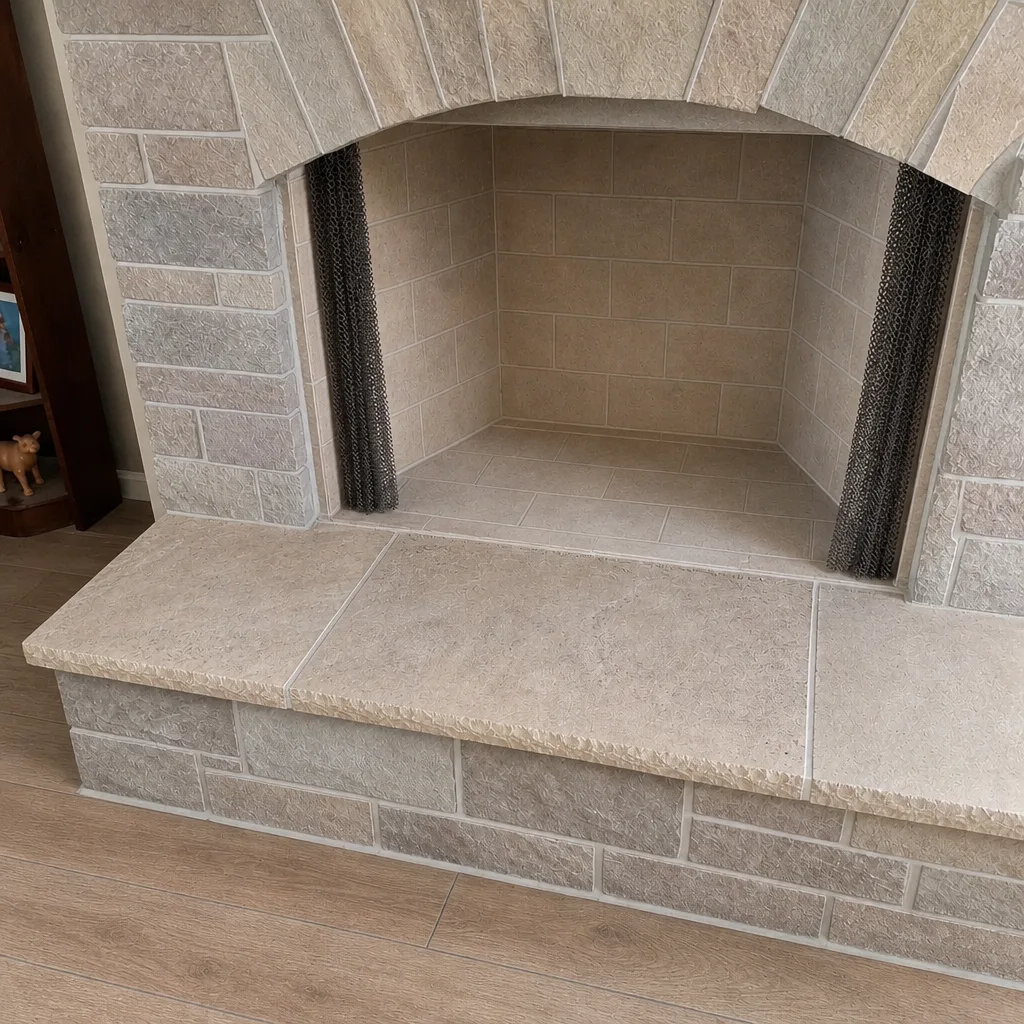 After
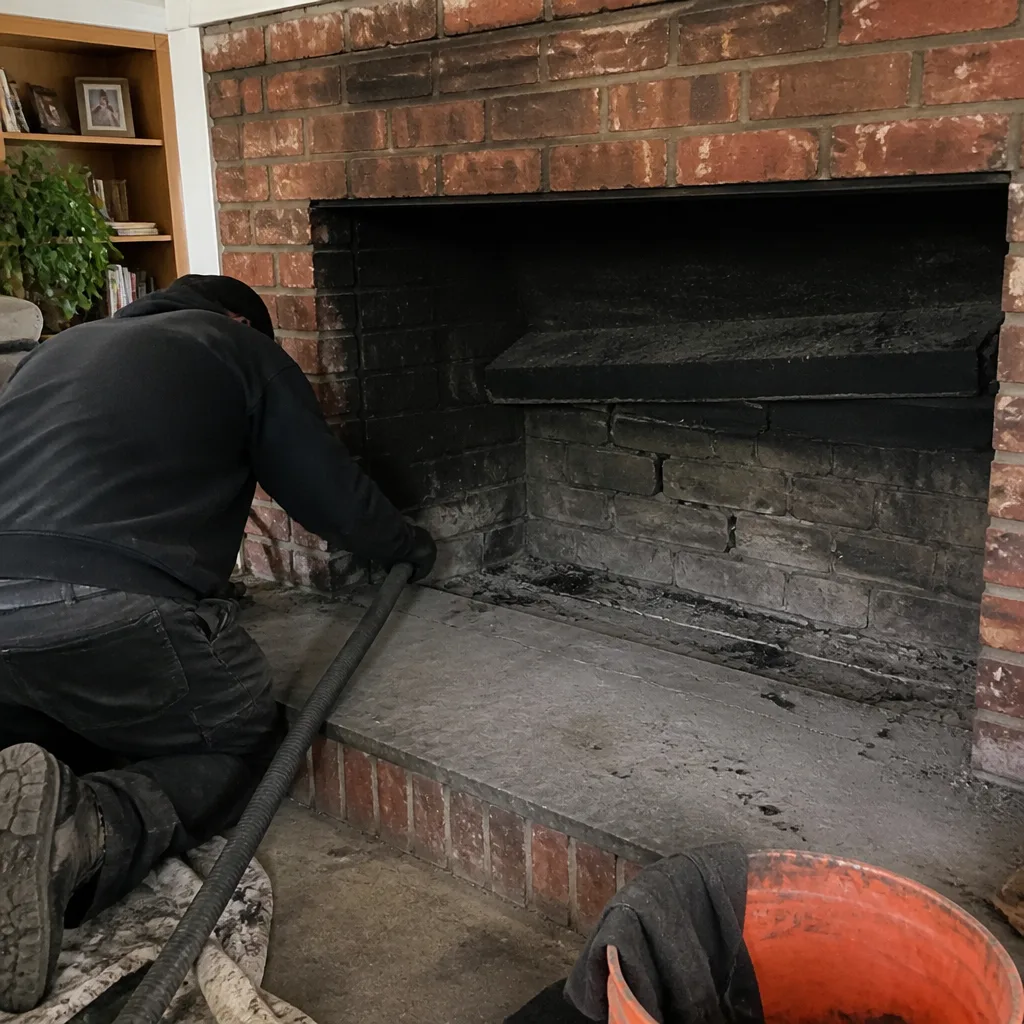 Before
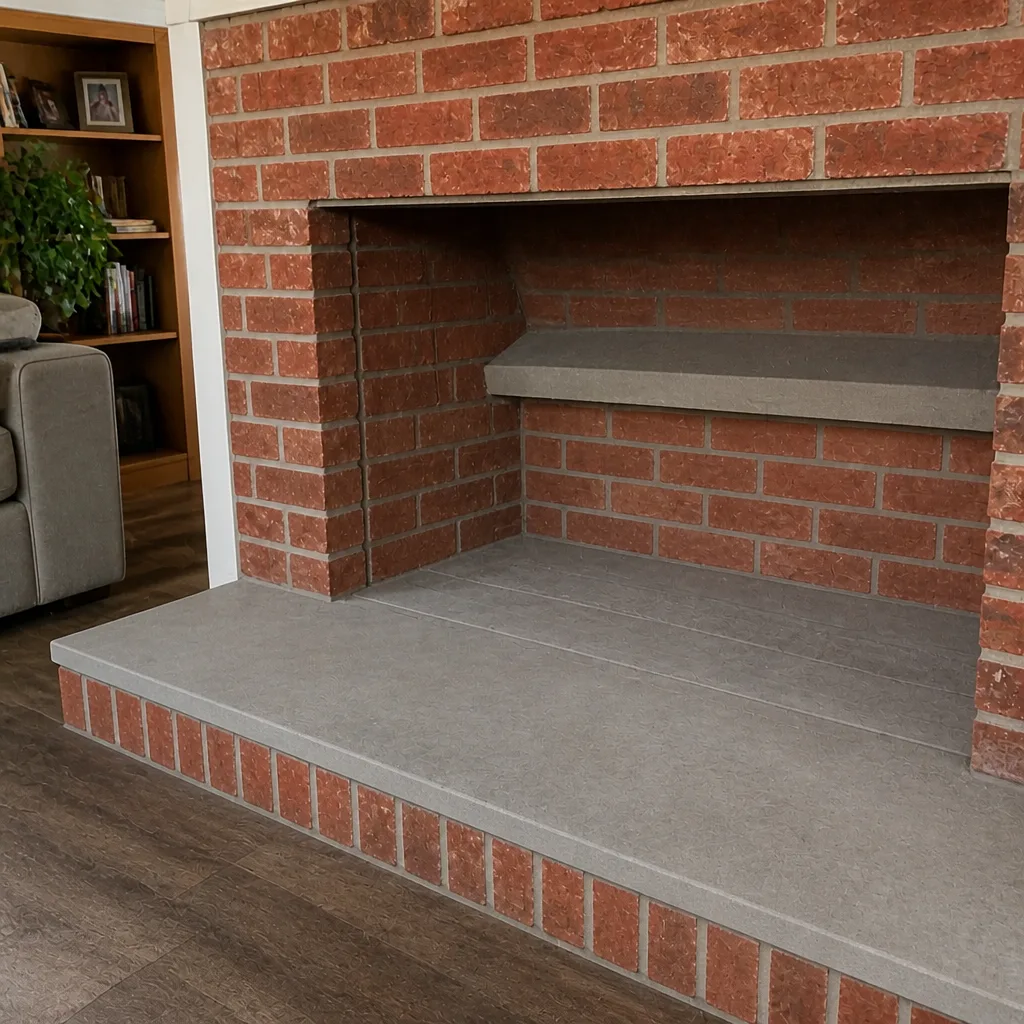 After
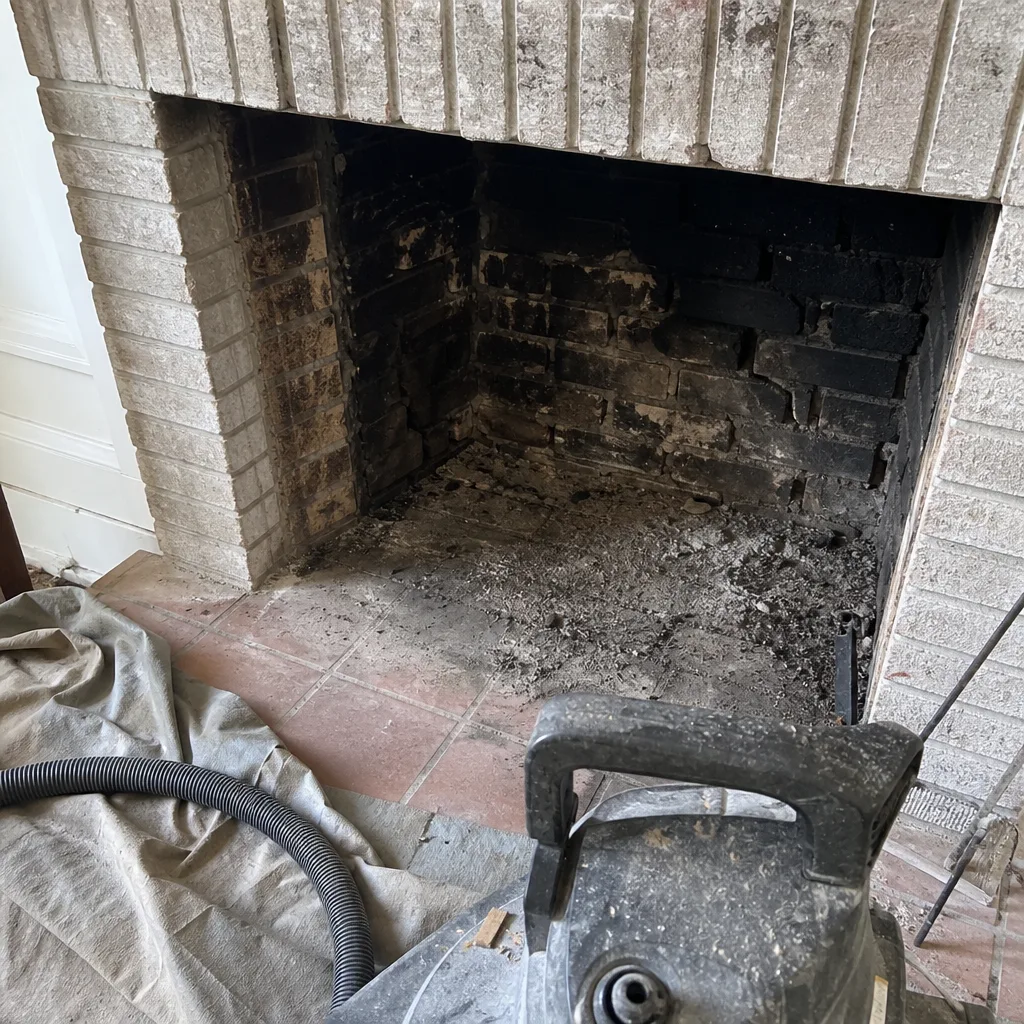 Before
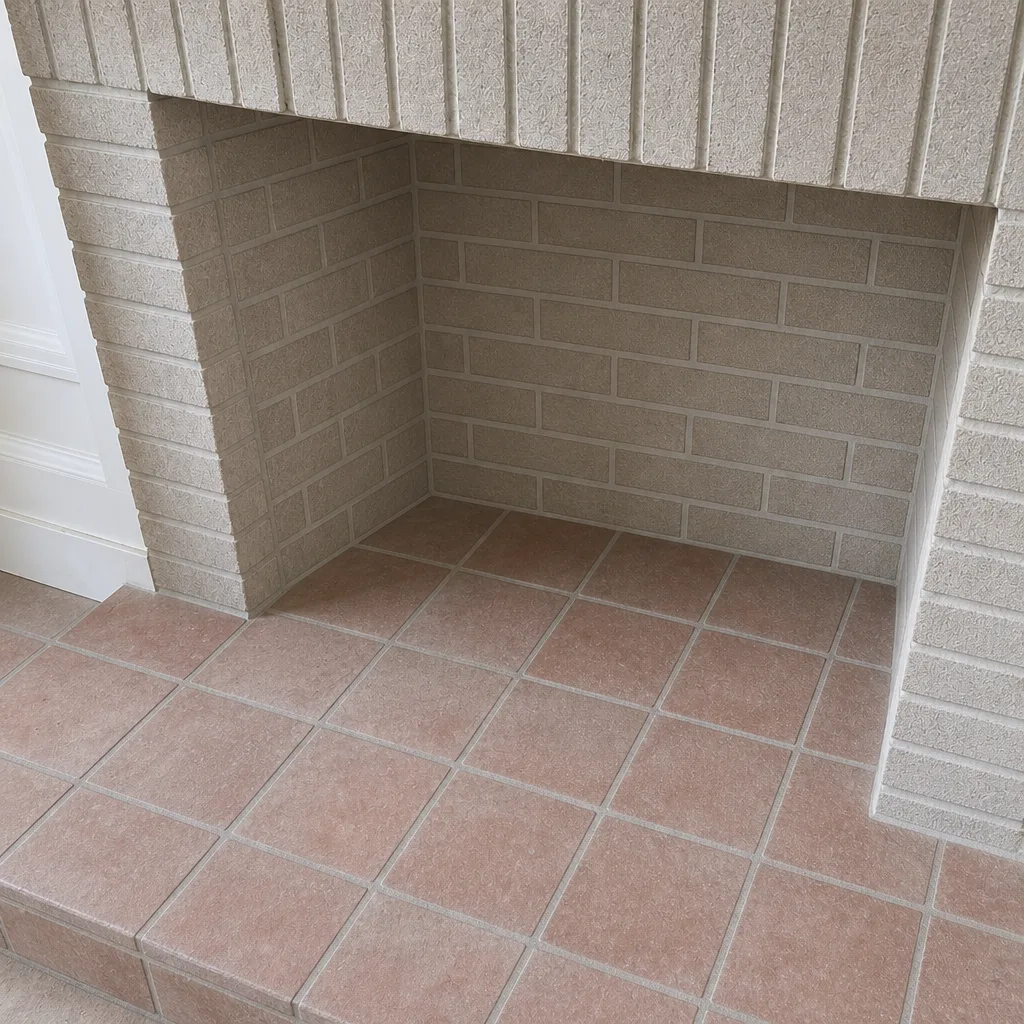 After
How Much Does Chimney Cleaning Cost in Four Square Mile?
Chimney cleaning in Four Square Mile typically costs $175 to $350 for a standard wood-burning flue, with most homes landing near the middle of that range. Gas fireplace cleaning usually runs $125 to $225, and a heavily used or badly creosoted firebox can push past $400 once the technician has to work in sections or clear glaze. Those figures are estimates, not quotes: the written estimate you get sets the final price, and the estimate itself is free.
The number that matters most isn’t the cleaning line item – it’s whether the sweep turns up a cracked flue tile or a rusted cap while the brushes are out. We handle the whole system, from the firebox to the crown, so a single visit can move cleanly from sweep to inspection to a plan for the repair work. One call, complete chimney service, and no juggling a sweeper and a mason on different schedules.
Chimney Cleaning Cost Breakdown (2026)
Here’s how the work breaks down line by line for Four Square Mile homes. Ranges reflect typical jobs, and nothing here is a surcharge column – the scope of work sets the price.
| Service | Typical Range | Notes |
|---|---|---|
| Standard sweep, wood-burning flue | $175 – $350 | Brush and HEPA-vacuum for average creosote load |
| Gas fireplace cleaning | $125 – $225 | No creosote; focuses on burner, logs and venting |
| Level 1 inspection (add-on or standalone) | $75 – $150 | Readily accessible portions of the chimney |
| Level 2 inspection with camera | $200 – $450 | Video scan of the flue interior |
| Heavy creosote / glaze removal | $350 – $600 | Stage 3 creosote takes extra passes and care |
| Chimney cap installation | $150 – $450 | Depends on flue count and the cap we’re fitting |
| Crown repair or rebuild | $350 – $1,200 | Reseal versus full crown replacement |
| HeatShield flue restoration | $900 – $2,000 | Restores cracked or spalled tiles without demolition |
| DuraFlex flexible liner installation | $1,800 – $4,500 | Full-length reline for a failed flue |
What pushes a job toward the top of a range isn’t padding – it’s genuine conditions. A flue with only light soot brushes out in a straightforward visit. A flue with glazed, hardened creosote has to be scraped in stages, and that takes more time and more careful handling. Add a second flue, a wood stove insert, or a chimney that’s been capped and unused for years, and the work grows. The clean jobs sit at the low end; the discovery jobs land higher. Your written estimate spells out which kind you’re getting before any brush goes up the flue.
What Affects Chimney Cleaning Pricing in Four Square Mile
- How much you burn. A fireplace used several nights a week through a Colorado winter builds creosote faster than one lit a handful of times. Heavy use means a heavier cleaning load, and often a recommendation to sweep more than once a year.
- The type of fuel and appliance. Wood produces creosote; gas produces moisture and mineral deposits instead. A wood-burning flue clean costs more than a gas fireplace clean because the creosote has to be removed, not just wiped down.
- Flue count and configuration. A single straight flue is the simplest job. A chimney with two flues, an offset, or an insert with its own liner takes longer and prices accordingly.
- Access to the chimney. A roof with a steep pitch, a crowded roofline, or a chimney that’s hard to reach from the ground changes how long the job takes. Access is a real cost driver on front-range homes.
- What the inspection finds. This is the big one. A sweep that turns up a cracked flue tile or a rusted cap may need a camera scan, and the repair cost (HeatShield restoration, a DuraFlex liner, a new cap) sits on top of the cleaning. We offer inspection as a standalone service precisely so the diagnosis is honest before anyone talks about repair.
- Seasonal timing. Late autumn fills the schedule fast as homeowners get ready for the first cold snap. Booking the sweep before the rush usually means more flexibility in when the technician arrives.
How to Save on Chimney Cleaning
None of this requires cutting corners on safety, and none of it means chasing a discount sweeper who skips the inspection. The savings come from good habits and good timing.
- Book before the heating season. The late-fall scramble is when everyone remembers their chimney. Getting on the schedule earlier in the year avoids the crunch and leaves room to address anything the inspection finds without rushing the repair.
- Burn dry, seasoned wood. Wet or green wood produces far more creosote, which means more frequent – and more expensive – cleaning. Seasoned firewood burned hot limits buildup and keeps you closer to the annual-sweep baseline instead of paying for glaze removal.
- Keep the cap on. A chimney cap keeps rain, birds and debris out. Debris in the flue turns a routine sweep into a removal job, and water intrusion is what starts the masonry decay that leads to crown and liner work.
- Treat a small crack before it’s a full reline. This is where HeatShield earns its keep. A cracked or spalled flue tile can often be restored with a ceramic resurfacing rather than torn out and fully relined, and that difference is significant. Most basic sweep services don’t apply it; we do.
- Get the inspection as a standalone when you’re unsure. If your chimney hasn’t been looked at in years, a standalone inspection gives you a clear picture before you commit to cleaning and repair together. Ask about it when you call.
- Ask for a free estimate. Estimates are free, and a written estimate tells you exactly what’s being done and why. Call (833) 468-5972 and we’ll walk you through it.
Repair vs. Rebuild: Where the Money Actually Goes
Most homeowners calling about cleaning end up asking a bigger question: is the chimney in good enough shape to keep using, or does it need serious work? The honest answer comes from the inspection, and the price difference between the two paths is large enough to be worth understanding.
A cracked flue liner is the common culprit. The clay tiles inside a masonry chimney crack from heat cycling and settle over time, and a crack lets combustion gases and heat reach the surrounding structure. That’s a safety matter, not a cosmetic one. The fix is either a ceramic resurfacing like HeatShield, which addresses the inside surface without demolition, or a full flexible liner install using DuraFlex. HeatShield typically runs less than a full reline because it restores the existing flue rather than replacing it. A DuraFlex liner makes sense when the flue is too far gone to resurface, or when the chimney needs to be brought up to venting standards for a new appliance.
On the exterior, the crown is the concrete cap at the very top that sheds water away from the masonry. A cracked crown lets water in, and water is what spalls brick and rots mortar. Crown repair or a rebuild runs from a reseal up to a full replacement depending on how much is failing. The cap on top of the flue is the smaller, cheaper piece that keeps animals and rain out – a modest cost that prevents much larger problems.
This is why we work with named, professional-grade materials rather than anonymous off-brand components. DuraFlex liner systems, HeatShield ceramic restoration, Gelco, Olympia Chimney, Famco and Copperfield are the brands chimney professionals specify nationwide, and they’re what we install. When a liner is going to sit inside your chimney for decades, the material matters.
For the full picture of how we handle each of these, start with chimney sweep murphy creek and the services that branch off it. A sweep tells you the condition; the inspection tells you the fix; the repair work brings it back to safe.
Why a Specialist Handles This, Not a General Handyman
Chimney work looks simple from the ground and isn’t. The flue is a system – firebox, damper, smoke chamber, flue, crown, cap – and each part affects how the others perform and how safe the whole assembly is. A generalist who owns a brush can knock soot loose. What a generalist can’t do is read a cracked tile, apply a ceramic resurfacing, size and install a flexible liner, or rebuild a crown so it actually sheds water.
We work the whole system in one place. The same team that sweeps also inspects, repairs, relines and caps. That matters because it removes the coordination problem – you’re not booking a sweeper who finds a problem and then hunting for a mason who does liners and a third outfit for the crown. One call handles the clean, the diagnosis and the fix, and the written estimate covers it as a single scope of work.
Our technicians have up to 10 years of experience with chimney systems, and that experience shows most in the diagnosis. A sweep that ends with an honest read on what the flue needs – and what it doesn’t – is worth more than a cheap clean that leaves a cracked liner unmentioned. We offer inspection as its own service for exactly this reason: sometimes the right answer is “your chimney is fine, just keep it swept,” and we’ll say so.
Same-Day Service and What to Expect When You Call
Chimney cleaning is usually a same-day job, and it’s often scheduled quickly when the season allows. When you call (833) 468-5972, we answer 24/7. Fast dispatch from 7am to 7pm, Sunday through Friday, and we’re closed Saturday. A call that lands outside dispatch hours gets booked into the next opening.
Here’s how a typical visit goes. The technician arrives, protects the floor and surrounding area, and sets up a HEPA vacuum so no soot ends up in your living room. The flue gets brushed from the top down or the bottom up depending on the setup, and the debris is captured as it comes loose. Then comes the inspection – a look at the firebox, damper, smoke chamber and flue, and the cap and crown up top. After that, you get a plain-spoken read on condition and a written estimate for anything that needs attention. Cleaning the firebox and flue, checking the cap, and confirming the crown is shedding water all happen in that one pass.
If the inspection turns up something that needs a camera look, we’ll recommend a Level 2 inspection so the diagnosis is complete before any repair decision. Nothing gets sold before it’s diagnosed.
How Often Should You Schedule a Chimney Sweep?
Once a year is the baseline for a wood-burning fireplace in regular use, and that cadence keeps you at the standard cleaning price instead of paying for heavy creosote removal. If you burn a lot – several fires a week through the winter – you may want a mid-season check. Gas fireplaces don’t build creosote the way wood does, but they still collect dust, mineral deposits and debris, so an annual clean and inspection keeps the burner and venting working correctly.
A chimney that hasn’t been swept in several years is a different situation. The buildup is heavier, and the odds of finding a cracked tile or a failing crown go up. In those cases the cleaning and the inspection together tell you whether you’re looking at a straightforward sweep or repair work on top. It’s better to know before the first fire of the season than after.
FAQs – Chimney Cleaning Cost
How much does a chimney cleaning cost in Four Square Mile?
A standard wood-burning chimney cleaning in Four Square Mile runs about $175 to $350, and gas fireplace cleaning runs about $125 to $225. Heavy creosote or a multi-flue chimney can push the top of that range. Call (833) 468-5972 for a free estimate – the written estimate sets the final price.
Is it cheaper to repair or replace a chimney liner?
Restoring a flue with HeatShield ceramic resurfacing (roughly $900 to $2,000) is typically cheaper than a full DuraFlex liner installation ($1,800 to $4,500) when the existing flue can be saved. A full reline is the right call when the flue is too far gone to resurface or needs to meet venting standards. The inspection determines which path fits. Call (833) 468-5972 to schedule one.
Can you clean my chimney the same day I call?
Yes, chimney cleaning is usually a same-day job when the schedule allows. We answer the phone 24/7, with fast dispatch from 7am to 7pm, Sunday through Friday. Call (833) 468-5972 and we’ll book the soonest opening.
Does chimney cleaning cost more if there’s heavy creosote?
Yes – heavy or glazed creosote is a bigger job and usually runs $350 to $600 versus the standard $175 to $350 clean. Stage 3 creosote has to be removed in careful passes, which takes longer. If you’re unsure how much buildup you have, an inspection tells you before you commit. Call (833) 468-5972 for a free estimate.
Do I need a chimney inspection with every cleaning?
A Level 1 inspection is typically included with or added to a cleaning for $75 to $150, and it’s worth having every time. A Level 2 camera inspection ($200 to $450) is recommended when there’s a change in the system or a concern about the flue interior. Getting the inspection done alongside the sweep catches cracks and cap problems early, before they turn into costly repairs. Call (833) 468-5972 to book both together.
Why does chimney cleaning cost more in some homes than others?
Fuel type, flue count, how much the fireplace gets used, roof access, and what the inspection finds all move the price. A single gas flue is the simplest job; a multi-flue wood chimney with glazed creosote and a failing crown is the most involved. The written estimate reflects the actual scope. Call (833) 468-5972 and we’ll give you a clear range for your chimney.
Pricing reflects the Four Square Mile market as of 2026. Chimney Sweep Murphy Creek offers free estimates – call (833) 468-5972.
Written by the team at Chimney Sweep Murphy Creek.
What Our Customers Say
"Drop cloths everywhere, HEPA vac, and not a speck of soot on the carpet. I'd been dreading the mess for nothing."
- Kurt Hayes"Creosote buildup was worse than I realized. He measured it, showed me the glazing on the flue with the camera, and was honest that we were closer to a chimney fire than I wanted to hear."
- Emily Ziegler"Good work. The written inspection report took about a week to arrive after I asked for it, which was slower than I expected."
- Paul Doyle